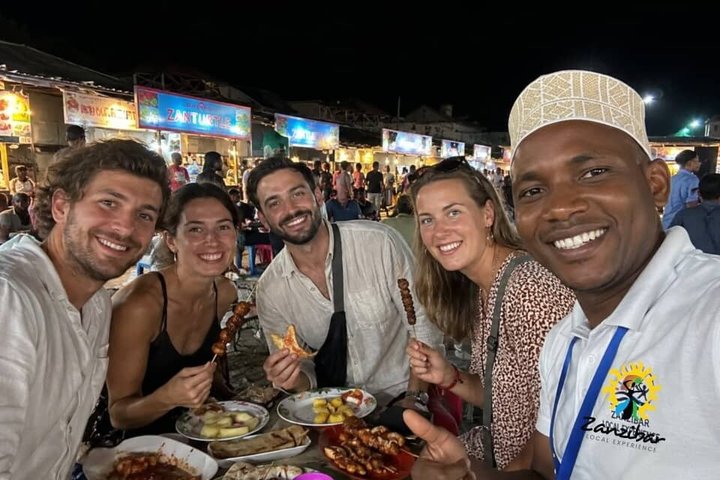
Zanzibar’s food is the product of its history. Arab, Persian, Indian and African traders all left something in the kitchen, and the island’s clove, nutmeg, cinnamon, cardamom and vanilla gave Swahili cooking its fragrance. You can eat extremely well on the island at every price level, from skewers on the Stone Town waterfront to a table by the sea at a beach hotel. Here is how to approach it.
Start at the Forodhani Gardens
Every evening the seafront gardens in Stone Town become an open-air food market. Stalls grill fish, octopus, prawns and lobster, and pile up skewers of meat, sugar cane juice and fresh coconut. The famous local snack is Zanzibar pizza, a thin parcel of dough folded around egg, minced meat, vegetables and cheese or chocolate and banana, and fried on a hot griddle. Prices are best agreed before the food is cooked, and bargaining is expected for seafood sold by weight. Go early if you want a good table and the best selection, and choose busy stalls with a high turnover. An evening food walk is the best way to understand the dishes, with a guide who explains what is what and takes you to the Darajani Bazaar as well.
What to order
Swahili cuisine is built around rice and coconut, fish and spice. Look for pilau, a rice dish scented with cumin, cinnamon, cardamom and cloves; biryani, which shows the Indian influence; curries cooked in coconut milk; grilled octopus and kingfish; and urojo, the sour, spicy Zanzibar mix soup eaten as a snack, with potatoes, crisps and lime. Breads include chapati and mandazi, a lightly sweet fried dough. Cassava and plantains appear on the side, and kaimati, sweet fried dumplings, and coconut desserts finish a meal. Drinks include fresh juices of passion fruit, mango and pineapple, sugar cane juice, spiced tea and strong coffee.
Learn on a spice farm
The best introduction to the island’s flavours is a spice farm tour. A guide leads you through gardens where cloves, nutmeg, cinnamon, vanilla, black pepper and lemongrass grow, lets you smell and taste, and usually ends with fruit and a spiced drink. Some farm visits include a cooking class where you prepare a Swahili meal. It is also the place to buy spices for home, because the prices and quality are often better than in a souvenir shop.
Eating at the beach
On the north and east coasts, many hotels serve fresh seafood on the sand, and sunset bars in Nungwi and Kendwa serve cold drinks and grilled fish as the sun goes down. Taarab rooftop dining and harbour-view restaurants in Stone Town are good for a longer evening. Seafood is the highlight, so ask what came in that day.
Alcohol and etiquette
Zanzibar is a mainly Muslim island. Alcohol is available in hotels, resorts and many tourist restaurants and bars, but it is not served everywhere, and drinking in public places is discouraged. During Ramadan, many local places close by day, and eating, drinking or smoking openly in town is best avoided, but the evenings are lively and festive once the fast ends. Dress modestly in town.
Staying well
Drink bottled or filtered water and avoid ice unless you are sure of its source. Choose places that are busy and where food is cooked in front of you, eat seafood that is hot and freshly grilled, and wash or peel fruit. If you have a sensitive stomach, start with cooked dishes and add street food gradually. Carry small notes in Tanzanian shillings for stalls, and keep US dollars for hotels and tours.
Eating with children and special diets
Most hotels and tourist restaurants can cook plain rice, grilled fish, chicken and fresh fruit, so children are easy to feed. Vegetarians do well, because beans, vegetable curries, chapati and fruit are everywhere, though ask whether dishes are cooked with fish stock or coconut milk. Halal food is the norm on the island, and pork is rare outside some hotels. Tell your guide about allergies before a food tour, because spices and nuts are used widely.
A simple plan
On a first visit, join the evening food walk in Stone Town, spend a morning on a spice farm, eat grilled seafood on the beach one night and try a harbour-view dinner at a hotel on another. That covers the main flavours of the island and gives you a pleasant mix of casual and special meals.