Three days is the sweet spot for a first Zermatt trip. It is long enough for the two headline mountain rides, a proper look at the village and a slow walk, and short enough that you are not forced to fill time. The plan below is built around weather, because the one rule in the Alps is that clear mornings are precious. Put the high, view-dependent trips on the best days and keep the village for cloud.
Before you arrive
You cannot drive into Zermatt. Trains run to the village about every half hour and end at the square outside the station, a journey of roughly three and a half hours from Zurich Airport and about four hours from Geneva or Basel airports. If you drive, park at Täsch and take the shuttle train, which reaches the village in about twelve minutes. Tell your hotel your arrival time, and pack so that you can walk a few minutes with your bags or take an electric taxi.
Day one: settle in and meet the village
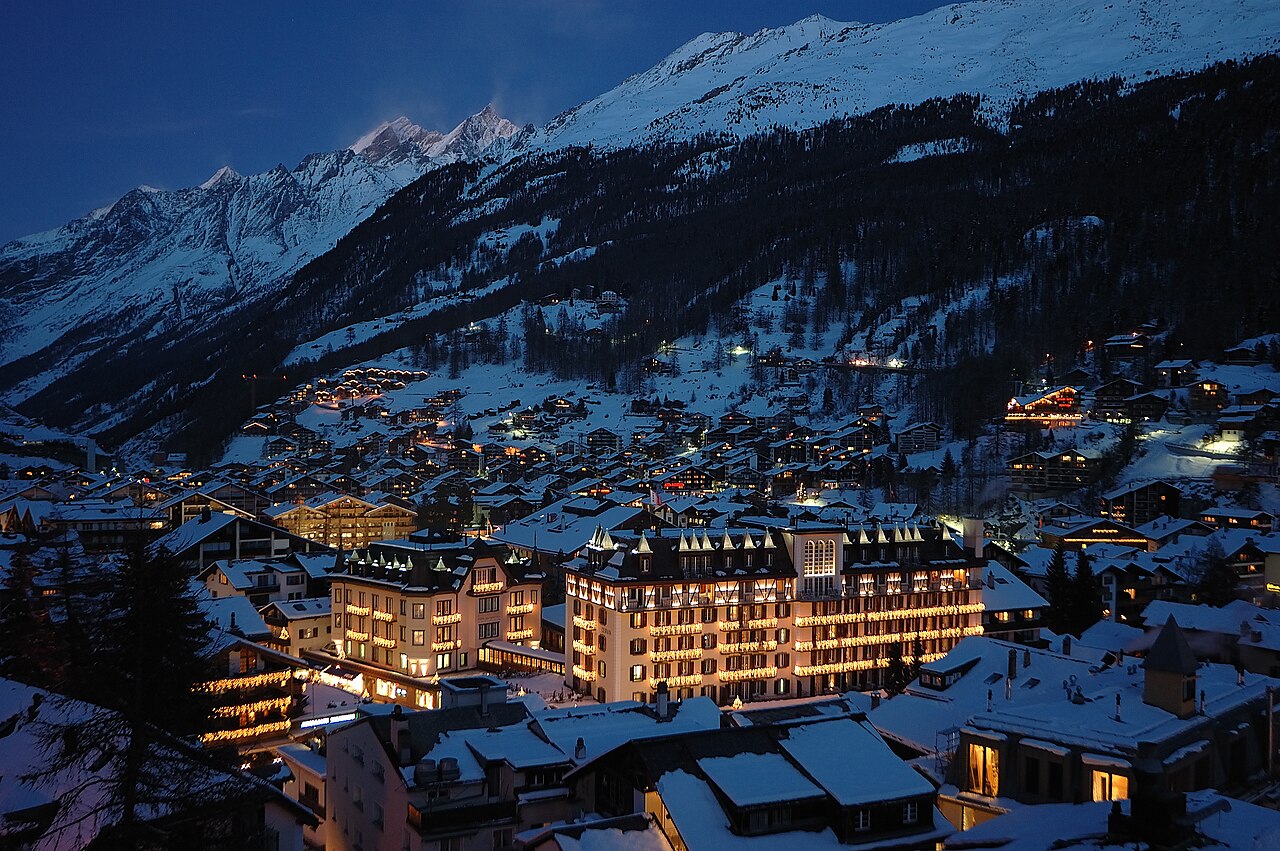
Use the arrival afternoon for the village walk, a gentle circuit of about 1.8 kilometres that runs from the station square past the Hinterdorf, the church square, the English Church and the mountaineers cemetery. It takes roughly an hour and a half, costs nothing and orients you quickly. Add the Matterhorn Museum if it is open, because it tells the story of the first ascent in 1865 and of how a farming valley became a resort. Opening days change by season, so check before you go. In summer and early autumn, the Gorner Gorge is a 15 minute walk from the south end of the village and makes a short alternative if you still have energy.
Day two: the glacier
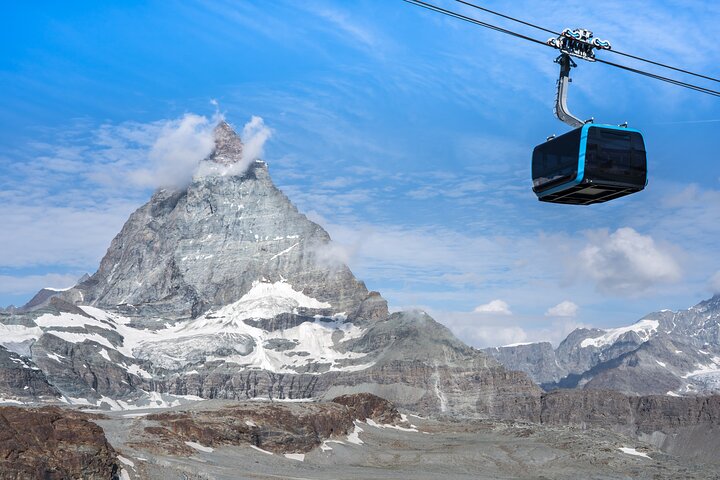
Make this the first clear morning of your stay. The Matterhorn Glacier Paradise route takes you up through Furi and Trockener Steg to 3,883 metres, with a viewing platform, the Glacier Palace in the ice and, in winter, access to the Theodul Glacier pistes. Allow four to six hours door to door, dress for winter conditions even in summer, and go up slowly because of the altitude. On the way back down you can stop at Schwarzsee for the chapel and a close view of the mountain, or at Furi for the suspension bridge trail, a one hour circuit across a 100 metre steel cable bridge in the walking season. If you ski, a lesson on the glacier in the morning fits neatly before the palace.
Day three: the railway and the lakes
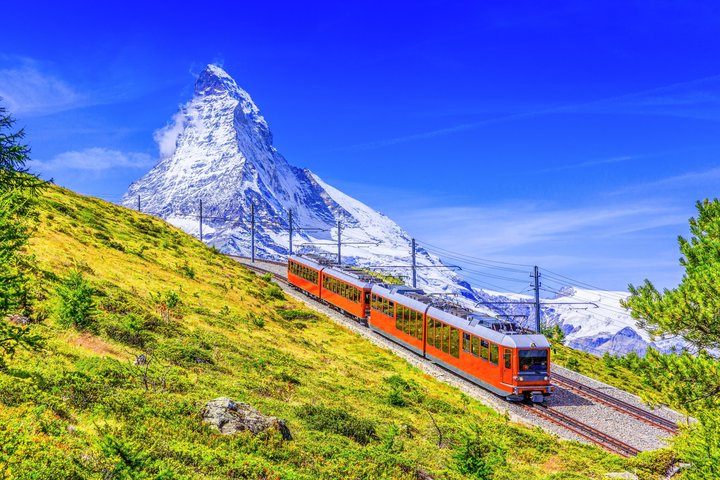
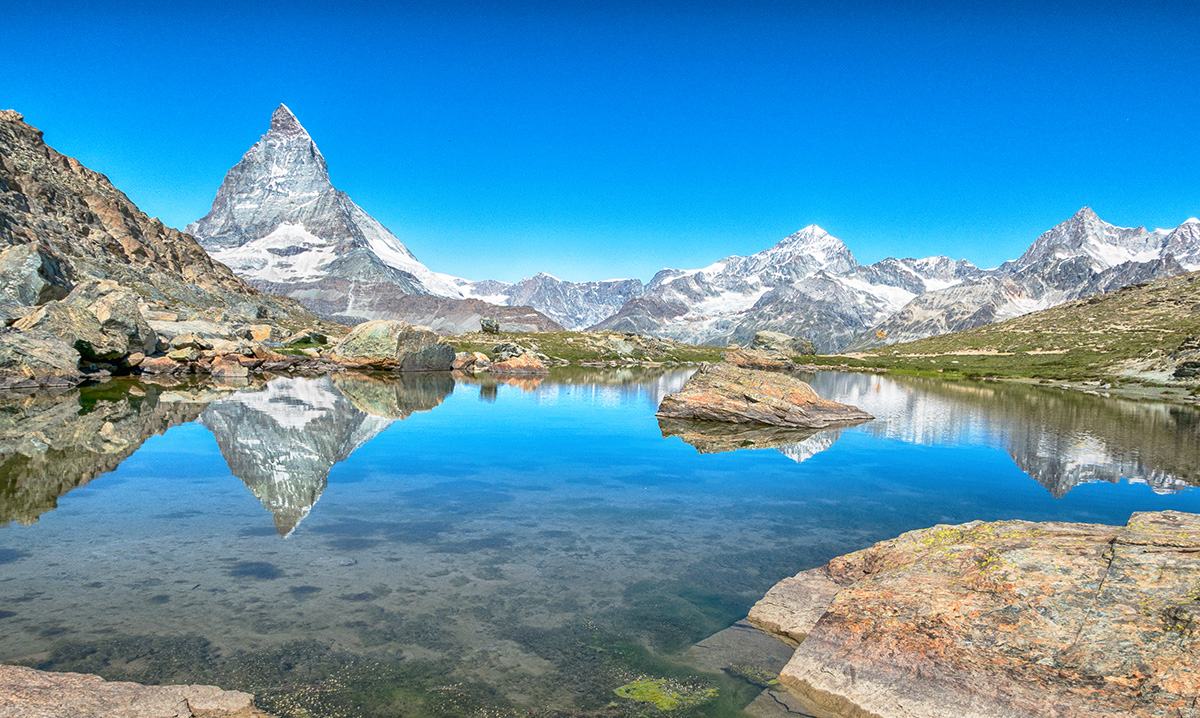
Spend the third day on the Gornergrat cogwheel train, a ride of about half an hour from 1,605 to 3,090 metres with the Matterhorn framed in the window. Sit on the right-hand side going up. Walk or ride on the summit terraces, then step off at Rotenboden on the way down and walk about ten minutes to the Riffelsee, where the mountain can mirror itself on still water. The Golden Spot, a restored gilded locomotive set up for photographs, is also on the Gornergrat and is free to visit.
If the weather turns
Swap the days freely. If the glacier is clouded in on day two, do the village sights first and wait. If everything is cloudy, a Sunnegga funicular ride and a descent along the Findlerweg through Findeln gives you a below-the-cloud-line walk with a long lunch on a terrace, while the Hinterdorf and the museum are indoor and low-level options. Check live lift status and webcams the evening before and again in the morning.
Summer and winter variations
In summer, replace the glacier skiing with a walk to the hamlet of Zmutt or the Five Lakes Walk from Blauherd to Sunnegga, and keep the gorge and the bridge as short add-ons. In winter, add a sledging run, a groomed winter trail or the village ice rink for non-skiers, and use the lifts for a ski day on the ski sectors on the winter timetable, noting that the gorge and the bridge are closed.
What to book ahead
Buy lift tickets in advance for the glacier and the railway if you can, and reserve ski lessons, paragliding or helicopter flights early, since weather can force a reschedule. Hotels are the other early booking, especially in peak weeks around Christmas, New Year and February.
Pacing and money
Zermatt is expensive, so choose the two paid mountain days and enjoy the free days fully. The village walk, the Hinterdorf, Zmutt, the Findlerweg and the photo points cost nothing, and a pair of picnic lunches saves a lot over the week. Keep at least one slack morning for a late breakfast and a second look at the mountain, because it often shows its best face when you stop chasing it.