Zermatt works all year, but it works differently in each season. The village is car-free and the lifts run through the winter and summer, yet some trails, trains, sights and hotels follow a seasonal pattern, and the weeks between the two main seasons are quiet. Choosing when to come is mostly about choosing what you want to do.
Summer and early autumn: the walking season
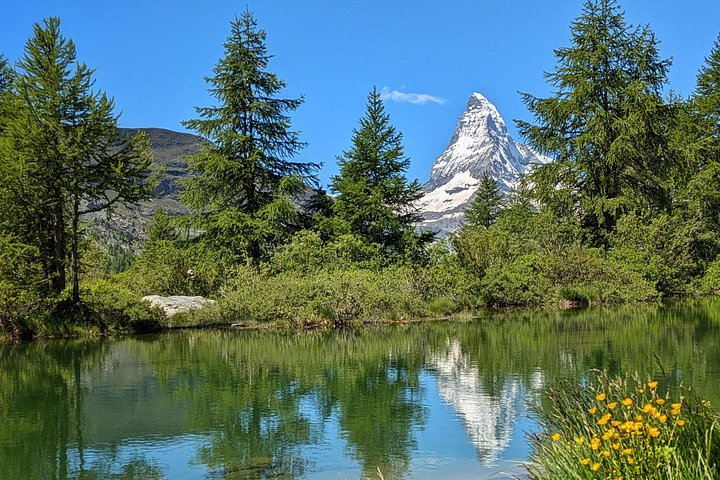
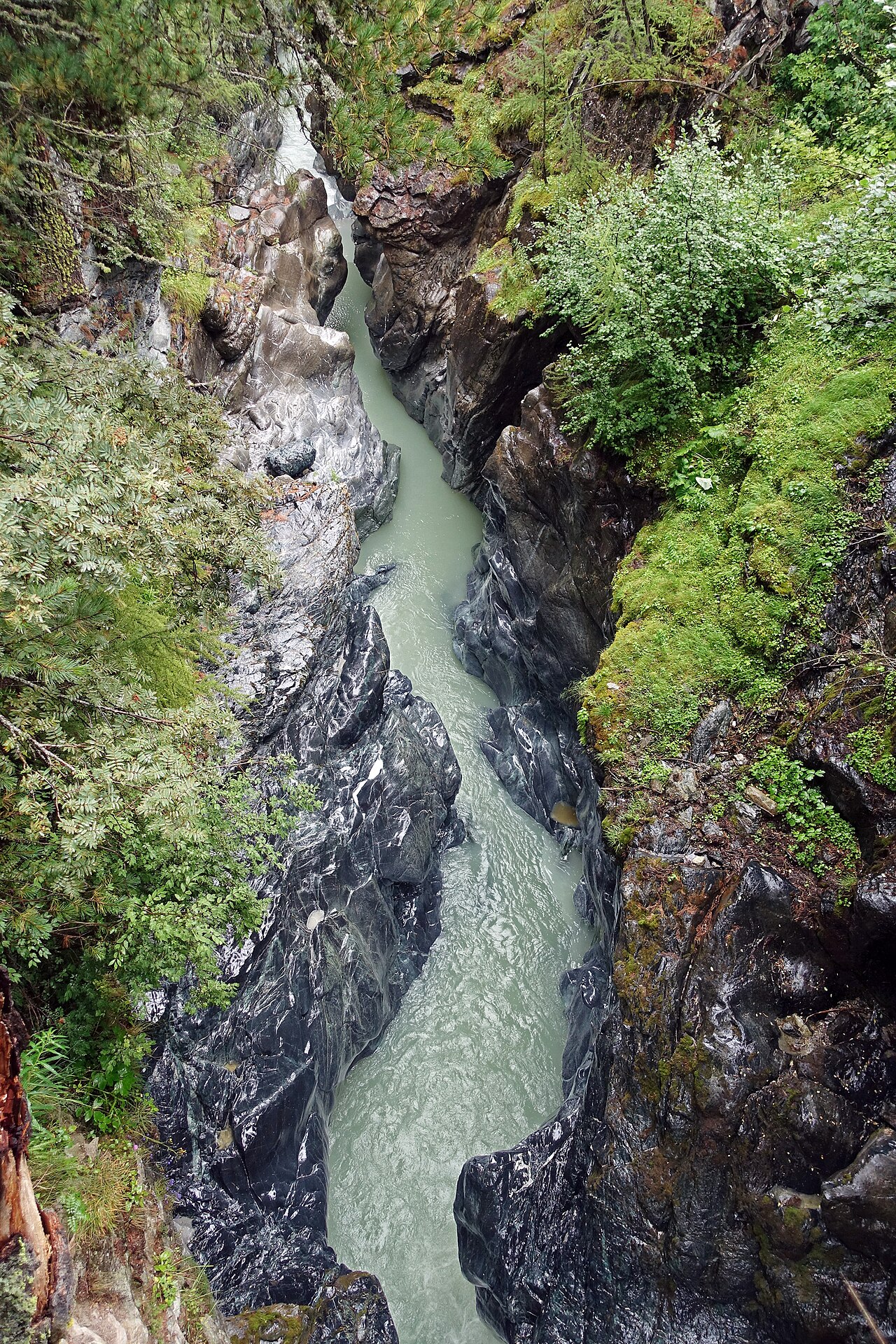
This is the time for the high trails and the lakes. The Five Lakes Walk from Blauherd to Sunnegga, a route of about two and a half hours past Stellisee, Grindjisee, Grünsee, Moosjisee and Leisee, belongs here. So do the Findlerweg down through Findeln, the path to the hamlet of Zmutt, the Furi suspension bridge, which is closed in winter, and the Gorner Gorge, which is open from late spring to early autumn and closed from mid-October to the end of May. The Riffelsee walk from Rotenboden is at its most reliable when snow has cleared. Guided hikes, paragliding and helicopter flights add variety. Days are long, the village terraces are open and the Gornergrat railway and the glacier lifts run on summer timetables.
Winter: skiing and snow
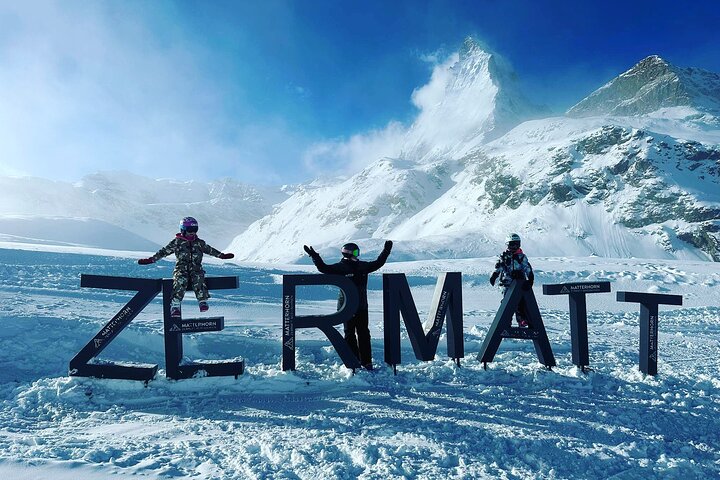
Zermatt is one of the highest ski areas in the Alps, and the season starts on the Theodul Glacier above Matterhorn Glacier Paradise, where the lift company reports up to about 21 kilometres of terrain in early season. The larger ski area, including the Sunnegga, Rothorn and Gornergrat sectors, moves to the winter timetable in late autumn and runs into spring. For non-skiers there are groomed winter trails, snowshoe tours, sledging runs, husky sledding and a village ice rink that runs from November to mid-March, with skate hire on site. Peak weeks are Christmas, New Year and February, when rates rise and rooms sell out.
The year-round sights
Some things do not care about the calendar. Matterhorn Glacier Paradise runs through the year, and the Glacier Palace is open all year. The Gornergrat railway also operates year-round apart from occasional maintenance breaks, and the village walk, the Hinterdorf and the museum, which keeps seasonal hours, are always there for cloudy days. Remember that the weather matters more than the date: a clear morning in any season beats a cloudy one.
The quiet weeks between seasons
In the changeover periods between the two main seasons, expect some lifts or railways to pause for maintenance, some hotels and mountain restaurants to close for a few weeks and the village to feel noticeably calm. That quiet has its own appeal for walkers who like empty lanes and lower prices, but you need to check each lift, hotel and restaurant before you commit. The Schwarzsee link, the sections of the lift chain beyond Furi and parts of the Sunnegga side change over at these times.
Timetables
Lift and railway timetables differ between summer and winter, so check first and last departures rather than assuming. At Glacier Paradise, for example, winter rides up start in the morning and the last rides down leave in mid-afternoon, which leaves little slack for a late descent. Gondolas and funiculars can also stop in strong wind, so keep the day flexible and avoid planning a flight home straight after a big mountain outing.
Choosing by interest
For hiking and lakes, go in summer or early autumn. For skiing, go from winter into spring, and for guaranteed early snow look at the glacier. For first-time sightseeing without crowds or technical activity, the shoulder weeks can work if you accept some closures. For families, summer gives the playground and trail options, and winter gives beginner areas and lessons by age. For photography, still mornings and evenings in any season give the best light on the Matterhorn and the lakes.
Hotels and booking
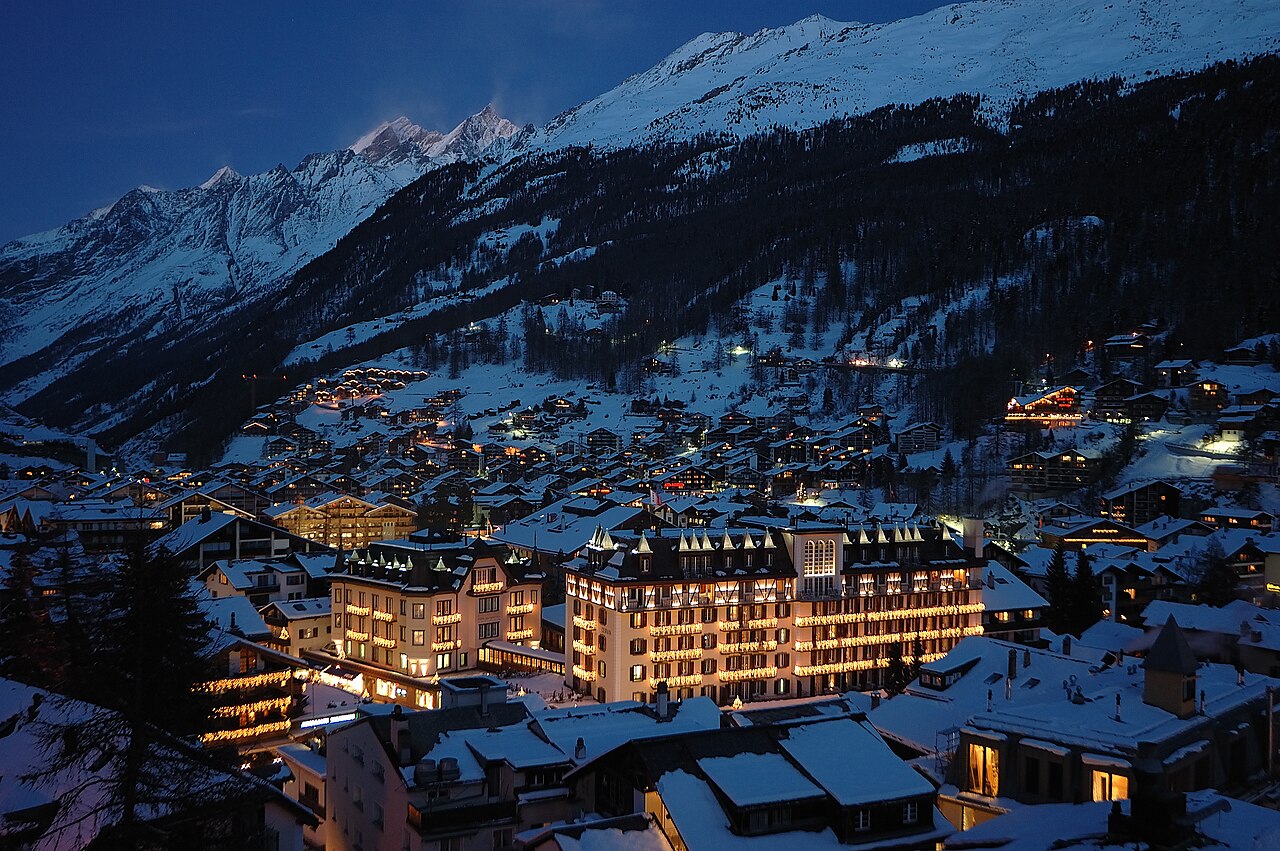
Many Zermatt hotels operate seasonally, and mountain properties such as the Riffelalp Resort close for part of the autumn before the winter season. Confirm opening dates for your exact trip, and book early for Christmas, New Year and February. In the quiet weeks it is easier to get a room but harder to find every restaurant open.
Weather and altitude
The village sits at about 1,600 metres, and the summit stations are at 3,000 metres and above, so weather and temperature change sharply as you climb. Carry layers in every season, protect yourself from the sun at altitude and check live webcams and lift status before leaving the village. Plan the highest trip for the clearest-looking morning, and keep a village or museum plan in reserve.