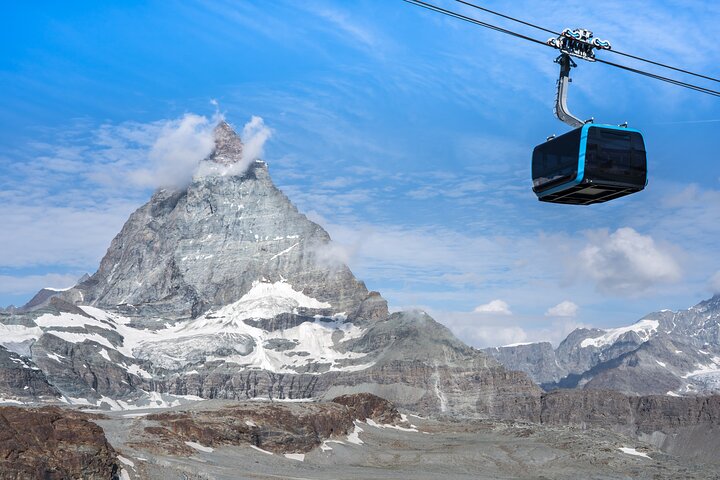
Zermatt is a small, car-free village with an outsized mountain skyline, and the best first trips are built around two or three big lift days and some slow village time in between. The Matterhorn is the star, but the village, the old Hinterdorf quarter and the museum give the visit shape, especially on cloudy days. This guide covers what to book ahead, how to get around and where the main sights fit.
Arriving
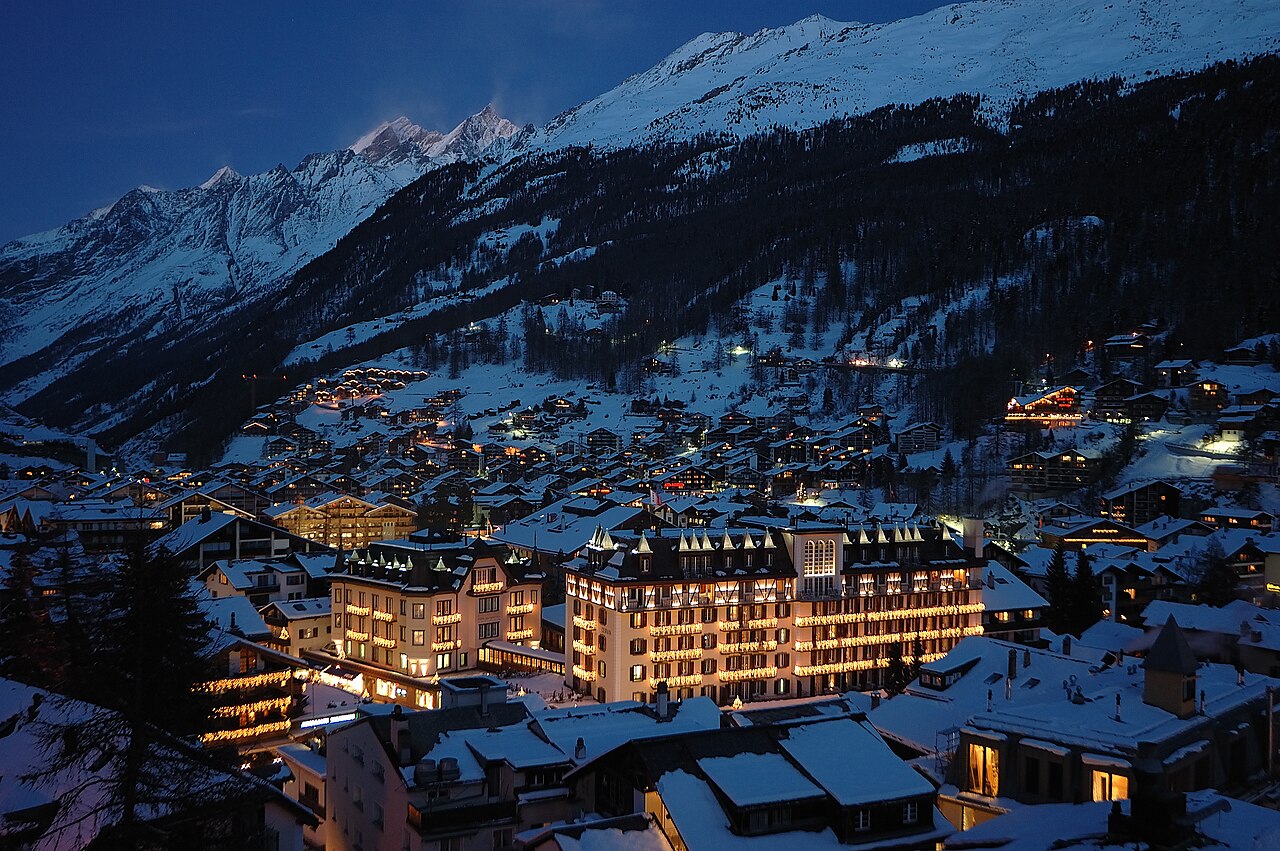
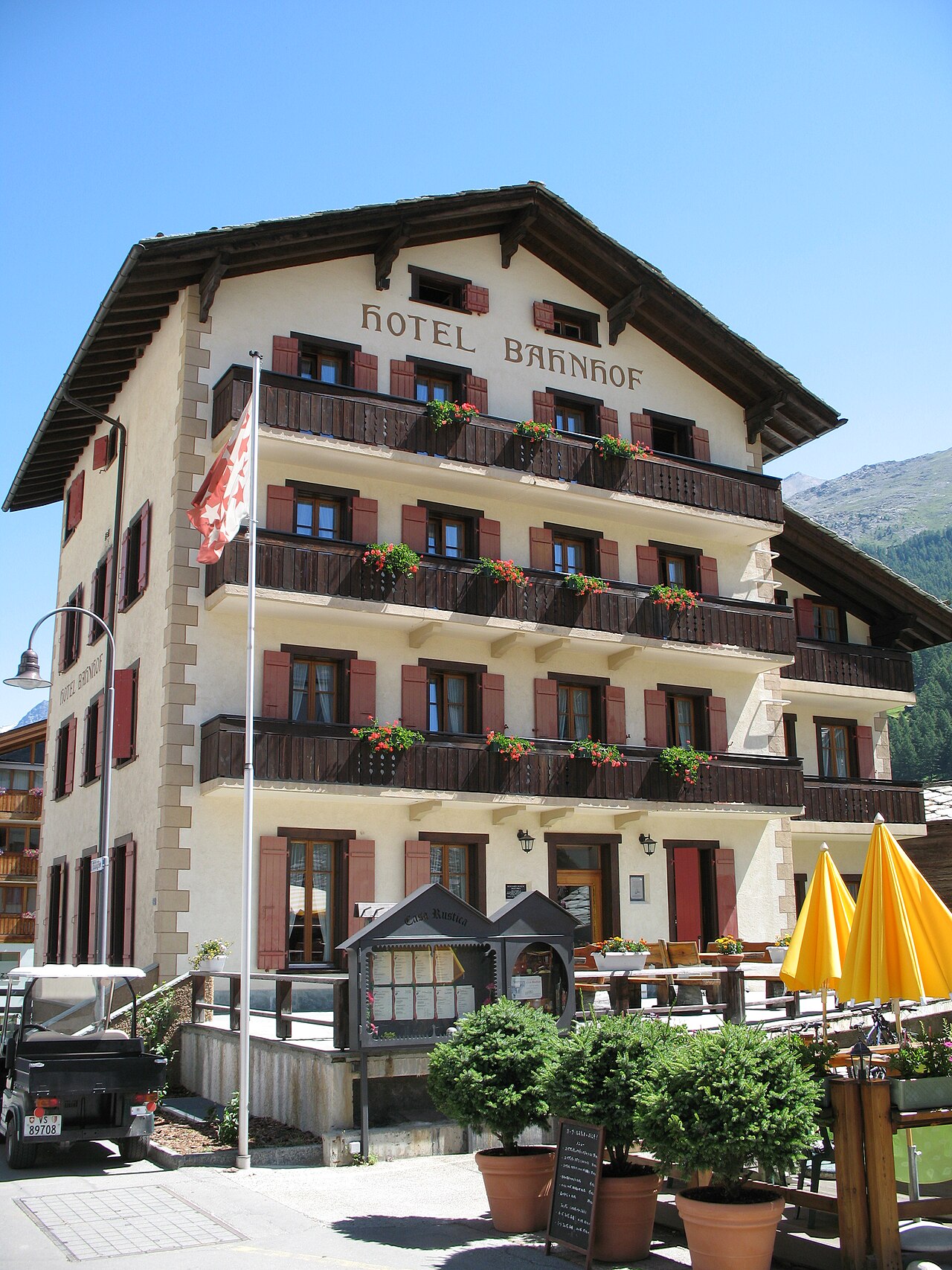
You cannot drive into Zermatt. Travellers by car leave the vehicle at Täsch and take the shuttle train, and everyone else comes by train, with electric taxis and hotel shuttles for the last stretch to your door. Pack light enough to handle a short walk, and tell your hotel your arrival time so luggage and transfers are organised. The village is compact, with most hotels within a ten to fifteen minute walk of the station.
What to book ahead
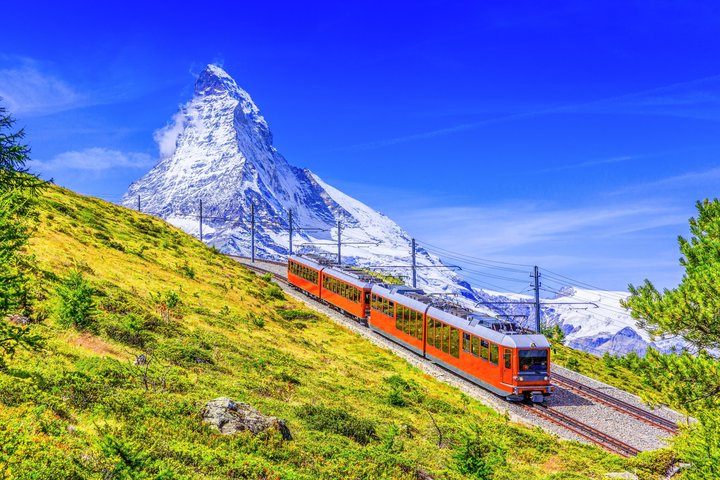
Three things reward planning. First, the big lift days: the Gornergrat railway and Matterhorn Glacier Paradise sell tickets in advance, and buying ahead saves queueing. Second, any adventure that depends on a small operator, such as a tandem paragliding flight or an Air Zermatt helicopter flight, because slots fill and weather can force a reschedule. Third, ski lessons if you plan to ski, especially for weekends and holiday weeks. Hotels are the other early booking, because the village has a limited supply of beds in peak weeks.
How the lifts change by season
This is the part that surprises first-timers. Zermatt has a summer pattern, a winter pattern and a quiet gap between them, and the weeks around the changeover are when some lifts, trains and hotels pause for maintenance. Glacier skiing comes first in the ski season and the main ski area follows on the winter timetable, while the Gorner Gorge is closed from mid-October to the end of May and the Five Lakes Walk is a summer outing. Always check live lift status the day before.
How many days
Two days is the minimum to see the headline sights. A good two-day plan gives one day to Glacier Paradise, with an optional Schwarzsee stop on the way down, and the second to the Gornergrat railway plus the village walk. Three days adds slack for weather, a museum visit and the Sunnegga side. Four days allows a ski lesson, a flight or a longer walk, and keeps the pace gentle at altitude.
Where the sights fit
Put the highest and most weather-dependent trip first, since a clear day is precious, and keep the village sights for cloud. The Hinterdorf, the village walk and the museum all work as fall-backs. Do the Gornergrat early in the morning for the clearest air, and use the afternoon for the old quarter. If you ski, pair the glacier with a morning lesson and finish with lunch at altitude.
Getting around once you are here
Most places are within walking distance, and a free e-bus runs on two routes, the Ski-Bus and the Winkelmatten line. Electric taxis and horse-drawn carriages also serve the village, and the national railway offers a luggage service that lets you check bags through to Zermatt. Trains from Zurich Airport take about three and a half hours and from Geneva or Basel airports about four hours, so allow a full travel day if you are coming from abroad.
Easy extras
If you have a spare half day, the Zmutt hamlet walk, the Findlerweg through Findeln, the Riffelsee reflection and, in summer, the Gorner Gorge all cost little or nothing, and the Furi suspension bridge is a short thrill for families. Each has its own entry with seasons and access details.
Altitude and clothing
The summit stations are at 3,000 metres and above, so ascend gradually, drink water and rest if you feel unwell. Dress in layers, with a windproof jacket, hat, gloves and sunglasses, even if Zermatt is mild. Shoes need grip, since village lanes are icy in winter.
Budget
Zermatt is expensive, and lift tickets are the biggest cost. A shared-kitchen stay, picnic lunches and a mix of paid and free days keep the total manageable. Free highlights include the Hinterdorf, the village walk and the viewpoints along the lanes. Pay for one or two big days rather than every attraction, and choose the ones that match the weather.