Travel ideas
Wine regions
Vineyard days out, cellar tastings and long lunches among the vines. These are the wine regions worth building a trip around, each with a base town and plenty of tours.
North America
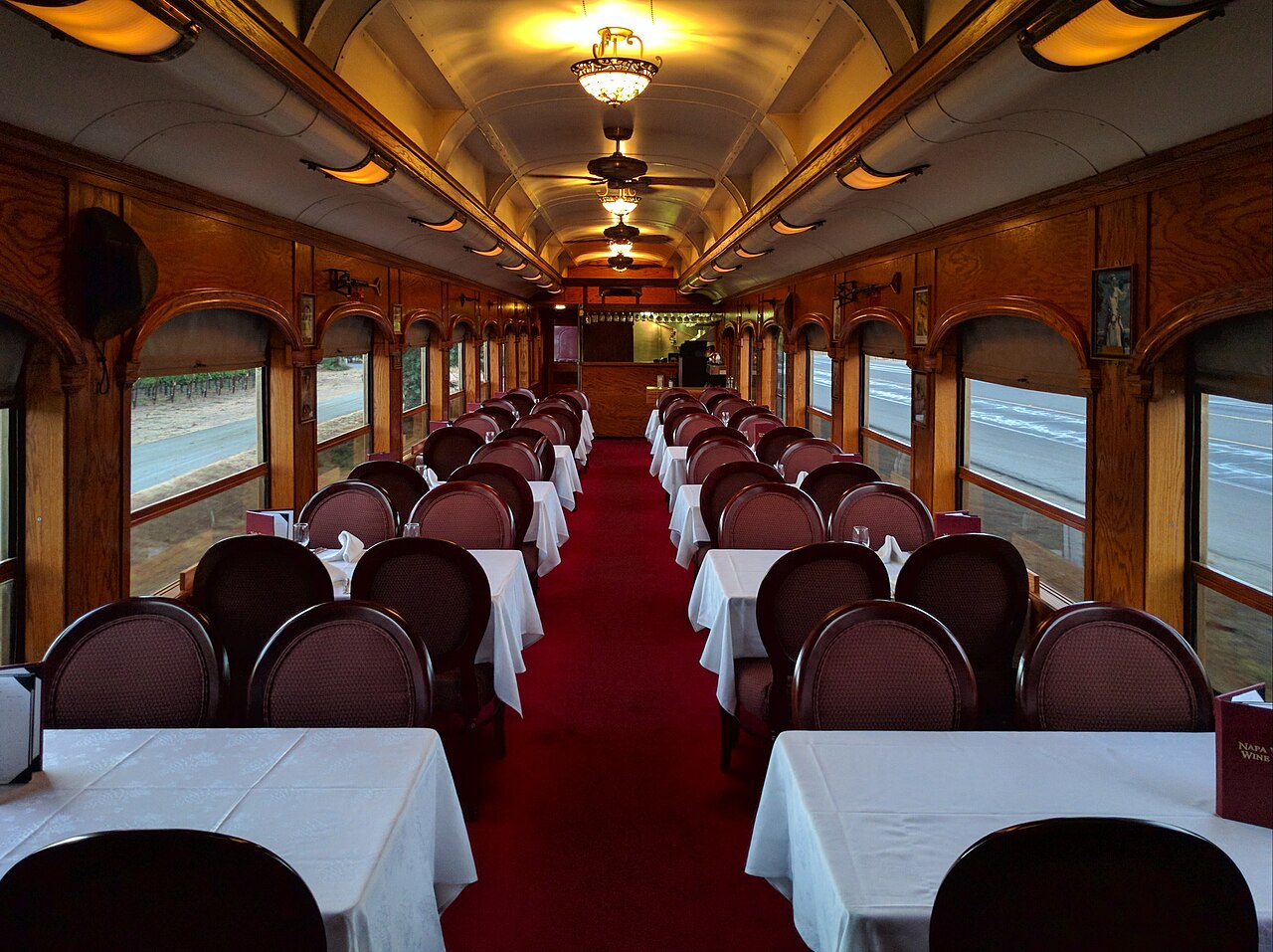
Wine tourNapa & Sonoma Wine Country
California’s most famous valley for Cabernet and grand estates.
 Wine tour
Paso Robles & the Central Coast
Relaxed tasting rooms and bold reds on the Central Coast.
 Wine tour
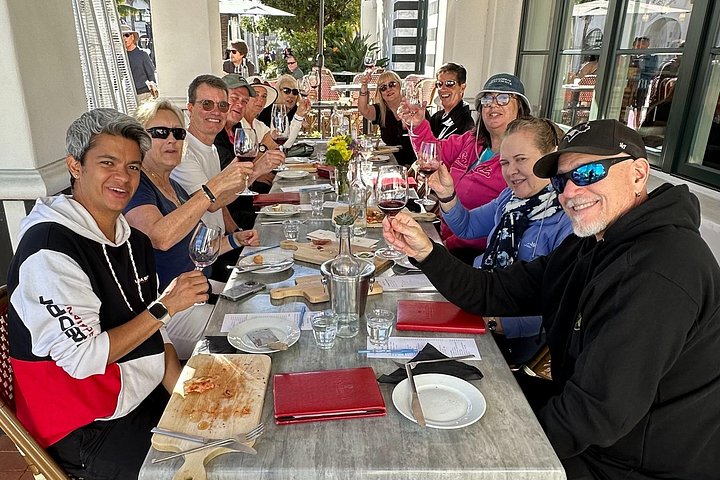
Santa Barbara
The Santa Ynez Valley and its Pinot Noir, an hour from the beach.
 Wine tour
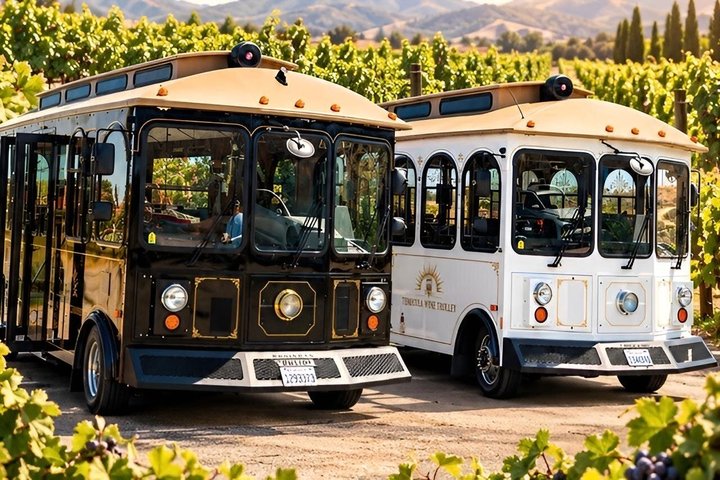
Riverside, Perris & Temecula
Temecula Valley wineries, easy from Los Angeles and San Diego.
 Wine tour
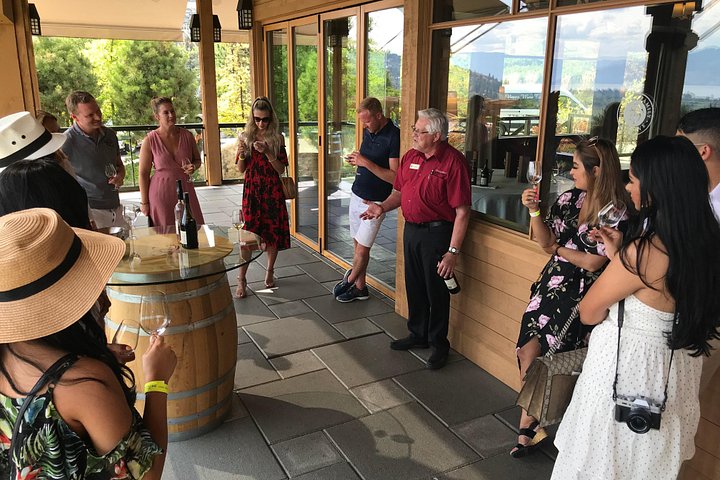
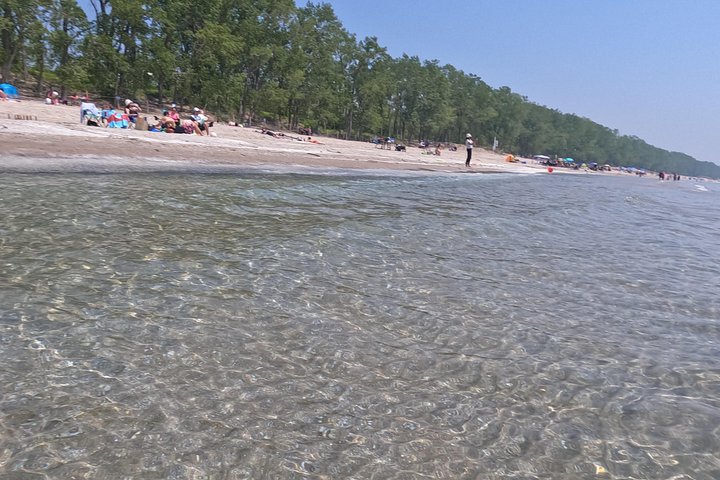
Kelowna & Okanagan
The Okanagan: lakeside vineyards in British Columbia.
 Wine tour
Prince Edward County
Ontario’s cool-climate wine island.
 Wine tour
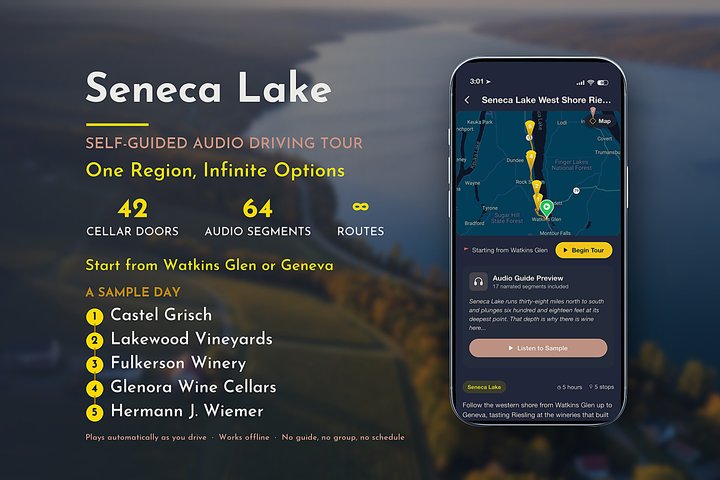
Corning & the Finger Lakes
The Finger Lakes and their Rieslings.
 Wine tour
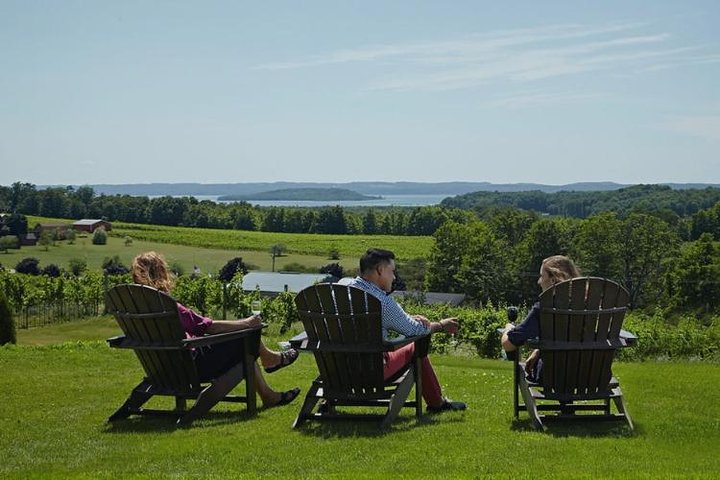
Traverse City
Wineries along the Old Mission and Leelanau peninsulas.
South America, Africa & Oceania
 Wine tour
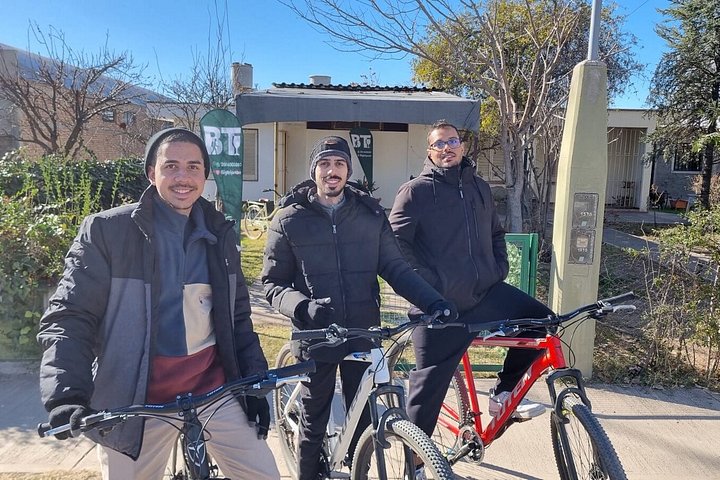
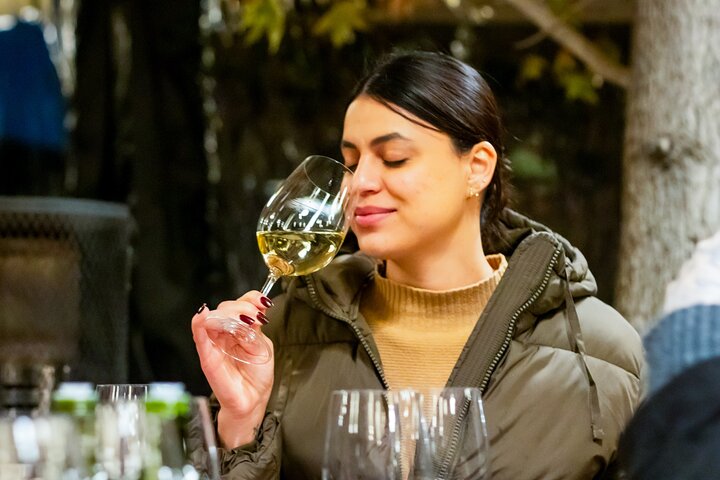
Mendoza
Malbec country at the foot of the Andes.
 Wine tour
Santiago
The Maipo and Casablanca valleys, within day-trip reach.
 Wine tour
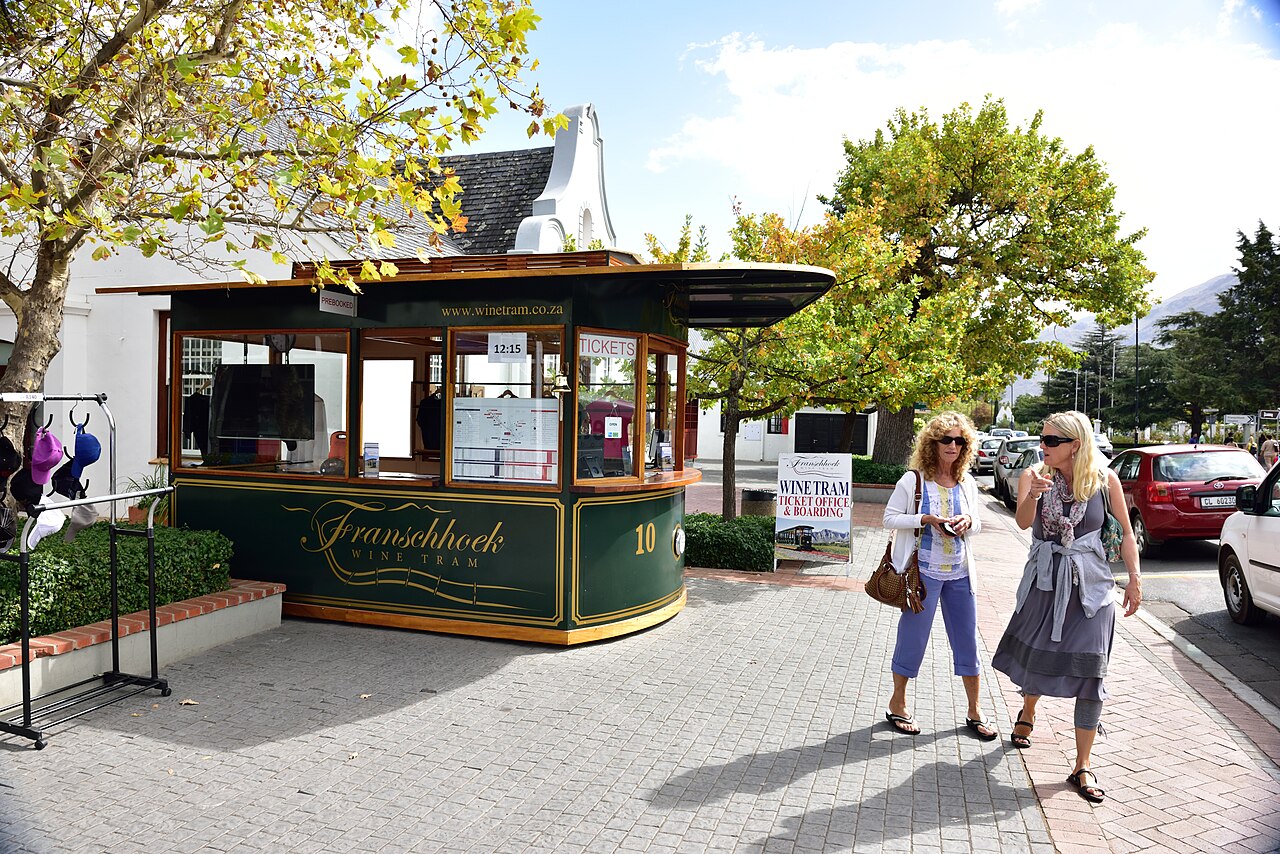
Cape Town
Stellenbosch and Franschhoek, among the world’s most beautiful winelands.
 Wine tour
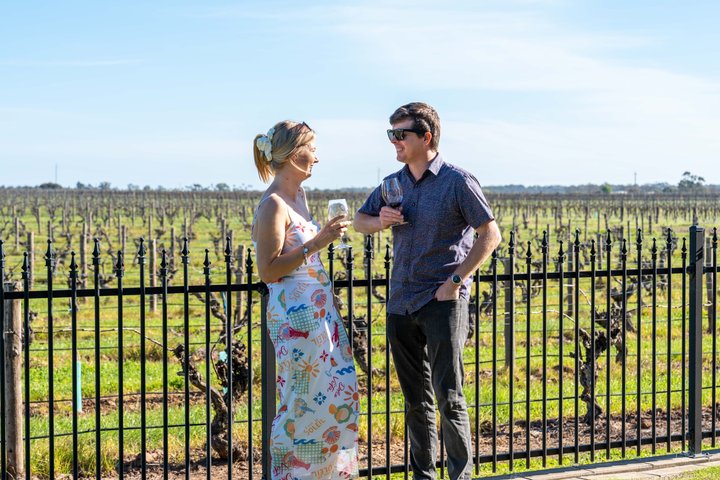
Adelaide & South Australia
The Barossa, McLaren Vale and Adelaide Hills on the doorstep.
 Wine tour
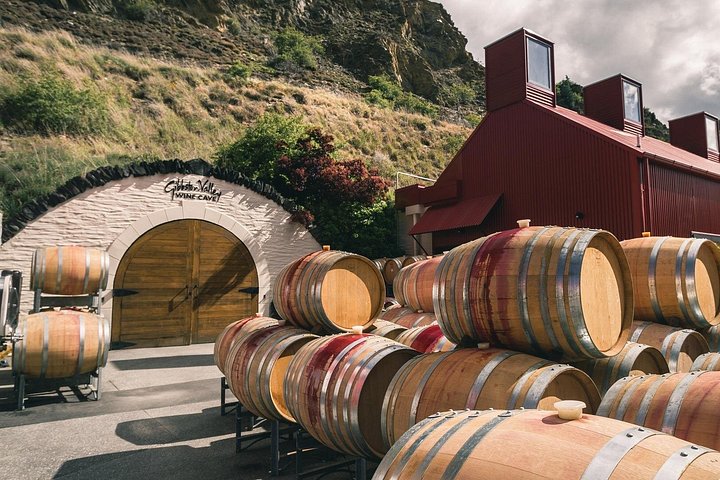
Queenstown
Central Otago Pinot Noir in mountain scenery.
Europe & the Caucasus
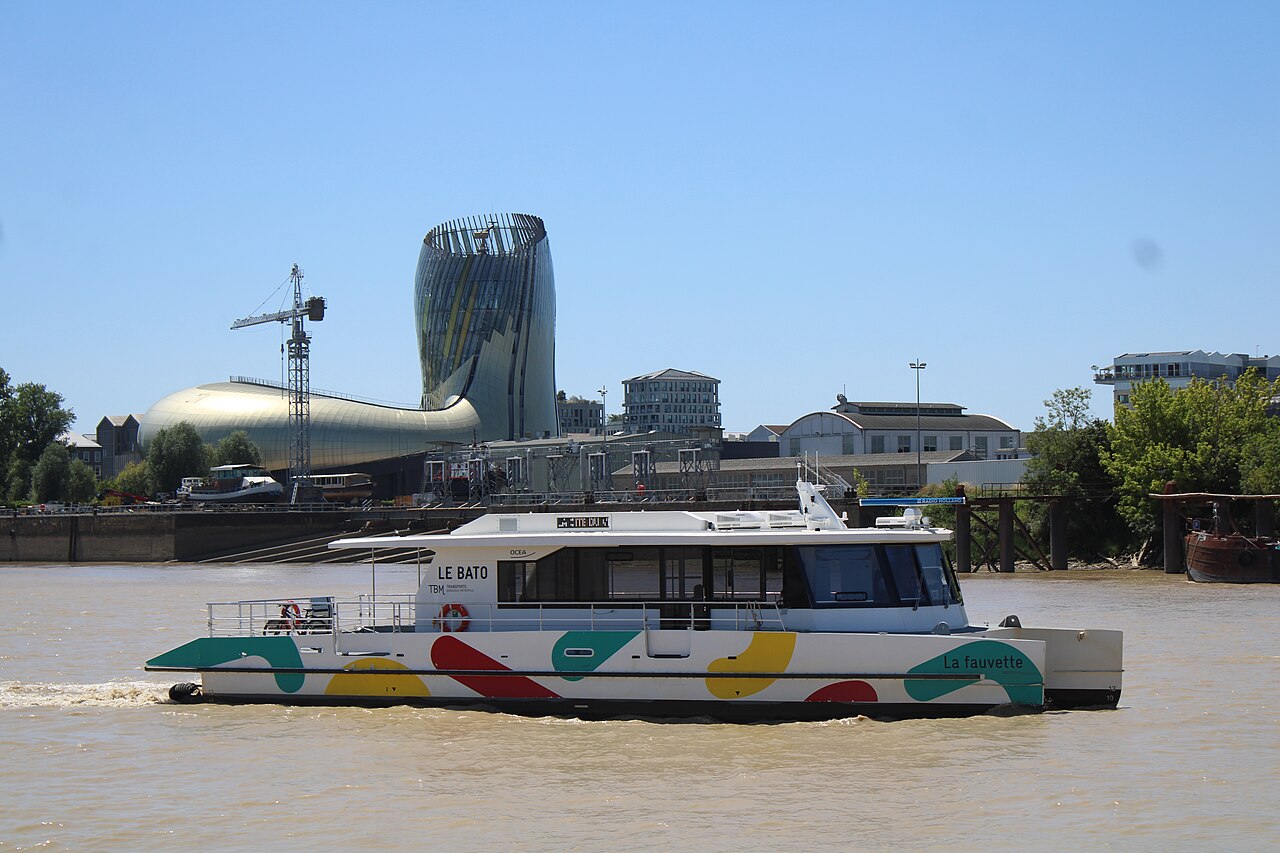 Wine tour
Bordeaux
Châteaux of the Médoc and Saint-Émilion.
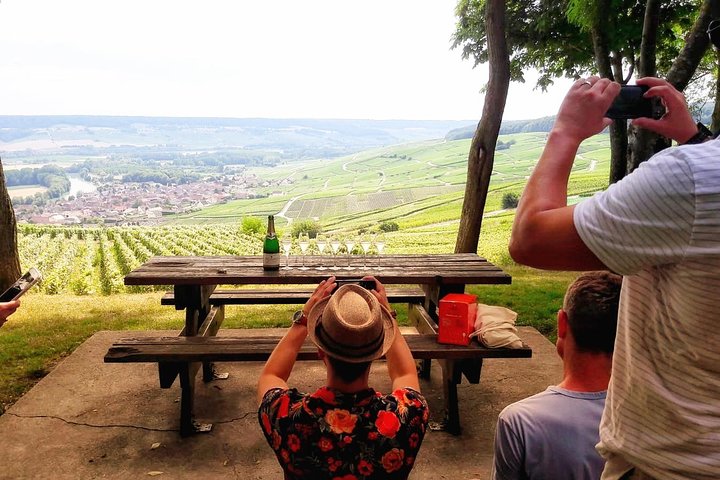 Wine tour
Reims & Champagne
Champagne houses and chalk cellars beneath the city.
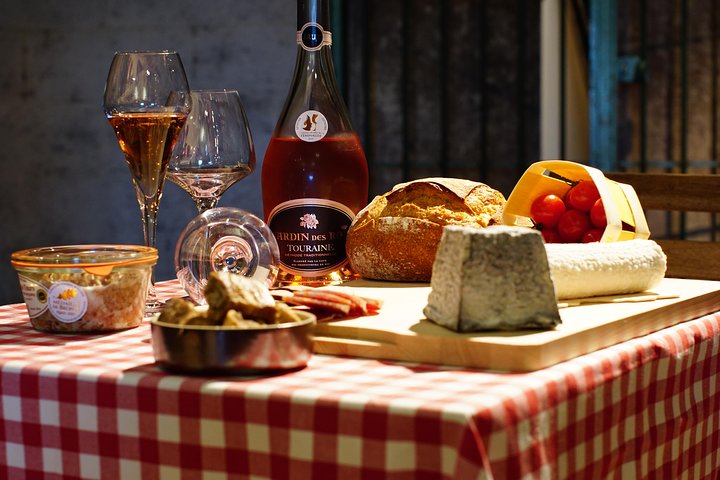 Wine tour
Loire Valley (Tours & Amboise)
Castles and crisp whites along the river.
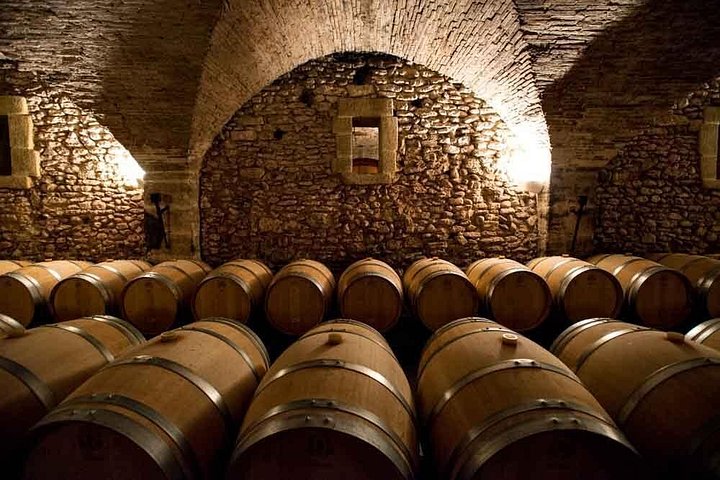 Wine tour
Avignon
The southern Rhône and Châteauneuf-du-Pape.
 Wine tour
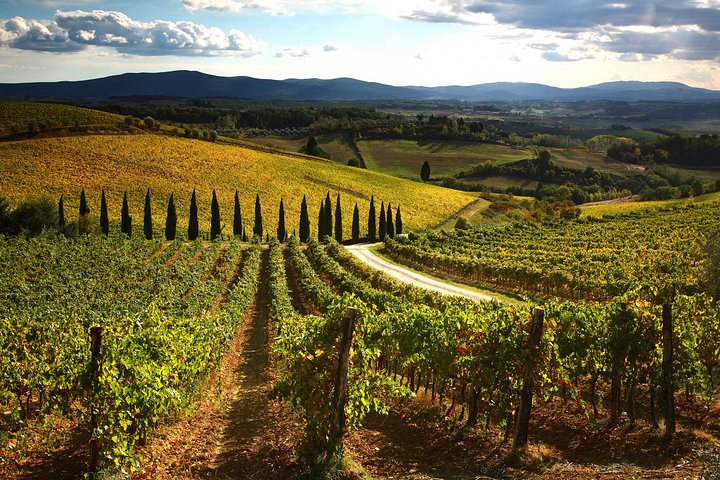
Siena & Tuscany
Chianti, Montalcino and Montepulciano in the Tuscan hills.
 Wine tour
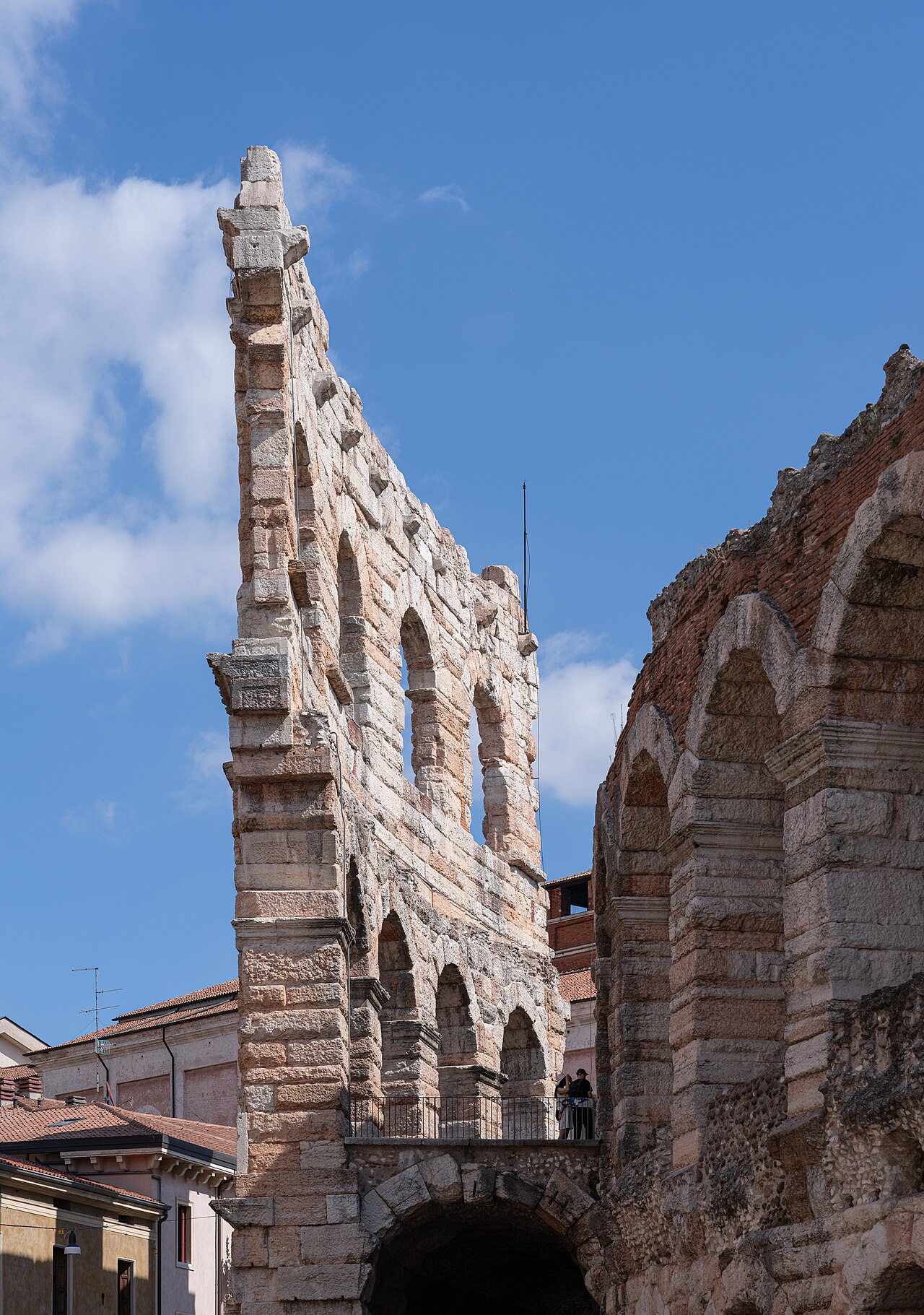
Verona
Valpolicella and Amarone country.
 Wine tour
Porto
Port lodges in town and terraced vineyards up the Douro.
 Wine tour
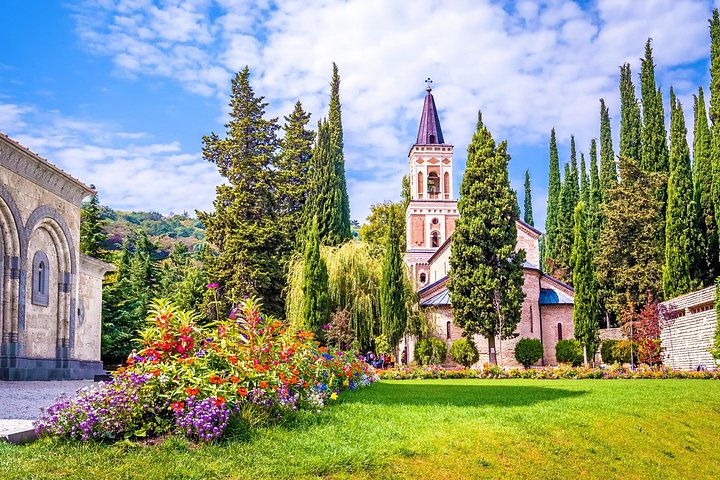
Tbilisi
Kakheti and Georgia’s 8,000-year-old winemaking tradition.
Planning tips
The best wine trips pair a region with a base town you will enjoy even when you are not tasting, and the list here has plenty of them. Napa is the famous choice and suits first-timers who want grand estates and polished service. Paso Robles, Santa Barbara and the Temecula Valley near Riverside are more relaxed and easier from the big coastal cities. Kelowna, Prince Edward County, the Finger Lakes near Corning and the Traverse City peninsulas appeal to travellers who like lakes and cool-climate whites and Pinot Noir with their scenery.
Further afield, Mendoza is the place for Malbec with the Andes as a backdrop, and Santiago makes day trips to the Maipo and Casablanca valleys easy. Cape Town puts Stellenbosch and Franschhoek within an hour or so, with some of the loveliest winelands anywhere. Adelaide gives access to the Barossa, McLaren Vale and the Adelaide Hills, and Queenstown to Central Otago. In Europe, Bordeaux and Reims are for people who want the great names, Siena and Verona for those who prefer food and history alongside, Avignon and the Loire Valley for relaxed countryside, and Porto and Tbilisi for something with more character and a lower profile.
Harvest, usually late summer into autumn depending on the hemisphere, is atmospheric and busy, so book early if you want to go then. Spring and early summer are lovely too, with green vines and fewer crowds. Plan on three or four nights in a region, with no more than two or three tastings a day, so you can enjoy each one and still eat properly.
Remember that someone has to drive. The best solution is a guided tour, a private driver, a bike or a walking route, and many regions have all of these. Book popular tasting rooms ahead, since many in Napa, Bordeaux and Tuscany only accept appointments. Do not try to cover too much ground, because winding roads and long lunches take time. Ask about shipping if you want to take bottles home, as airline and customs rules vary.
Questions
When is the best time to visit wine regions?+
Late summer to autumn is the harvest season, which is exciting but busy and often more expensive for hotels. Spring and early summer offer pleasant weather, green vines and quieter tasting rooms. Remember that seasons are reversed south of the equator, so harvest in Mendoza, Stellenbosch and the Barossa falls in the first months of the year.
How many days do I need for a wine trip?+
Three to four nights is a good length for one region, allowing for two or three tastings a day and time to enjoy the food and scenery. A long weekend can work if you pick a compact area, such as Napa, Stellenbosch or the Douro. Longer stays suit big regions like Tuscany or Bordeaux.
Do I need to book wine tastings in advance?+
For many famous estates, yes. Wineries in Napa, Bordeaux, Champagne and Tuscany often work by appointment, particularly at harvest and weekends. Other regions, such as Paso Robles or the Barossa, are often more relaxed about walk-ins. If you are booking a tour, the operator usually arranges the visits for you.
How do I get around wine regions if I am drinking?+
Do not drive after tasting. Join a guided tour, hire a driver, use local taxis, or choose a region where cycling or walking between wineries is practical. Many bases, such as Porto, Reims and Stellenbosch, have easy tour options. If you do have a car, nominate a driver or limit yourself to small tastes.