Travel ideas
Desert adventures
Sand dunes at sunrise, camel treks and some of the darkest skies on Earth. The world’s great deserts, and the towns to start from.
Desert temperatures swing hard between day and night. Carry plenty of water and avoid the hottest months.
Africa & the Middle East
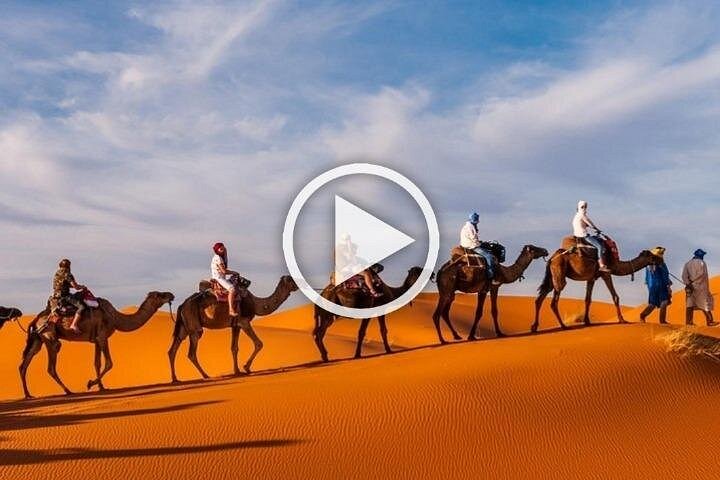
MoroccoMerzouga & the Sahara
Overnight camel treks into the Sahara’s Erg Chebbi dunes.
 Jordan
Aqaba & Wadi Rum
The base for Wadi Rum’s red desert.
 United Arab Emirates
Dubai
Dune bashing, falcons and desert camps.
 Namibia
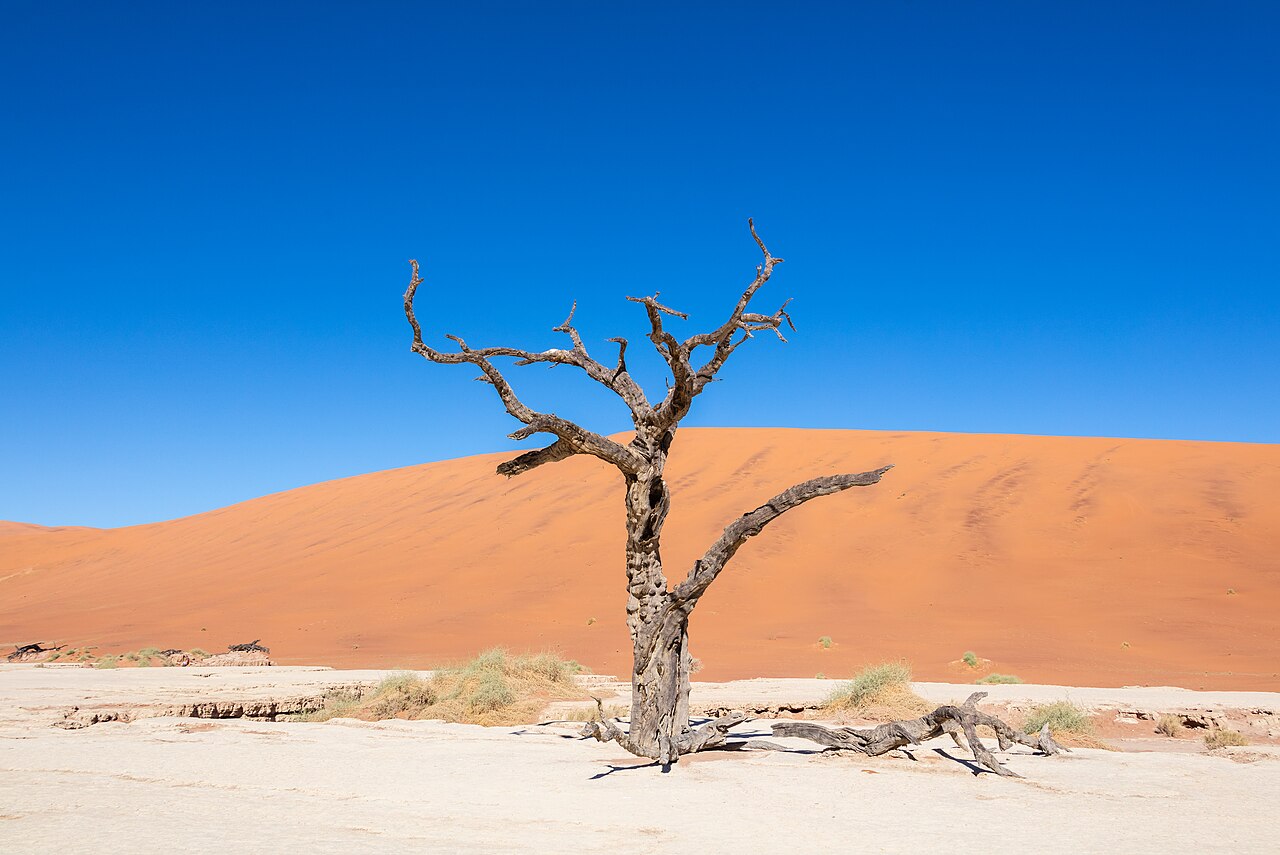
 (Windhoek & Swakopmund)
The towering red dunes of Sossusvlei.
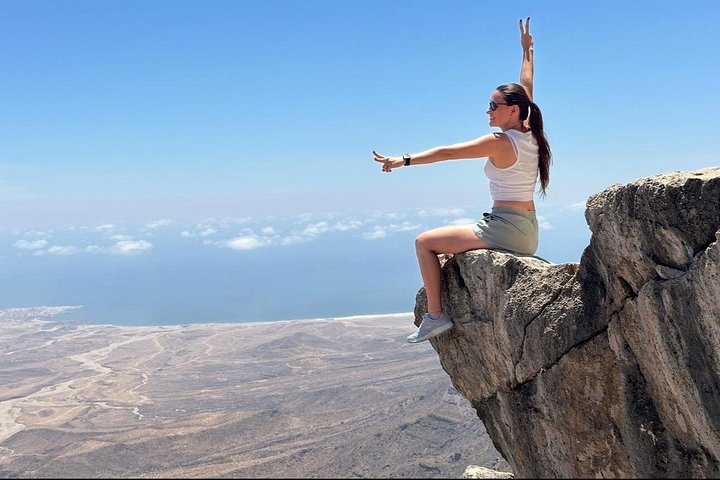 Oman
Salalah & Dhofar
Oman’s Empty Quarter and frankincense trees.
The Americas
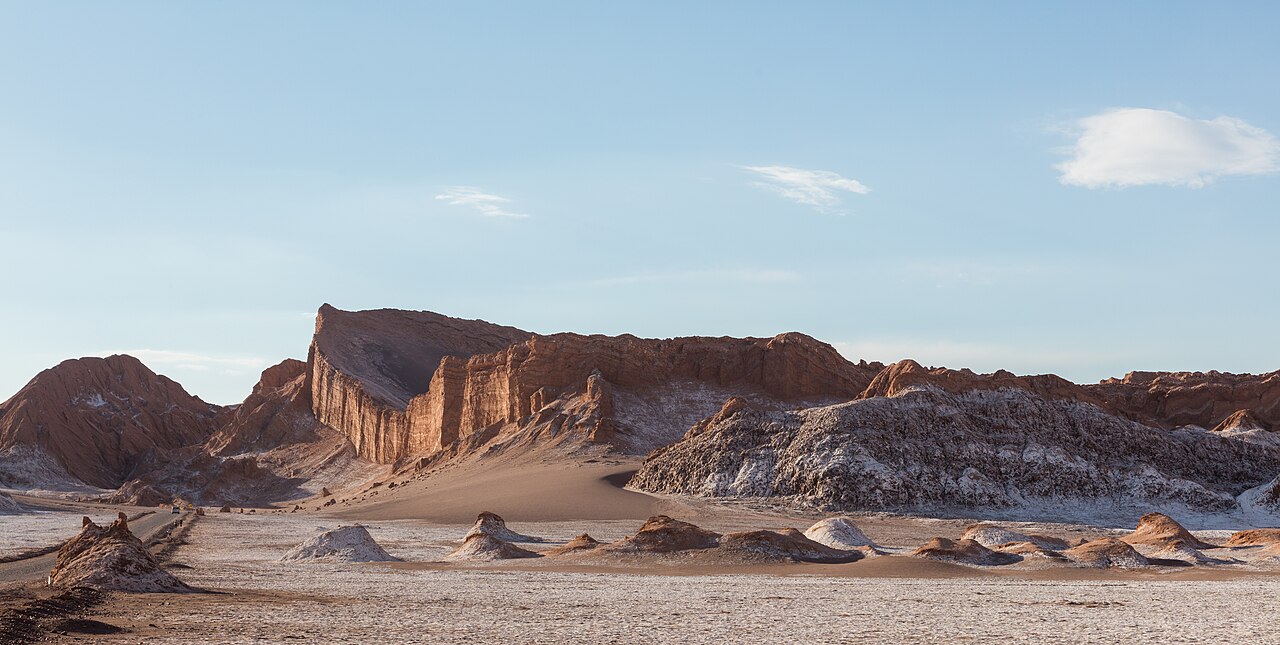 Chile
San Pedro de Atacama
Salt lakes, geysers and the world’s clearest night skies.
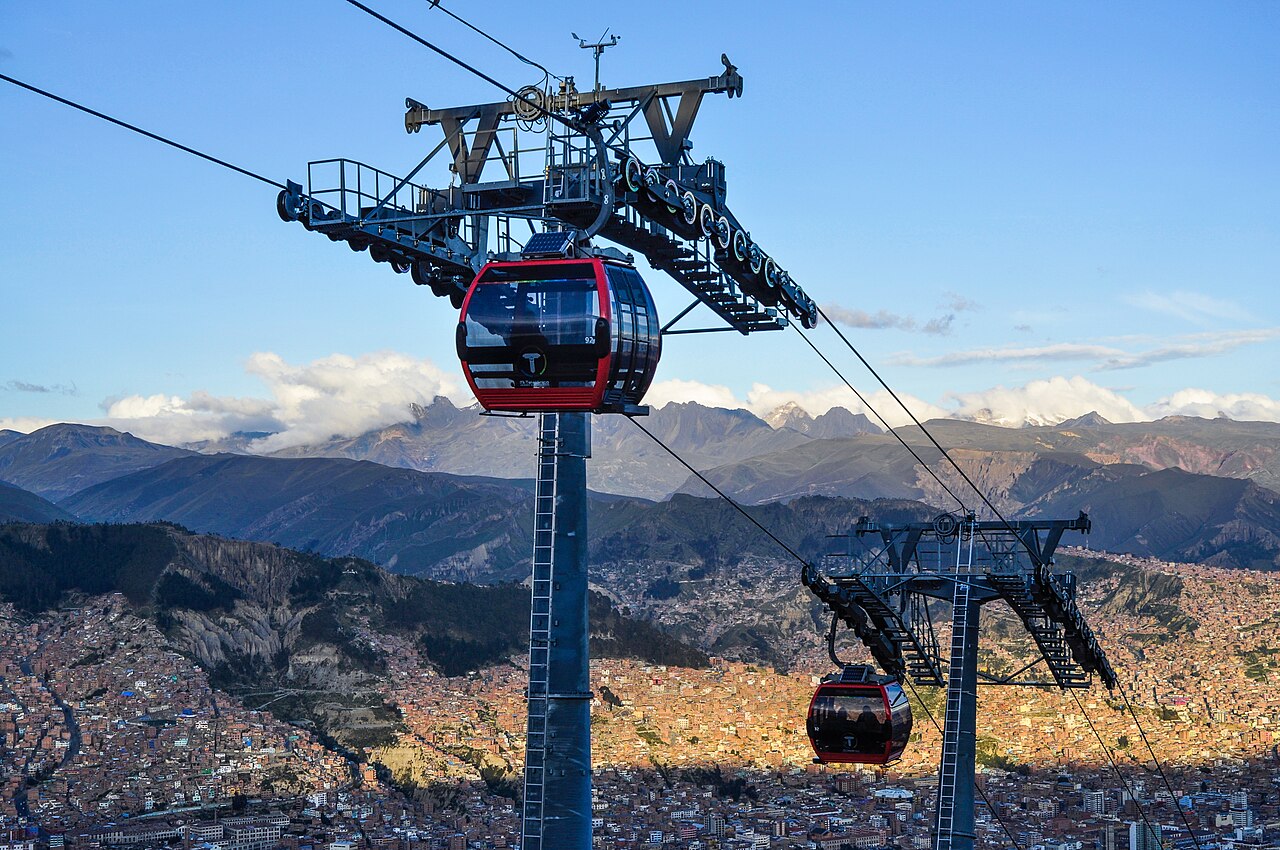 Bolivia
 (La Paz & Uyuni)
The vast salt flats of Uyuni.
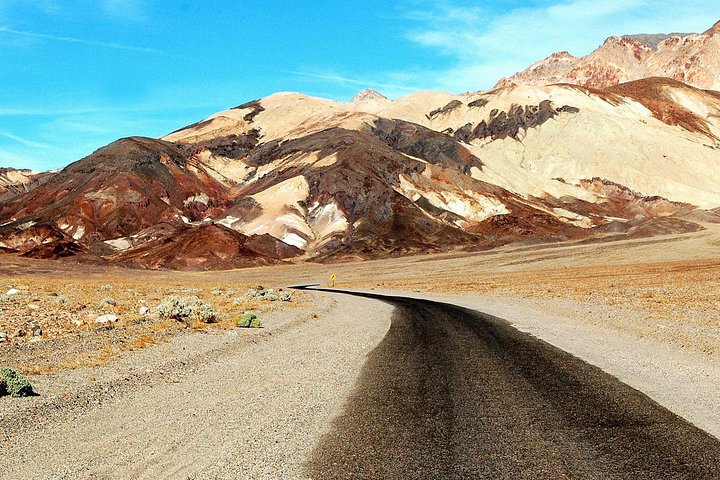 United States
Death Valley
Dunes, badlands and the hottest place on Earth.
 United States
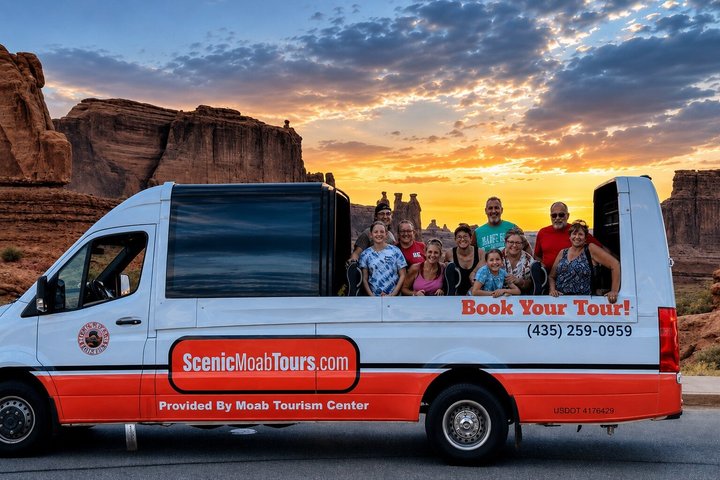
Arches & Canyonlands (Moab)
Red-rock arches and canyons.
 United States
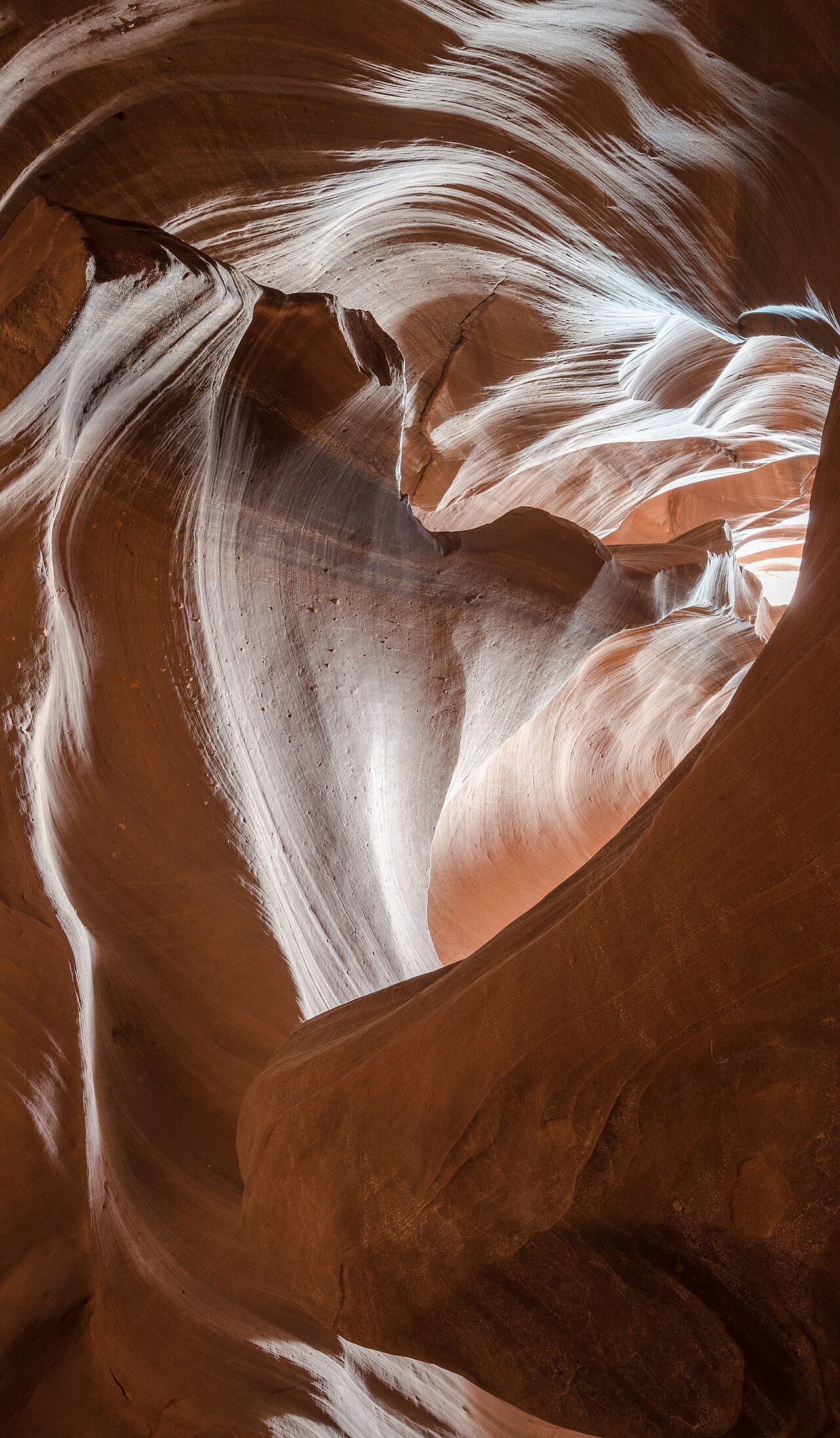
Antelope Canyon
Slot canyons carved by flash floods.
Asia & Australia
Planning tips
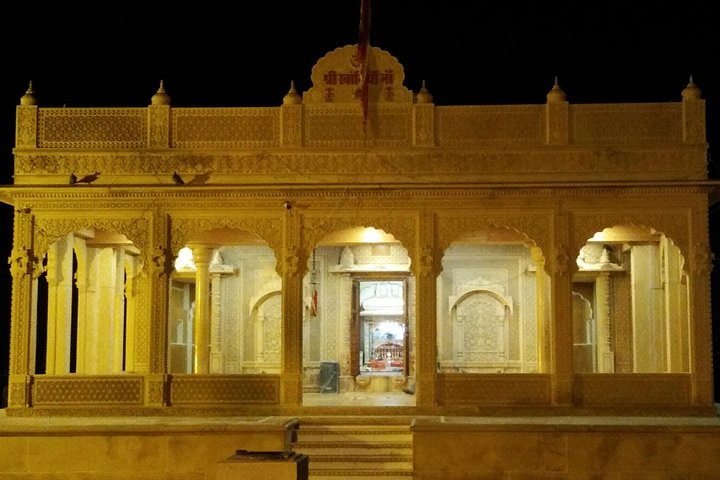
Deserts reward a clear idea of what you want to do. For classic camel treks and a night in a dune camp, Merzouga in Morocco and Jaisalmer in India are the traditional starting points, and both suit travellers who want culture alongside sand. Wadi Rum, reached from Aqaba, is a good fit for jeep tours, scrambling and sleeping in a Bedouin-style camp, while Dubai offers the easiest and most comfortable version, with desert camps a short drive from the city.
Namibia's Sossusvlei is for photographers and road-trippers who like towering red dunes at dawn, and it works best as part of a longer self-drive. Salalah gives you a quieter route towards Oman's Empty Quarter. In the Americas, San Pedro de Atacama and the Bolivian salt flats of Uyuni belong together as a high-altitude adventure, ideal for stargazers and landscape lovers. Death Valley, Moab and Antelope Canyon are best for road trips, short hikes and big skies, and Antelope Canyon is usually visited on a guided tour.
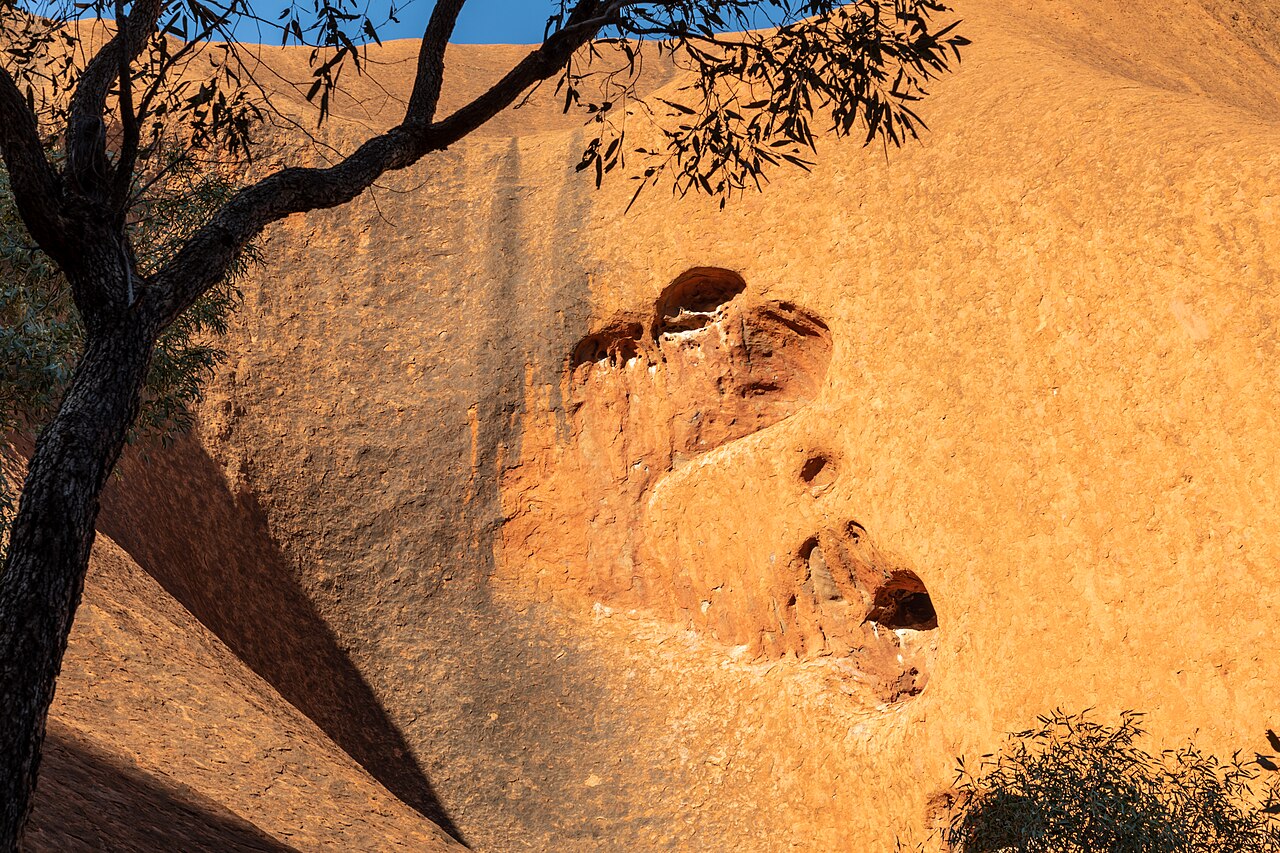
Uluru anchors Australia's red centre, and Ulaanbaatar is the gateway to the Gobi, which suits travellers who enjoy long overland journeys and nomadic hospitality.
Season is the biggest planning factor. Most hot deserts are far more pleasant in their cooler months, usually winter or the shoulder seasons, when days are warm rather than punishing and nights can be properly cold. Avoid the peak of summer in places like Death Valley, the Sahara or the Arabian Peninsula. Cold deserts such as the Gobi have their own short window in the warmer months. Two to four nights is plenty for most desert bases, longer if you are driving between sights. Book camps and tours with operators who include water, a guide and a safety briefing, and ask how many people share each vehicle. Pack layers, a hat, sunglasses, sunscreen and a scarf for wind and dust. A common mistake is underestimating distances and driving after dark, when wildlife and unmarked tracks become a hazard. Allow for sunrise starts, because the light and the temperature are both best early.
Questions
When is the best time to visit the desert?+
The cooler months are usually best for hot deserts, typically winter and the shoulder seasons, when daytime temperatures are comfortable for walking and camping. Summer can be dangerously hot in places like Death Valley and the Sahara. Cold deserts such as the Gobi are better in the warmer months. Always check the typical conditions for your specific destination before you book.
How many days do I need in the desert?+
Two to three nights is enough for most desert bases, such as Merzouga, Wadi Rum or Jaisalmer, covering a dune trek, a night under the stars and time to explore. If you are driving between sights, as in Namibia, the American Southwest or Bolivia, allow a week or more so you are not rushing long distances.
Do I need a guide to visit the desert?+
For dunes, remote tracks and camel treks, yes, it is strongly advised. Guides know the terrain, the weather and where to find shelter, and they make navigation and emergencies far safer. Some places, such as Antelope Canyon, can only be entered with an authorised guide. Road-trip areas like Moab and Death Valley are fine independently with preparation.
Is a desert camp comfortable to sleep in?+
It can be, but expect a simple setting. Camps range from basic tents with shared facilities to well-appointed camps with proper beds and private bathrooms, so check what your booking includes. Nights are often cold even after hot days, so bring warm layers. The reward is a sky full of stars that is hard to see from a city.