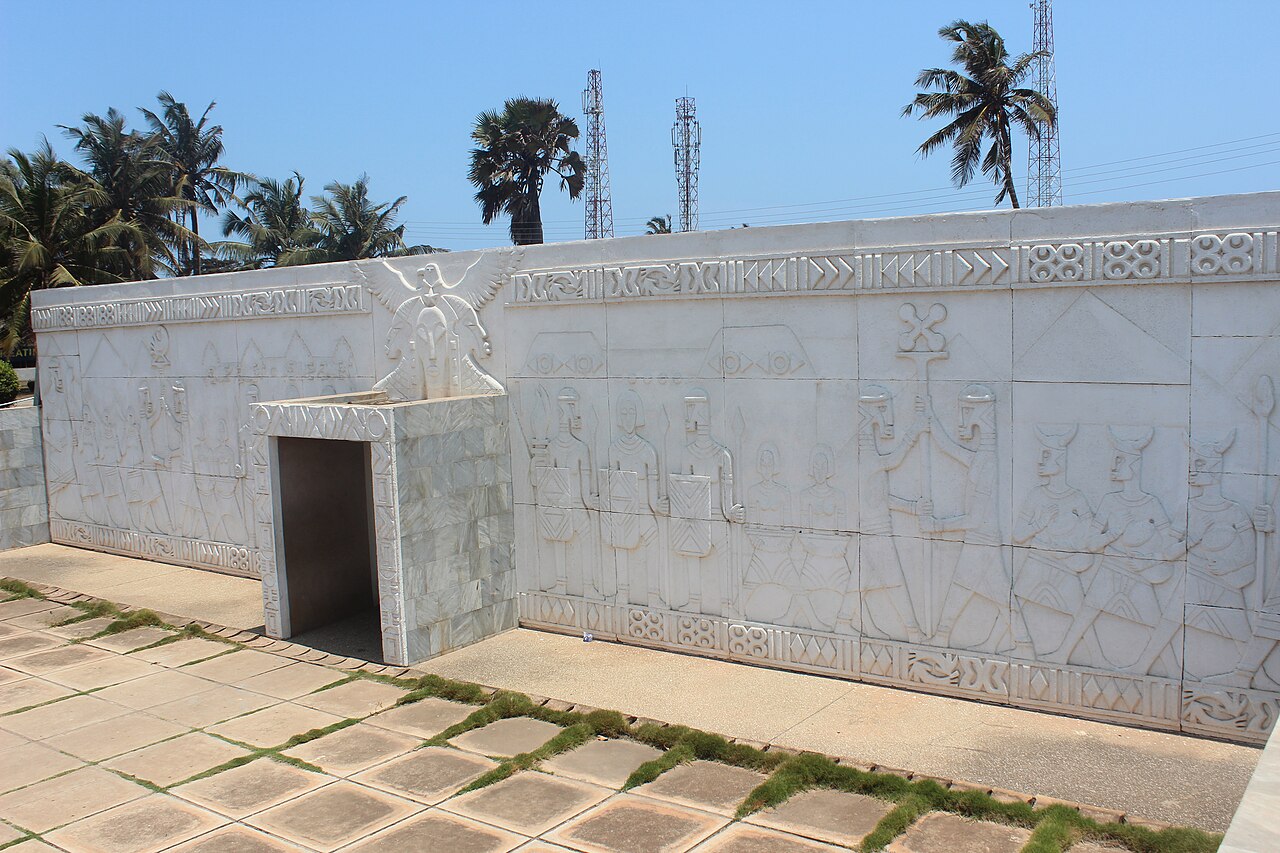
Accra and the coast to its west hold one of the most important heritage landscapes in Africa. For many visitors, especially those with roots in the Americas and the Caribbean, a trip to Ghana is both a holiday and a return. This guide sets out a trail that links the story of independence with the story of the Atlantic slave trade, and gives practical advice for travelling with respect and with enough time to take it in.
Start with independence
Begin in the capital with Kwame Nkrumah Memorial Park and Independence Square, where the 1957 declaration took place and where the Pan-African ideas that drew many Black Americans to Ghana in the 1950s and 1960s are explained. The W.E.B. Du Bois Centre, in the quiet Cantonments district, adds the story of the scholar who settled in Accra at the end of his life. Allow a morning for these sights, and read a short account of the independence struggle beforehand so the displays have context.
Walk the old coast at Jamestown and Osu
The forts of Accra, among them James Fort in Jamestown and Osu Castle, once served the trade in gold and people. Today Jamestown is a living fishing community, and a walking tour with a local guide brings its history and its present together. Access to the forts can be limited because of restoration work, so check the current position with your guide before you plan the day, and treat the area as a neighbourhood where people live and work.
Travel west to the castles
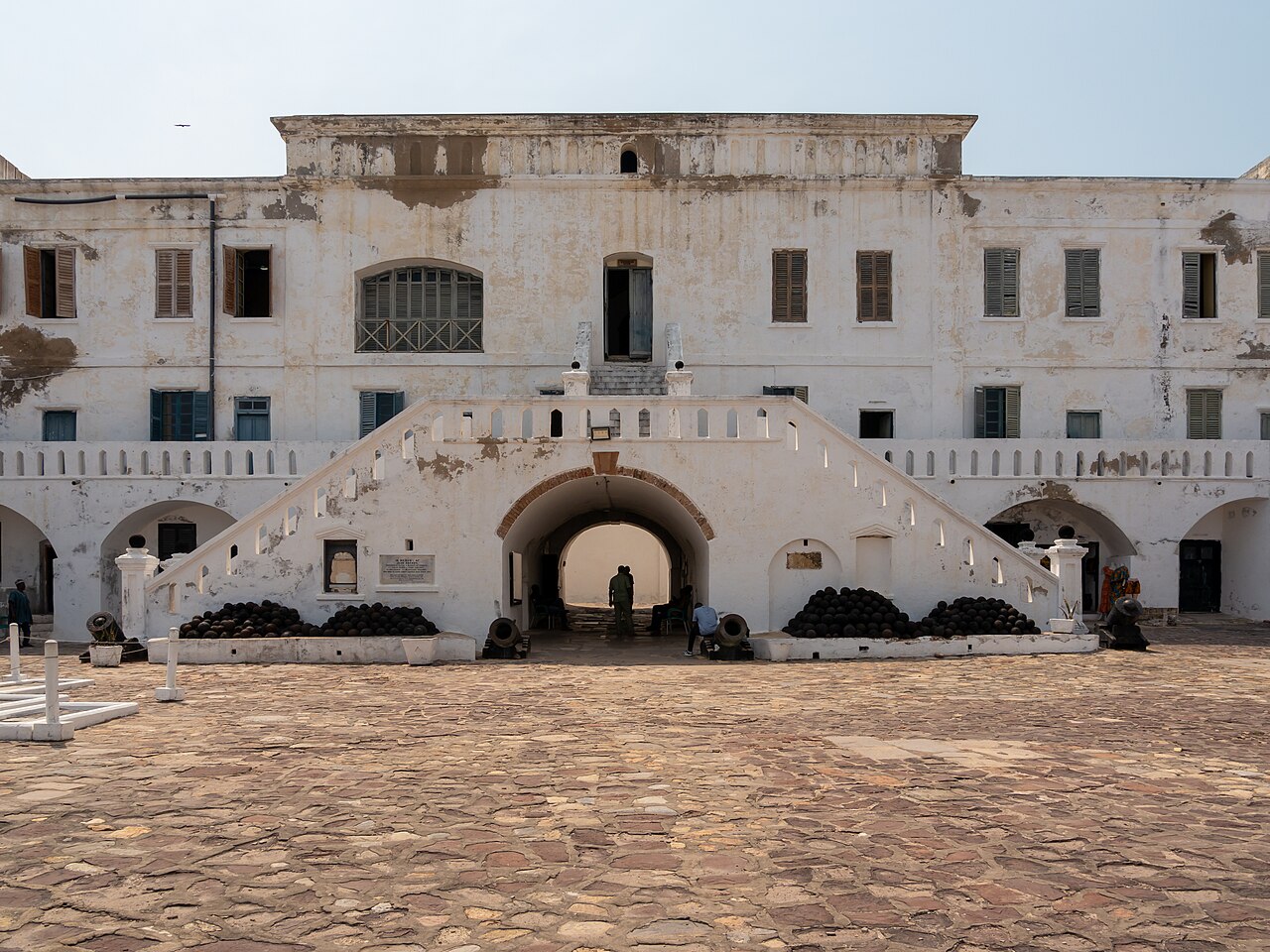
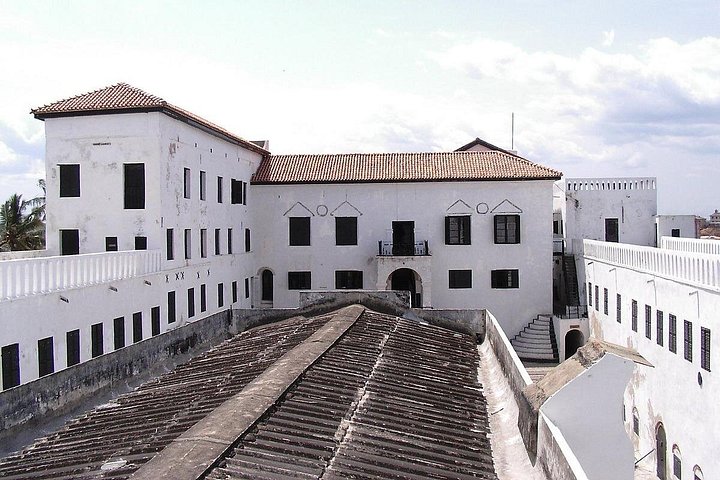
Cape Coast Castle and Elmina Castle, about two to three hours from Accra, are the central sites of the trail. Guided tours lead through the dungeons, courtyards and the Door of No Return, and the guides speak plainly about what happened here. The experience is heavy, and many travellers find it helps to go with a small group, to avoid cramming other stops into the same day and to allow quiet time afterwards. The nearby Kakum canopy walk offers a change of mood and is a popular afternoon addition for those who want fresh air after the castles.
Assin Manso and the last bath
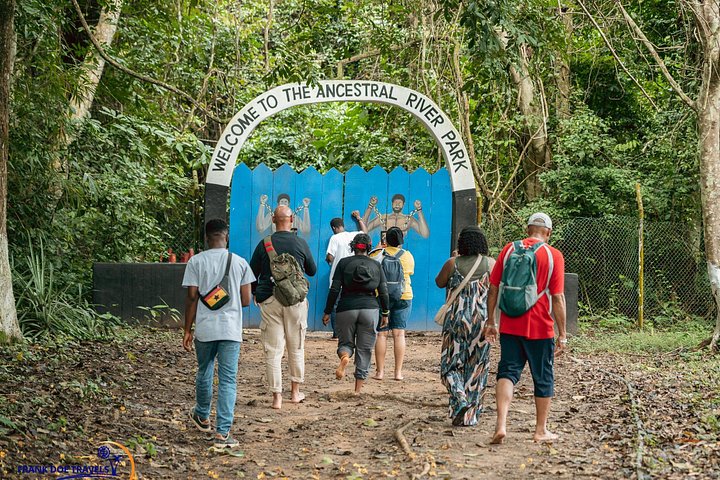
Inland from Cape Coast, Assin Manso is the site where captives were washed in the river before the last march to the coast. A memorial and burial site have been established, and an annual Emancipation Day event brings many visitors in late July and August. Visit with a guide who can explain the site, dress modestly and keep your voice low. Some visitors choose to leave flowers or pour a libation, and guides can advise on what is appropriate.
Naming ceremonies and cultural connection
Several operators offer traditional naming ceremonies for people of African descent, in which a family or elder gives a Ghanaian name according to the day of birth. Ask how the ceremony is run, who benefits and whether the community is involved, so that your visit supports local people rather than a performance. Drumming and dance lessons, bead workshops and cooking classes offer a more everyday way to connect with Ghanaian culture, and they give your trip a positive counterpoint to the heavy sites.
Plan the pace
A good order is independence sights on day one, Jamestown and the markets on day two, and the castles and Assin Manso on day three, with a rest day afterwards. If you have a week, add Kumasi to learn about the Ashanti kingdom, which sits at the other end of the story from the coast. Travelling in a group, with family or with a guide you trust is often more rewarding than going alone.
Practical tips
Book a licensed guide for the castles, since the interpretation is part of the visit. Carry water and sun protection, wear light clothes that cover shoulders and knees, and bring a notebook if you like to record your thoughts. Be cautious about photography inside the dungeons and at Assin Manso, and ask before taking pictures of people. Check for diaspora festivals and anniversaries, which can add events but also crowds, and book hotels and tours early in those periods. Take time afterwards to eat well, rest and talk with others, as many visitors find this sort of journey stays with them long after they return home.