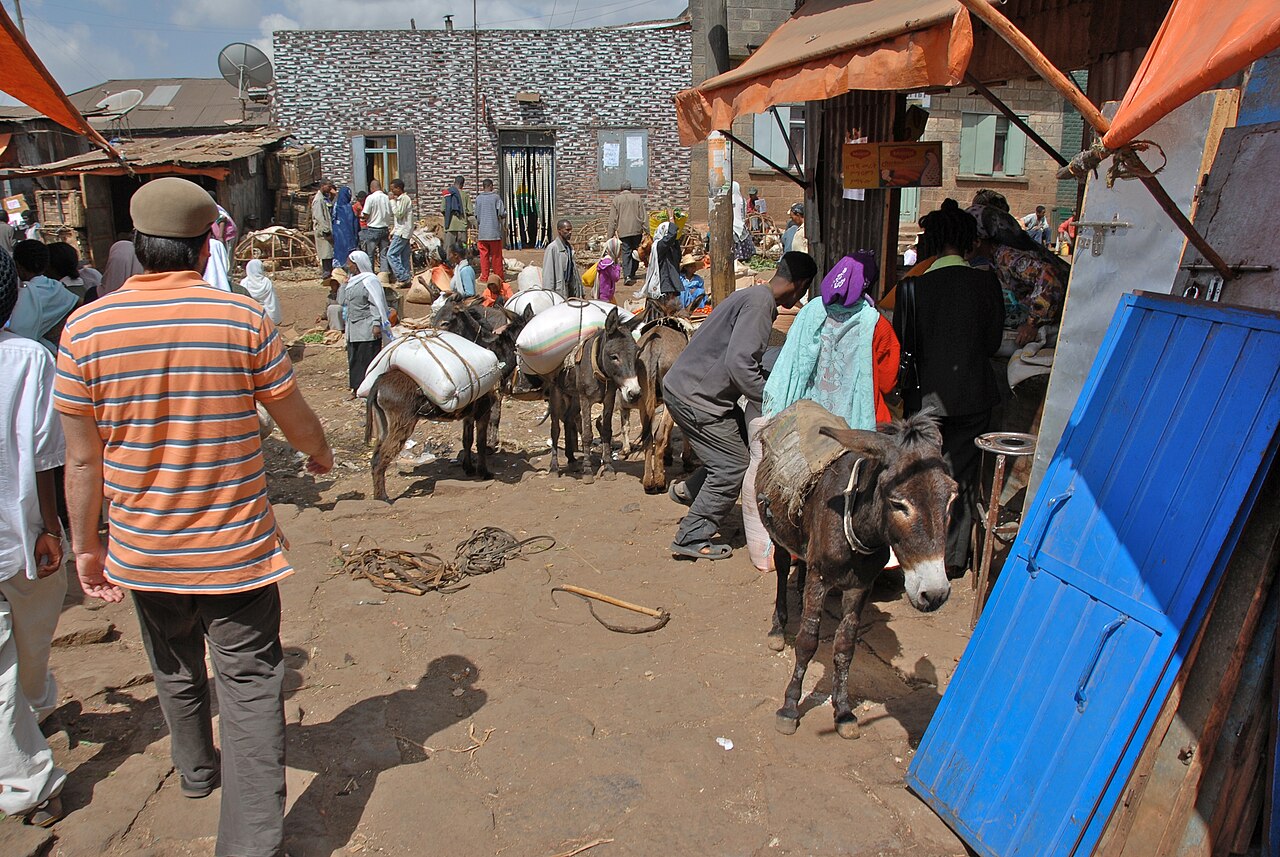
Pottery has been part of Ethiopian life for centuries, from the clay coffee pot called a jebena that sits at the centre of every coffee ceremony to the flat clay griddle used to bake injera. An experience that pairs local life with pottery takes you beyond the monuments and into the craft traditions that shape daily routines. A local host introduces you to the people behind the work, explains how clay is shaped, fired and finished and lets you see why these objects matter. Alongside the craft, you spend time in the neighbourhood itself, noticing how people shop, eat, gather and work. It is a gentle, human-scale way to understand Addis Ababa, and it leaves you with something concrete to take home, whether a small piece of pottery or simply a clearer idea of how Ethiopians live.
Why pottery matters
Ethiopian households rely on clay for essentials. The jebena, with its round base, slender neck and spout, is designed for brewing coffee over coals, and it is brought out for the coffee ceremony that marks hospitality, friendship and celebration. The mitad, a broad clay or metal plate, is used to cook injera, and clay pots are also used for stews and storing water. Traditional potters, historically often women in rural communities, have passed techniques down through generations, and the shapes and decoration often vary by region.
What the experience may involve
The details differ by operator, so check them when you book, but an outing like this commonly includes a guided visit to a place where pottery is made or sold, a chance to watch skilled hands at work and, in some cases, to try shaping clay yourself. It may be combined with time in a local neighbourhood, a coffee ceremony or a simple meal. Your host can explain what to look for if you want to buy pieces, how to judge quality and what is practical to carry home on a flight.
Practical points
Pottery is fragile, so ask about packing and about airline baggage rules before you buy. Wear clothes that you do not mind getting a little dusty if there is a hands-on element, and bring cash for purchases because many small workshops do not take cards. Be respectful when taking photographs and ask before photographing people at work. Choose a morning slot for cooler weather, and carry water, as the highland sun is strong and the altitude of about 2,355 metres can make you tire sooner than expected.
Who it suits
Curious travellers, couples, families with older children and anyone who prefers experiences with a human connection over ticking off landmarks. It also supports craftspeople directly, since your visit and purchases contribute to their income. Pair it with a coffee ceremony to see your new jebena in action, or with a market visit to explore the wider craft and textile scene. If you are short of time, it fits comfortably into a half day and leaves room for a museum or a meal later.
Good to know
If you buy a jebena to use at home, ask the maker how to season it before the first brew and how to clean it, since clay pots need gentle treatment. A small set of cups is often sold alongside it.
What to expect
The experience
A guided outing combining neighbourhood life with traditional pottery.
Best time
Morning, for cooler weather and good light.
How long
Around half a day; check the operator for the schedule.
Tips
Bring cash for purchases, ask about packing fragile items and ask before photographing people.
Quick picks
- Best for
- Curious travellers who like hands-on cultural experiences.
- Families
- Good for older children who enjoy crafts.
- Couples
- A quiet, personal way to see the city.
- Pair with
- A coffee ceremony to see a jebena in use.
- Time needed
- A half day.
Good questions
What is a jebena?+
A round-bottomed clay pot with a narrow neck and spout, used to brew coffee in the traditional ceremony.
Can I try making pottery?+
Some operators include a hands-on element. Check what is included when you book.
Can I buy pottery to take home?+
Usually yes, but pottery is fragile, so ask about packing and airline baggage rules.
Do I need to bring cash?+
Yes. Small workshops often do not accept cards.
Is it suitable for children?+
Older children who enjoy crafts usually do well. Check age rules with the operator.