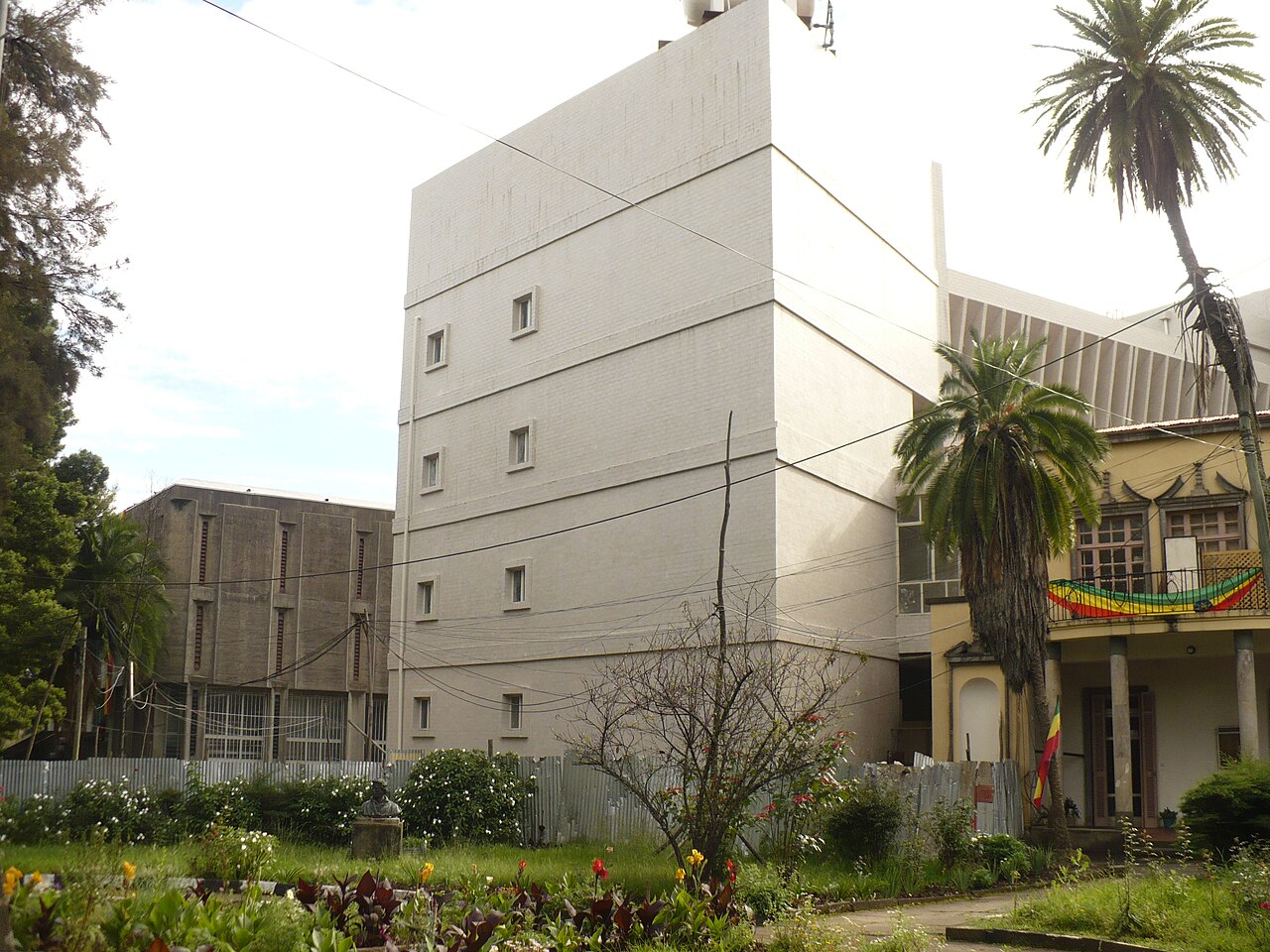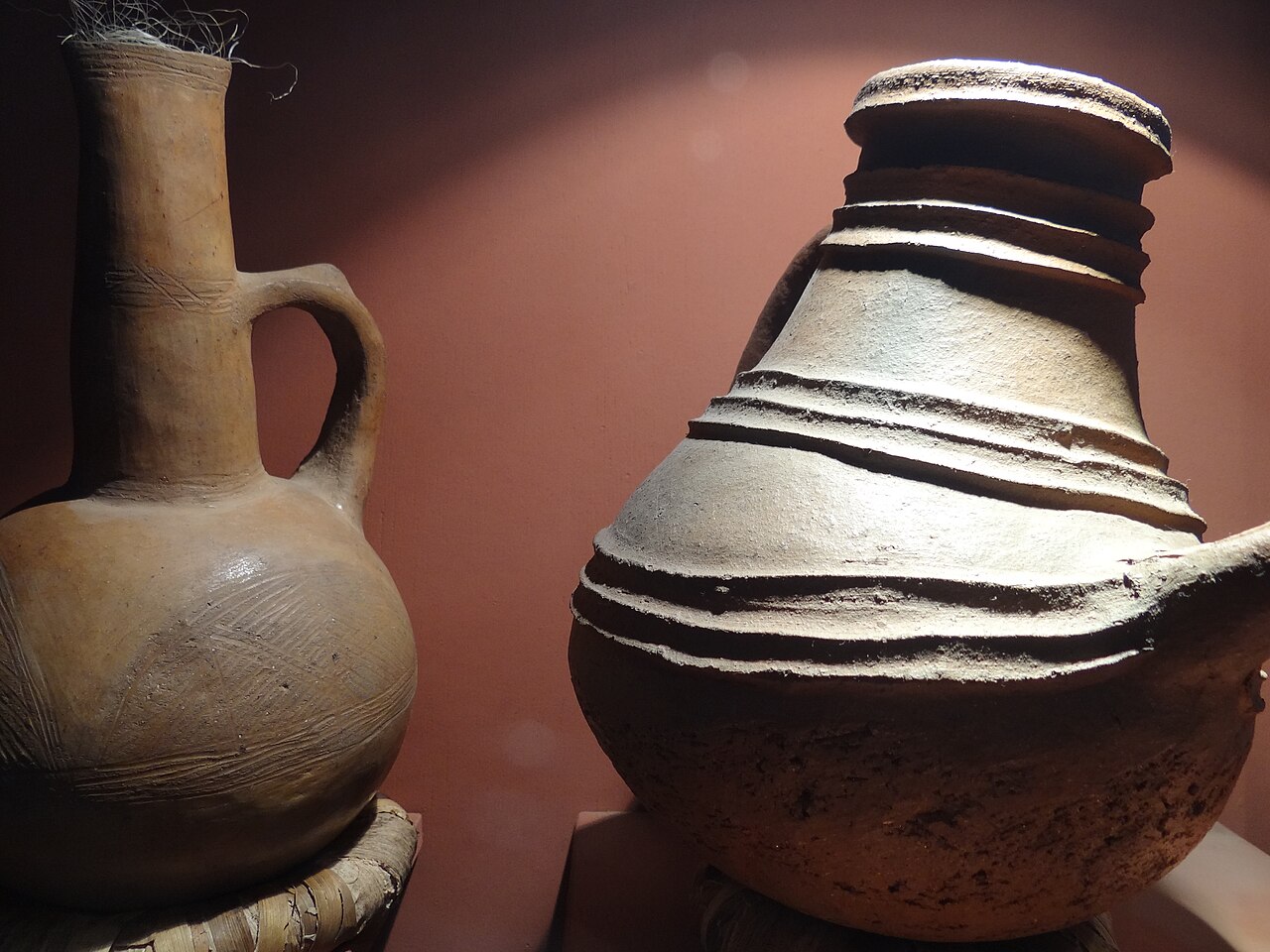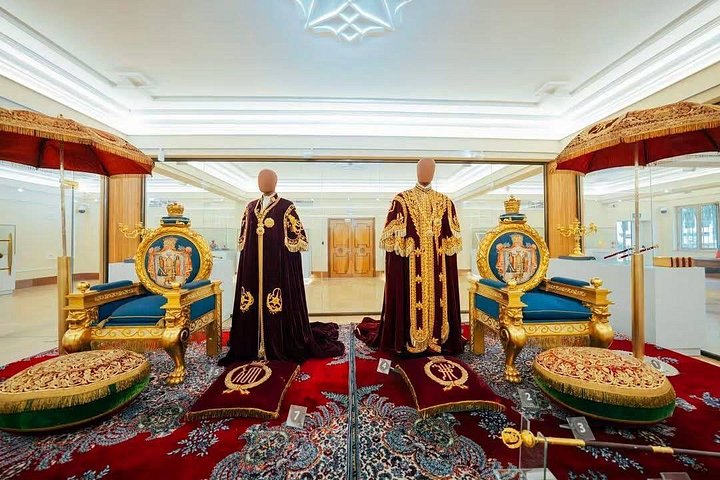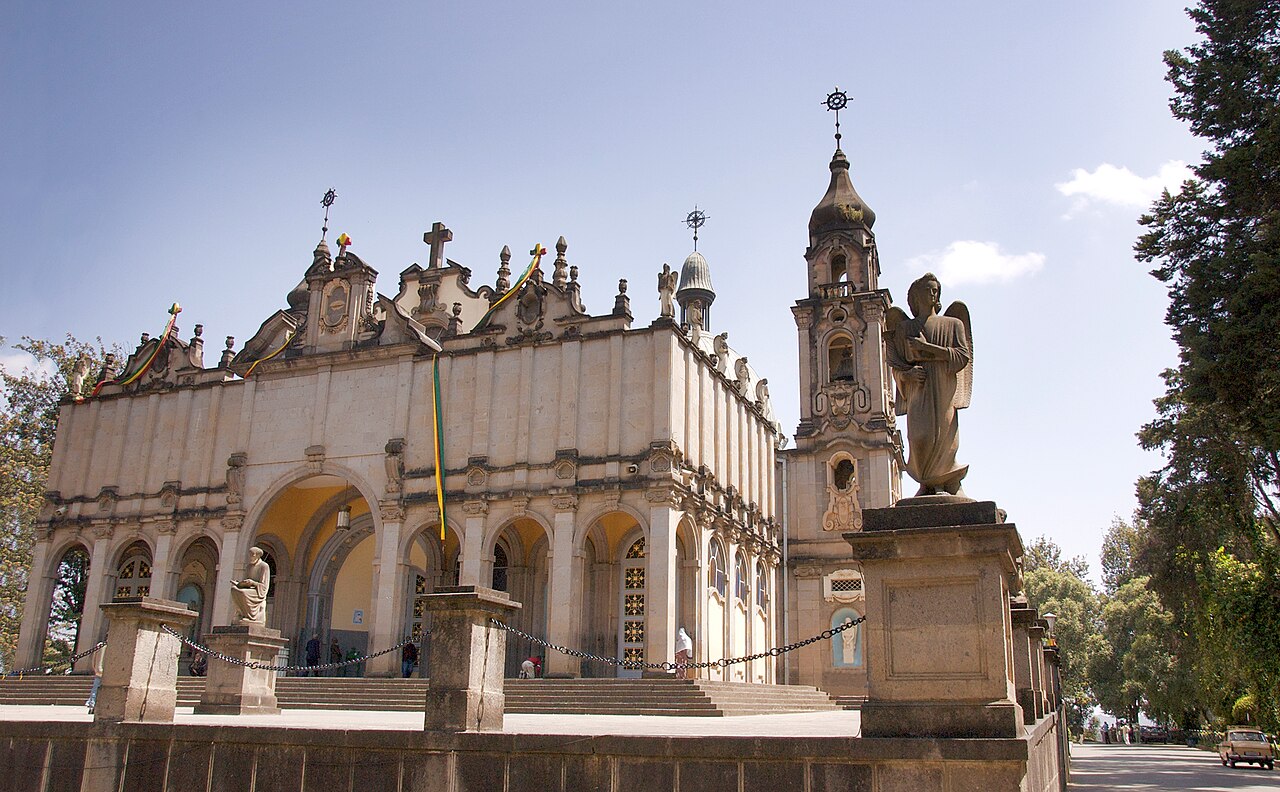
Holy Trinity Cathedral, known in Amharic as Kidist Selassie, is the most important church in the capital for history lovers. It was built in the years after Ethiopia’s liberation from Italian occupation as a monument of thanksgiving, and it is where Emperor Haile Selassie and Empress Menen are buried, in carved stone tombs inside the building. The grounds also hold the graves of patriots who resisted the occupation and of other notable figures, and a small museum displays crowns, robes, religious manuscripts and objects from the imperial period. The interior is richly decorated with murals and stained glass, and the cathedral is still a working church, so services, singing and incense are part of the atmosphere. Dress modestly and be ready to remove your shoes at certain doors. A visit pairs naturally with the National Museum and the Ethnological Museum on the same morning.
What to see
The main nave with its murals and glass, the tombs of Haile Selassie and Empress Menen, the graves in the grounds and the small museum of church treasures. Take time to look at the carved doors and at the clergy and worshippers, who give the place its meaning. If a service is under way, stand quietly at the back and ask before taking photographs.
Visiting practicalities
Foreign visitors normally pay an entrance fee in birr, often with extra charges for the museum or for a camera, and fees and hours can change. Dress conservatively, with covered shoulders and knees, and bring a light scarf if you are unsure. Services on Sundays and religious holidays can be crowded and may limit access to some areas, so a weekday morning is calmer. A taxi or ride-hail car from central hotels is quick outside rush hour.
Making the most of it
The cathedral rewards a slow visit of about an hour, and a guide adds a lot because the symbolism of the murals and the stories behind the graves are easy to miss. Ask respectfully before photographing people, and avoid pointing your camera at the tombs without checking the rules. Combine the cathedral with the National Museum and the Ethnological Museum for a morning of Ethiopian history, then finish with a coffee at one of the city’s cafes.
What to expect
The experience
A self-guided or guided visit to a working Orthodox cathedral, its tombs, grounds and small museum.
Best time
A weekday morning is calmer than Sundays and holy days, when services can limit access.
How long
About an hour.
Tips
Cover shoulders and knees, be ready to remove shoes, ask before photographing people and carry small birr notes.
Quick picks
- Best for
- History lovers and anyone curious about Ethiopian Orthodox Christianity and the last imperial era.
- Families
- Best for older children who can stay quiet and respectful in a working church.
- Couples
- Atmospheric and calm, especially when singing drifts out from a service.
- Pair with
- The National Museum and the Ethnological Museum in the same part of town.
- Time needed
- About one hour.
Good questions
Who is buried at Holy Trinity Cathedral?+
Emperor Haile Selassie and Empress Menen are buried inside the cathedral. The grounds also hold the graves of patriots who resisted the Italian occupation.
What should I wear to visit?+
Dress modestly with covered shoulders and knees, and be ready to remove your shoes at certain doors. A light scarf is useful.
Is the cathedral still used for worship?+
Yes, it is a working church, so services and prayers continue. Visit quietly and ask before taking photographs.
Is there a museum inside?+
A small museum shows crowns, robes, manuscripts and other objects from the imperial and church past. It may carry its own small fee.
When is the best time to go?+
A weekday morning is quietest. Sundays and religious holidays are busy with worshippers and can limit access.