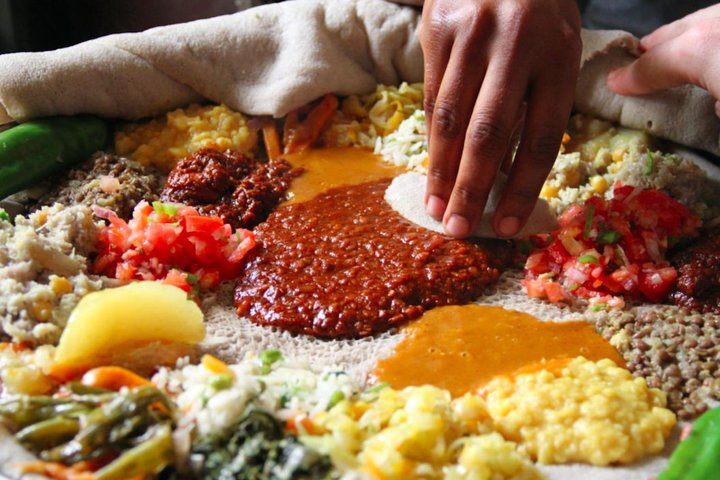
Ethiopian food is one of the great shared cuisines of the world, eaten from a communal platter with your right hand and scooped up with injera, the soft, sour flatbread made from teff. A guided food tour is the best way to meet it, because a local host chooses the places, orders the dishes and explains the etiquette. Expect stews called wat, flavoured with the chilli-and-spice blend berbere, mild alicha dishes, lentil and chickpea fasting food, sizzling tibs and the raw or lightly cooked beef dishes that Ethiopians love. Drinks include the honey wine tej and, of course, coffee, which Ethiopia gave to the world. The tour we link is a guided food tour in Addis Ababa that is highly rated by travellers. Come hungry, tell your guide about any dietary needs in advance, and take the chance to ask about gursha, the custom of feeding someone a bite by hand.
How it works
The tour is run by a local operator and the details, such as the meeting point, the stops, the group size and what is included, are on the booking page, so read it before you book. Tours of this kind normally last a few hours and involve moving between restaurants by car or on foot, with tastings at each stop. Most operators offer vegetarian and fasting options, because Ethiopian Orthodox fasting days produce a wonderful range of meat-free dishes.
What to know about the food
Injera is made from teff, a tiny grain, and is naturally sour. Dishes are usually served on a shared tray, and you eat with your right hand. Berbere gives many dishes real heat, so ask for milder options if you prefer. Kitfo, the minced beef dish served raw or lightly warmed, is a speciality worth trying, and a cooked version is available. Tej is a sweet honey wine. Take care with raw dishes, ice and tap water if you have a sensitive stomach, and ask your guide for advice.
Making the most of it
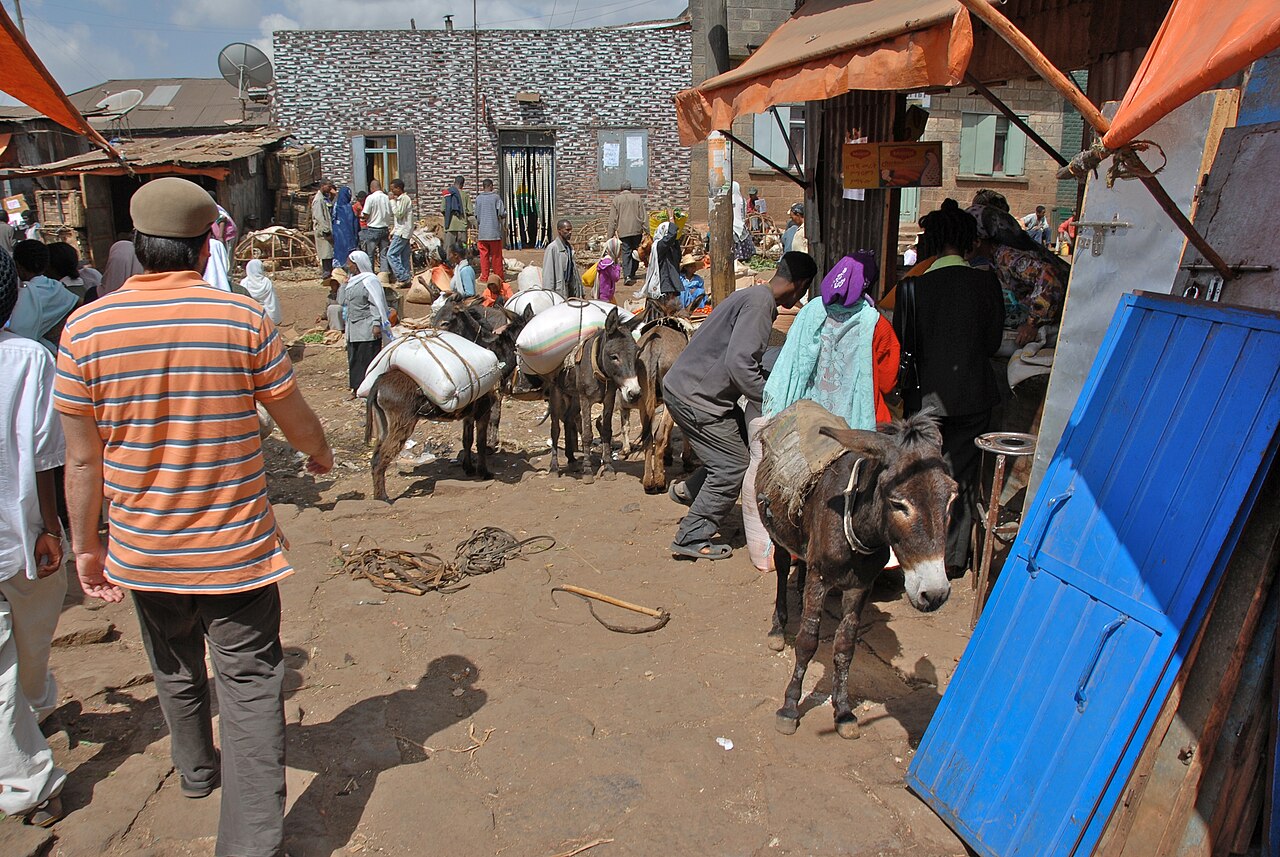
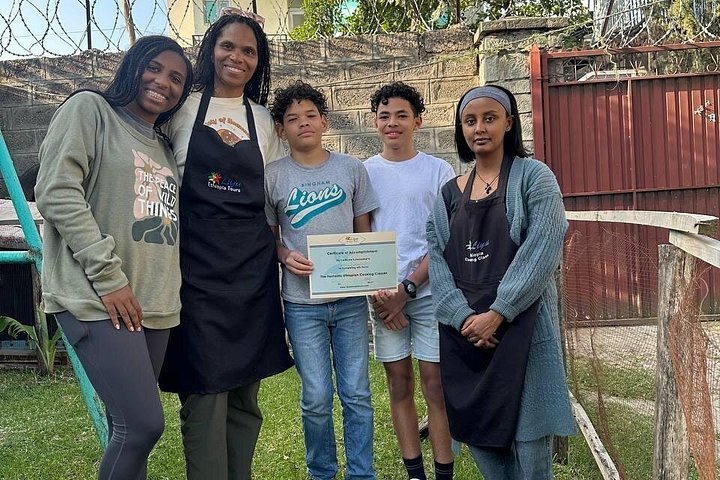
Book for a day when you are not trying to see too many sights, since the food is filling. Go at lunchtime or early evening, wear something you do not mind getting a little spiced, and bring small birr notes for extra purchases. Combine the tour with a visit to Merkato for the spices and coffee, or with a cooking class for a hands-on version of what you tasted. Check the current price and availability on the booking page.
What to expect
The experience
A guided tasting of Ethiopian dishes with a local host, moving between places to eat.
Best time
Lunchtime or early evening, on a day with a lighter sightseeing plan.
How long
A few hours; check the booking page for the exact length.
Tips
Tell the operator about dietary needs when you book, ask for milder dishes if you dislike heat and eat with your right hand.
Quick picks
- Best for
- Food-loving first-timers who want to understand the cuisine, the etiquette and the coffee tradition.
- Families
- Good for adventurous eaters; ask for milder dishes for children.
- Couples
- A shared platter is a naturally social way to spend an evening.
- Pair with
- Merkato for spices and coffee, or the injera cooking class.
- Time needed
- A few hours.
Good questions
What is injera?+
Injera is a soft, sour flatbread made from teff, used as both plate and spoon. You tear off a piece and use it to scoop up stews.
Is Ethiopian food very spicy?+
Many stews use berbere and carry real heat, but milder alicha dishes are common. Ask your guide for gentler options.
Can vegetarians join?+
Yes, Ethiopian cuisine has a large range of meat-free fasting dishes made from lentils, chickpeas and vegetables. Tell the operator when you book.
Should I worry about raw meat dishes?+
Raw beef dishes such as kitfo are optional, and cooked versions are normally available. Ask your guide for advice if you have a sensitive stomach.
Do the details change?+
Yes, itinerary, price and availability are set by the operator. Check the booking page before you book.