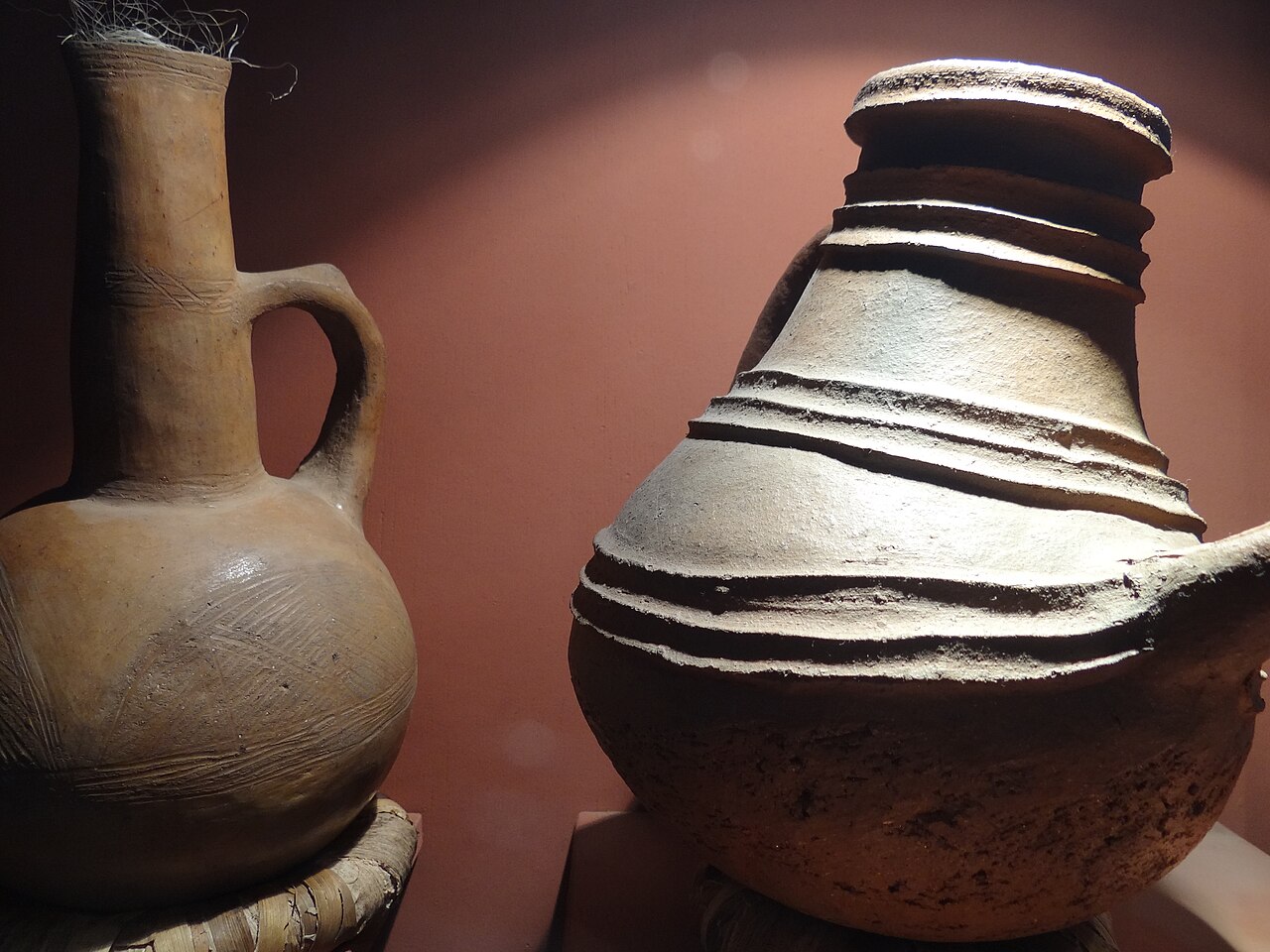
Ethiopia is widely regarded as the birthplace of coffee, and in Addis Ababa the drink is not a quick order at a counter but a daily ritual with its own tools, timing and manners. A bean to cup coffee tour is the clearest way to understand that culture in a few hours. Instead of simply drinking coffee, you follow it through its stages: how the green beans are sorted and washed, why roasting is done over a small flame in a flat pan, how the roasted beans are ground by hand and how the grounds are brewed in a round clay pot called a jebena. The smoke, the smell of roasting and the sound of beans cracking in the pan are as much a part of the experience as the cup itself. This kind of tour suits travellers who like to learn by doing, anyone curious about where their morning coffee comes from, and visitors who want a food and culture activity that is more personal than a restaurant meal. It also fits easily around the museum days that fill most Addis Ababa itineraries, because it is relaxed, seated for much of the time and rewarding even if you are tired from altitude and traffic.
What the experience covers
The operator sets out the exact stops, the length of the tour and what you will taste, so read the details when you book. Expect to see raw coffee beans, to watch or join in the roasting, and to take part in a traditional serving in which coffee is poured in a series of rounds from the jebena into small cups.
Many hosts offer a snack alongside, often popcorn or bread, because coffee here is a social occasion rather than a solitary caffeine hit. Ask questions freely: guides usually enjoy explaining the difference between regions, the idea that the first round is the strongest and why declining the second and third cups can feel impolite.
The ceremony in context
The coffee ceremony is a form of hospitality you will meet in homes, cafes and hotels across Ethiopia, and it often marks an important conversation or the arrival of a guest. Joining one with a local host gives you the vocabulary to enjoy the next one anywhere else on your trip.
You will also learn how Ethiopian coffee varies by growing area, which helps when you shop for beans to take home. Coffee is usually sold roasted or green in markets and shops, and a guide can help you choose and pack a bag.
Practical tips
Wear comfortable clothing, because roasting involves smoke and you may sit on low stools. Tell the operator in advance about caffeine sensitivity, pregnancy or any allergy, since the tour centres on strong coffee and shared snacks. At this altitude the sun is strong and evenings are cool, so bring a light layer. Because the tour is gentle and indoors for much of its length, it works well on a day when you want a break from museum visits or traffic, and it pairs naturally with a market visit or a food tour.
Who it suits
Couples looking for a quiet cultural activity, first time visitors who want one experience that explains the country in miniature, and food lovers who plan to cook or eat Ethiopian dishes during the trip. It is less suited to travellers who dislike coffee, although many operators can also serve tea, and it is a poor fit for a very tight schedule because the unhurried pace is the whole point. If you are short of time, fold it into a city tour that already includes a ceremony.
What to expect
The experience
A guided, hands-on coffee experience with roasting, grinding and a traditional serving.
Best time
Morning or afternoon, when a coffee break fits naturally into the day.
How long
A few hours; check the operator for the exact length.
Tips
Tell the operator about caffeine or allergy concerns, wear comfortable clothes and ask where to buy beans to take home.
Quick picks
- Best for
- Travellers who want to understand Ethiopian coffee culture first-hand.
- Families
- Older children can enjoy the roasting; coffee itself is strong, so ask about alternatives.
- Couples
- A quiet, shared and memorable cultural activity.
- Pair with
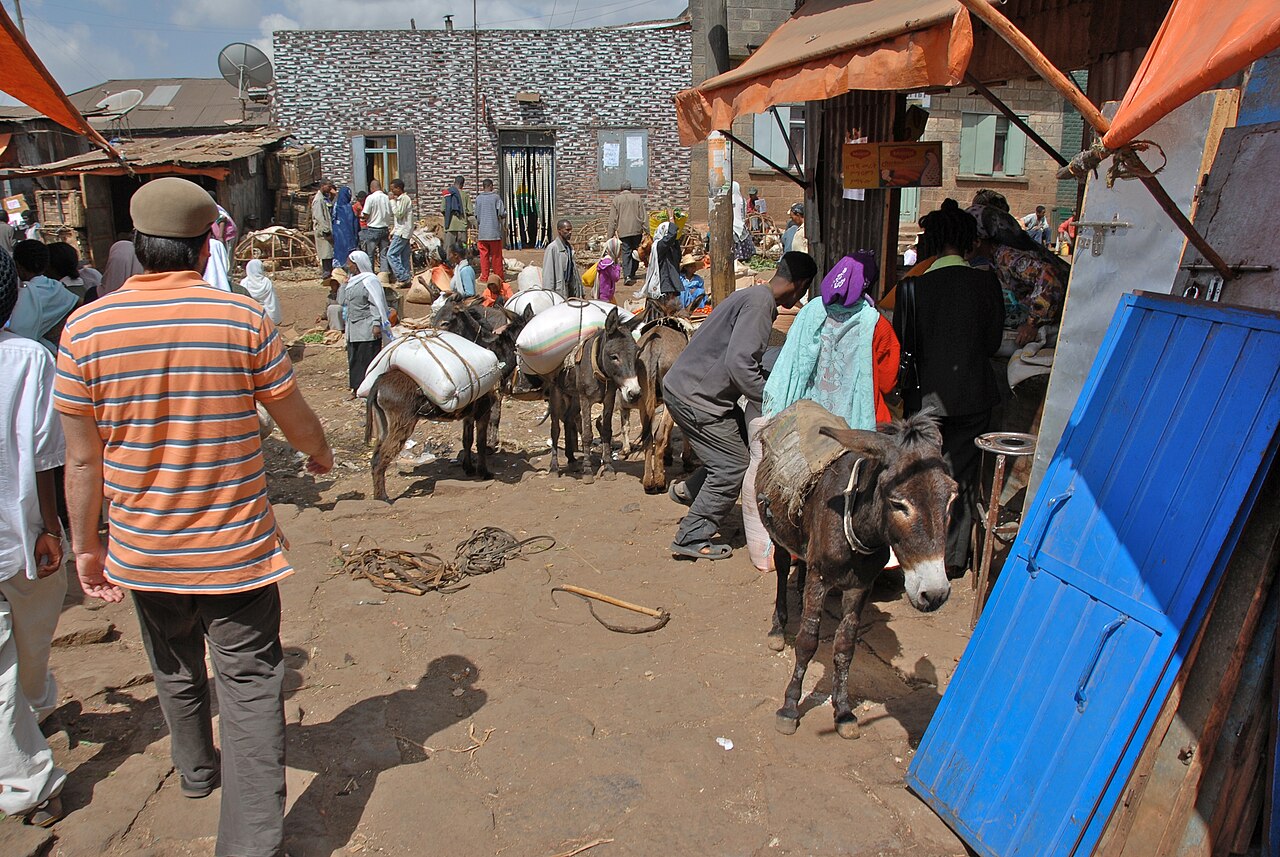
- A visit to Merkato or the food tour.
- Time needed
- A few hours.
Good questions
Why is coffee so important in Ethiopia?+
Ethiopia is widely regarded as the birthplace of coffee, and the drink is tied to hospitality. The ceremony, with roasting, brewing and several rounds of cups, is a daily social ritual.
Do I take part or only watch?+
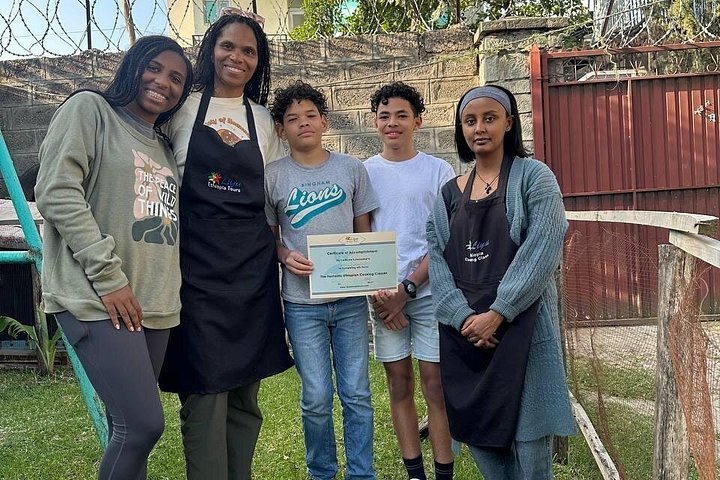
Most hosts invite guests to join in, for example by helping with the roasting or grinding. The operator describes what to expect when you book.
Is this suitable if I do not drink coffee?+
Coffee is the centre of the experience, but you can still learn from watching. Ask the operator whether tea or another drink is available.
Can I buy beans to take home?+
Coffee is sold roasted and green in markets and shops. Your host can usually help you choose and advise on packing.
How does it fit with other plans?+
It is a relaxed, mostly seated activity, so it pairs well with a museum morning or a market visit.