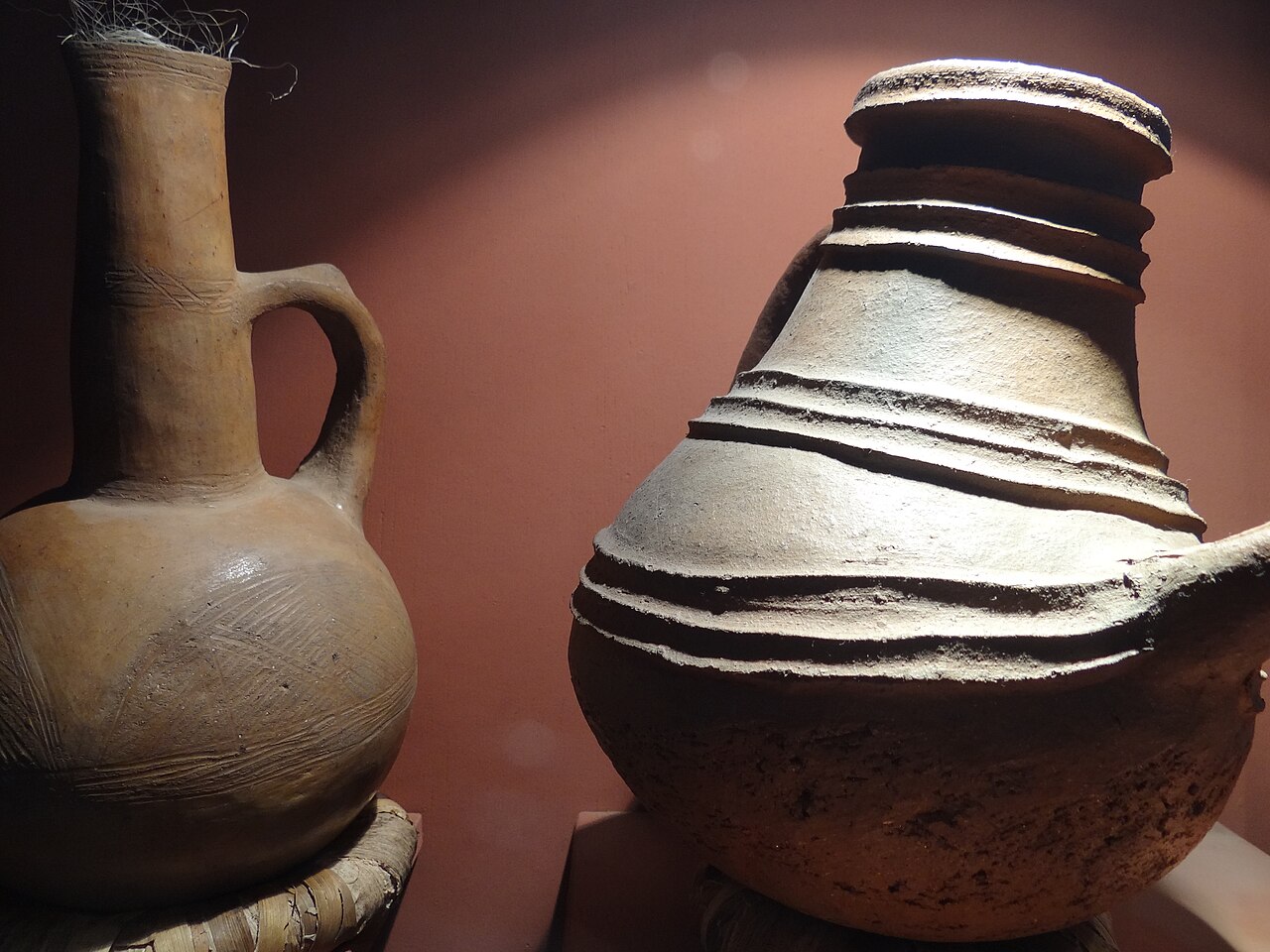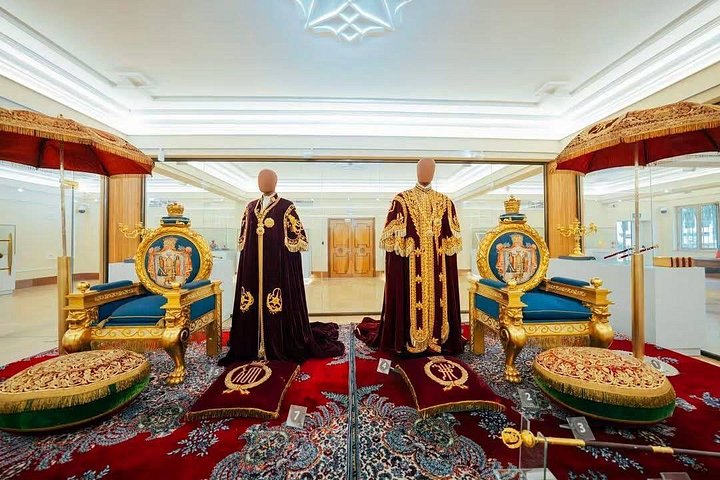
The National Museum of Ethiopia is the best single place to understand why Ethiopia is called a cradle of humankind. Its star exhibit is Lucy, known locally as Dinknesh, the partial skeleton of an Australopithecus afarensis found in the Afar region in 1974 and dated to roughly 3.2 million years ago. The skeleton shown to visitors is generally a replica, because the original fossil is kept safely under protection, but the display still gives a clear picture of how upright walking evolved, and the lower level holds many more fossils, stone tools and the bones of other early hominins and extinct animals. Upper floors move forward in time through archaeology from the Aksumite kingdom, medieval church art, royal thrones and regalia, and modern paintings by Ethiopian artists, with an ethnographic section on traditional life. The building is small enough to see in a morning, and it pairs naturally with the Ethnological Museum nearby.
What to see
Start at the bottom, where the human-origins collection explains the fossil sites of the Afar and Omo regions, then climb through the archaeology and history rooms. Look for the carved stelae and inscriptions from Aksum, the church paintings, the royal furniture and the modern art gallery. Labels are in English and Amharic, and a short guided walk makes the fossils much easier to read.
Visiting practicalities
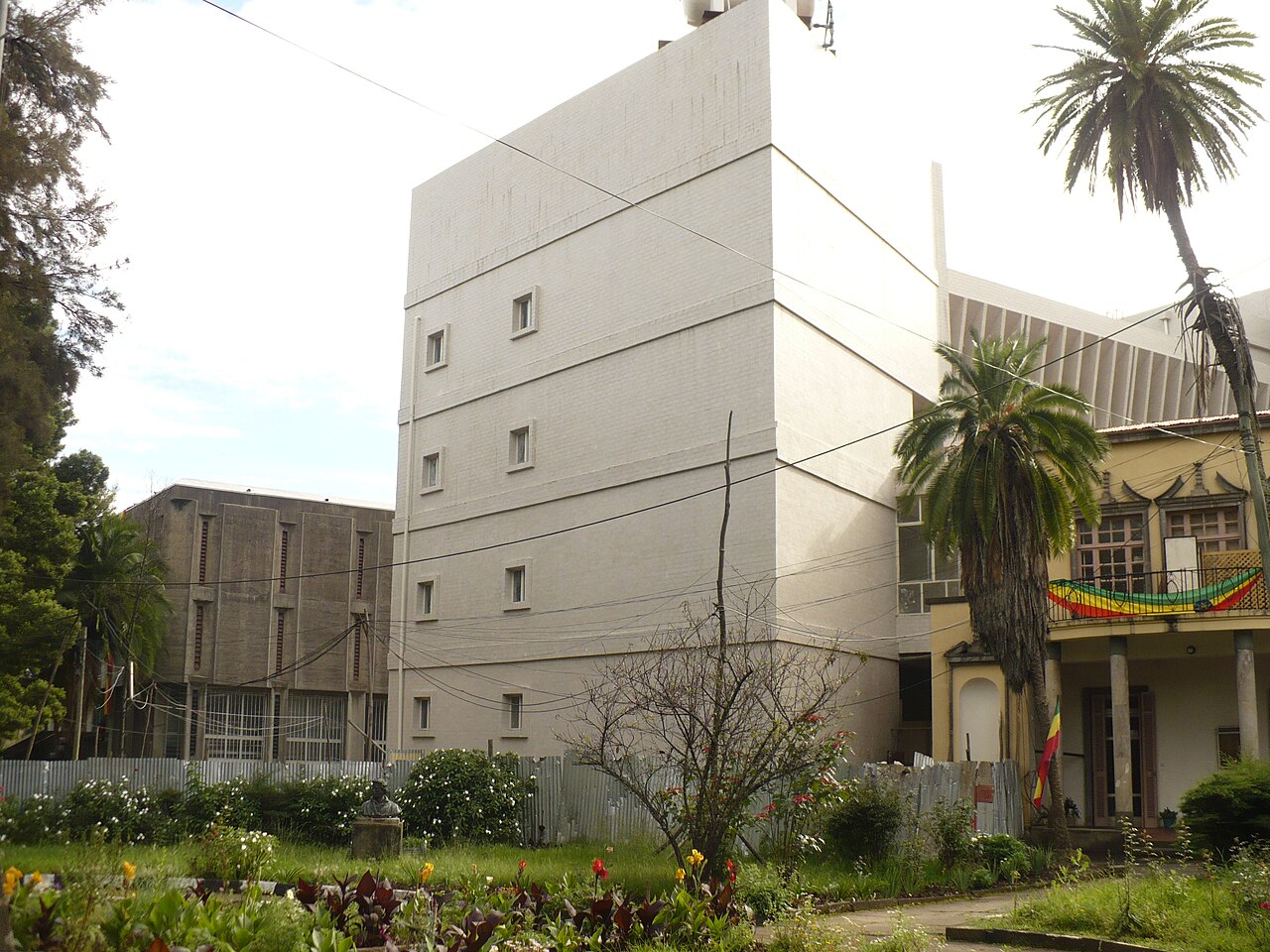
The museum is in the Arat Kilo area, close to Addis Ababa University, and a taxi or ride-hail car is the easy way to reach it. Foreign visitors normally pay a modest entrance fee, and a camera permit may be charged separately, so ask at the desk. Opening days and hours can change, so confirm them before you go, and keep small birr notes handy. Photography of the fossils is usually restricted or charged, and bags may be checked at the door.
Making the most of it
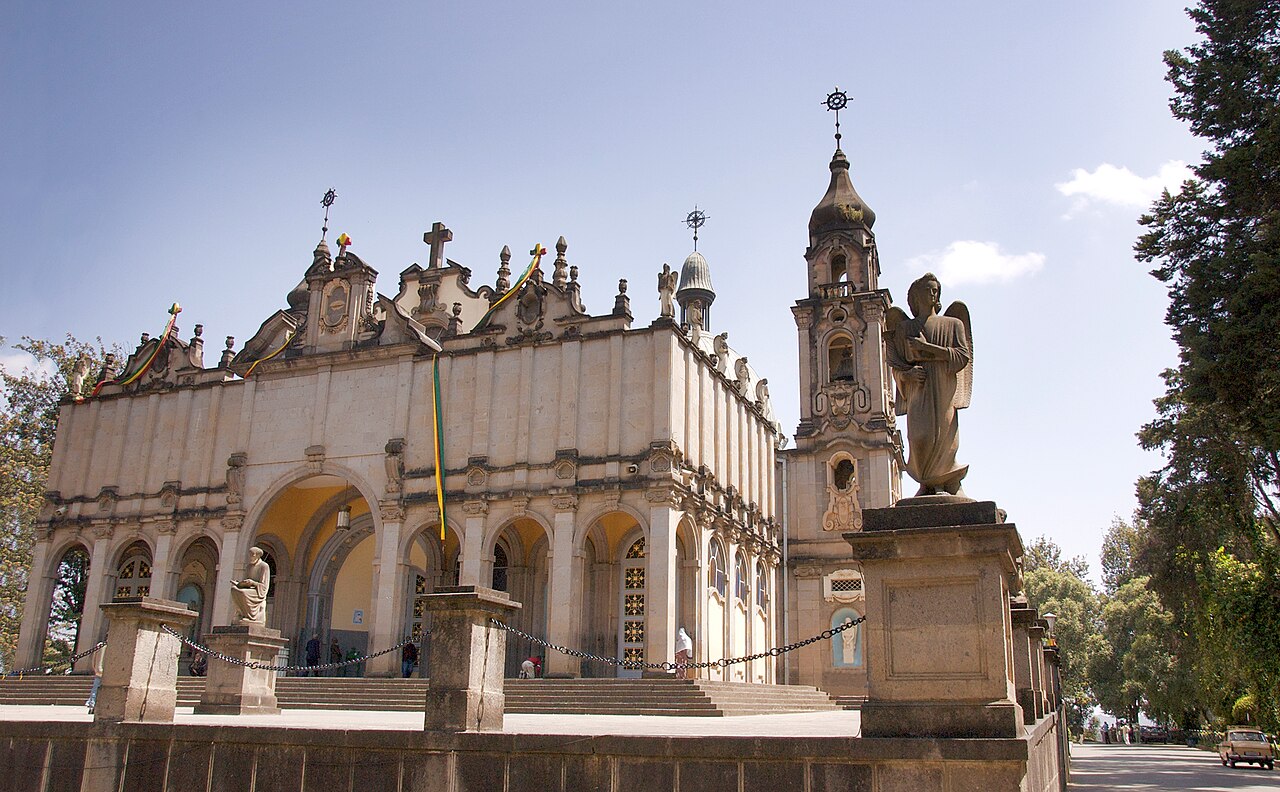
Go in the morning when the galleries are quiet and the light in the stairwells is good, and give yourself between one and two hours. If you hire a local guide for the day, ask for the human-origins floor first, then the crowns and thrones. The National Museum, the Ethnological Museum and Holy Trinity Cathedral all sit in the same part of the city, so they combine into a tidy culture-and-history morning, with a coffee in between.
What to expect
The experience
A self-guided walk through a compact multi-floor museum, with fossils on the lower level and archaeology, royal objects and art above.
Best time
Morning, when the galleries are quiet; confirm the opening days before you set out.
How long
Between one and two hours is enough for most visitors.
Tips
Bring small birr notes for the entrance and any camera fee, ask whether a guide is available, and start on the human-origins floor.
Quick picks
- Best for
- Anyone interested in human evolution, ancient Ethiopia and the story behind the country’s best-known fossil.
- Families
- Older children enjoy the fossils and skeletons, and the visit is short enough to hold their attention.
- Couples
- A quiet, thoughtful morning that pairs well with a long coffee afterwards.
- Pair with
- The Ethnological Museum and Holy Trinity Cathedral, all in the same part of the city.
- Time needed
- One to two hours.
Good questions
Is the Lucy skeleton at the National Museum real?+
The skeleton usually on show is a replica, because the original fossil is kept protected. The display and the surrounding fossils still explain the discovery well.
What is Lucy’s Amharic name?+
Lucy is called Dinknesh in Amharic, which means you are wonderful. The fossil was found in the Afar region in 1974 and dates to about 3.2 million years ago.
How long do I need at the National Museum?+
Plan one to two hours. A guide can shorten the time needed because the fossil floor is easier to follow with explanation.
How much is the entrance fee?+
Foreign visitors normally pay a modest fee in birr, with a camera charge in some cases. Rates change, so check at the ticket desk on arrival.
Can I combine it with other sights?+
Yes, the Ethnological Museum and Holy Trinity Cathedral are in the same part of the city. Together they make a good culture morning.