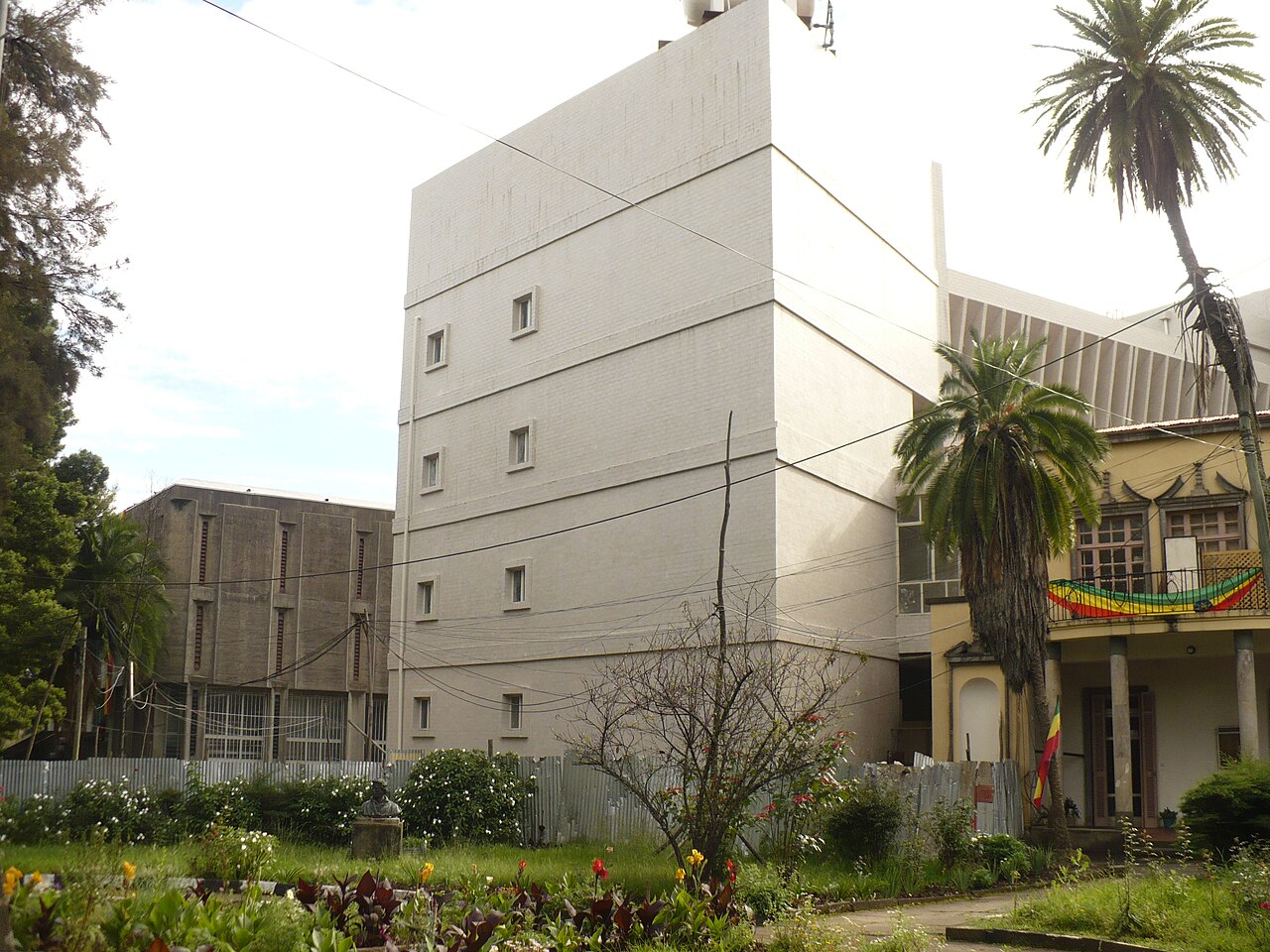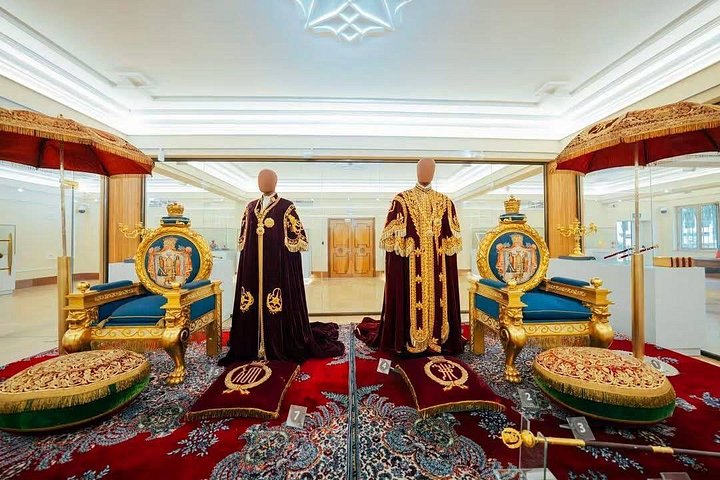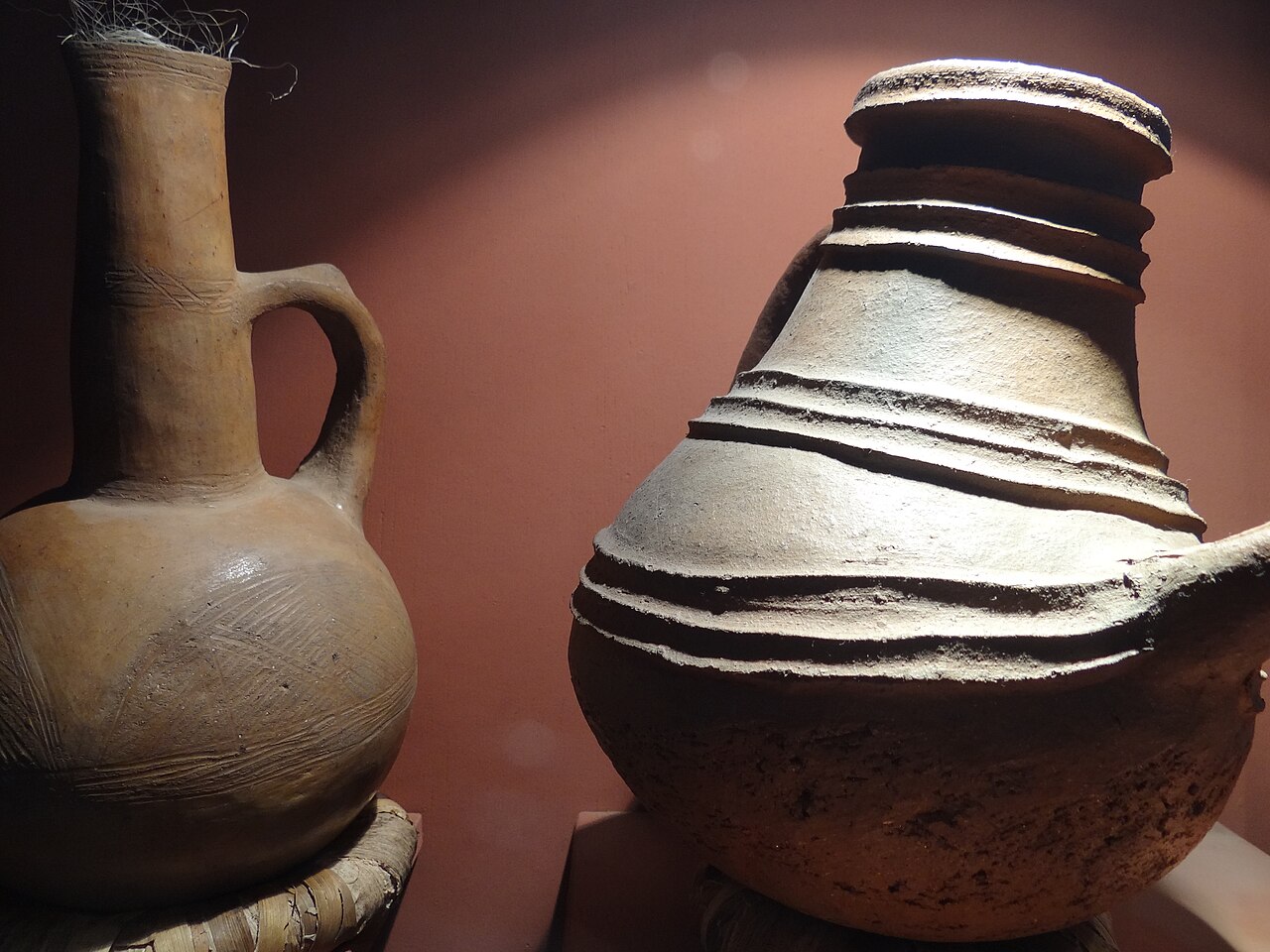
The Ethnological Museum is run by the Institute of Ethiopian Studies at Addis Ababa University and is set in the former palace of Emperor Haile Selassie, which makes the building as interesting as the collection. Galleries follow the stages of an Ethiopian life, from birth and childhood through marriage and death, using costumes, jewellery, musical instruments, household objects and crafts from the country’s many peoples. Religious art is a highlight, with processional crosses, icons and illuminated manuscripts, and there are rooms of traditional musical instruments and everyday tools. One of the most popular rooms is the former imperial bedroom and bathroom, kept much as it was. The setting on a leafy university campus is quiet, and the museum is comfortably seen in an hour or two. It makes a good companion to the National Museum, because it adds the living cultures of the present to the deep past shown there.
What to see
The life-cycle galleries, the religious art rooms, the musical instruments and the imperial rooms upstairs. Pay attention to the crosses, which differ from region to region, and to the clothing and jewellery that show the diversity of the country’s peoples. The museum is a good place to prepare for travel elsewhere in Ethiopia because it explains customs and crafts you will meet later.
Visiting practicalities
The museum is on the main campus of Addis Ababa University, near Sidist Kilo, and you enter through the university gates, so bring a passport or ID in case it is asked. Foreign visitors normally pay a modest fee, and opening days follow university and museum schedules, so check before you go, especially around holidays and exams. Photography may be restricted in some rooms.
Making the most of it
Arrive in the morning and give yourself about ninety minutes. A guide from the museum, where one is available, makes the exhibits much clearer. After the museum, walk the campus grounds if access is allowed, and then continue to the National Museum or Holy Trinity Cathedral for a full culture morning. If you are visiting with children, the costumes and instruments tend to hold their interest more than the manuscripts.
What to expect
The experience
A self-guided or museum-guided visit through galleries in a former palace on a university campus.
Best time
Morning on a weekday, after confirming that the museum and campus are open.
How long
Ninety minutes is typical.
Tips
Carry your passport or ID for the campus gate, ask about a guide and check photography rules room by room.
Quick picks
- Best for
- Travellers who want to understand Ethiopia’s peoples, crafts and religious art before exploring further.
- Families
- Costumes and instruments keep children interested, and the visit is short.
- Couples
- A calm, shaded campus setting and a distinctive building.
- Pair with
- The National Museum and Holy Trinity Cathedral.
- Time needed
- One to two hours.
Good questions
Who runs the Ethnological Museum?+
It is run by the Institute of Ethiopian Studies at Addis Ababa University. It is housed in the former palace of Emperor Haile Selassie.
What is inside the museum?+
Galleries follow the stages of life using costumes, jewellery, instruments and crafts, plus religious art and the former imperial rooms. It is a good overview of the country’s many cultures.
Do I need an ID to enter?+
The museum is on a university campus, so carry your passport or ID in case the gate asks for it. Rules can change, so check on arrival.
How long should I plan?+
About an hour and a half is enough for most visitors. A guide, where available, adds depth.
Can I visit it with the National Museum?+
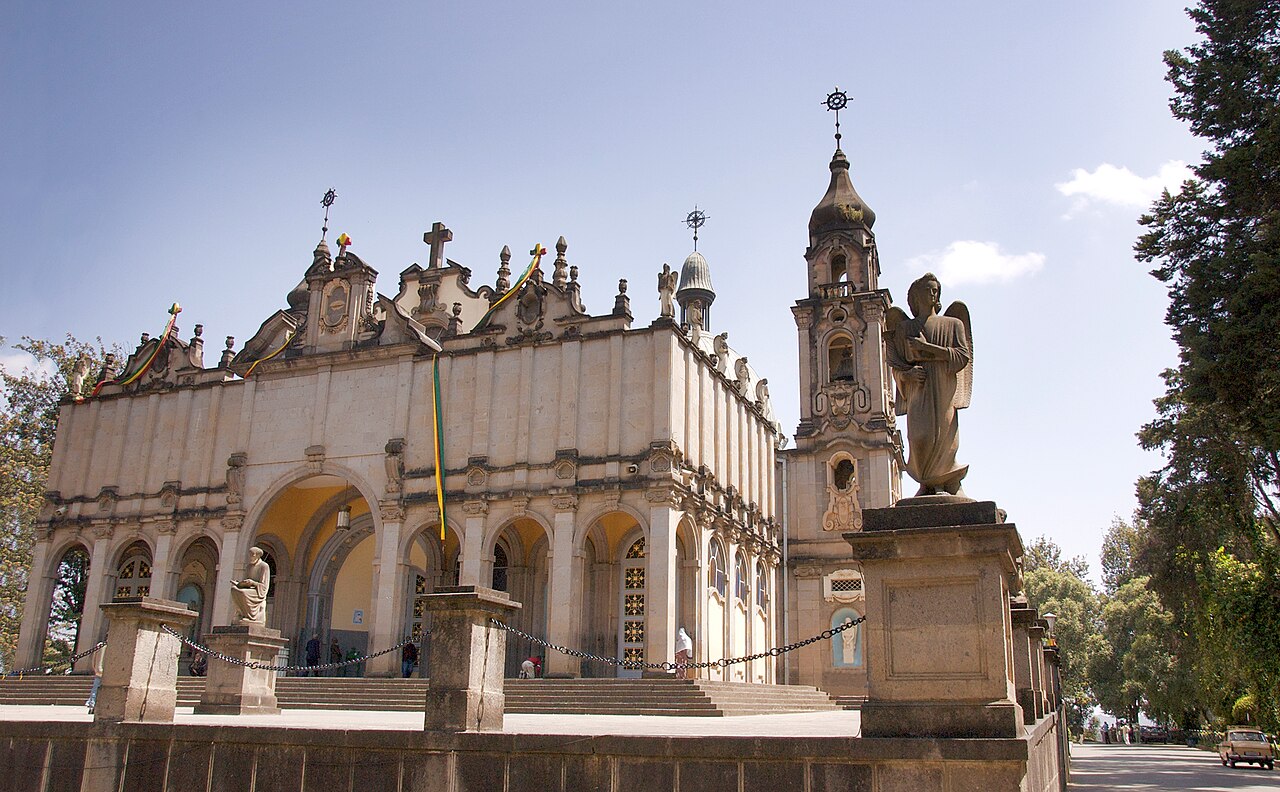
Yes, the two are in the same part of the city and combine well in one morning. Add Holy Trinity Cathedral if you have the energy.