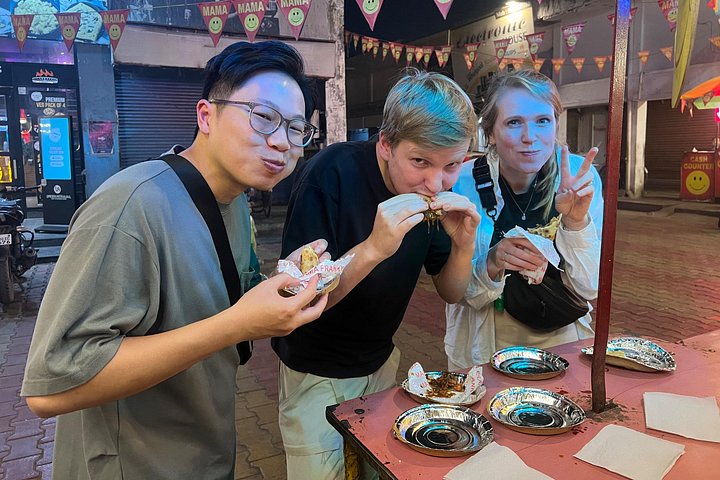
Agra's living city is in the narrow lanes of the old quarter around the Jama Masjid, where Kinari Bazaar and its neighbouring markets sell everything from bangles and fabrics to spices, dried fruit and sweets. It is noisy, crowded and fragrant, and it is the best way to see the city as locals do. Agra is famous for petha, a translucent sweet made from ash gourd, and for dalmoth, spicy lentil snacks, bedai with potato curry for breakfast, and chaat served from carts at dusk. A guided evening street food and local bazaar tour is the sensible way to explore: a local guide picks vendors that are busy and clean, explains what each dish is, and keeps you moving through the crowds so you can focus on the food.
The old city is best approached with a guide and an empty stomach. Lanes are narrow, motorbikes and rickshaws appear from nowhere, and signs are often in Hindi only, so first-time visitors can feel overwhelmed. On a walking tour you typically stop at five or six places for small tastings, often finishing with something sweet. Tell your guide in advance about any allergies, vegetarian preferences or spice limits, as a good guide will adapt the route.
Eat sensibly. Choose busy stalls with fresh food cooked in front of you, drink bottled or filtered water, and avoid raw salads and ice from unknown sources until your stomach has adjusted. Bring hand sanitiser, wear closed shoes and carry only the cash you need, in small notes. Evening is the liveliest time, with the best chaat and cooler weather, but if you prefer fewer crowds, a late afternoon walk works too. Women travelling alone often feel more comfortable in a small group or with a guide.
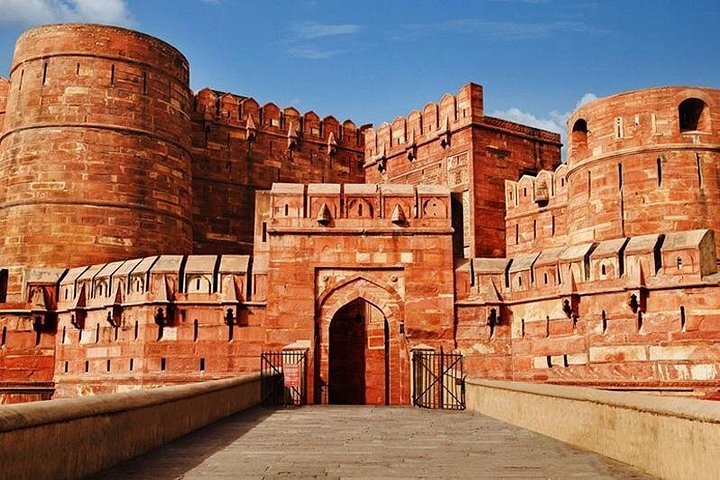
Take time to look as well as taste. The Jama Masjid, built in the seventeenth century by Shah Jahan's daughter Jahanara Begum, anchors the area, and the lanes around it hold small workshops and traders that have been here for generations. Combine the walk with a visit to Agra Fort, which is close by, and then leave space for dinner. Remember that tours vary in route and menu, so read the description carefully and check the meeting point and timing.
What to expect
The experience
A guided evening walk through the old city lanes and bazaars, stopping at vendors for small tastings of Agra street food and sweets.
Best time
Late afternoon into the evening, when the stalls are busiest and the heat has eased.
How long
Two to three hours of walking and tasting.
Tips
Tell the guide about allergies and spice tolerance, drink bottled water, carry small notes and wear closed shoes for the lanes.
Quick picks
- Best for
- Curious eaters who want to see the real Agra beyond the monuments.
- Families
- Fine for adventurous older children, but the crowds and spice may be too much for younger ones.
- Couples
- A fun, shared evening of tastings, followed by a late dinner back at your hotel.
- Pair with
- Agra Fort in the afternoon and a sunset at Mehtab Bagh the day before.
- Time needed
- An evening, about three hours.
Good questions
What is Agra famous for eating?+
Petha, a sweet made from ash gourd, dalmoth snacks, bedai with potato curry and a range of chaat are among the best-known local foods.
Is street food in Agra safe?+
Choose busy stalls with freshly cooked food, drink bottled water and avoid raw salads. A guided tour picks reliable vendors and helps you ease in.
Is it suitable for vegetarians?+
Yes, most Agra street food is vegetarian. Tell your guide your preferences when you book so the route can be planned accordingly.
Where is Kinari Bazaar?+
It is in the old city around the Jama Masjid, a short distance from Agra Fort, and consists of a maze of lanes lined with small shops.
What should I carry?+
Bring small notes, hand sanitiser, a bottle of water and wear closed shoes. Leave valuables at the hotel and keep your phone secure in crowds.