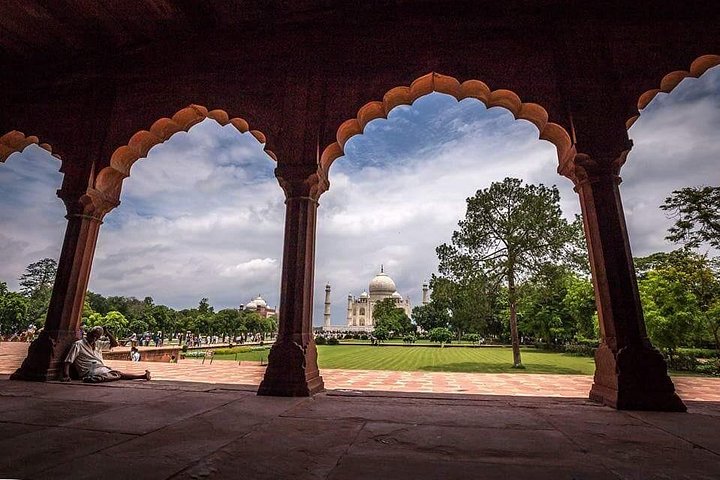
Pietra dura, known locally as parchinkari, is the craft of cutting tiny pieces of semi-precious stone and setting them into carved marble to form flowers, vines and geometric patterns. It reached its peak at the Taj Mahal, and in Agra a number of families still practise it, working in small workshops where stones are shaped by hand on foot-powered wheels. A handicraft walk with artisans, as listed here, is a good way to meet craftspeople, watch the stages from cutting and carving to polishing, and understand why a small table top can take weeks to finish. You can buy pieces if you like, but the real value of the visit is seeing how the Taj Mahal's decoration was made and appreciating the skill involved.
The process is fascinating to watch. The marble, traditionally sourced from Makrana in Rajasthan, is first carved with a pattern, and then thin slices of stones such as lapis lazuli, malachite, carnelian and mother of pearl are shaped to fit exactly. Each piece is glued in place with a paste and polished until the surface is smooth. The best artisans can fit hundreds of tiny pieces into a single flower. Ask your guide to show you the difference between hand-cut stone and cheap moulded copies.
Shopping in Agra needs some care. Many tours and drivers are paid commission by large shops, and the pressure can be intense. A walk with artisans in a smaller workshop tends to be more relaxed, but it is still wise to ask prices before you accept tea, compare two or three places, and never feel obliged to buy. Smaller pieces such as coasters, boxes and jewellery are easier to carry home than tables, and a reputable shop will pack and ship larger items and give a written receipt.
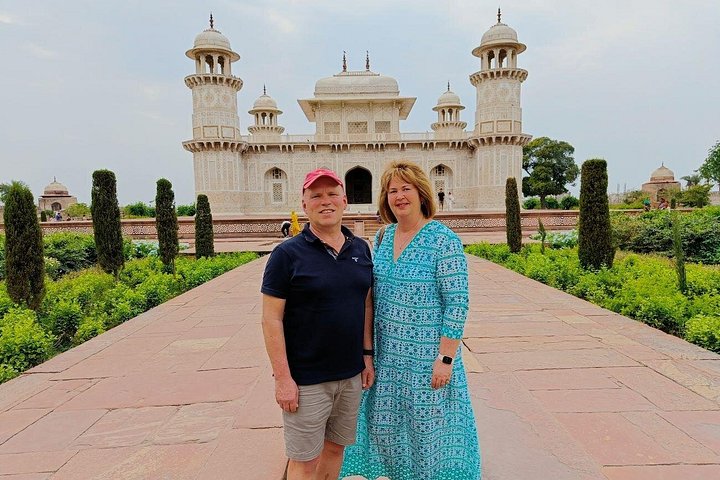
Combine the visit with the monuments to appreciate the craft in context. After seeing the inlay on Itmad-ud-Daulah, the Baby Taj, and the Taj Mahal itself, a workshop visit helps you notice details you might otherwise miss. The old city around Kinari Bazaar and Tajganj is also home to many craftspeople and small shops. Plan an hour or two, wear comfortable shoes and bring a small amount of cash if you wish to buy something modest.
What to expect
The experience
A guided walk to meet marble inlay artisans in their workshops, watching stone cutting, carving and polishing, with the option to buy handmade pieces.
Best time
Daytime, when workshops are at work and the light is good for photographs; avoid combining it with a sunrise Taj visit on the same morning.
How long
One and a half to two hours.
Tips
Ask prices before accepting tea, compare more than one workshop, and ask for a receipt and shipping details for anything large.
Quick picks
- Best for
- Craft lovers and shoppers who want to understand what they are buying.
- Families
- Children often enjoy watching the stone cutters, but fragile items are on display, so keep a close eye on small hands.
- Couples
- A memorable keepsake, such as a small inlaid box or coasters, with a story behind it.
- Pair with
- Itmad-ud-Daulah, the Taj Mahal and an old city food walk.
- Time needed
- Two hours including travel between workshops.
Good questions
What is pietra dura?+
It is the art of setting cut semi-precious stones into carved marble to form patterns. In Agra it is called parchinkari and it decorates the Taj Mahal.
Is Agra inlay still made by hand?+
Yes, several families still work by hand in small workshops, though cheaper machine-cut and moulded copies are also sold, so ask to see the process.
Will I be pressured to buy?+
It can happen, especially in large shops linked to drivers and tour companies. A walk with artisans in a small workshop is gentler, and you are free to say no.
What should I buy?+
Small items like coasters, boxes and jewellery are easy to carry. For larger pieces, ask for a receipt and professional packing or shipping.
How is it connected to the Taj Mahal?+
Artisans in Agra trace their craft to the workers who made the Taj Mahal's inlay, and the same techniques are still used today.