Alexandria has a Mediterranean climate, which is cooler and breezier than most of Egypt, but the seasons still shape the trip. The sea moderates the heat, the humidity changes how warm a day feels and the Egyptian calendar changes opening hours and crowds. Here is how the year works, with advice for each part of it.
Spring and autumn: the sweet spot
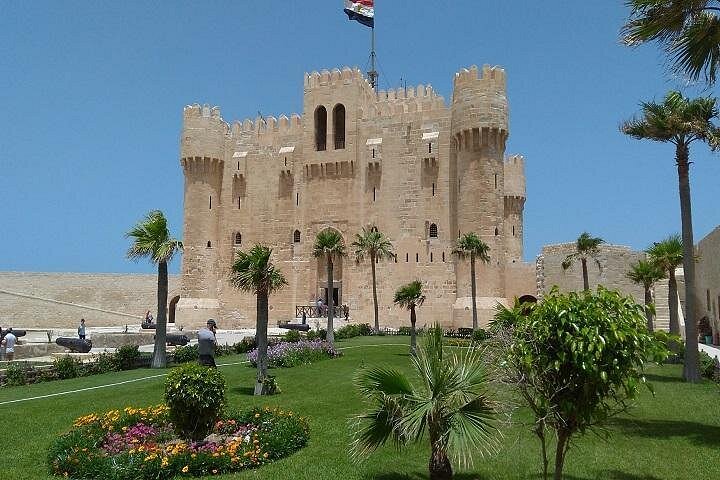
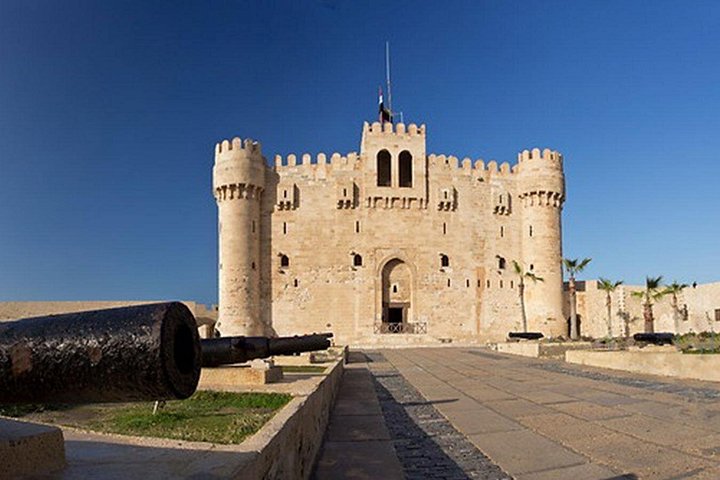
For most visitors, March to May and October to November are the best times. Days are warm and often sunny, evenings are mild and the sea breeze is pleasant, which suits the open-air sites such as Pompey's Pillar, the Roman Amphitheatre and the Citadel. Hotel rates are reasonable and the city is not as crowded as it is in high summer. Spring can bring occasional hot winds from the desert, so carry water and a light layer for the evenings. Both seasons are also good for day trips to El Alamein and Wadi El Natrun, where there is little shade.
Summer: hot, humid and busy
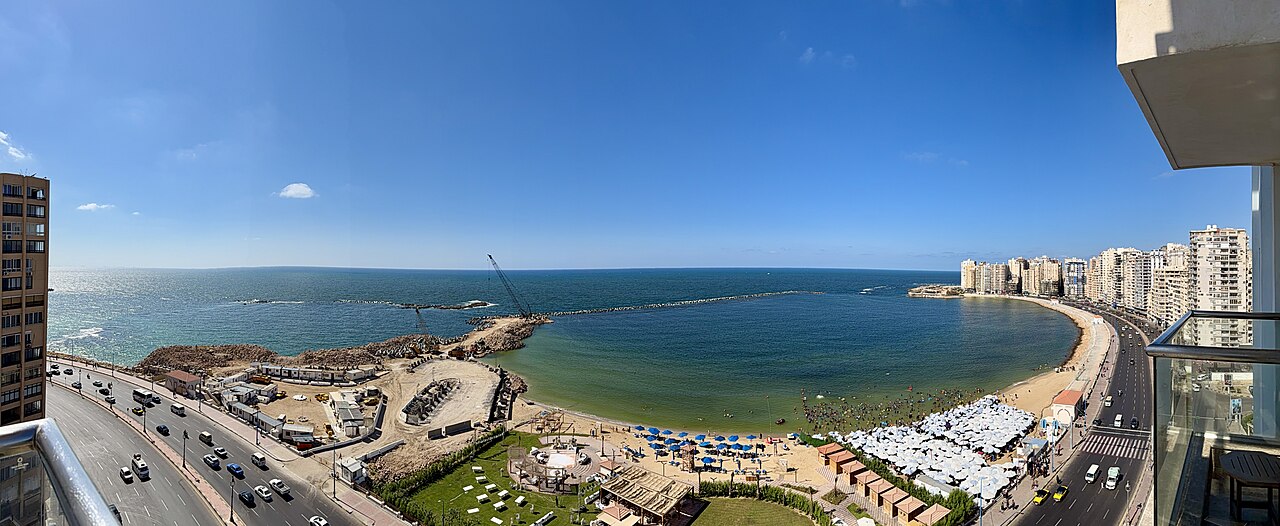
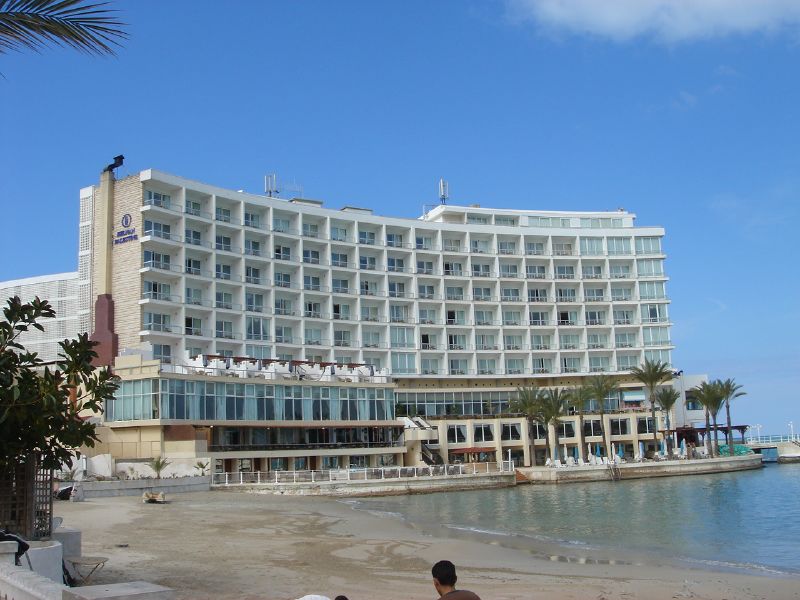
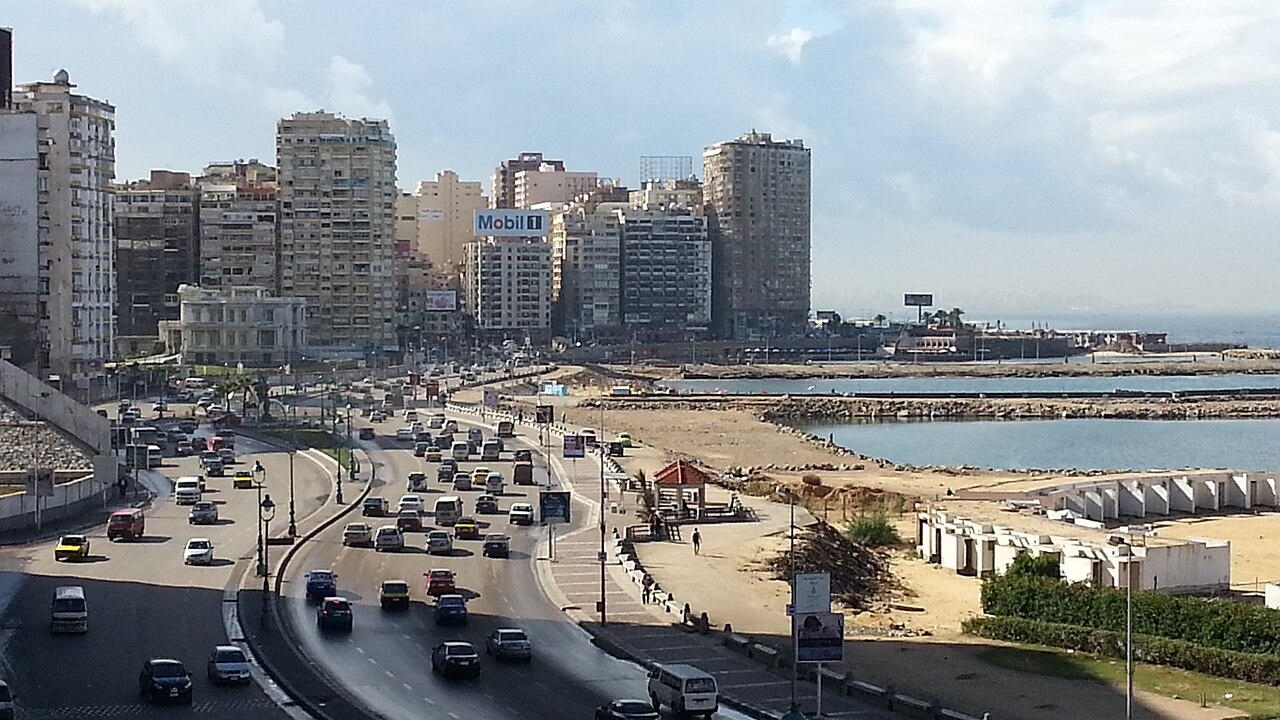
From June to September the city is warm and humid, and the coast fills with Egyptian families escaping the heat of Cairo and the south. The beaches and the Corniche are lively late into the night, and the atmosphere is festive. The downside is that midday sightseeing is hard work, hotels and restaurants fill up at weekends, and traffic is slower. If you travel in summer, start sites early in the morning, rest in the middle of the day, return in the late afternoon and book hotels early, especially for July and August and for Thursday to Saturday nights. A sea-view hotel with a pool or a private beach earns its price in this season.
Winter: cool, windy and quiet
From December to February the weather is cooler, windier and sometimes rainy, with grey days and strong sea swells. This is the low season, so prices are lower, the sites are quieter and the museums are comfortable for long visits. Bring a waterproof jacket and layers, expect that beach days are not an option, and check that outdoor sights such as the Citadel are accessible in poor weather, as wind can be stronger on the breakwater. It is a good season for the museums, the Library and the Royal Jewelry Museum, and for long cafe afternoons.
Ramadan and holidays
Ramadan moves through the calendar each year, so check when it falls before you book. During the month, many restaurants close in daylight hours and open at sunset, and opening hours at museums and monuments are often shorter. Evenings are lively and atmospheric, with families gathering for iftar and the streets decorated with lanterns, but a daytime itinerary needs more flexibility. Be discreet about eating and drinking in public during the day. Eid holidays at the end of Ramadan and again later in the year bring heavy domestic travel, crowded beaches and fully booked hotels, so reserve well ahead if your trip overlaps them. Friday is the main day of prayer, and some sites change hours or open later on Fridays, so plan the busiest ticketed sights for other days.
Beach weather
If a swim is a priority, plan for late May to early October, when the sea is warm enough. Many beaches are run by hotels and clubs, so check access and the dress customs of the place before you go. Winter swimming is for the hardy, and the eastern beaches near Montaza are the most popular. Consider a hotel with its own beach if you want guaranteed access.
Crowds, light and photography
The best light for the sea and the Citadel comes early in the morning and in the hour before sunset, and these are also the cooler and quieter times. Weekends are busier at the Corniche and the gardens, when local families visit. The ancient sites are quietest on weekday mornings, outside holiday periods.
Putting it together
If you can choose, pick late March to May or October to November, aim for a weekday-heavy itinerary and book hotels a few weeks ahead. If you must travel in summer, plan an early start, an afternoon break and a beach evening. If you travel in winter, pack for rain, lean on museums and accept the occasional grey sky in return for empty sites. Whenever you go, check current travel advice from your own government and confirm opening days before you set out.