Alexandria is Egypt's Mediterranean city, founded by Alexander the Great and ruled by the Ptolemies, then Rome. Today it is a long, busy seafront city of cafes, old apartment blocks and layered ruins, and it feels very different from Cairo. This guide covers how long to stay, what to arrange in advance and how the main sights fit together.
How many days
Two days is the sweet spot. One day, which is how many Cairo visitors do it, lets you see about four headline sights in a rush. Two days gives you the ancient sites on one day and the waterfront, library and gardens on the other, with time for seafood. Add a third day for El Alamein or a beach afternoon at Montaza. Day trips from Cairo are long, so staying one night is much more relaxed.
What to arrange ahead
Tickets for most Alexandria sights are bought at the gate, so there is no need to pre-book each one. What is worth arranging in advance is transport and guiding. A private driver or a small-group tour solves the catacombs, Pompey's Pillar and the Roman Amphitheatre, which are spread across the city. Booking a hotel early matters in July and August, when Egyptian families holiday on the coast, and on weekends. Carry cash in Egyptian pounds for entrance fees and tips, as tickets for foreign visitors cost more than local rates and cards are not always accepted.
Getting there and around
From Cairo, the fast train takes just over two hours from Ramses to Misr station, and the desert road takes two and a half to three hours by car. Trains from Cairo are inexpensive, but book a day ahead. In the city, ride-hailing apps and taxis are cheap and easy, and walking works well downtown between the Corniche, the Roman Amphitheatre and the museums. The old tram is atmospheric but slow, so use it for fun rather than speed. Avoid unmarked taxis at the station and use an app or agree a fare first.
Fitting in the headline sights
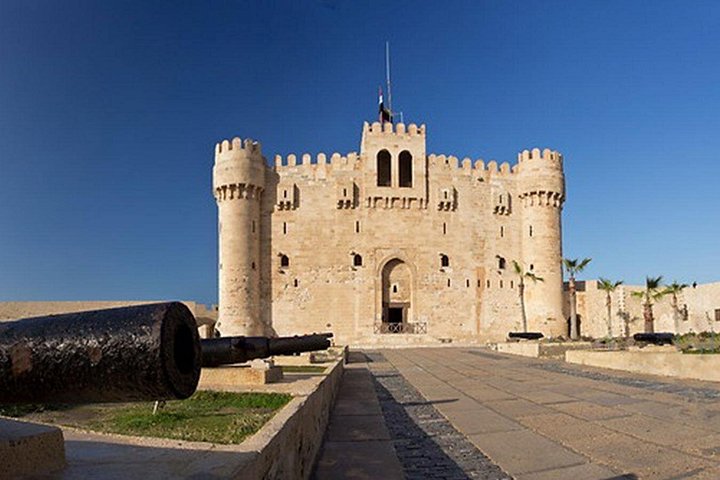
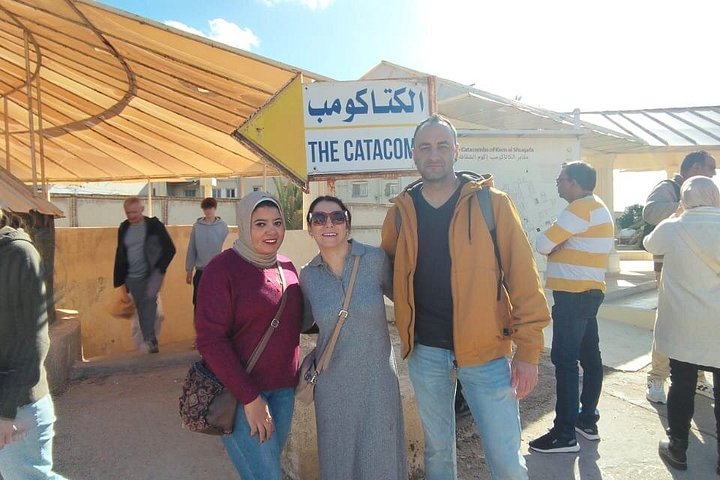
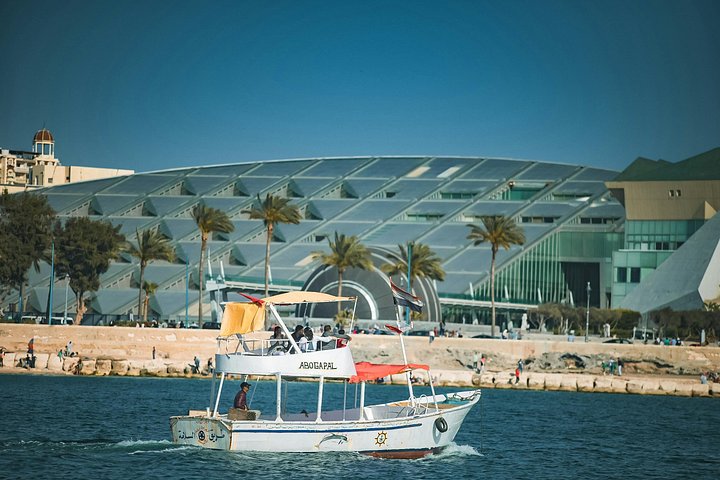
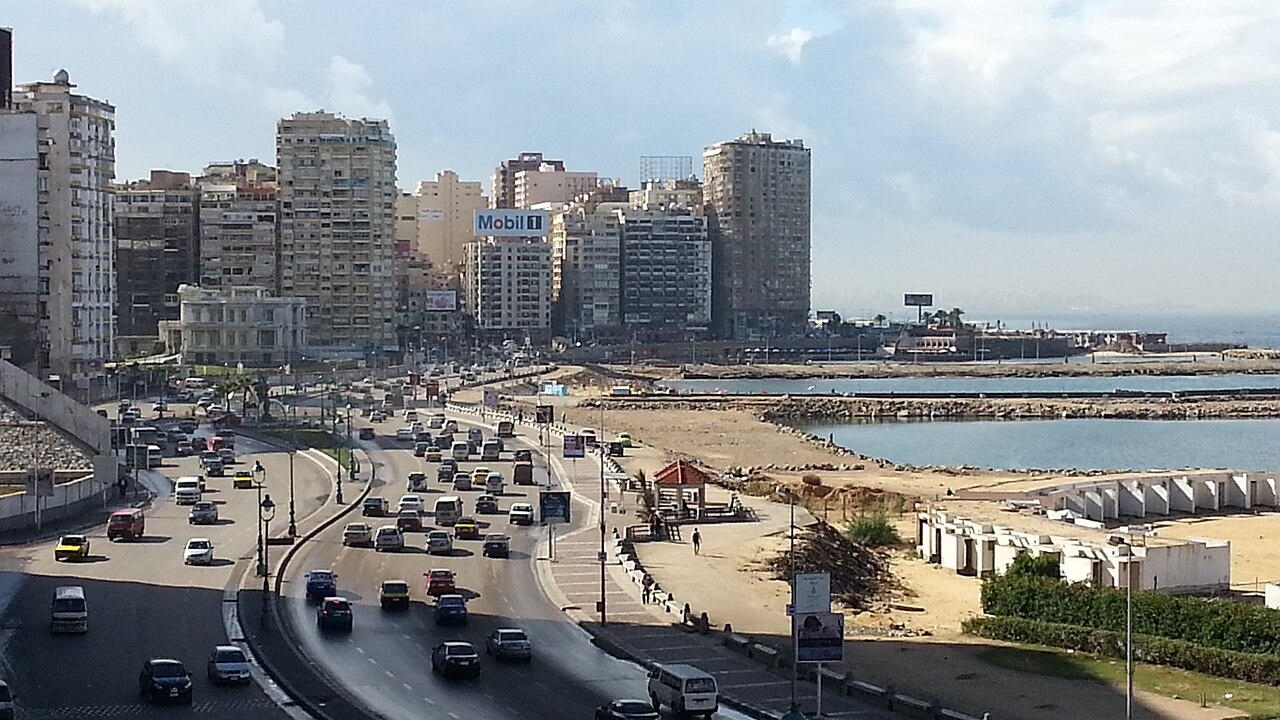
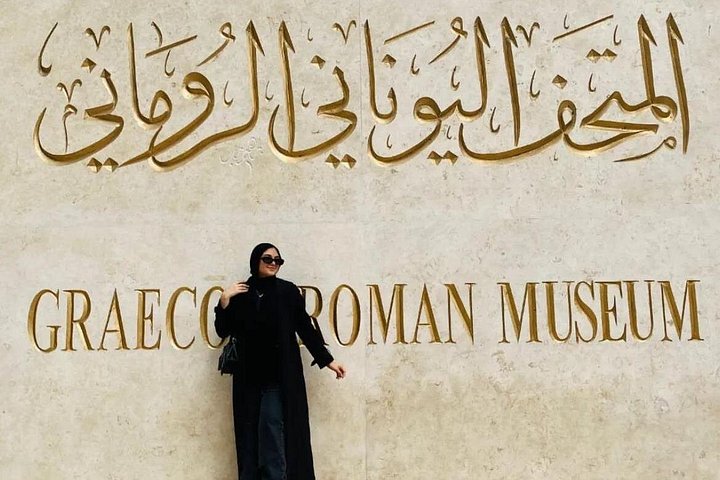
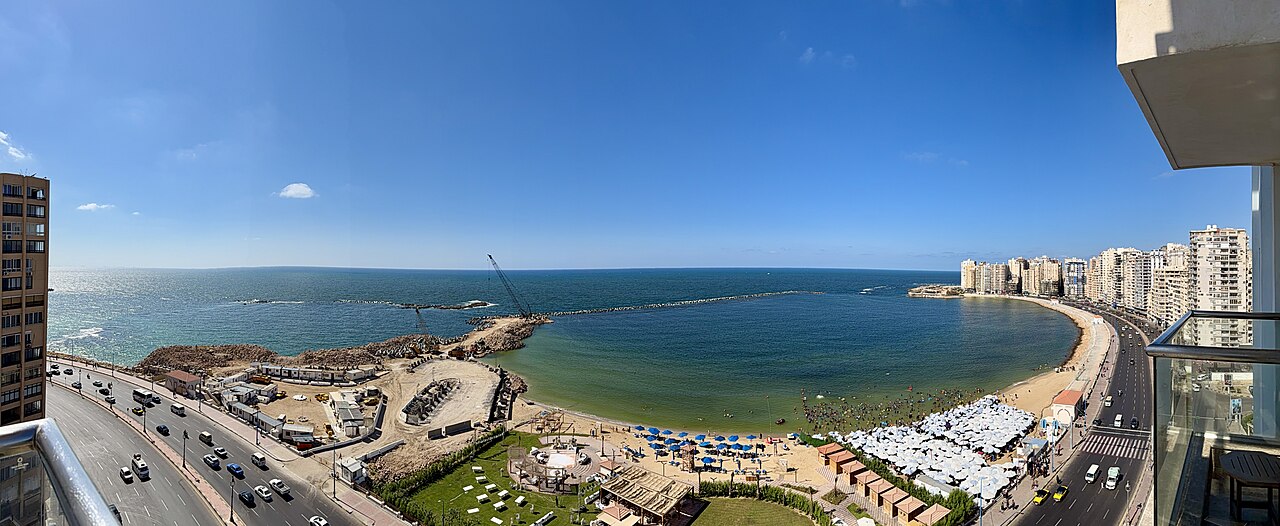
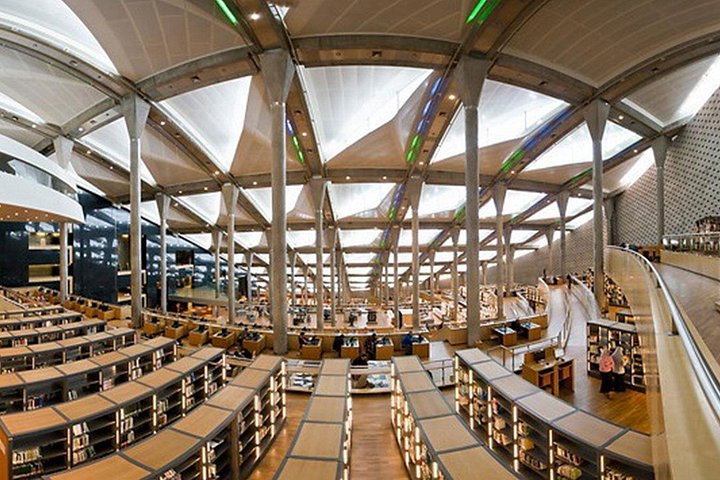
Plan one ancient day: Pompey's Pillar and the Serapeum, the Catacombs of Kom el-Shoqafa, the Roman Amphitheatre and one museum, either the Graeco-Roman Museum, which is newly restored, or the Alexandria National Museum. Plan a second day for the Bibliotheca Alexandrina, a walk along the Corniche and the Citadel of Qaitbay for sunset, with a seafood dinner nearby. Montaza Palace Gardens suit the afternoon of a slower day, particularly with children.
When to go
Spring and autumn are the best seasons, with warm days and mild evenings. Summer is hot and humid, but the sea breeze helps and the beaches are lively. Winter is cool, windy and sometimes rainy, so bring a jacket, though the sites are quieter and prices lower. Many sites close or change hours during Ramadan and holidays, so check before travelling.
Eating and money
Alexandria is a seafood city, and the simplest approach is to choose a busy fish restaurant, pick your fish at the counter and agree the price by weight before it is cooked. Street snacks such as falafel and fava bean sandwiches are cheap and good, and old cafes downtown are excellent for tea and a long rest between sights. Cash machines are easy to find downtown, but carry small notes because change can be hard to get. Tipping a few coins for small services is normal.
What to wear and know
Dress modestly in light, breathable layers, with comfortable shoes for uneven stone. Carry a hat, sunscreen and water. Egypt has its own travel advisories, so check current guidance from your own government before booking, and use licensed guides and reputable drivers. A day trip to El Alamein suits history lovers, and a guided day from Cairo suits anyone short of time. Finally, eat the fish: Alexandria's seafood restaurants are among the best things about the city.