Two days is the right length for a first visit to Alexandria. It is enough to see the headline sights without rushing, and it keeps you from spending your whole trip in traffic. The plan below groups sights by area, because the city is long and thin and the biggest time loss is crossing it twice. Adjust it to the weekly closing days and to the season, and read the plan as a pattern rather than a timetable.
Day one: ancient Alexandria
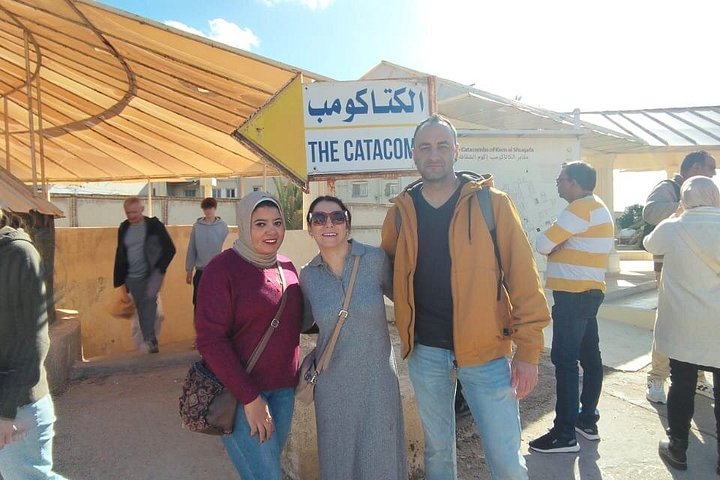
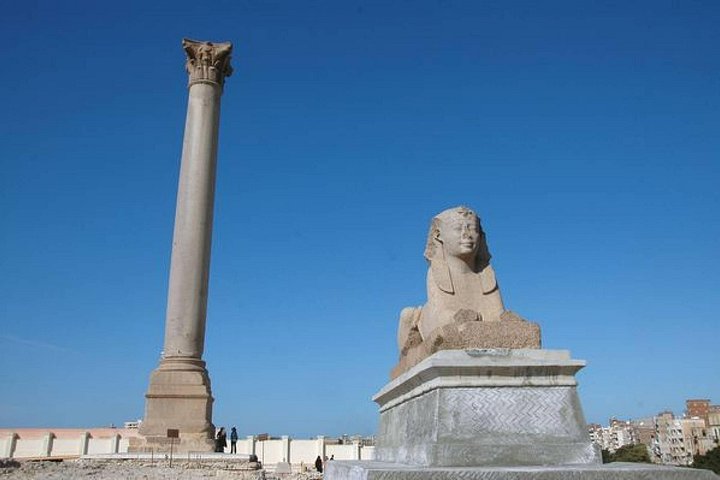
Start early, before the heat, at Pompey's Pillar and the Serapeum. The granite column dominates a hill of ruins, and the underground galleries that once held sacred bulls give a first taste of the city beneath the city. From there it is a short ride to the Catacombs of Kom el-Shoqafa, a multi-level Roman tomb where Egyptian, Greek and Roman styles are fused in carvings of gods and guardians. Allow an hour for each. Both sit in the same part of town, so a private driver or a prearranged taxi for the morning is worth the modest cost.
Midday and early afternoon
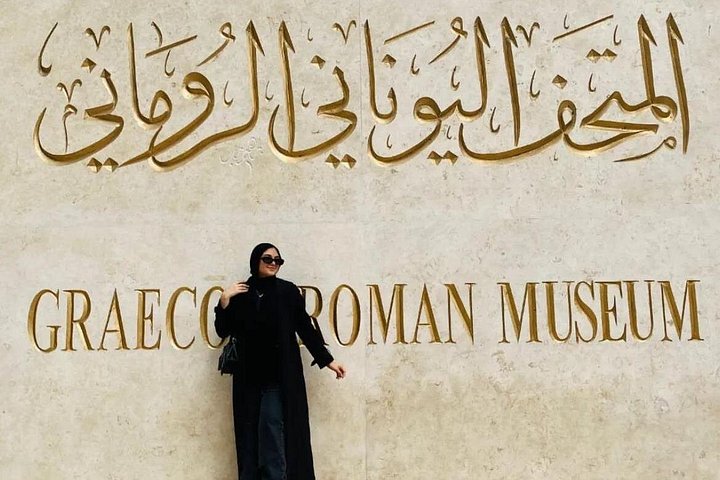
Move toward the centre for lunch, then visit the Roman Amphitheatre at Kom el-Dikka. It is the only Roman theatre of its kind found in Egypt, with marble seating in a compact bowl and the remains of baths and villas around it. A short ride or a long walk takes you to the Graeco-Roman Museum, the best place to see statues, mosaics and Ptolemaic art, and one of the best places to put names and faces to the city you have just walked through. If museums are not your priority, the Alexandria National Museum is a gentler, shorter alternative, and the Royal Jewelry Museum is the pick for anyone who prefers gilded palaces to marble.
Late afternoon and evening
Finish day one downtown. Walk toward the Corniche as the light softens and the sea breeze picks up, and choose a busy fish restaurant for dinner. Pick your fish at the counter and agree the price by weight before it is cooked. Old cafes around the main squares are good for tea or coffee and a long rest, and they are some of the best places to watch the city go by.
Day two: the Library, the Citadel and the sea
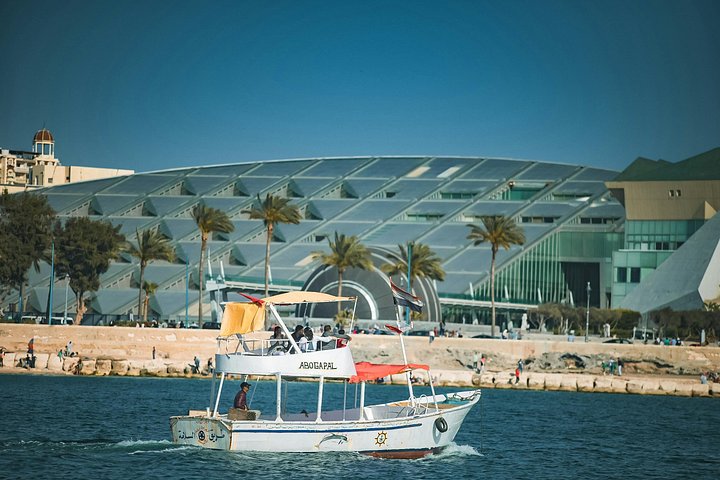
Begin with the Bibliotheca Alexandrina, which is part reading room, part museum complex and part architectural statement. The sloping disc of the roof and the granite wall carved with scripts from around the world are worth a slow look from outside before you go in. Allow at least an hour, and more if you add the museums or the planetarium. Library hours vary and some areas close on Fridays, so check the venue's website for the current pattern before you plan the morning.
Midday
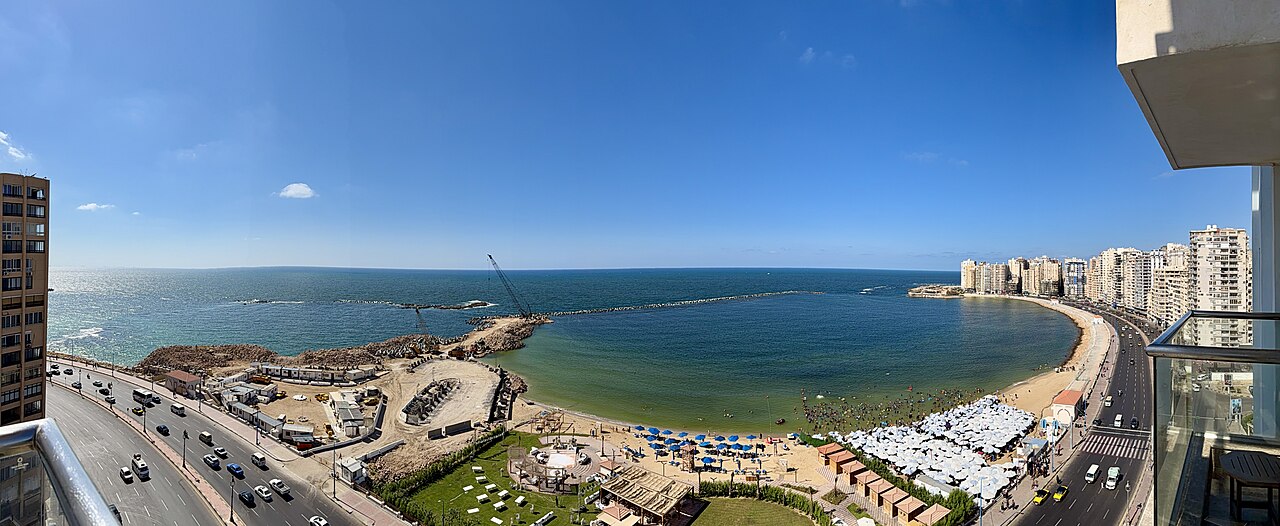
Take a taxi or a ride-hailing car along the Corniche to the Citadel of Qaitbay, the fifteenth-century fort that stands on the site of the ancient Pharos Lighthouse. Walk the walls and the breakwater, look back along the curve of the bay and imagine one of the Seven Wonders on this very spot. The fort is small, so an hour is generally enough. Then have a late seafood lunch in the old harbour area, where fish restaurants line the waterfront.
Afternoon options
If you want gardens and a beach, spend the afternoon at Montaza Palace Gardens, where the grounds are the attraction and the palaces are closed to visitors. If you prefer a slower seafront stroll, walk the Corniche as far as you like and stop at cafes on the way. For a last evening, take a ride along the Corniche as the lights come on, or a horse-drawn carriage ride if you want to do it the old-fashioned way.
Practical tips
Carry Egyptian pounds in small notes for entrance fees, taxis and tips, because tickets for foreign visitors cost more than local rates and change is not always available. Dress modestly in light layers and comfortable shoes, and carry a hat, sunscreen and water, since many sites are in the open. Use ride-hailing apps or agree a fare before getting into a taxi. If you have a third day, the best additions are El Alamein for the Second World War story, Wadi El Natrun for living monasteries, or a food tour to taste the city. Check your own government's current travel advice before you go, and use licensed guides and reputable drivers.
Where to sleep
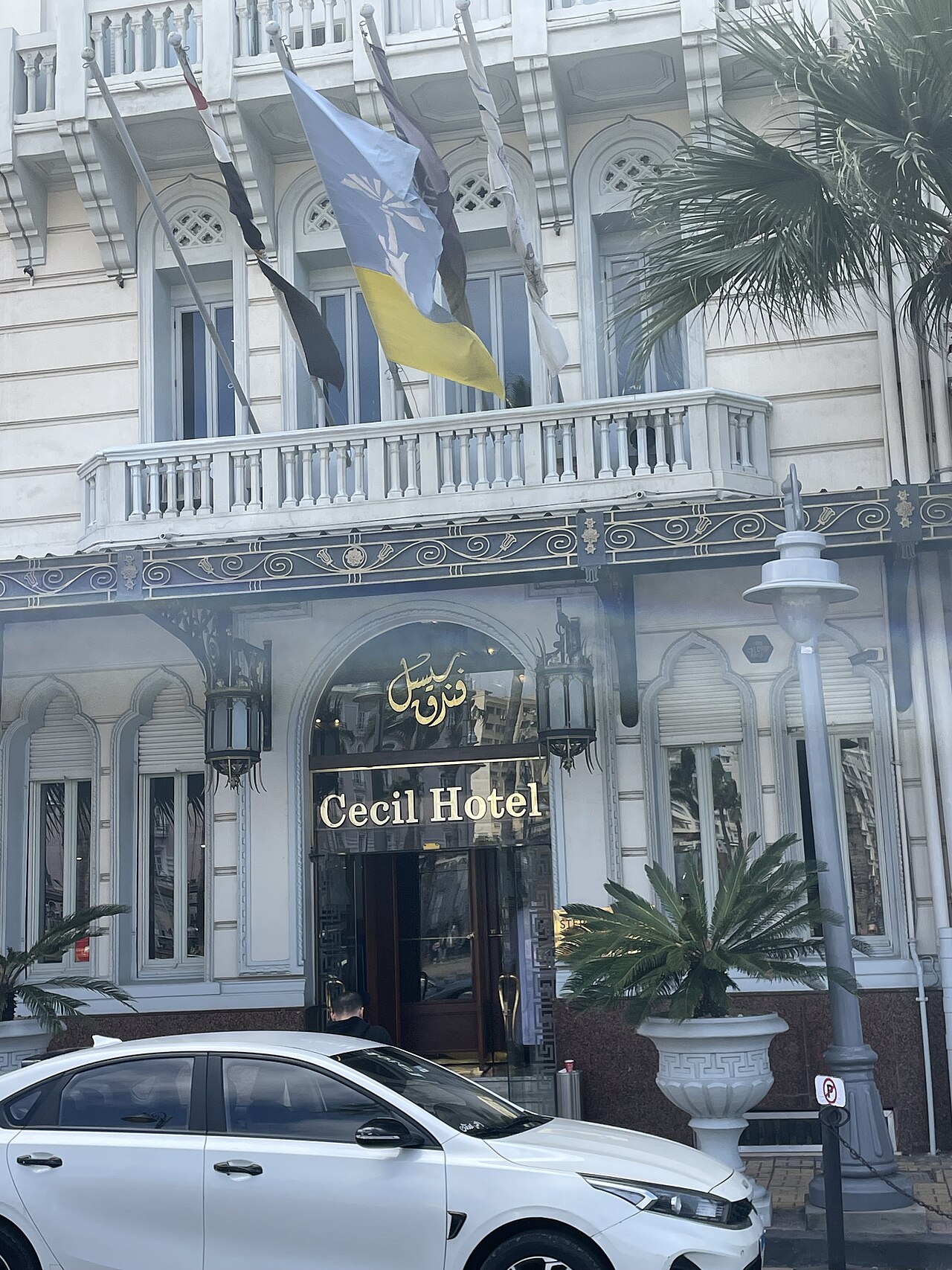
A downtown hotel makes day one easy on foot, while a seafront hotel to the east suits day two and a beach finish. Either way, ask for a higher floor to escape traffic noise, and book early for summer and weekends, when Egyptian families fill the coast. If you are splitting your stay, spend the first night near the centre and the second by the sea.