The AlUla Oasis is the reason the valley has been lived in for thousands of years. A natural underground spring feeds a long green belt of about 2.3 million date palms and some 200,000 citrus trees, with fig and olive trees, herbs such as basil and mint, and small fields of barley, wheat and oats between them. After the bare sandstone of Hegra and the desert viewpoints, the shade is a relief, and the sound of water in the old irrigation channels is one of the quiet pleasures of the trip. Farm tracks and paths run between the palms, and several cafés and restaurants in and around the oasis serve food that comes straight from the groves. It is one of the easiest places in AlUla to slow down.
Why it matters
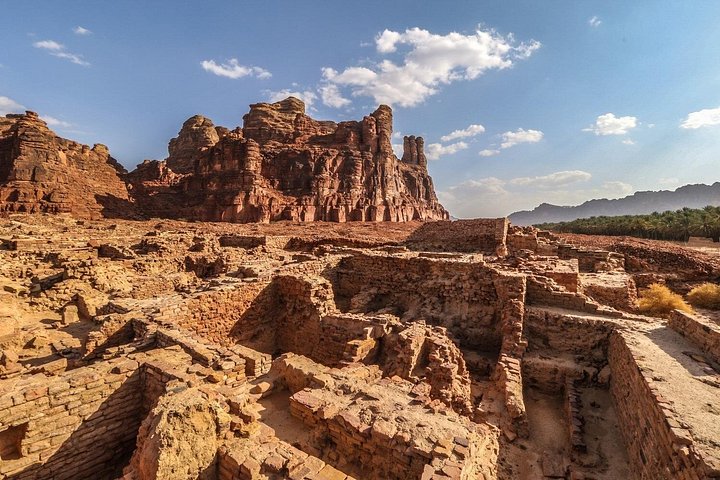
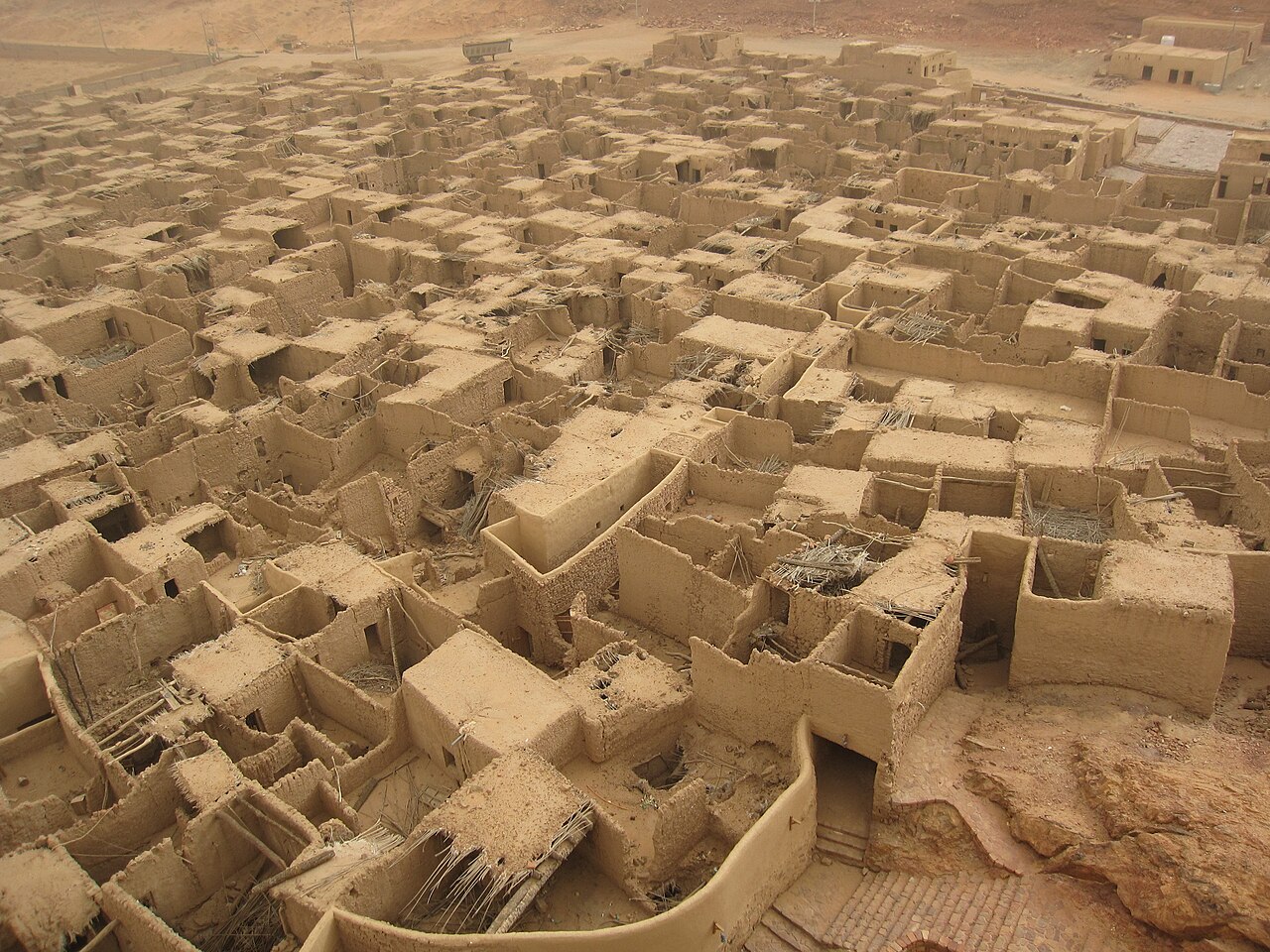
The oasis explains everything else in the valley. The Dadanites, Lihyanites, Nabataeans and later pilgrim caravans all settled here because water was here, and the mud-brick Old Town sits at the edge of the palms for the same reason. Walking a path between the trunks, with the cliffs rising on both sides, makes the long history of the place feel physical rather than abstract. It is also a working landscape, so you may see farmers, irrigation gates and harvests depending on the season.
How to visit
The tourism board suggests using the Heart of the Oasis parking or the North Parking near AlJadidah, and parking is free in a few locations. Entry to the groves is not a headline attraction with a gate, so the simplest way to get value from it is a guided heritage walk or tour, which explains the falaj irrigation system, the crops and the farming families.
The tour linked here is a guided oasis heritage trail. The exact route, length and inclusions can vary, so check them with the operator when you book. Bicycles and short walks also work well on your own, and the cafés give you a natural place to stop.
Plan around the heat
From roughly November to March the groves are pleasantly cool in the morning and mild in the afternoon, and the light under the palms is soft for photographs. In the hot months, go early or in the evening. Wear comfortable shoes, carry water, and dress modestly, because you will pass working farms and small communities. A visit pairs naturally with Old Town, which is a short distance away, and with a lunch or an early dinner at one of the oasis cafés.
Good to know
The oasis is a living place, so keep to paths, do not pick fruit unless a farmer invites you to, and ask before photographing people. Ask your guide which crops are in season, because the harvest calendar changes what you will see, taste and buy. A morning here followed by an afternoon at Hegra is a well-balanced day, with shade first and monumental rock second.
Making it a half day
If you want to go deeper, start with a guided walk, pause for coffee and fruit at a farm café, then ask about traditional crafts such as palm-leaf weaving, which are sometimes shown during the cooler months. Families with young children can treat the groves as a shaded playground, and photographers will find the low sun through the palms rewarding. Because paths can be dusty, closed shoes are better than sandals, and a light scarf helps with wind and sun alike.
What to expect
The experience
A guided heritage walk or an independent stroll along shaded farm paths between date palms and citrus groves.
Best time
Morning, when the groves are cool and the light is soft.
How long
One to three hours depending on whether you take a guided trail or wander.
Tips
Wear comfortable shoes, carry water, keep to paths and ask before photographing people.
Quick picks
- Best for
- Travellers who want shade, greenery and a sense of how the valley has been farmed for centuries.
- Families
- Easy, flat walking in the shade, and children enjoy the irrigation channels and the café stops.
- Couples
- A slow morning walk followed by a long lunch at an oasis café.
- Pair with
- Old Town and a late-afternoon Hegra tour.
- Time needed
- Allow two to three hours including a café stop.
Good questions
What is the AlUla Oasis?+
It is a green belt of date palms, citrus trees, herbs and small fields fed by natural underground spring water, running through the valley beside Old Town.
How many palm trees are there?+
The tourism board gives the figure as about 2.3 million date palms and about 200,000 citrus trees.
Where do I park?+
The tourism board recommends the Heart of the Oasis parking or the North Parking near AlJadidah. Parking is free in a few locations.
Is it better with a guide?+
A guide adds a lot, because the irrigation system, the crops and the farming heritage are not obvious from the path alone. Independent walks and cycling also work well.
When should I go?+
Mornings in the cooler season, roughly November to March, are best. In summer, go early or in the evening.