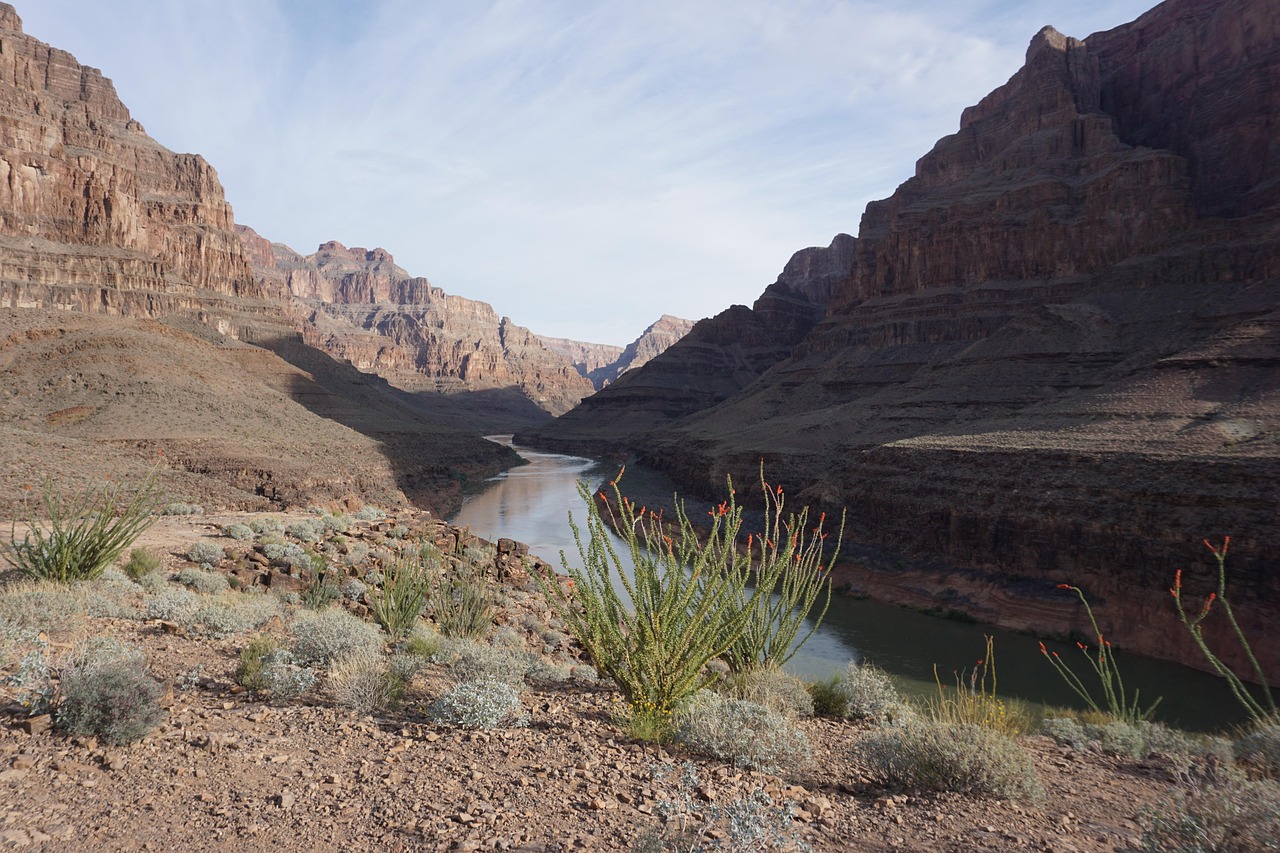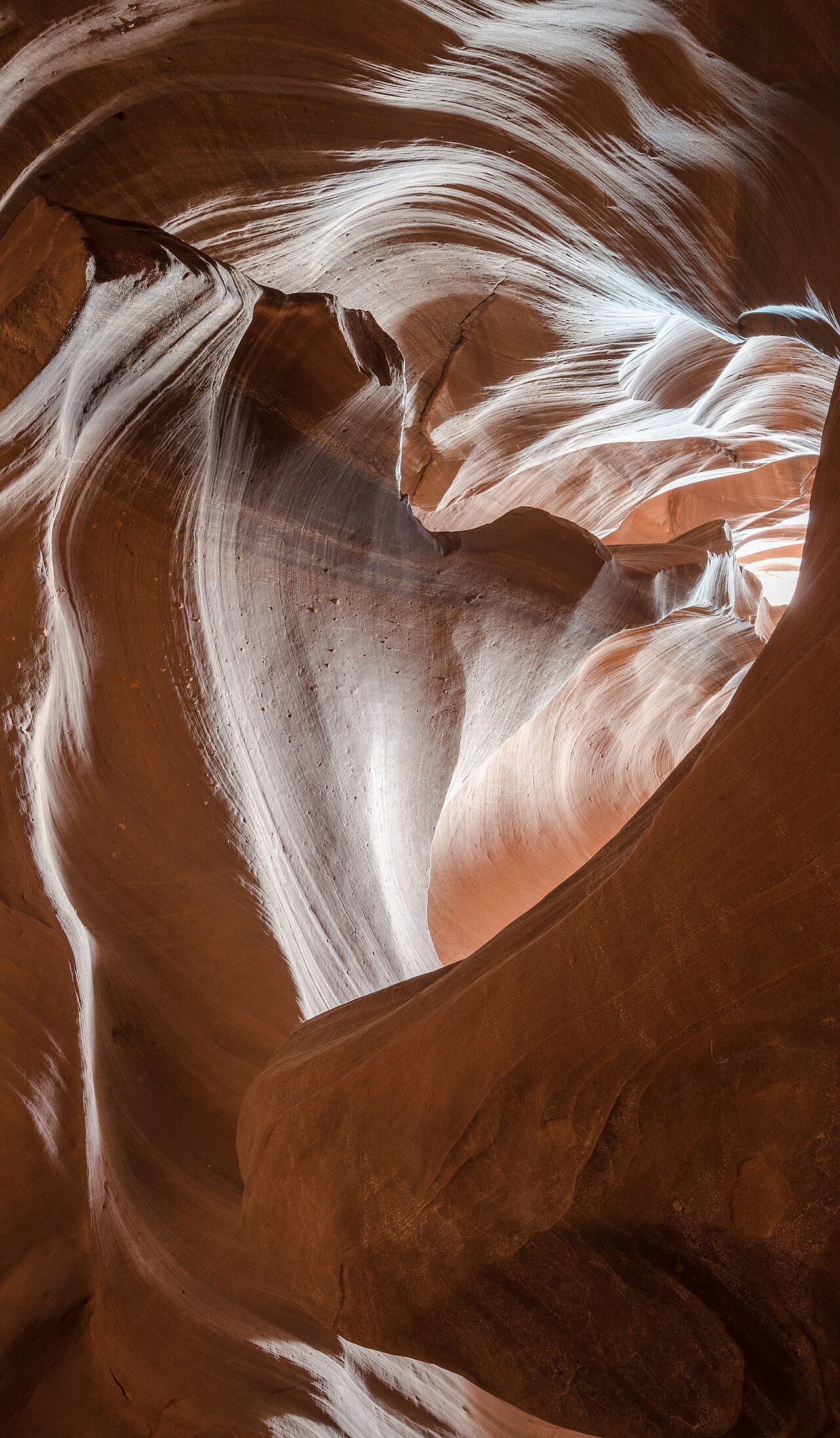
Seeing one famous canyon is satisfying, but seeing three in a single outing shows what makes each of them different. A three-canyon photography tour is built for people who care more about frames than about ticking off names. With a guide who knows the timing and the angles, you move between slots with different characters, such as a wide cathedral-like corridor, a narrower ribbon of curves or a quieter canyon with fewer visitors. The photography focus means the pace is slower than a standard sightseeing tour, with time to stop, adjust and try again as the light shifts. It suits serious hobbyists and anyone who wants help turning a phone camera or a basic mirrorless setup into pictures they are proud of. Expect to walk on sandy ground, climb some stairs or ladders and spend several hours on your feet. In return you get a concentrated lesson in how light behaves in sandstone and a set of images that look nothing like each other, which is the point.
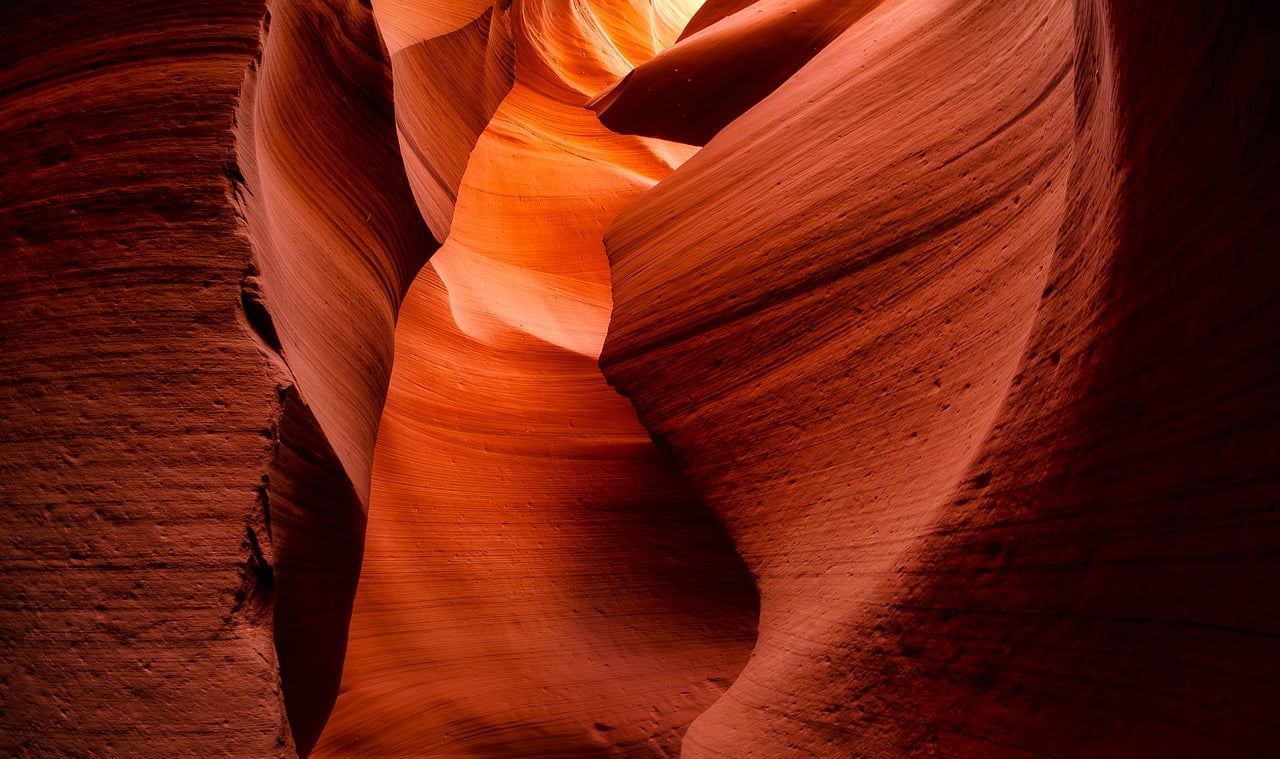
The logic of a multi-canyon day is variety. Each slot canyon around Page is carved by a different drainage, and small differences in width, depth and orientation change how light enters and how the walls look. In some, the afternoon sun dips deep and lights the lower walls orange; in others, high narrow openings throw bright shafts across the floor.
A guide who works with photographers will have a feel for which canyon suits which time of day, and will plan the order accordingly. Ask at booking which canyons are included, since that determines the logistics and the kind of images you will make.
Good preparation raises the quality of the day. Know your camera settings before you arrive, and practice shooting in low light with a high ISO and wide aperture. Bring a wide lens if you have one, a lens cloth for dust and spare batteries and memory cards.
Sand is everywhere in slot canyons, so change lenses sparingly, keep bags closed and cover gear when not in use. Tripod and bag rules differ by canyon and operator, so confirm what is allowed. Wear sturdy closed shoes, bring water and dress in layers, as canyon floors are cooler than the surface.
Timings and rules are worth confirming. The Navajo Nation observes daylight saving time while the rest of Arizona does not, so check the time on your confirmation against the right clock. Tours can be cancelled for flash-flood risk, so keep a spare day in your plans. Expect a long day and build in snacks and rest. Think about how to use the images afterward: sort and edit them while the experience is fresh, and choose a few strong frames rather than keeping hundreds of similar ones.
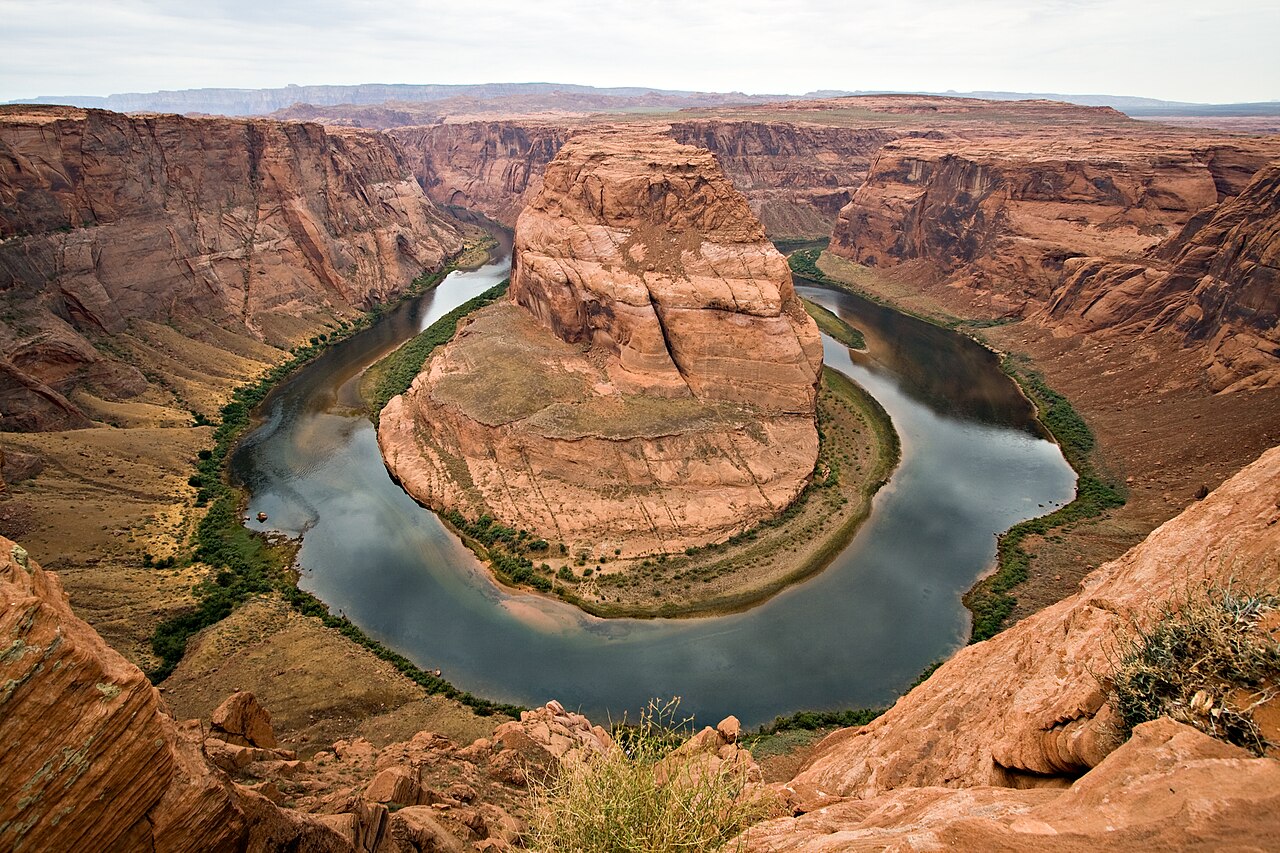
If you want a shorter or cheaper option, a single-canyon ticket with a photography upgrade may be enough, but if you are curious about comparisons, the three-canyon format teaches more in one day than three separate bookings might. Pair it with a sunrise or sunset at Horseshoe Bend for a complete Page portfolio. Finish the day by backing up your files, and note which canyon produced your favorite frames, because that will tell you where to spend more time on a return visit.
What to expect
The experience
A guided photography-focused day visiting three slot canyons near Page, with a Navajo-authorized guide and time to work each scene.
Best time
Late morning to early afternoon is typical for the best light in slots; spring and fall are the most comfortable seasons.
How long
Most of a day, depending on the itinerary.
Tips
Confirm which canyons are included and what gear is allowed, protect lenses from sand, bring water and check the Navajo Nation time zone.
Quick picks
- Best for
- Photographers who want variety and guidance in one outing.
- Families
- Best for older children and teens who can handle a long day.
- Couples
- A shared creative day with plenty of time for unhurried photos.
- Pair with
- Horseshoe Bend at sunset or a lake cruise the next morning.
- Time needed
- Most of a day.
Good questions
Which canyons are included?+
Itineraries vary, so check the tour details when you book to see exactly which slots you will visit.
Do I need a professional camera?+
No. Phones and compact cameras work well, though a wider lens and spare batteries help.
Are tripods allowed?+
Rules differ by canyon and operator. Ask before you go.
How physically demanding is it?+
Expect sandy ground, some stairs or ladders and several hours on your feet.
Can it be cancelled for weather?+
Yes. Flash-flood risk anywhere upstream can close canyons, so keep a spare day.