Many visitors picture northern Tanzania from the back of a safari vehicle, and that is a wonderful way to see it. But the region also rewards people who want to move under their own power. Within a short distance of Arusha you can walk with a ranger among giraffe, paddle a crater lake, cycle through forest and farmland, ride a horse across open country or hike to a waterfall. These active days give a different kind of connection to the landscape and make a good contrast with long drives.
Walking safaris
Arusha National Park is the place where walking is most established. A ranger-led walk, usually with an armed ranger, takes you on foot among giraffe, buffalo, zebra and monkeys, with time to look at tracks, plants and birds. The Walking Safari and Canoeing day combines the walk with a paddle on the Momella lakes. The pace is slow, the distances are modest and the reward is detail: the smell of sage, the sound of colobus monkeys and the size of an animal seen at eye level. Wear sturdy shoes, neutral colours and a hat, and follow the ranger without exception.
Cycling
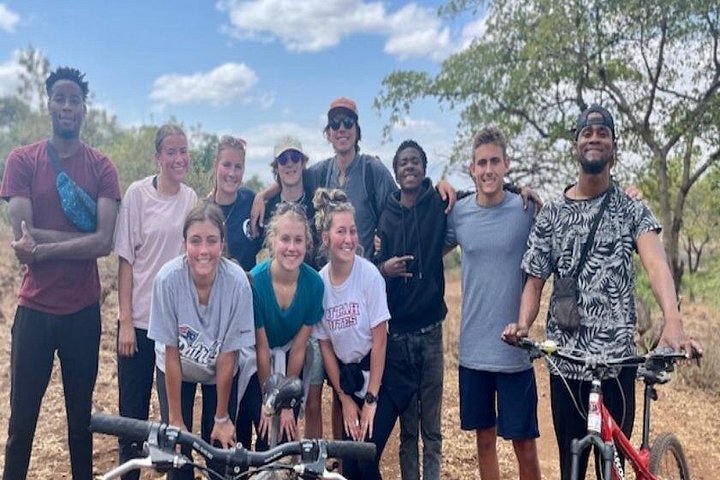
A mountain bike safari in Arusha National Park lets you cover more ground than a walk, with the quiet that makes wildlife approachable. Routes are on tracks rather than technical trails, but there are rough sections and gentle climbs, so moderate fitness is needed. Closer to town, the Bike Town Tour is an inexpensive way to see markets and backstreets, and the Shimo la Mungu crater ride is a short, scenic outing. Wear padded shorts if you are not used to a saddle, carry water and sunscreen and ask about bike quality before you set off.
Paddling
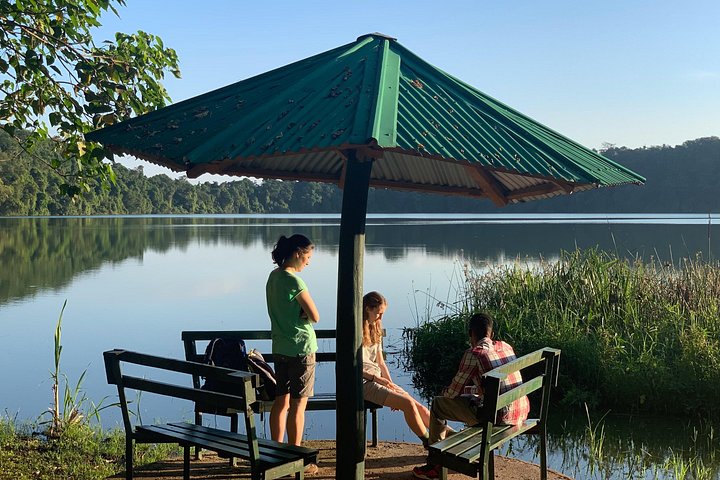
Lake Duluti is a small crater lake near Arusha, with forest edges and birds, and canoes are available for gentle paddles. The Momella lakes in Arusha National Park offer a more remote paddle with a ranger. Canoeing needs little experience: a guide will steer if you wish, and the pace is slow. It is a fine activity for families and for people who want exercise without strain. Bring a hat, a waterproof bag for your camera and sandals that can get wet.
Horseback riding
A ride through the farmland near Arusha gives you a countryside view and a physical rhythm that is quite different from other activities. Beginners are led at a walk, and experienced riders may trot or canter where the ground allows. Be honest about your skill, wear long trousers and closed shoes and ask about age and weight limits. A morning ride, followed by a coffee tour or lunch, makes a satisfying half day.
Waterfalls and village hikes
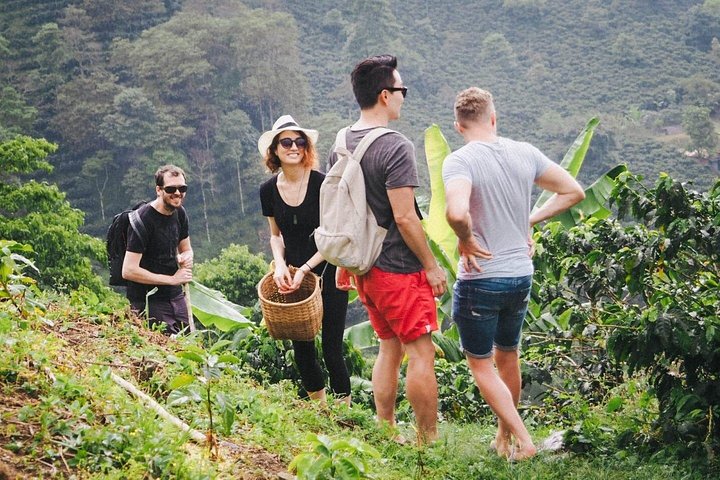
The Materuni and Napuru waterfall walks combine a forest trail with a coffee demonstration and a village lunch. The trails can be slippery in the wet season, so wear shoes with grip and bring a change of socks. These walks are shorter than a mountain hike but still require a decent level of fitness, particularly on the way back up. Chemka hot springs make a good reward for the legs afterwards.
Higher walks
If you want something harder, the day hikes on the Kilimanjaro slopes and the Machame and Marangu gate walks give a taste of altitude and rainforest. Treat them seriously: start early, carry layers and water and go with a licensed guide. Remember that altitude can affect anyone, and turn back if you feel unwell.
Fitness and safety
For most of these activities, a moderate level of fitness is enough, and your guide will adapt the pace. Always tell the operator about health conditions, injuries or medications. Wear sun protection, drink plenty of water and avoid overdoing it on your first day at altitude. Check that your travel insurance covers adventure activities such as cycling and horseback riding.
Planning your mix
A balanced trip might include one or two park days by vehicle, one active day on foot or bike and a rest day in town. If you are short of time, pick the active experience that best matches your interests. Birdwatchers might choose the birding day, cyclists the mountain bike safari and families the canoe and walking day. Whatever you choose, an early start gives the best light, the coolest weather and the greatest chance of seeing animals.
A final thought
Active days are not a replacement for the great safari parks, but a complement to them. They slow you down, put you in contact with people and landscapes, and often produce the most vivid memories of a trip. With a good guide, sensible preparation and a willingness to get a little dusty, you can enjoy Arusha on your own two feet, two wheels or four hooves.