Northern Tanzania can be visited all year, but the character of the trip changes with the seasons. Arusha sits at altitude on the slopes of Mount Meru, so the weather is milder than the lowlands, and the region has two rainy periods and two drier ones. Knowing how the calendar shapes each day trip helps you choose dates that match your priorities, whether those are elephants gathered by a river, quiet roads, green landscapes or clear mountain views.
The long dry season, roughly June to October
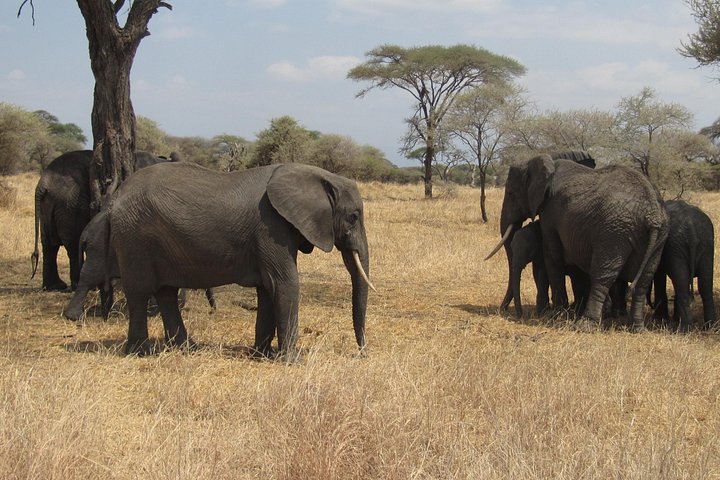
This is the classic safari window. Rain is rare, roads are firm, grass is shorter and animals concentrate near permanent water. Tarangire is at its best, with elephant herds along the river and dense wildlife in a small area. Lake Manyara and Ngorongoro Crater are also rewarding, and mornings in Arusha National Park often show a clear Mount Meru. The trade-off is that these months are the busiest, so book park days, lodges and guides well ahead, particularly around July and August and the holiday periods. Expect dust on the roads and cool mornings and evenings, so bring layers.
The short dry spell, roughly January to February
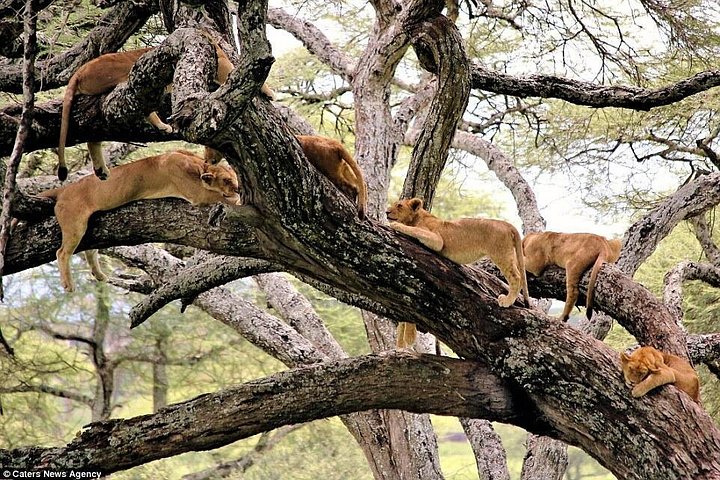
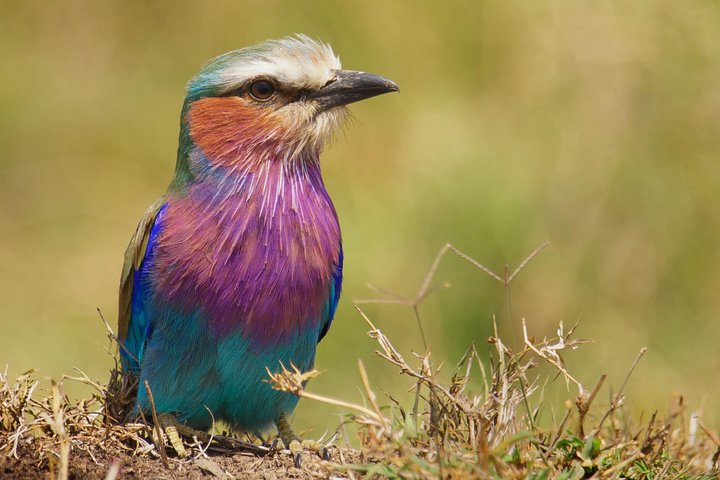
After the short rains, many parts of the circuit are green and the weather is warm. It is a good time for birdwatching, since resident birds are breeding and migrants are present, and the crowds are thinner than in the peak months. The great migration herds are far to the south and west, so the day trips from Arusha are more about resident wildlife than huge gatherings. Days can be hot in the lowlands, so start early and carry water.
The short rains, roughly November to December
Showers tend to come in the afternoon and are often brief, and the landscape turns green quickly. Lodges and tours can be cheaper, and parks are quieter. Roads can be muddy in places, so allow extra time and expect your driver to adjust the route. This is a good time for birds, flowers and dramatic skies, and it suits travellers who value atmosphere over guaranteed clear weather. Carry a light waterproof and keep camera gear in a dry bag.
The long rains, roughly March to May
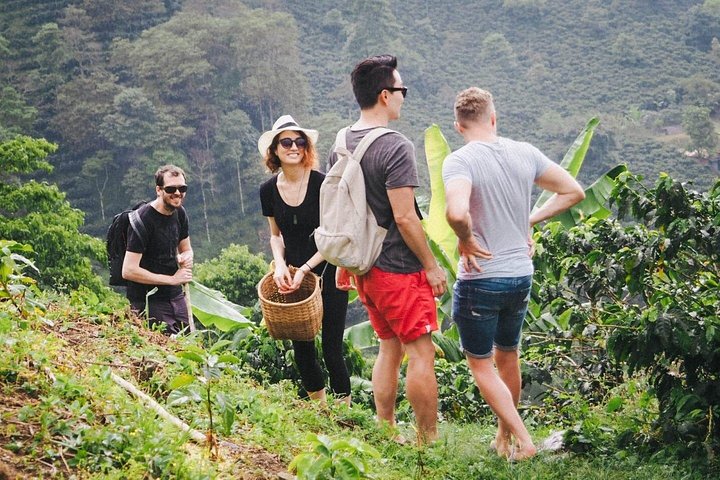
Rain is heaviest in April and May, and some tracks can become difficult. Many travellers avoid this period, and some lodges close for part of it. On the other hand, the countryside is lush, the air is clear between showers, and you can enjoy quiet parks and low rates. If you travel then, choose day trips that are less dependent on dry roads, such as a cooking class, a town walking tour, the Cultural Heritage Centre or a coffee tour, and build flexibility into your plans so that a wet day can be swapped for an indoor one.
Matching seasons to day trips
For Tarangire, the dry season is best. For Ngorongoro Crater, any month works, but the dry months have the easiest access and the green months have fewer vehicles on the floor. For Lake Manyara, the green season is excellent for birds and the dry season for forest walks and animals near water. Arusha National Park is gentle year-round, though clear views of Mount Meru are likeliest in the dry months. For Materuni and Napuru waterfalls, the green months give stronger flows but muddier trails. Chemka hot springs are lovely all year, and a swim is welcome after a dusty drive. Cultural visits, such as Maasai villages and craft workshops, are not seasonal, though rain can affect the tracks.
Temperatures and clothing
Arusha is cool at night and warm by day, and the crater rim can be cold in the early morning. Pack a fleece, a light waterproof, a hat, sunscreen and neutral clothing. In the lowlands, such as Tarangire, midday heat can be strong. Layers are the answer, as you will pass through several microclimates in a single day.
Crowds and booking
The busiest times are July to September and the Christmas and New Year period. In these months, book vehicles and guides early, ask for an early start to reach the parks before the traffic builds and consider a less popular park on a weekday. In quieter months, you can often arrange tours at short notice, though it is still wise to confirm key bookings a few days ahead.
Wildlife patterns to keep in mind
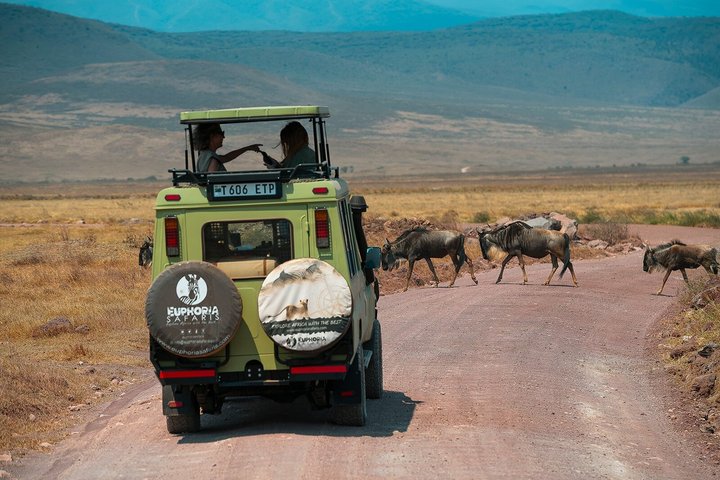
The great wildebeest migration is a Serengeti story, and it moves through the year across a huge landscape. Day trips from Arusha concentrate on the northern parks, where resident wildlife is the focus. If the migration is your main goal, you need a longer itinerary, which is outside the scope of this guide, but you can still enjoy exceptional wildlife in the parks near Arusha at any time.
A simple rule
If you want the most animals and the easiest roads, travel from June to October. If you want green landscapes, birds and a quieter trip, choose January, February, November or early December. If you travel in the long rains, favour flexible, low-risk activities and expect fewer visitors. Whichever season you choose, an early start, a good guide and a relaxed attitude are the real keys to a good day.