Auckland is the most multicultural city in New Zealand, and its food reflects it: Pacific Island, Māori, Chinese, Korean, Indian, Japanese and Southeast Asian traditions sit beside a confident local scene built on excellent seafood, lamb, dairy and wine. You do not need a food plan to eat well here, but a little direction helps. This guide is about where to eat around your sightseeing and what to look for, rather than a list of restaurants that may have changed by the time you arrive.
Seafood from the Gulf
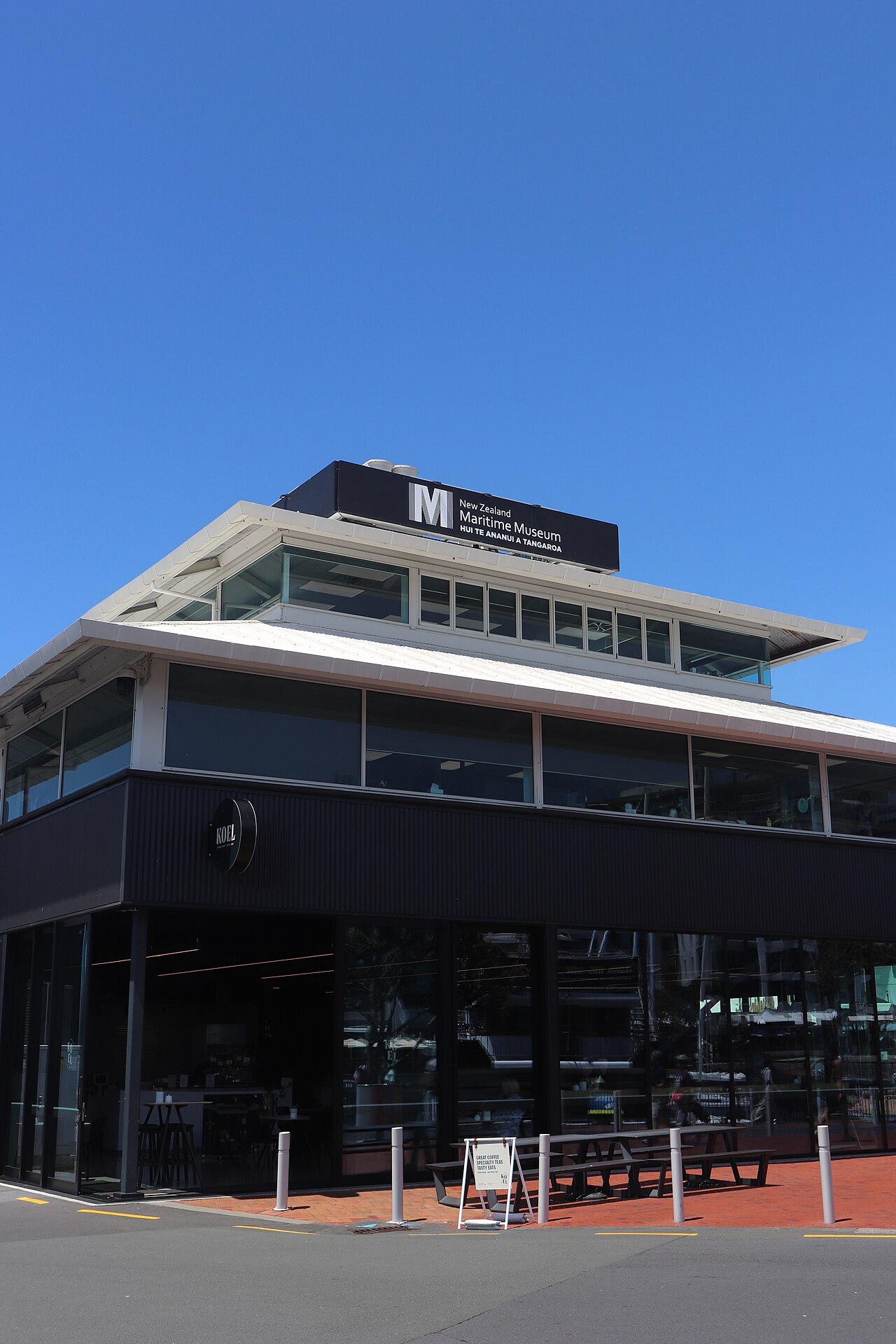
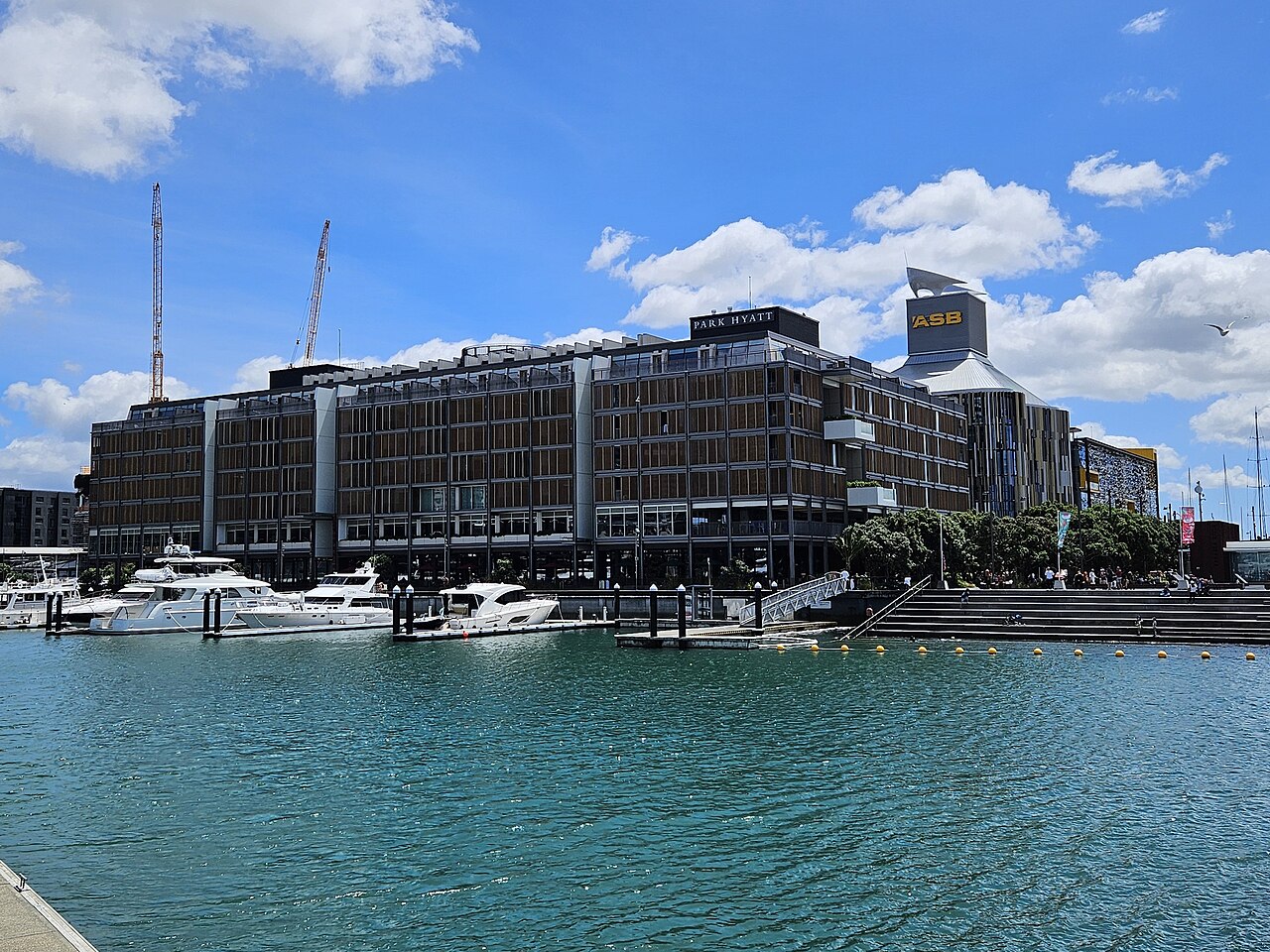
The Hauraki Gulf and the cold waters around New Zealand give the city its signature produce. Look for snapper, a local favourite, along with green-lipped mussels, oysters, crayfish and kina, the sea urchin. The simplest and most Kiwi way to try fish is fish and chips, eaten from paper by the water. The Wynyard Quarter waterfront, where fishing boats still tie up, is a natural place for a seafood lunch after the Viaduct Harbour and the Maritime Museum.
Wine, especially on Waiheke
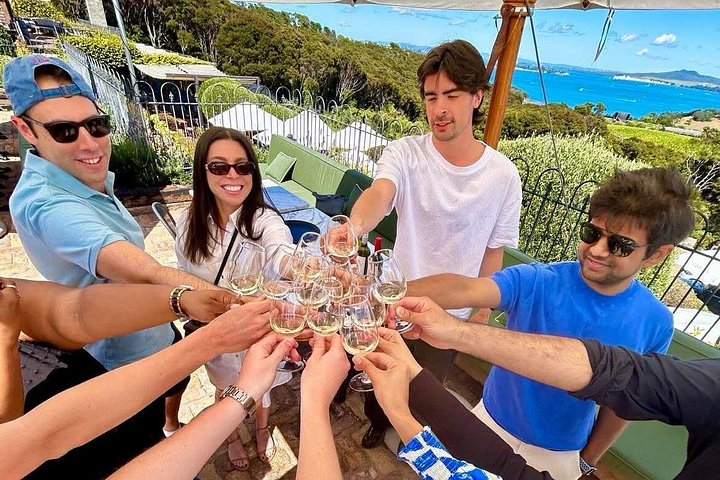
New Zealand is known for Sauvignon Blanc, Pinot Noir and Chardonnay, but Waiheke Island is best known for its Bordeaux-style reds and Syrah, grown in a warm, sheltered climate. A day on the island usually revolves around a vineyard lunch with a view over the water. Reserve ahead in summer, and decide who will drive or choose a guided tour or taxi, since distances between cellar doors are real and the roads are winding. If you prefer to stay in town, the city has plenty of wine bars, and many restaurants pour New Zealand wine by the glass so you can taste widely.
Coffee and the café habit
Auckland takes coffee seriously. The flat white, a small espresso drink with silky milk, is the local standard, and the short black and the long black are also easy to find. Cafés tend to open early and close mid-afternoon, and a brunch of eggs, corn fritters, avocado or bacon is the city’s favourite way to start a weekend. For a quick snack on the move, look for a meat pie from a bakery, a classic Kiwi habit, and for dessert, pavlova, the meringue dessert that both New Zealand and Australia claim as their own.
Māori and Pacific food
The traditional Māori hāngī, food cooked slowly in an earth oven, is most often experienced at a cultural event, and the Auckland Museum’s Māori cultural performance is a good introduction to the culture behind it. Auckland is also home to one of the largest Polynesian populations in the world, so Samoan, Tongan and Cook Islands dishes, such as raw fish in coconut cream, taro, and slow-cooked pork and lamb, appear in family-run places and at markets, especially in the southern suburbs. Be curious, ask what a dish is, and you will usually be welcomed.
Asian food, from dumplings to ramen
The city centre and suburbs hold a huge range of Asian cooking. Dumplings, noodles, hot pot, Korean barbecue, Japanese ramen and izakaya, Indian curries and Southeast Asian street food are all easy to find, often at very fair prices. If you want a cheaper meal near the Sky Tower, the lanes and side streets around the central city are a good place to look, and food courts in the CBD are another quick option.
Fitting meals around the sights
Pair lunch with the sight you are already visiting. At the waterfront, eat at Wynyard Quarter or Viaduct Harbour. After the volcano walks at Maungawhau or Cornwall Park, a café stop in the nearby suburbs is a good reward, and Cornwall Park itself has a café inside the grounds. On the Tāmaki Drive route, Mission Bay has a strip of casual beachside places that suit families after Kelly Tarlton’s. If you are visiting the Auckland Art Gallery, the surrounding city streets offer easy lunch options.
Practical notes
Prices are in New Zealand dollars. A service charge is not added and tipping is not expected, though many people round up for outstanding service. Many restaurants offer vegetarian and gluten-free options, and staff are usually relaxed about dietary questions. Booking is wise for dinner on Friday and Saturday and for any popular vineyard lunch. Tap water is safe to drink, so you can skip bottled water. Finally, if you are carrying fresh food into the country or planning to take it onto a pest-free island, check biosecurity rules first, as they are strict.