Auckland has a mild, maritime climate, which means no extremes but plenty of variety. It is a city where a bright morning can turn showery by afternoon, and where locals say you can experience four seasons in a day. Because New Zealand is in the southern hemisphere, the seasons are the reverse of Europe and North America. Here is how each one feels and what to plan around.
Summer, December to February
This is the warmest and busiest season, with long evenings, warm water and the full calendar of beach days, island trips and outdoor events. It is also the peak for prices and bookings, because it overlaps with the Christmas and New Year holidays and the New Zealand school summer break. Book accommodation, ferries to Waiheke and day tours such as Hobbiton well in advance, and expect the sun to be strong, so bring sunscreen and a hat. It is the best season for swimming, sailing and the Gulf islands, though humid days can bring heavy showers.
Autumn, March to May
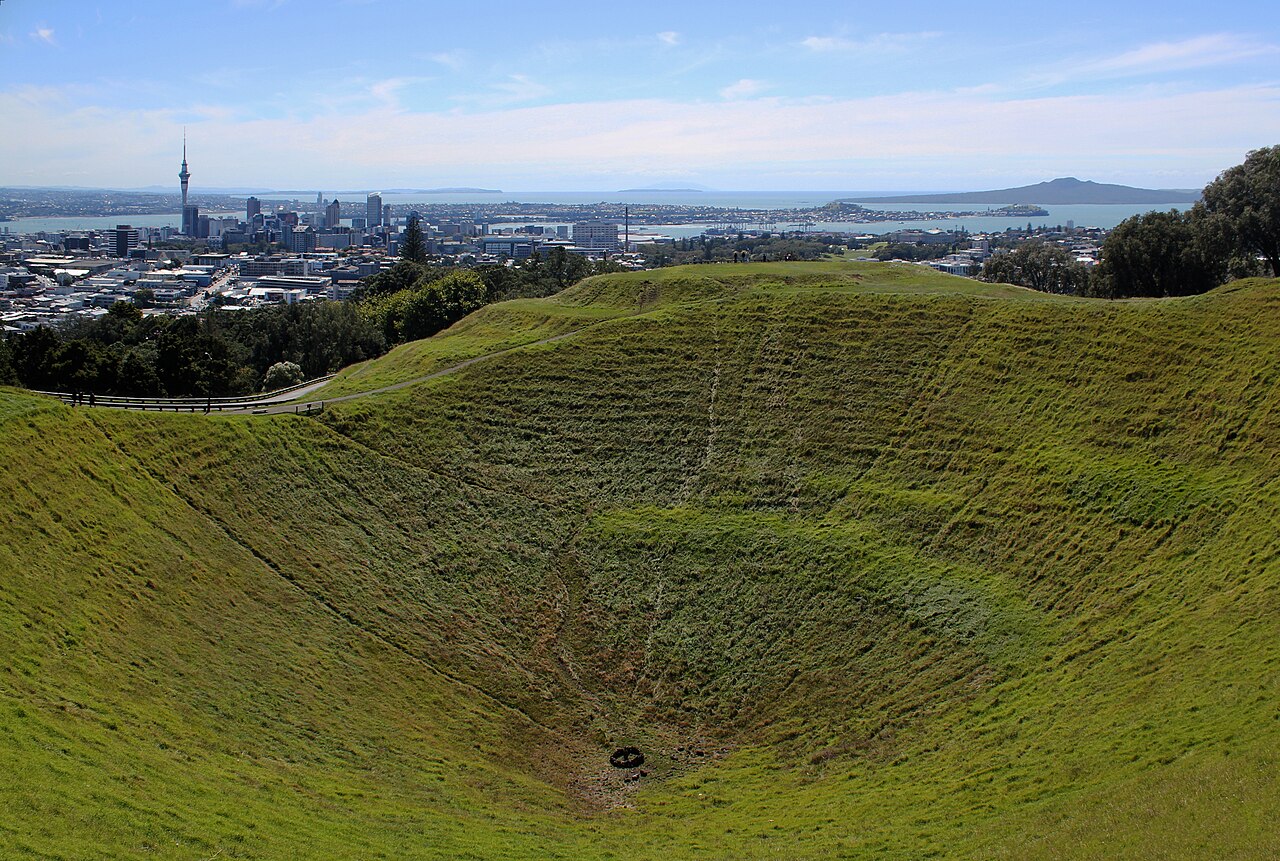
Many locals consider autumn the best time to visit. The sea is still warm, the crowds thin out after the school holidays, and settled weather is common, especially in March. Prices ease, vineyard visits on Waiheke are pleasant, and the volcano walks are comfortable. By May the days shorten and the evenings cool, but it remains a pleasant time to be outside.
Winter, June to August
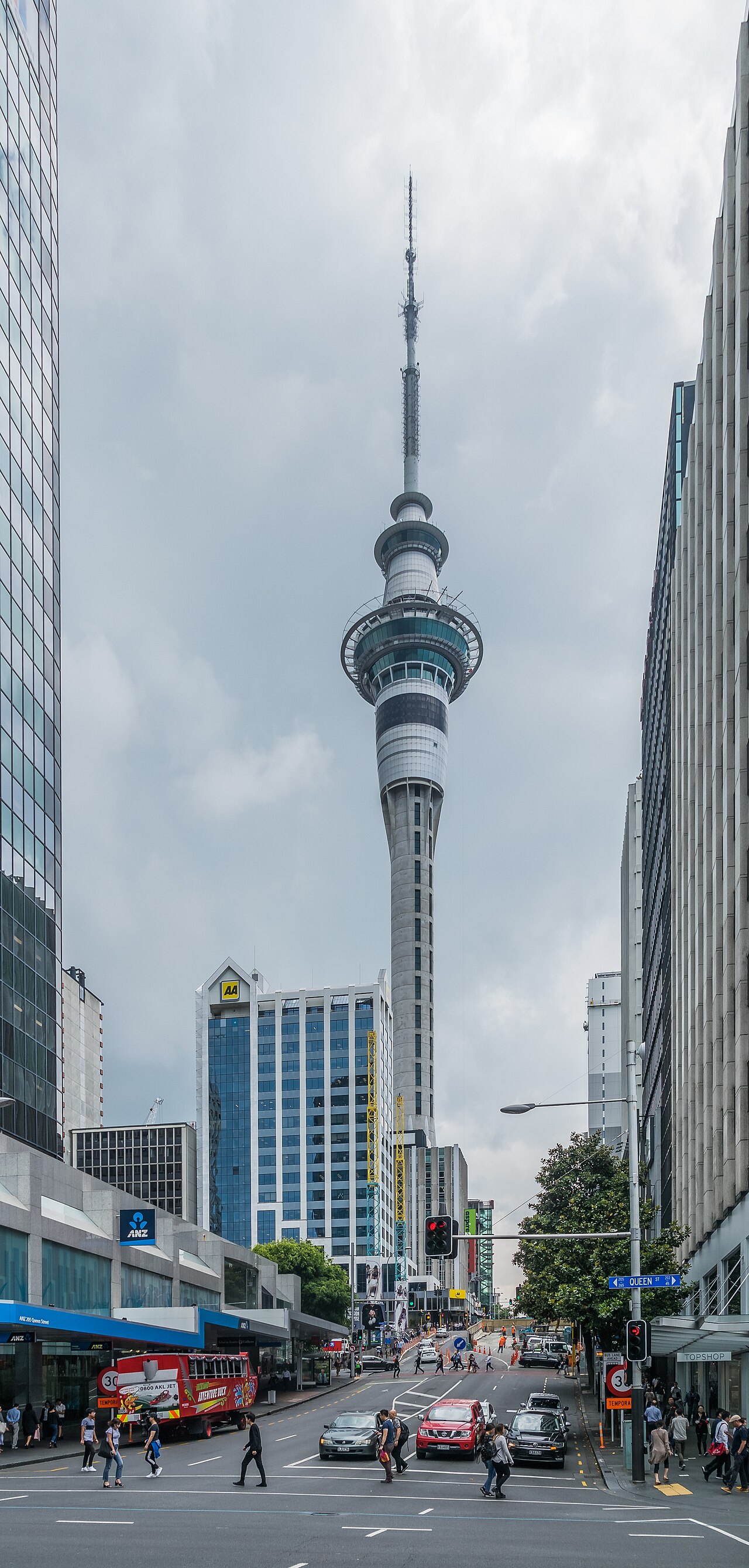
Winter in Auckland is mild by international standards, with cool temperatures but rarely frost or snow in the city. It is also the wettest part of the year, so plan around the rain with museums, the aquarium, Wētā Workshop Unleashed, the All Blacks Experience and the Auckland Art Gallery. Between showers, clear days can be wonderful, with crisp views from the Sky Tower and the volcanoes. Accommodation is cheaper, attractions are quieter, and it is a good season for indoor sights and for cosy dining. Pack a proper waterproof jacket and layers. West coast beaches are for walking, not swimming.
Spring, September to November
Spring brings longer days, fresh green growth and changeable weather, with sunny spells and showers in quick succession. It is a lovely time for walks, gardens and the volcanic cones, and for wildlife, since seabird colonies become active as the weather warms. Crowds are lighter than in summer and prices are moderate, but you should always carry a layer and a rain jacket.
Choosing by activity
For beaches and swimming, come between December and March. For walking, volcano climbs and vineyards, the best months are usually autumn and spring. For museums, indoor attractions and low prices, winter is the best value. For Hobbiton, Waitomo and Rotorua, which run all year, any season works, though summer tours fill fastest. Watching the harbour and the Gulf is rewarding in all seasons, but sailings depend on the weather and can be cancelled in rough seas, so keep a spare day in your schedule if you can.
What stays the same all year
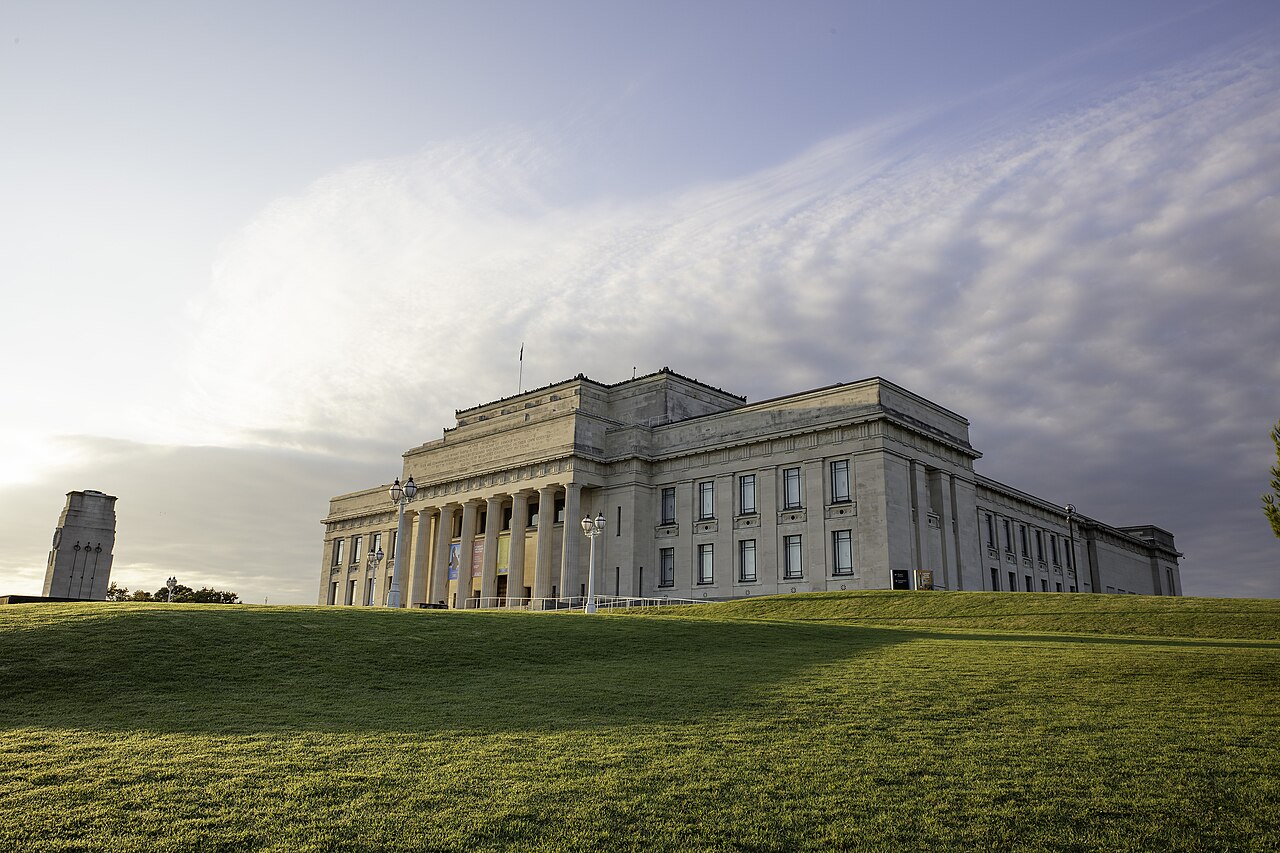
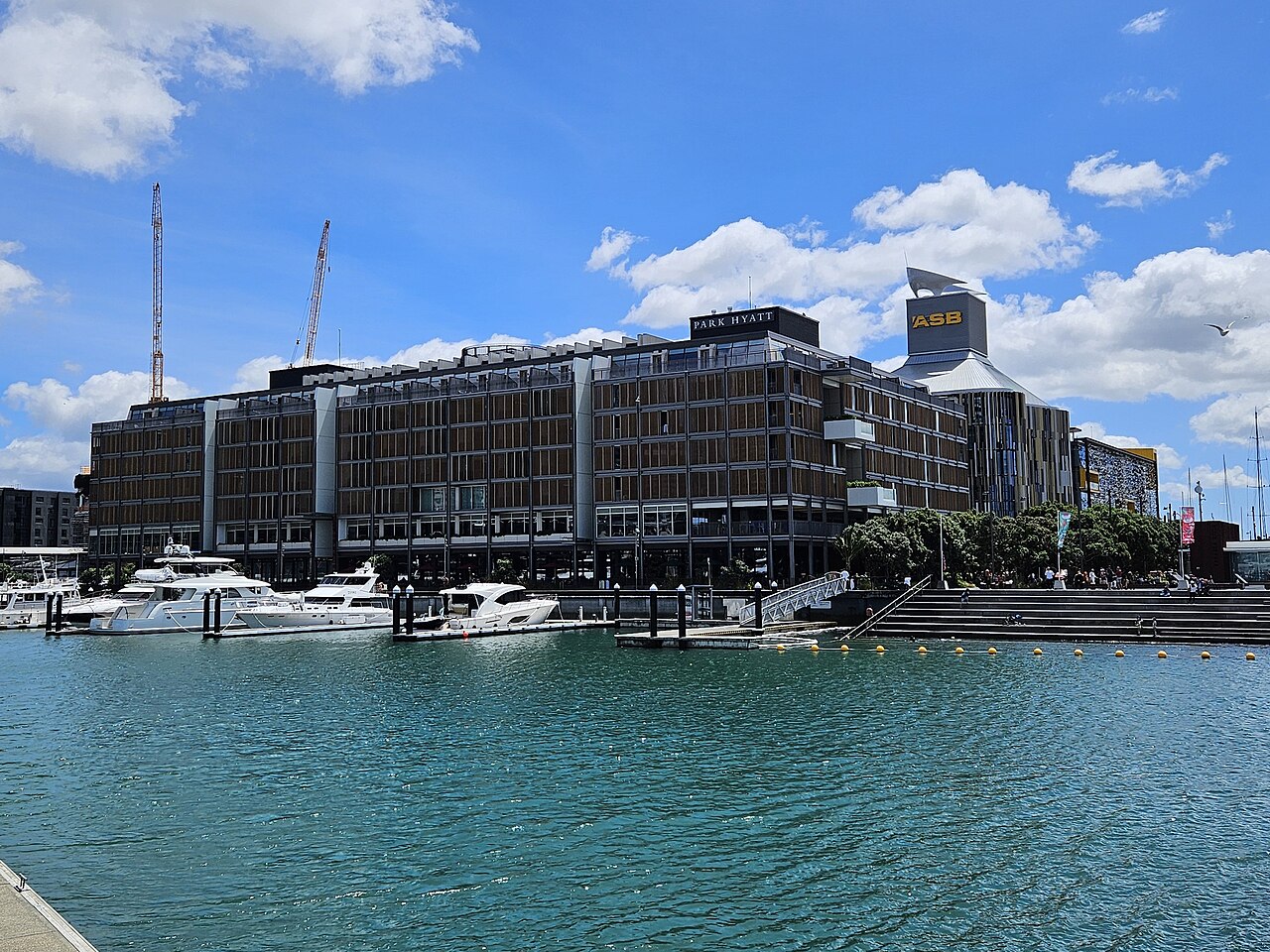
The Sky Tower, the Auckland Museum and the waterfront are open throughout the year, though closing times vary by season and attractions can close for weather or private events, so check before you go. The sun in New Zealand is intense even on cool or cloudy days, so wear sun protection in every season. Wind off the harbour makes it feel cooler than the thermometer suggests, particularly on the water.
Our recommendation
If you can choose, aim for March or early April, or for late spring, when the weather is generally pleasant, the days are long enough, the crowds are modest and prices are reasonable. If you must come in the summer peak, book early, and if you come in winter, treat it as an indoor-and-city trip with islands on the best days.