New Zealand is not a cheap destination, and Auckland is its most expensive city, but a surprising amount of what makes it special costs little or nothing. The volcanoes are free, the waterfront is free, and several of the best views in the country need no ticket at all. Spend your money on two or three experiences that matter to you and enjoy the rest at no cost. Here is how.
Climb the volcanoes
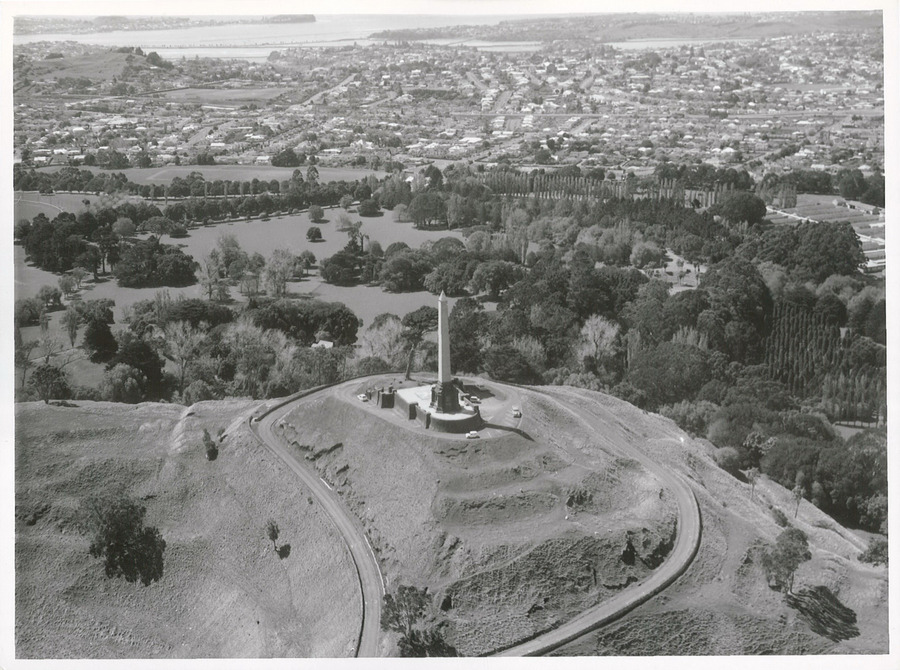
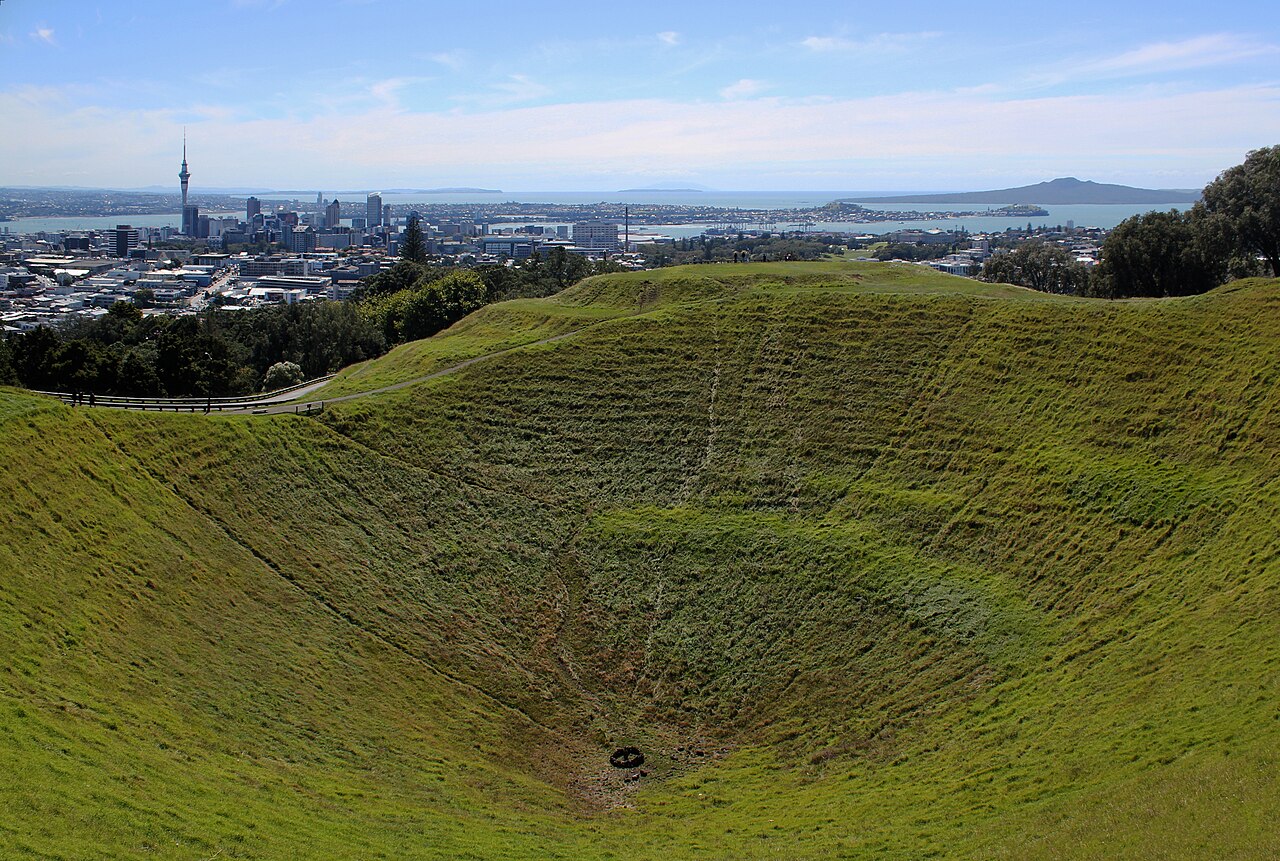
Auckland sits on a field of volcanic cones, and many of them are public parks with open access. Maungawhau / Mount Eden has a crater you can look into and the best free view of the skyline. Maungakiekie One Tree Hill in Cornwall Park offers sweeping views and a working farm in the grounds, and the park itself is free to enter. Maungauika North Head, across the harbour at Devonport, is threaded with old military tunnels and gun emplacements and gives views back to the city. Treat each as a half-day walk with a picnic and add a ferry ride for the Devonport side.
Walk the waterfront
The route from the Britomart precinct past the Viaduct Harbour to Wynyard Quarter is flat, scenic and free, with boats, public art and plenty of places to sit. From there you can continue along Tāmaki Drive by bus or on foot to Mission Bay, where a free beach and a coastal path await. This is the best low-cost day in the city.
Culture without a big bill
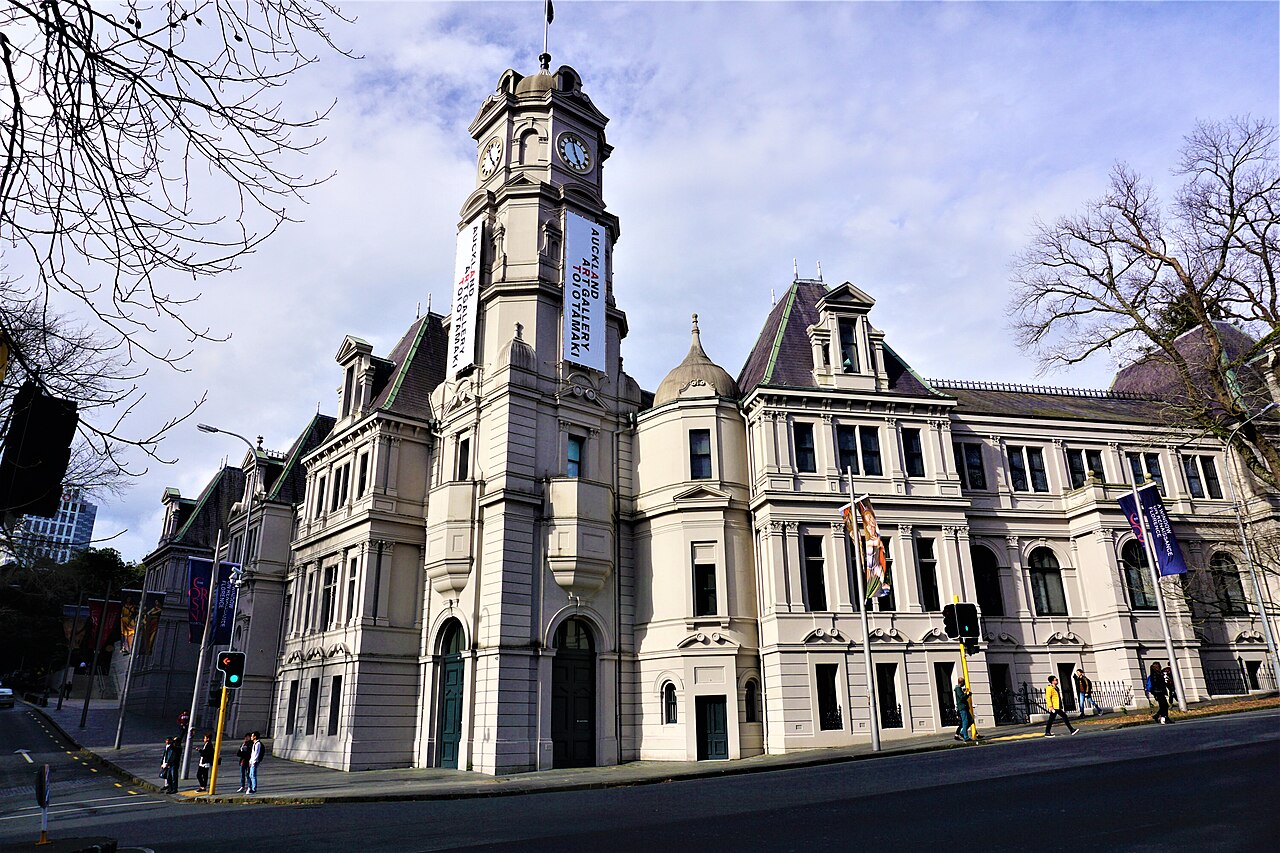
The Auckland Art Gallery Toi o Tāmaki, the largest art museum in the country, is free to visit for the permanent collection, and special exhibitions normally carry a charge. It makes a good rainy-day choice. Auckland Museum has an entry charge for international visitors, but it is among the best places in the country to understand Māori and Pacific history, and you can be selective: one gallery and one cultural performance is a fine visit rather than trying to see everything.
Use ferries as sightseeing
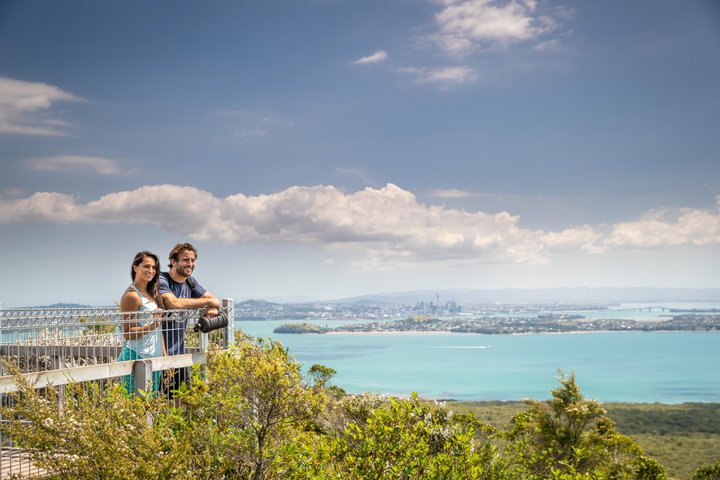
A ferry ride across the harbour to Devonport is cheap and gives you a skyline view for the price of a short fare. Longer sailings to Waiheke or Rangitoto cost more, but they replace a tour and can be paired with free activities, such as the beaches on Waiheke and the lava-field walk on Rangitoto. Take your own food and water to Rangitoto, since there is nowhere to buy either. Auckland’s public transport now accepts contactless bank cards and phone payments, so you do not need to buy a card for a short stay, and the AT HOP card is available if you want one.
Where to spend wisely
If your budget allows only a few paid experiences, think about what you will remember. The Sky Tower gives an overview of the whole region and is best on a clear day. The Hobbiton day trip is expensive but is the most popular excursion from the city for good reason. Wētā Workshop Unleashed and the All Blacks Experience are high-quality, but pick one rather than both unless you love film or rugby. SEA LIFE Kelly Tarlton’s suits families, and the adrenaline activities, such as the Harbour Bridge climb, are splurges for those who want them.
Eat and sleep cheaply
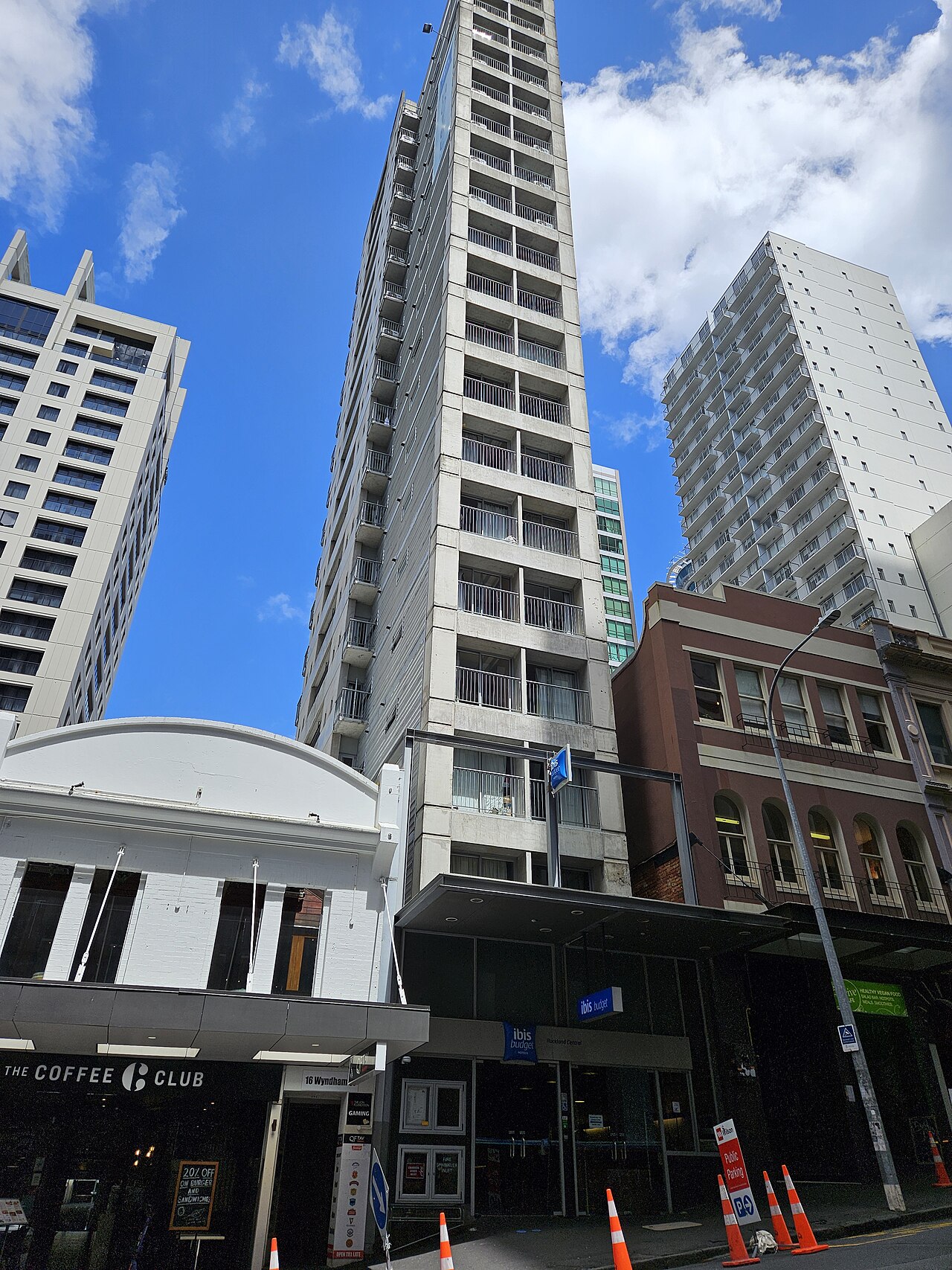
Food courts, bakeries, fish and chips, and the city’s many Asian restaurants offer filling meals at modest prices, and supermarkets sell picnic supplies. For accommodation, a budget hotel in the central city, such as ibis budget Auckland Central, keeps you within walking distance of the sights and saves on transport. Prices rise sharply in the summer peak and school holidays, so travelling in the shoulder seasons of spring and autumn is another easy saving.
A sample free day
Start with the climb up Maungawhau / Mount Eden in the morning, then catch a bus to Cornwall Park for a picnic, spend the afternoon at the Auckland Art Gallery, and finish with a walk along the waterfront to the Viaduct Harbour at sunset. It costs little more than public transport and a coffee, and it shows you Auckland at its best.