São Miguel has a mild, oceanic climate with no true extremes, so there is no bad time to visit, only different trade-offs. Temperatures stay moderate all year, the sea moderates both heat and cold, and the weather changes quickly in every season. The island's reputation for four seasons in a day is deserved, and flexibility matters more than the month on the calendar. This guide explains what each part of the year offers.
Summer: June to September
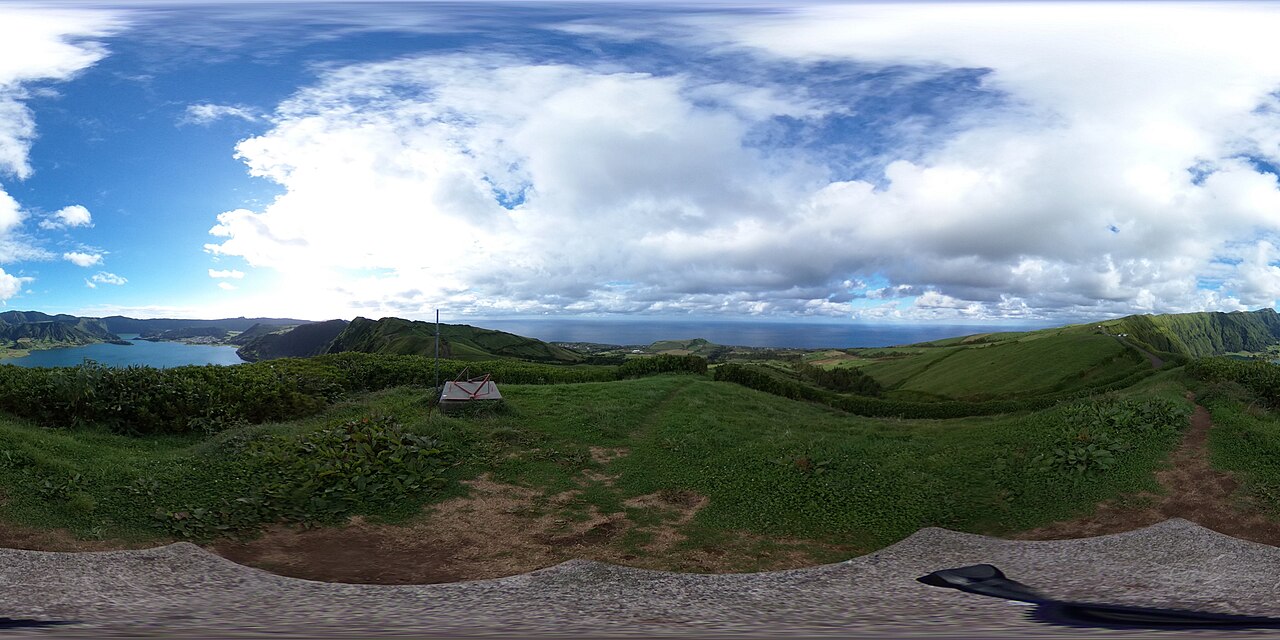
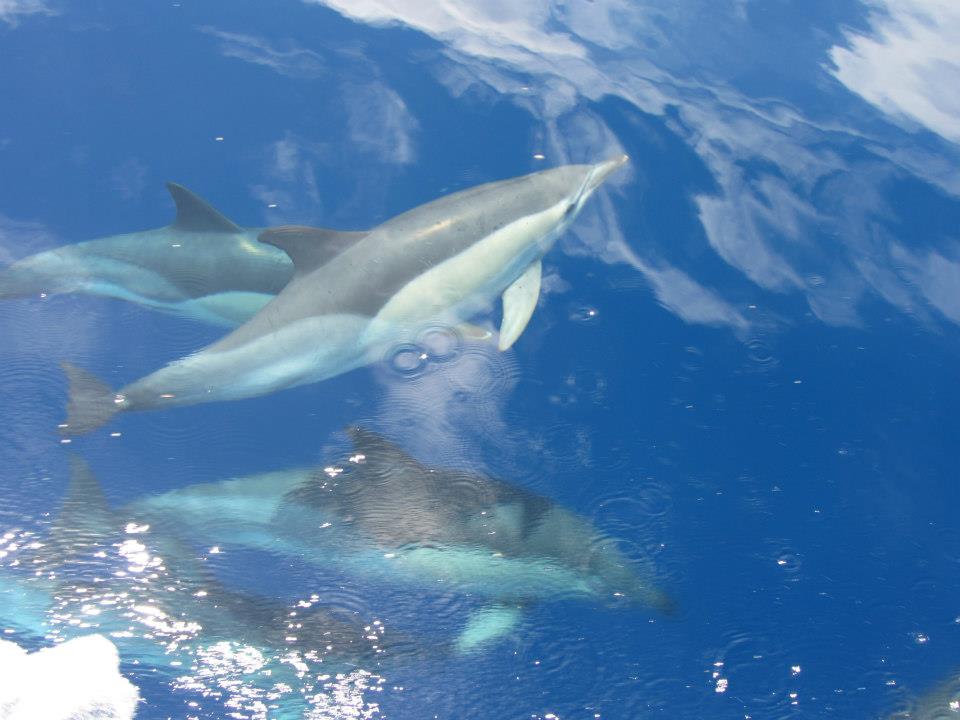
This is the warmest, driest and busiest period. Days are long, the sea is at its warmest, and the beaches, lava pools and coastal hot springs are at their best. Hydrangeas, which line the roads and fields across the island, usually bloom from early summer and make the drives especially pretty. Whale and dolphin watching is productive, hiking is comfortable, and canyoning is at its most pleasant. The trade-offs are crowds at the headline viewpoints and thermal pools, higher prices and the need to book hotels, rental cars and popular slots, such as Caldeira Velha, well in advance. Arrive early at Sete Cidades and Lagoa do Fogo to beat the tour groups.
Spring: April to May
Many regulars consider this the best compromise. The island is green, the flowers are out, temperatures are pleasant and the crowds have not yet arrived. Whale watching improves as the season opens, and hikers enjoy cooler air. Rain still falls, so bring a waterproof, but the showers tend to pass quickly. Prices are gentler than in summer, and availability is easier.
Autumn: October
The sea is still warm from the summer, the light is soft, and visitors thin out. It is a good month for whale watching at the tail end of the main season, for walks and for thermal pools, which feel better as the evenings cool. The weather becomes less predictable, with more cloud and rain, but clear spells are common.
Winter: November to March
Winter is low season, and it has real charm for the right traveller. Hotels are quieter and cheaper, the viewpoints are almost empty, and the green of the island is at its deepest. Camellias flower in the gardens, including at Terra Nostra and José do Canto. Thermal pools keep the same temperature all year, so a hot soak in the rain is one of the best things you can do on the island. Fumaroles look especially dramatic in the cool air. The trade-offs are more cloud and rain, shorter days, rougher seas and a higher chance that boat trips are cancelled, so keep days spare. Canyoning and open-water swimming are less comfortable. Whale watching still runs when conditions allow, but the choice of species is narrower than in the warm months.
Matching your interests to the season
If whales and dolphins are the priority, aim for April to October. If you want swimming and beaches, choose June to September. If hiking and photography matter most, spring and early autumn are ideal. If you want thermal pools, quiet and good value, winter works well, especially in Furnas. Families on a school-holiday schedule will meet summer crowds and should reserve early.
Weather tactics that work in any season
Check the forecast each morning and choose the clearest direction. Clouds often sit in the central highlands, so the coast may be bright when the lakes are hidden. Pack layers, a waterproof jacket and shoes that grip. Keep one day of slack, and plan indoor or sheltered backups such as a garden, a museum or a thermal pool. Above all, wait a few minutes at viewpoints. The weather that ruins one moment often clears the next, and the island rewards patience.
Crowds and costs by season
The shoulder months of May and October combine decent weather with easier bookings, and many returning visitors prefer them. Flights and rooms are most expensive from July to August and around major holidays, and cheapest in winter. If you must travel in peak season, book the whale cruise, the car and the hotel as early as you can, and aim to see the headline viewpoints at the start or end of the day. Daylight. Summer evenings stay light well into the night, which allows late soaks and long drives, while winter days are short, so start early and plan the main outdoor sights before the afternoon light fades. Whatever the month, the island is a place where a second look is worth the delay, so build your plan with patience and extra time.