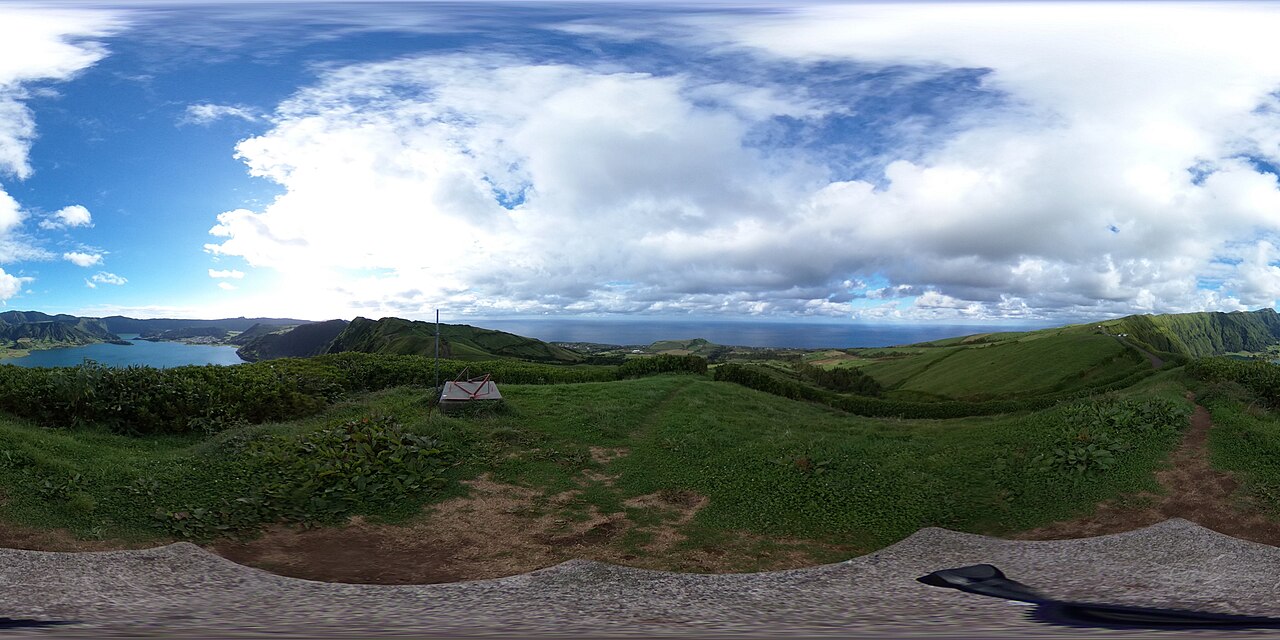
São Miguel is the largest island in the Azores, and it packs more variety into a small space than almost anywhere in Europe. Crater lakes, hot springs, tea fields, waterfalls and a whale-filled sea are all within a couple of hours of Ponta Delgada, the island capital where most trips begin. The island is shaped like a long strip, with the west and the crater lakes at one end, the Furnas valley and the Nordeste at the other, and Ponta Delgada on the south coast between them. That means one base can cover a lot, but the weather decides plans, so build in flexibility.
What to book ahead
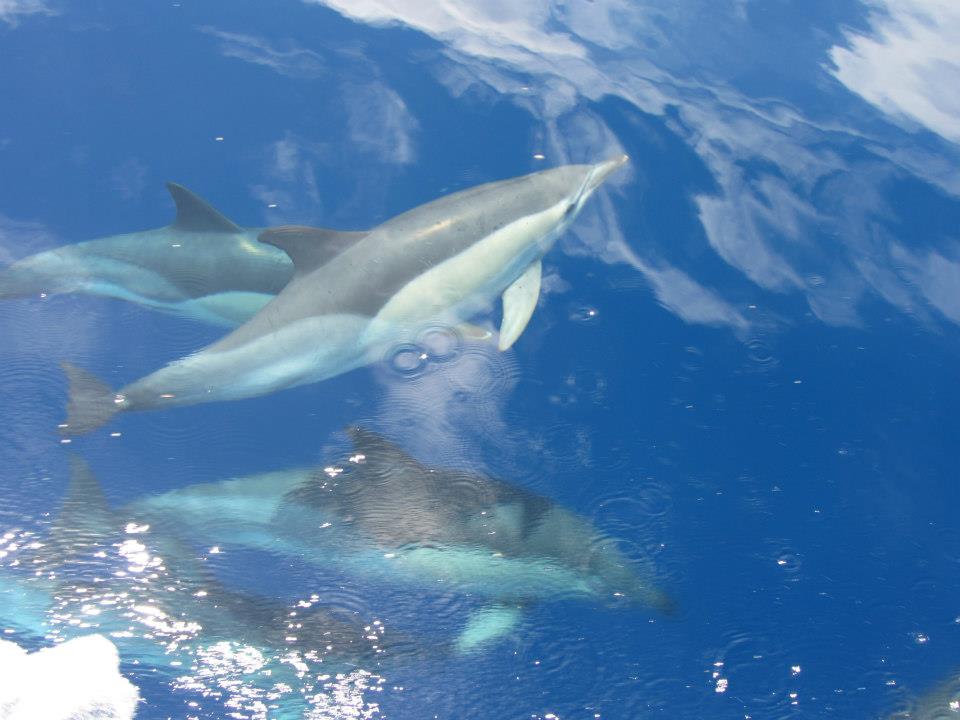
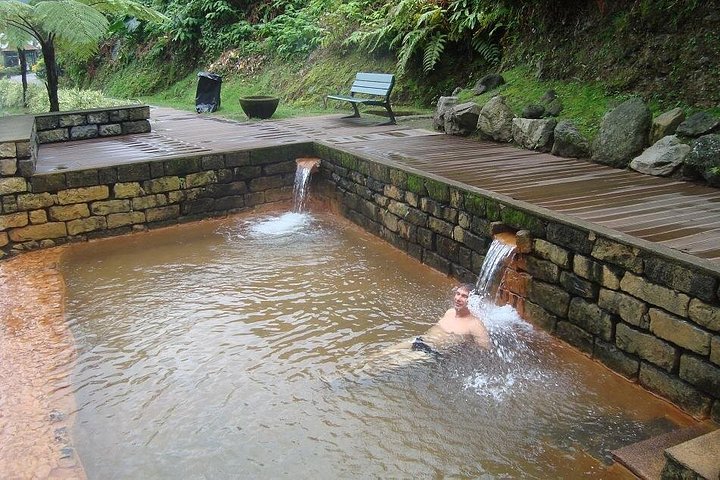
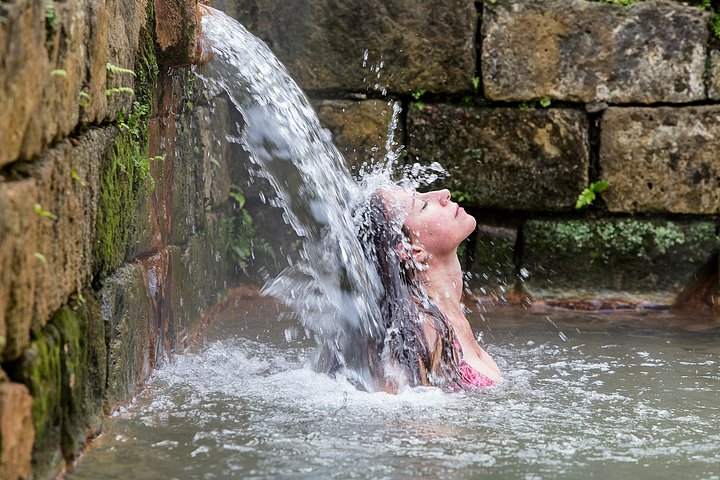
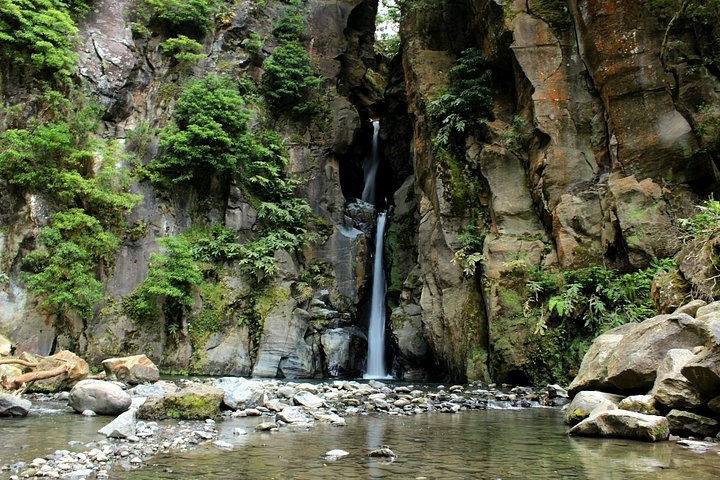
A few things are worth reserving before you arrive. First, a whale and dolphin cruise from Ponta Delgada marina, ideally early in your stay so you have a second chance if the sea is rough. Second, an evening at Poça da Dona Beija, either on its own or on a small-group trip that adds a cozido dinner. Third, tickets for Terra Nostra Park in summer, when the thermal pool is busy. Fourth, canyoning in Ribeira dos Caldeirões if you want adventure, since groups are small and dates fill. Finally, if you do not plan to drive, a guided day tour to Sete Cidades or Furnas. Most of these have free cancellation up to a day before, which makes planning easy.
Seasons, stated plainly
The island has a mild climate, and the weather changes quickly at any time of year. Summer and early autumn are warmest and busiest, whale watching is best from April to October, and canyoning and hiking are most comfortable in spring to early autumn. November is low season: fewer visitors, lower prices, more rain and cloud, and cooler seas. Whale watching still runs all year, weather permitting, but cancellations are more likely, so keep days spare. Thermal pools stay at the same temperature all year, and a soak in the rain is one of the island's best low-season pleasures.
Getting around
A rental car gives the most freedom, because the best sights are spread out and viewpoints are easy to stop at, and roads are generally good, though narrow and winding in the hills. Book a small car early in high season. If you prefer not to drive, minivan and jeep day tours cover the main routes, usually with hotel pick-up in Ponta Delgada, and they are a good way to see Sete Cidades or Furnas without worrying about parking. Taxis and transfers work for the airport and short trips.
How many days
Three days gets you the essentials: one for the west, with Sete Cidades and the Ponta da Ferraria hot spring, one for Furnas, with Terra Nostra, the fumaroles, cozido and an evening soak, and one for Ponta Delgada, the marina and a whale cruise. Four or five days lets you add Lagoa do Fogo, the Gorreana tea plantation on the north coast, canyoning in the Nordeste and a slower pace. A week is comfortable for hiking and a night in Furnas. Remember that clouds can clear in minutes, so wait before you give up on a viewpoint.
Where the sights fit
In the west are Sete Cidades and the Vista do Rei viewpoint, with Mosteiros and Ponta da Ferraria nearby. In the centre-north are Lagoa do Fogo and the Gorreana tea plantation. In the east are the Furnas valley and, beyond it, the Nordeste with its canyoning gorge. Ponta Delgada has the old town, the Portas da Cidade, the pineapple greenhouses and the whale-watching departures. Start with whichever side has the clearest sky.
Packing and small tips
Bring layers, a waterproof jacket, shoes that can get wet, dark swimwear for the iron-rich pools and a towel. Carry cash for small cafés. Plan a few flexible hours rather than a rigid timetable, and ask your hotel to reserve cozido for lunch in Furnas. Choose hotels that match your plan: Ponta Delgada for boats and the town, or Furnas for a slow, thermal stay, as described in our where-to-stay guide.