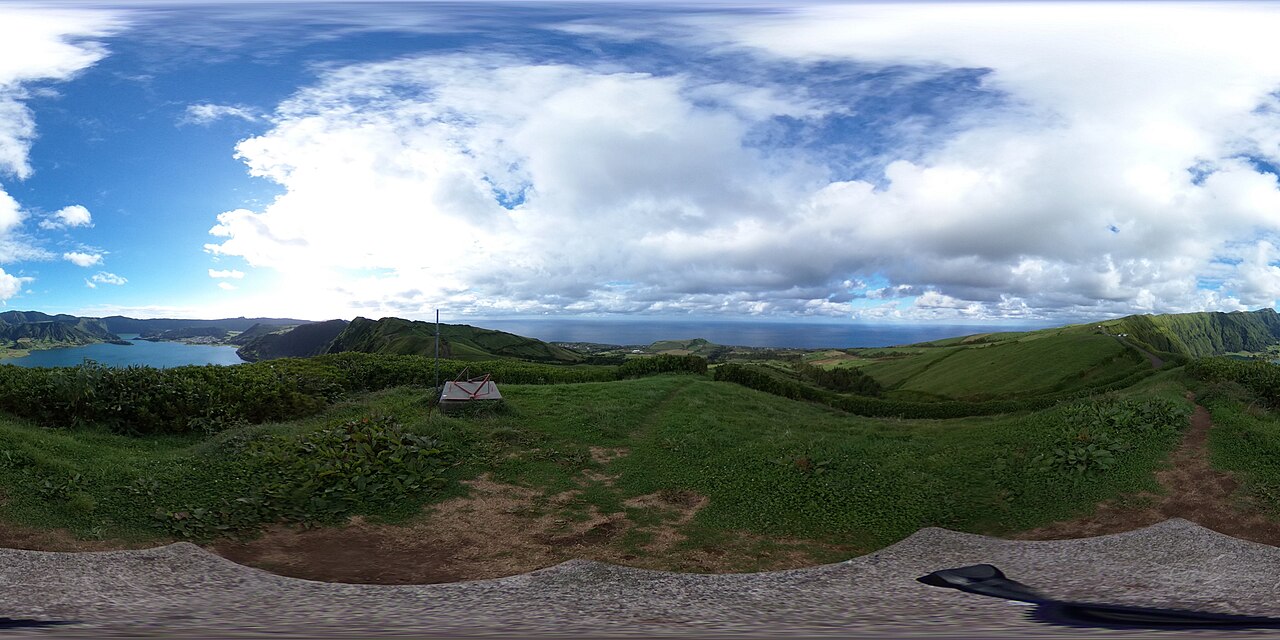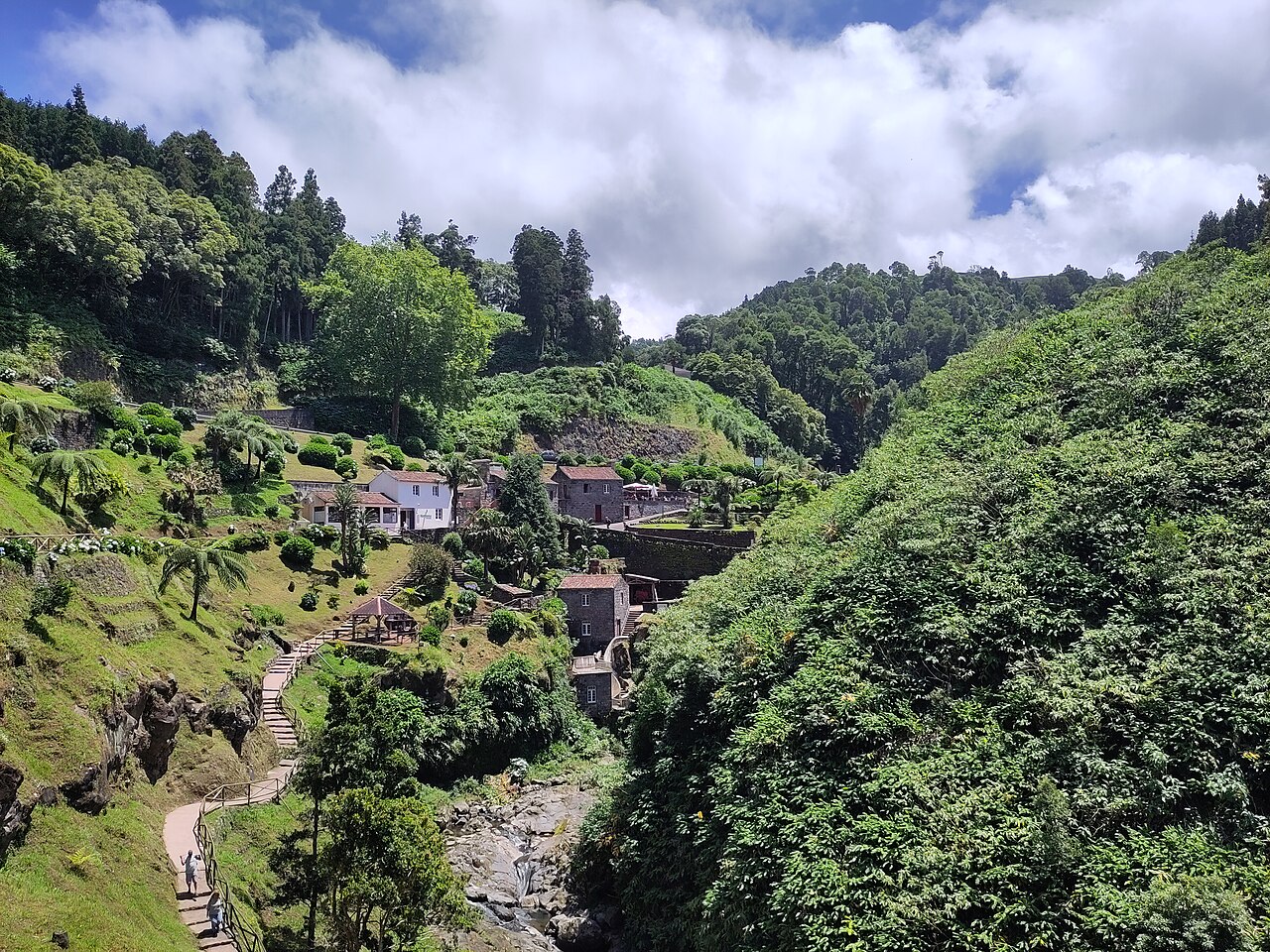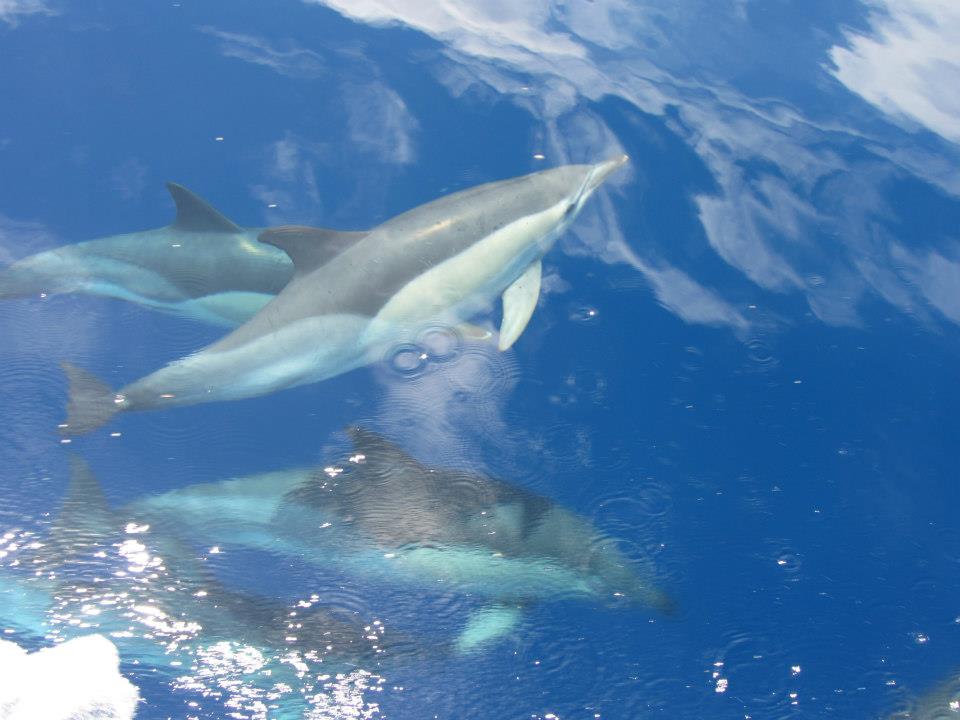
Lagoa do Fogo, the Fire Lake, sits in the crater of the Água de Pau volcano in the centre of São Miguel. Its name is a mystery, since the lake is cold and blue, but the setting is dramatic: steep, forested walls drop to a pale shore and a small lake that reaches around thirty metres deep. It has been a nature reserve since 1974, and the protected status shows in how wild it feels. There are no buildings and no cafés at the water, only wind, birds and a trail. Many visitors prefer it to Sete Cidades for exactly that reason, because it is less manicured and less crowded. Viewpoints on the road above give sweeping views across the lake and, on a clear day, down to the south coast. A shuttle service to the lake has its own details on the reserve website, and the regional authorities manage access to protect the area, so check conditions before you go. Many people see it on a half-day 4x4 or jeep tour from Ponta Delgada, which handles the narrow road.
The landscape explains the lake's moods. It is a caldera lake in a high bowl, and the climate there is cooler and wetter than the coast, so the weather can change in minutes. On a bright day the water is a deep blue-green and the pale pumice beaches glow, while in cloud the crater fills with mist and the lake seems to disappear.
Both versions are worth seeing, but if you only have one chance, go on a morning when the forecast is clear and ask your guide or hotel which side of the island looks best.
How to see it
A half-day 4x4 or jeep tour from Ponta Delgada is the easiest option and the one most visitors choose. The guides know the best viewpoints, can usually pause at the right moment if clouds are moving, and handle the narrow, winding road. Walkers can follow the marked trail down from the upper viewpoint to the shore, a steep descent that takes real effort on the way back up, so allow time and bring water.
Swimming is possible in summer, but the water is cold and conditions are exposed, so treat it as a bonus rather than a plan.
Planning notes
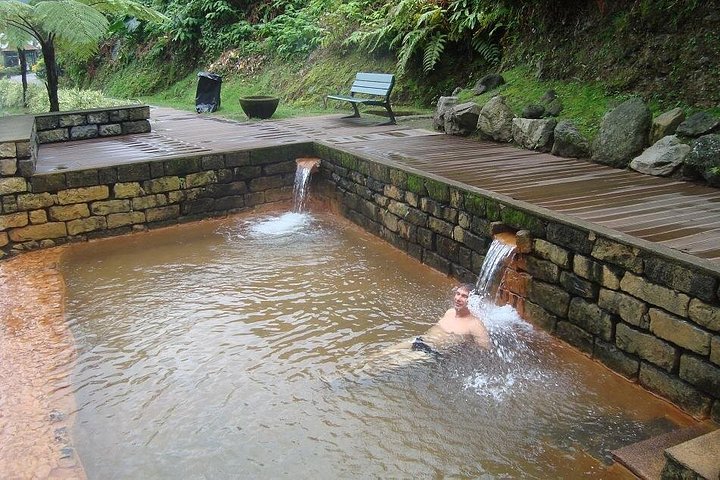
Pair the lake with Sete Cidades for a full day of two volcanoes, or with the hot pools at Caldeira Velha on the north coast, which sell tickets in advance on the regional parks platform. In November the area is quiet, cool and often cloudy, and you should bring a warm layer and a waterproof jacket. In summer it is busier and the access rules can be tighter, so check the reserve website for any shuttle or parking arrangements before you drive up.
What to expect
The experience
A guided half-day 4x4 tour from Ponta Delgada to the crater rim viewpoints, with time at the lake edge when conditions allow, or a self-guided hike down to the shore.
Best time
Clear mornings. The crater is high and often misty, so a flexible day and a morning forecast check make a big difference.
How long
About three to four hours on a half-day tour; allow longer if you hike down and back.
Tips
Bring a warm layer and a waterproof jacket even in summer. Check the reserve website for shuttle and parking rules, and carry water for the climb back from the shore.
Quick picks
- Best for
- Travellers who want a wilder, quieter crater lake than Sete Cidades.
- Families
- The viewpoints suit all ages, but the trail to the shore is steep, so younger children may prefer to stay at the top.
- Couples
- A morning tour with a clear sky and a picnic stop at the rim is a memorable shared view.
- Pair with
- Sete Cidades on the same day, or the Gorreana tea plantation on the north coast.
- Time needed
- Half a day with a tour; a full day if you hike to the water.
Good questions
Why is it called the Fire Lake?+
The name is a puzzle, because the lake is cold and blue. It refers to the volcano it sits in rather than to any heat in the water.
Is it a nature reserve?+
Yes, it has been a nature reserve since 1974. Access is managed to protect the area, so check conditions and any shuttle arrangements on the reserve website.
Can I swim in the lake?+
Swimming is possible in summer, but the water is cold and the shore is exposed. Many visitors just paddle and enjoy the view.
Is a tour better than driving myself?+
A guided 4x4 tour removes the stress of the narrow road, finds the clearest viewpoints and handles access. Self-drivers have more freedom but need to check access rules first.
How difficult is the hike to the shore?+
The descent is manageable, but the climb back up is steep and takes effort. Allow plenty of time, wear proper shoes and bring water.