Banos sits at about 1,800 metres on the edge of the Amazon basin, which gives it a mild, changeable climate. Temperatures are pleasant year-round, but rain and cloud vary with the seasons, and the best time to visit depends on what you want to do. This guide explains the patterns so you can plan with confidence.
The general picture
Days are typically warm and evenings cool, with temperatures that rarely feel extreme. Because the town lies where the Andes meet the Amazon side, moisture arrives from the east and rain can fall at any time. Mornings are often clearer than afternoons, a pattern that holds through most of the year.
Drier months
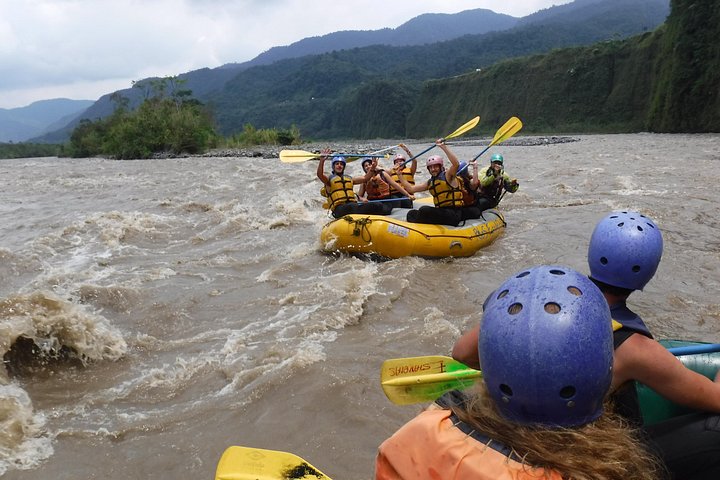
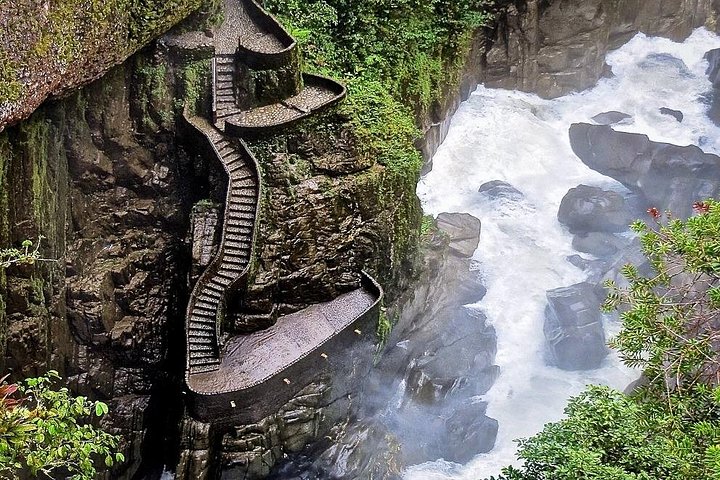
The period from roughly the middle of the year into the early months of the second half is generally drier in the highlands, with more sunshine and better views of Tungurahua. This is popular for hiking, viewpoints and paragliding. Rivers run lower, so rafting is more technical and less powerful, and waterfalls have a little less volume but remain impressive.
Wetter months
Rainier periods bring higher rivers, fuller waterfalls and lush green slopes. Rafting becomes more exciting, and canyoning adjusts to the flow. Cloud can hide the volcano for days, and some trails are slippery. Crowds are often smaller, which is a benefit if you prefer quiet.
Mornings and afternoons
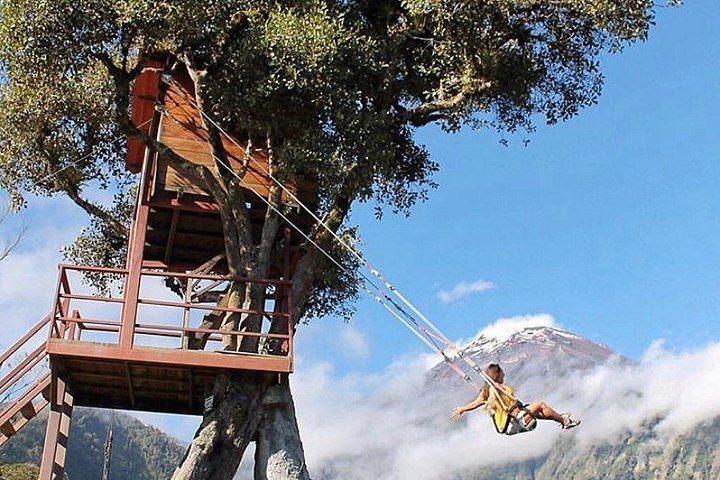
In every season, aim to do viewpoints early. The Tree House, Mano de Dios and Bellavista cross are best before cloud builds. Save afternoons for the hot springs, a spa treatment or an indoor activity. Rafting and canyoning run in most weather, though extreme rain can cause cancellation.
Festivals and holidays
Banos celebrates its patron Virgin with processions, music and celebrations in the second half of the year, and the town fills with visitors. National holidays and long weekends also bring Ecuadorian families, which means higher prices and full hotels. If you prefer to avoid crowds, travel midweek or outside holiday periods. If you enjoy atmosphere, a festival can be a highlight, but book early.
Crowds and prices
Weekends are busier than weekdays, and holiday periods the busiest of all. Hotels and tours can sell out, and prices may rise. Midweek visits are calmer, with more flexibility and easier bookings. International travel seasons also influence crowds, so check when major school holidays occur in your region.
Volcano activity
Tungurahua has a history of activity. Local authorities monitor it, and tours and access follow their guidance. Check conditions when you book, and be flexible. The volcano is a permanent presence rather than a constant threat, but respect for warnings is essential.
What to pack
Layers, a rain jacket, a swimsuit, a fleece for evenings, comfortable walking shoes, water shoes, sun protection and a small daypack. If you plan high-altitude day trips, add gloves, a hat and a warm jacket.
Best overall
For clear views, choose the drier months and aim for weekdays. For powerful rivers and green landscapes, accept the rain. Whenever you come, plan a flexible itinerary, with a spare day for weather, and make the hot springs your backup. Banos is a town that suits all seasons, as long as you adapt your plans to the sky.
Month by month in broad terms
The early part of the year tends to bring warm, wet weather with lush scenery, the middle months offer a drier window with clearer skies, and the closing months mix sunshine and showers with festival activity. These are broad patterns rather than promises, and mountain weather can surprise, so check a forecast a few days before you arrive and keep a rain jacket in your daypack.
Planning around your priorities
Photographers should favour the clear season and arrive early at viewpoints. Adventure seekers can go any time, accepting that river conditions change. Families may prefer school holiday periods for convenience, though crowds are larger. Budget travellers will find the best bargains midweek outside holidays. Whatever your priority, leave a spare day in your plan so a bad-weather morning does not ruin a key activity.
Safety and flexibility
Weather and volcanic conditions are the two things you cannot control, so build flexibility into your plans. Keep refundable bookings where you can, listen to local advice and carry a little cash for last-minute changes. A relaxed attitude is the best protection against disappointment, and Banos rewards travellers who are willing to adapt. Even on a grey day, there is always a warm pool, a good meal or a gentle walk waiting.