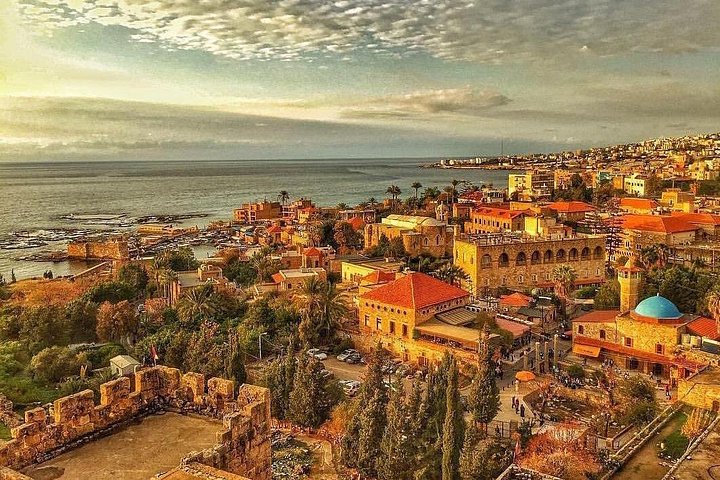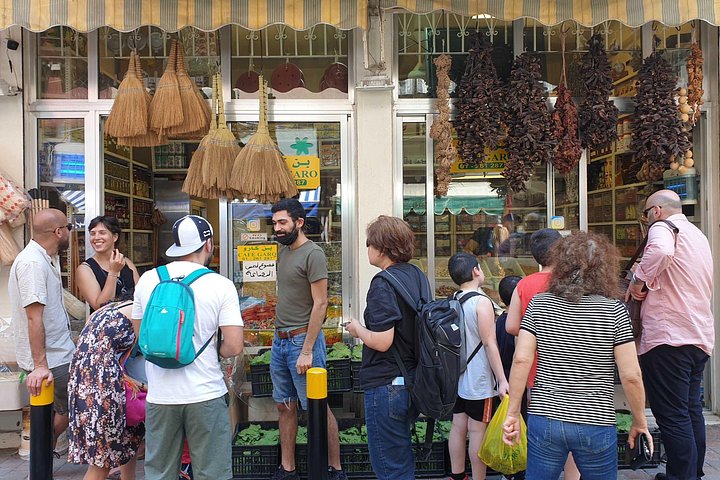
Tripoli, about eighty kilometres north of Beirut, is often overlooked by visitors, which is a pity because its old city is one of the best preserved medieval districts in the Eastern Mediterranean. Dominating the town is the Citadel of Raymond de Saint-Gilles, a hilltop fortress begun by the Crusaders and enlarged by the Mamluks and Ottomans. Below it, the Mamluk-era quarter has a dense collection of mosques, madrasas, bathhouses and caravanserais built in elegant striped stone, with carved doorways and domes. The covered souks wind between them, selling soap, spices, textiles and brass. Tripoli is also known as the sweets capital of Lebanon. Shops sell syrup-soaked pastries, nut-filled treats and a famous local cheese dessert, and tasting them is a delightful part of any visit. The people are friendly and the atmosphere is much more traditional than in the capital.
The tour linked from this page covers Byblos, Tripoli and Batroun in one long day, making it an efficient way to see the north's three coastal highlights. Pick-up is early, and travel from Beirut to Tripoli takes about ninety minutes. In Tripoli itself, expect a guided walk through the old souks and monuments, a visit to the citadel when open, and time for sweets and coffee.
Opening hours can vary, and many shops and some sites close on Fridays or Sundays. Dress modestly, since the old city is conservative and you may enter religious buildings. Streets are narrow and sometimes crowded, with uneven stone, so wear comfortable shoes and keep belongings secure. The weather is warm for most of the year, and shade in the souks is welcome.
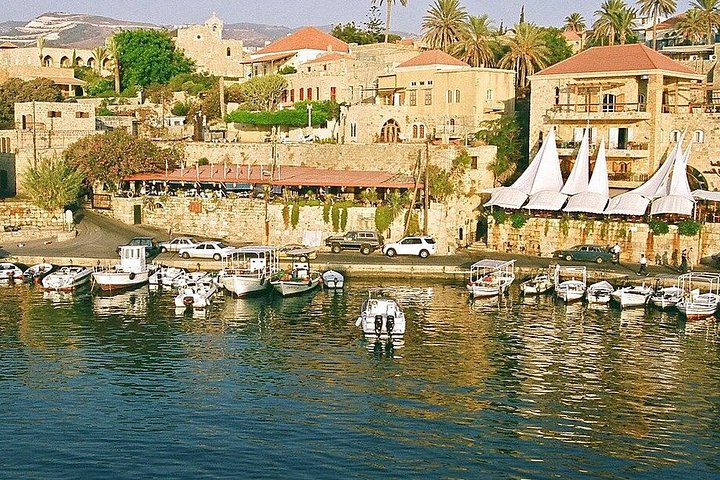
The north of Lebanon is a region where conditions can change, so check your government's travel advice and confirm with the operator that the itinerary is running before you book. When it is, Tripoli offers an authentic side of the country that few visitors see, with architecture and daily life that feel unchanged by tourism. It pairs well with a visit to Byblos' ancient harbour and a sunset in Batroun, and together they make a satisfying counterpart to the southern excursions. History lovers, photographers and food fans will especially enjoy it.
Allow about three hours in Tripoli, more if you want to browse the souks or linger over a meal. Try the sweets, haggle politely in the shops, and take time to look up at the carved stone and the minarets. It is an unhurried and generous place that rewards curiosity.
Carry small notes for purchases in the souks and for tipping, and ask permission before photographing shopkeepers or craftspeople. The soap workshops and brass sellers are good places to look for authentic souvenirs, and the sweets shops will usually let you taste before you buy.
What to expect
The experience
A guided walk through the old city, citadel and souks of Tripoli as part of a northern coastal day trip.
Best time
Mornings, with sweets and coffee as a midday treat.
How long
About three hours in Tripoli.
Tips
Dress modestly, wear comfortable shoes, keep belongings secure and check closing days.
Quick picks
- Best for
- History, architecture and sweets fans.
- Families
- Interesting for older children, though the souks can be busy.
- Couples
- A rich cultural day with Byblos and Batroun.
- Pair with
- Byblos and Batroun.
- Time needed
- A full day with the other stops.
Good questions
What is Tripoli known for?+
Its medieval old city, Crusader citadel, Mamluk architecture and sweets.
How far is it from Beirut?+
About eighty kilometres, roughly ninety minutes by road.
Is it safe to visit?+
Conditions can change. Check your government's travel advice and confirm with the operator.
When are shops closed?+
Many close on Fridays or Sundays. Ask your guide.
What sweets should I try?+
Local syrup pastries, nut-filled treats and the cheese-based dessert the city is famous for.