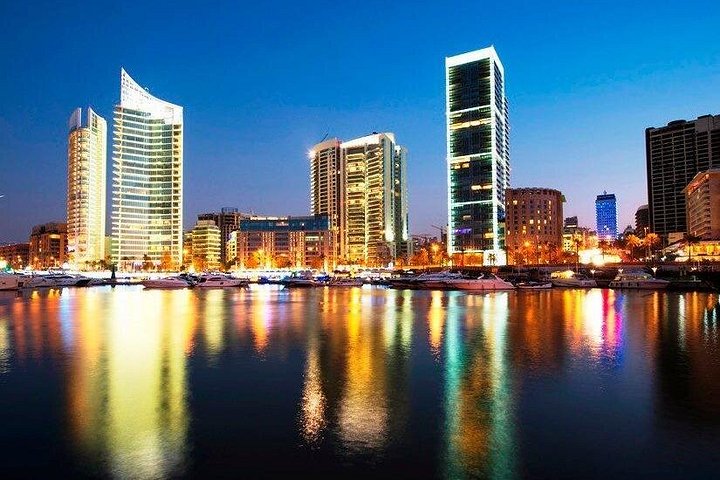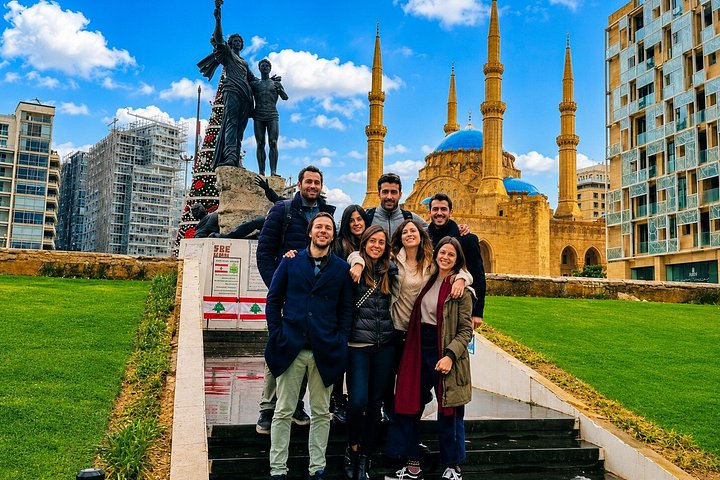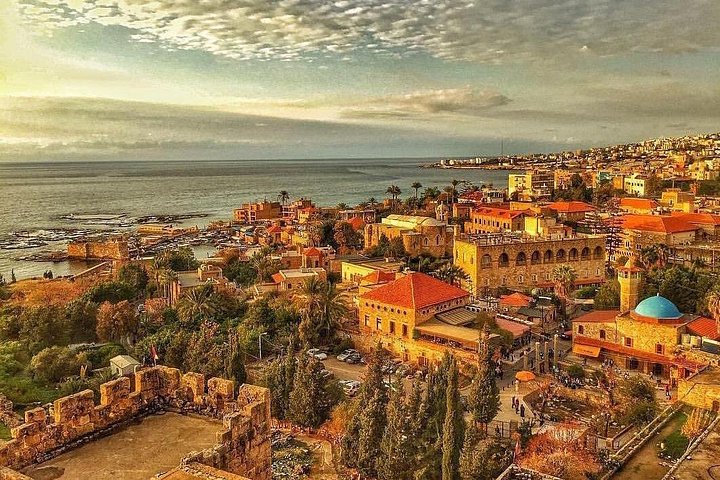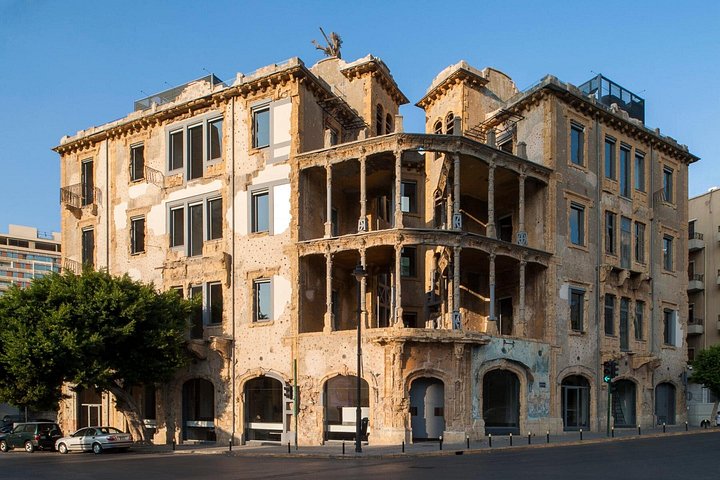
Between 1975 and 1990, Lebanon went through a long and complicated civil war that left deep marks on the country's cities, politics and families. A guided history tour of Beirut looks at that period with care, visiting places in the capital where the fighting left its traces and where rebuilding has taken different forms. The tour typically follows the old dividing line through the centre, passing squares, damaged buildings and rebuilt districts, and explains how neighbourhoods were divided, how daily life continued and how people reshaped the city afterwards. It is not a sensational tour, and good guides take care to present multiple perspectives and the human stories. Stops can include Martyrs Square, once the heart of the city and later a symbol of the divided centre, the area around the former Green Line, and landmark buildings that were left scarred, some of which have been restored as cultural spaces. Along the way the guide explains how the war began, how it spread, the role of regional and international powers, and how the 1989 Taif Agreement ended it. Understanding this chapter makes much of the rest of the city easier to read.
The tour linked from this page is a guided historic tour of war sites in Beirut. It suits visitors who already have an interest in modern history and politics, as well as those who simply want to understand what they see around them. Walking is part of the experience, and the route may include some driving. Expect it to take around three hours.
This is a sensitive subject, and respect is vital. Many Lebanese families lost relatives or homes, and conversations can be emotional. Follow your guide's lead, ask questions politely and avoid taking photographs of people without permission. Dress modestly, and avoid wearing political symbols. The guide may share personal stories, and it is a privilege to hear them. The tone should be reflective rather than voyeuristic, and the purpose is understanding, not spectacle.
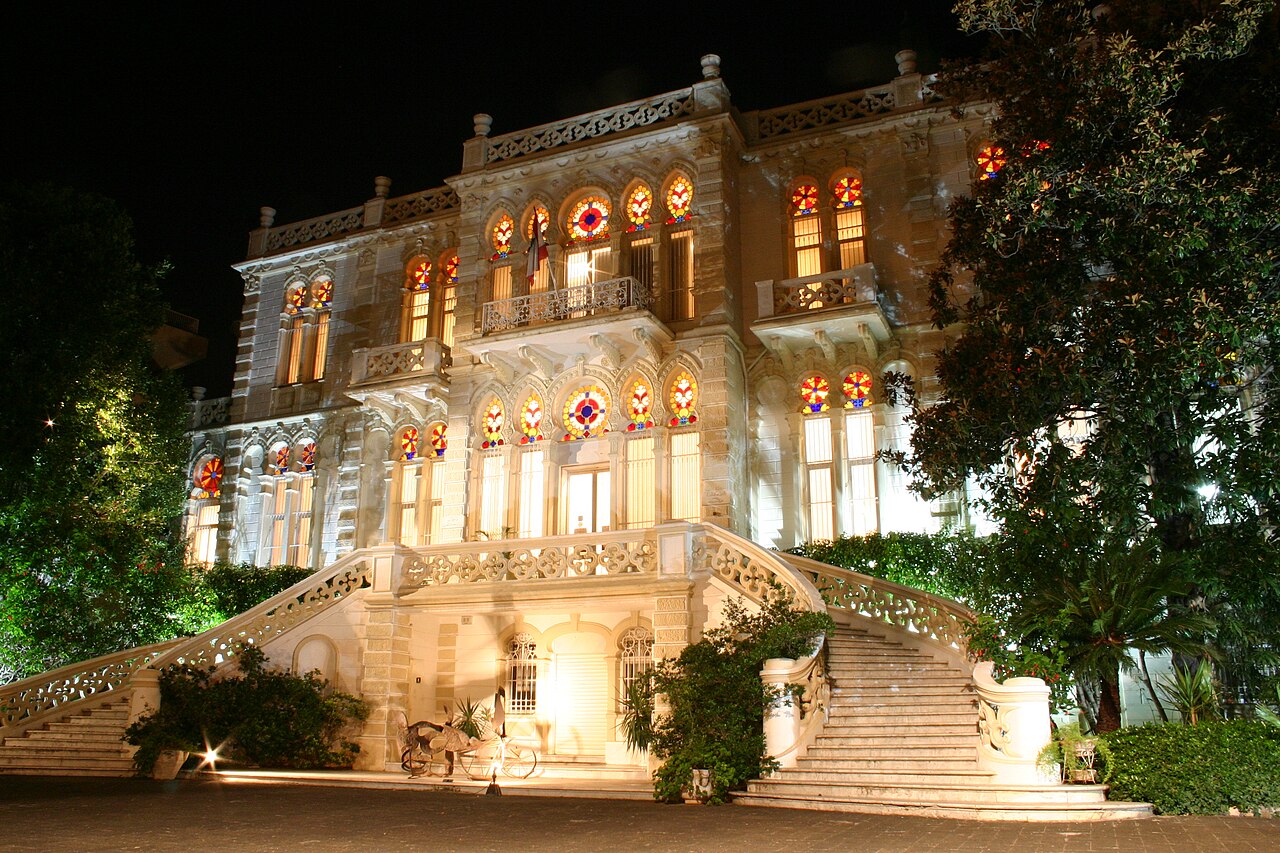
The tour pairs naturally with a visit to Beit Beirut, a restored building that serves as a museum and memory space, and with a stroll along the rebuilt downtown. Reading a little before you go, from a history of Lebanon or a novel set in the period, enriches the experience. The tour does not cover current events in depth, and guides generally keep the focus on the past. If you are travelling with children, consider whether the content is suitable for their age.
As with other activities in Lebanon, check your government's current travel advice and confirm with the operator that the tour is running. Many visitors say this is the most memorable and thought-provoking activity of their trip, a way to see Beirut not only as a place of cafes and nightlife but also as a city that has endured, adapted and rebuilt.
After the tour, many visitors like to spend time somewhere quiet to reflect, whether a cafe, a garden or the Corniche. Reading local authors, watching Lebanese cinema and talking with residents, if they are willing, can deepen your understanding, but listen more than you speak and let people share what they wish.
What to expect
The experience
A guided walking and driving tour of sites linked to the 1975-1990 civil war, with historical explanation and personal stories.
Best time
Morning, when it is cooler and quieter.
How long
About three hours.
Tips
Be respectful, dress modestly, ask before photographing people, and check travel advice before you go.
Quick picks
- Best for
- History and politics enthusiasts who want context.
- Families
- Better for teenagers and adults than for young children.
- Couples
- A thoughtful shared experience for curious travellers.
- Pair with
- Beirut walking tour and the National Museum.
- Time needed
- Half a day.
Good questions
When was the civil war?+
It lasted from 1975 to 1990 and ended with the Taif Agreement.
Is the tour balanced?+
Good guides present several perspectives and focus on understanding rather than blame.
Is it suitable for children?+
The content is serious, so it suits teens and adults best.
What should I wear?+
Comfortable shoes and modest clothing, without political symbols.
Can I take photos?+
Of buildings yes, but ask before photographing people.