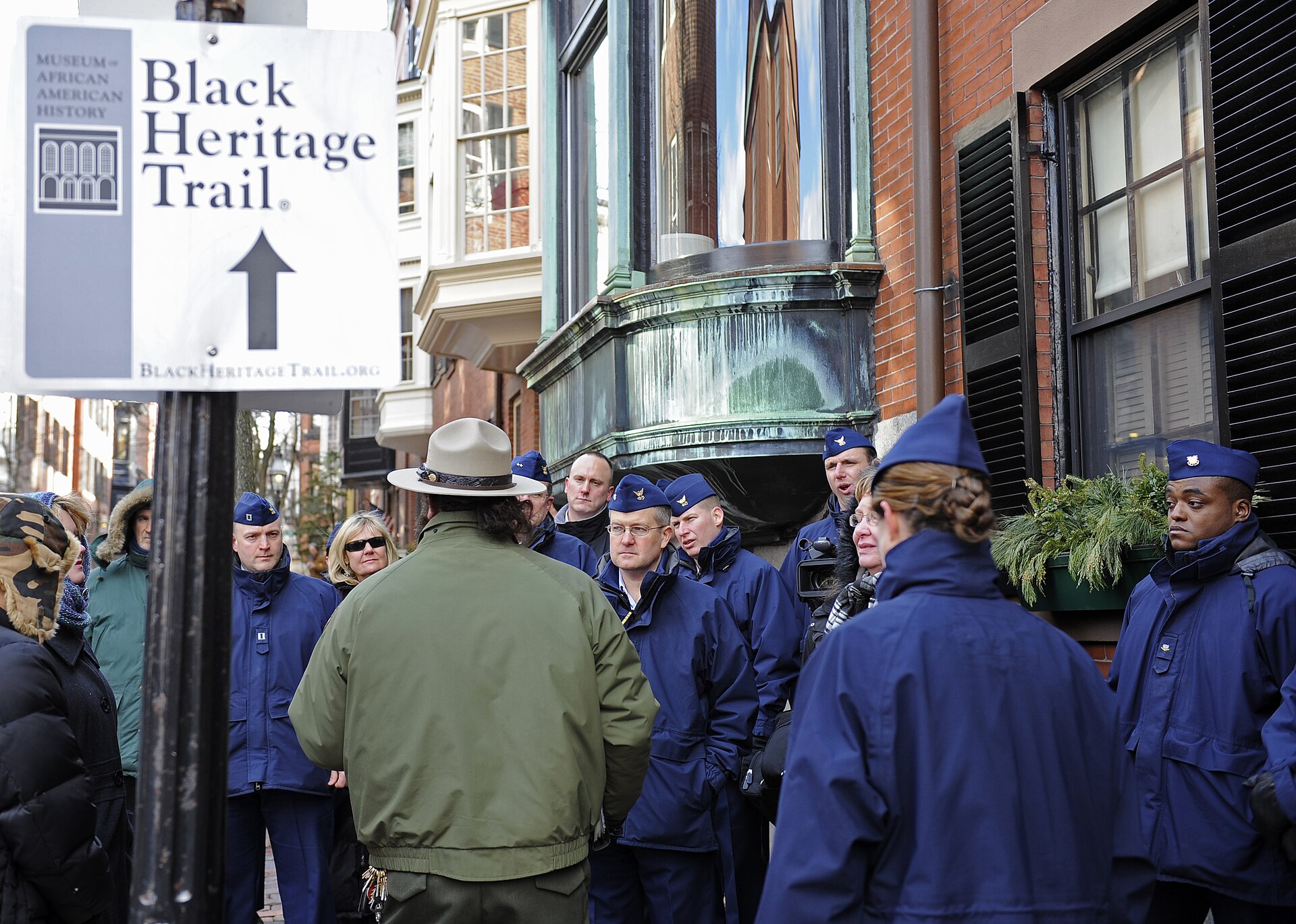
Back Bay is known for its Victorian brownstones and tree-lined boulevards, but it was also home to women who pushed for voting rights, education and reform. This guided walking tour traces their stories through the neighborhood, connecting streets and buildings you may have photographed to the activists who lived and organized there.
Boston's role in American reform is often told through the Revolution, but the city was just as important in the nineteenth and early twentieth centuries, when abolition, education and women's rights movements found a home here. Back Bay, built on filled land in the second half of the nineteenth century, became the address of many families who supported those causes. A guided walk through the neighborhood connects its architecture to the activists, writers and organizers who shaped national debates from their parlors and meeting rooms.
The tour typically follows a route through the streets near Copley Square, Commonwealth Avenue and Newbury Street, pausing at buildings and public spaces tied to the suffrage movement and to wider women's history. Guides tell the stories of individual figures, the organizations they built, the newspapers they published and the opposition they faced, including the arguments of those who resisted change. You come away with a clearer picture of how a long campaign was organized, what daily activism looked like and why Boston played such a prominent part.
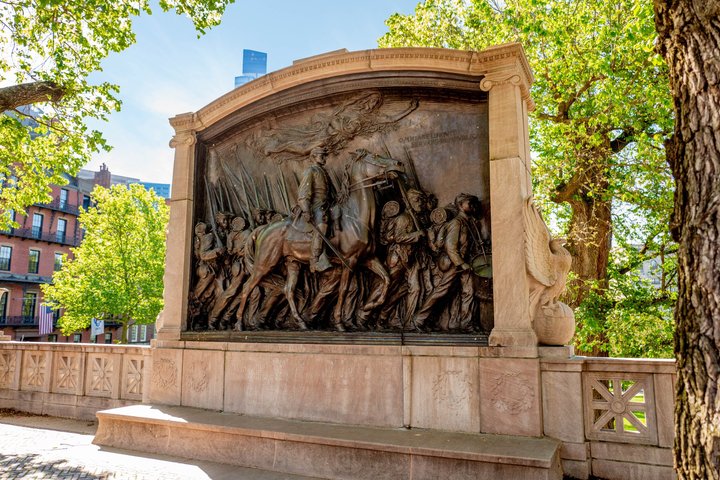
One of the pleasures of the tour is how it changes the way you see the neighborhood. A row of brownstones that might look merely handsome becomes a series of addresses where people debated strategy, raised funds and hosted visiting speakers. Public monuments, including statues along the boulevard, take on new meaning when you understand who is remembered, who is missing and how that has changed over time. It is history at street level rather than in a gallery.
Logistics are easy. The walk is mostly flat, with some standing at each stop, and it is suited to most ages with an interest in history. Wear comfortable shoes, dress for the weather and check the meeting point when you book. Spring and fall are lovely in Back Bay, with blossoms and foliage setting off the architecture, while summer shade from the trees makes the boulevard pleasant. Winter tours are possible but require warm layers.
The movement's story is not simple, and a good guide will not pretend that it was. You may hear about disagreements among activists, the strategies that succeeded and failed and the people who were left out of the headlines, including women of color and working-class women whose contributions were often overlooked. That honesty is part of what makes the tour worthwhile, because it shows reform as a messy, human process rather than a tidy victory.
Students, teachers and anyone interested in civic history will find plenty to discuss, and the guide is usually glad to suggest books, museums and other sites to continue the story after the walk.
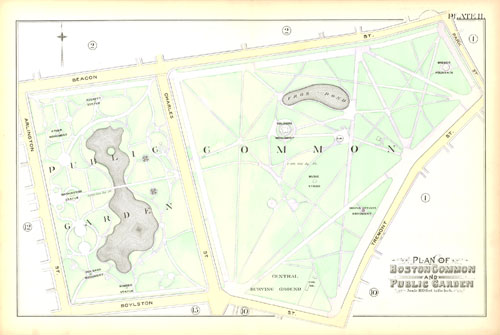
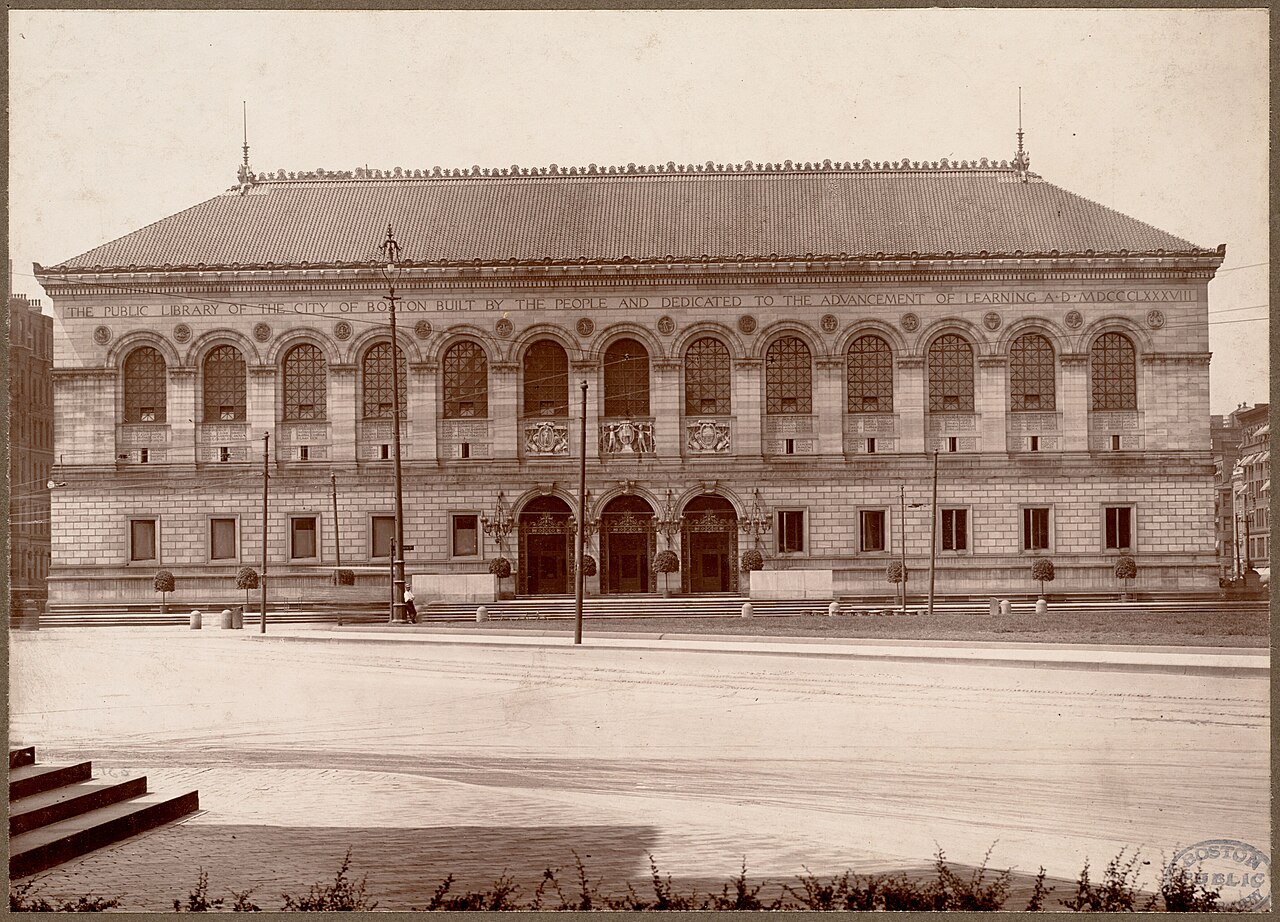
The tour pairs well with other Back Bay stops: the Boston Public Library on Copley Square, shopping and cafes on Newbury Street, the Public Garden at the neighborhood's edge and the museums nearby. It is a good choice for visitors who have already done the Freedom Trail and want a different slice of Boston history, as well as for history lovers, students and anyone curious about the movements that shaped modern civic life.
What to expect
The experience
A guided walking tour through Back Bay, telling the stories of suffragists and reformers at the buildings and public spaces linked to them.
Best time
Spring and fall for comfortable walking among the brownstones.
How long
About two hours.
Tips
Wear comfortable shoes, dress for the weather and check the meeting point when you book.
Quick picks
- Best for
- History lovers and visitors who want more than the Revolution.
- Families
- Best for older children and teens with an interest in history.
- Couples
- A thoughtful, atmospheric stroll through elegant streets.
- Pair with
- The Boston Public Library or a coffee on Newbury Street.
- Time needed
- About two hours.
Good questions
Where does the tour go?+
Through Back Bay, near Copley Square, Commonwealth Avenue and Newbury Street, though routes can vary.
Do I need to know the history?+
No. The guide explains the movement and the people from the beginning.
Is it a long walk?+
The route is mostly flat and unhurried, with stops to listen and look.
Is it suitable for children?+
It suits older children and teens who enjoy history.
Does it run in winter?+
Tours may run year-round, but cold weather requires warm layers.