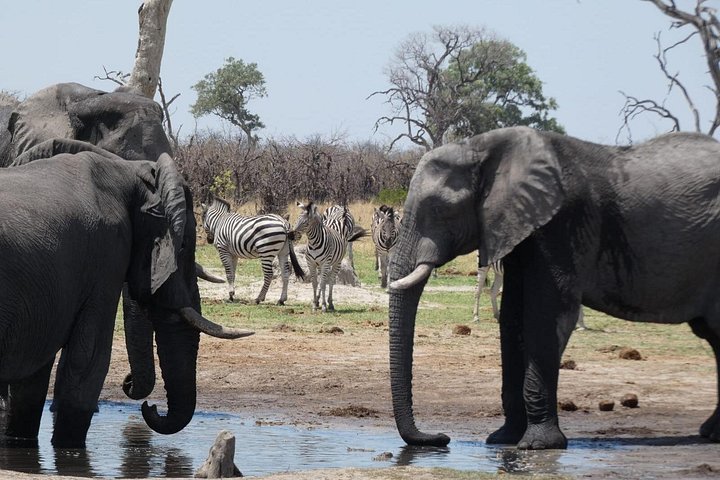
Northern Botswana is a thrilling place for families, but it is not designed for children, so the success of a trip depends on matching activities to ages. Distances are long, rules around wildlife are strict, and some of the best experiences have age limits. With the right choices, though, children can have the time of their lives: elephants at close range, a canoe through papyrus, and nights under a sky full of stars. This guide covers what works, what to check and where to stay.
Age limits come first
Many Delta and Chobe operators set minimum ages for specific trips. Mokoro day trips and camping trips often exclude very young children, game drives in open vehicles may have minimum ages, and some lodges inside the parks restrict young children entirely or offer separate family arrangements. Always check the operator's policy before booking, because a trip that is perfect for a ten-year-old can be impossible for a four-year-old. Ask about life jackets on boats, seat belts in vehicles and whether child seats are available.
The gentlest activities
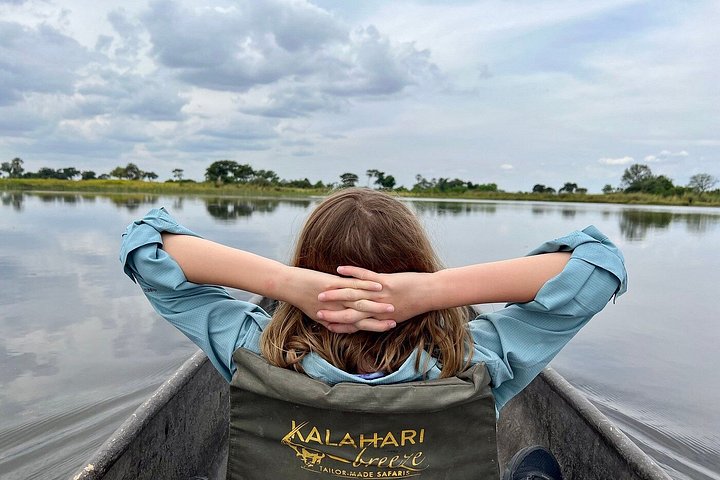
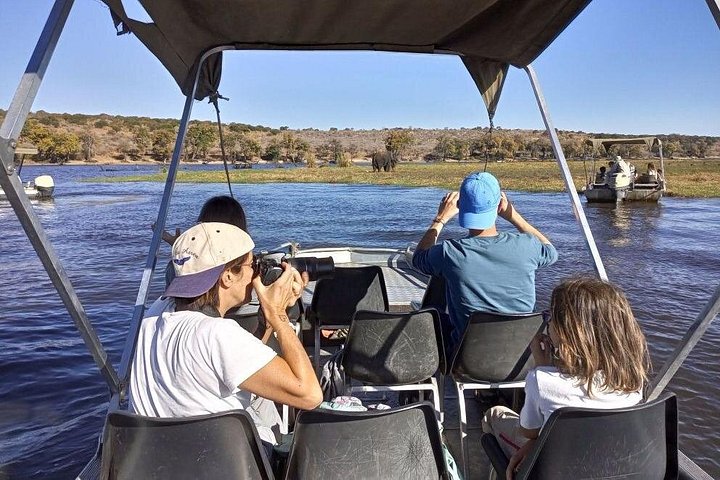
For younger children, the best choice is usually a river cruise on the Chobe. The boats are stable, the sessions are short, and elephants, hippos and crocodiles are visible from a comfortable seat. A sunset cruise is about three hours and has a built-in rhythm of sightings, snacks and golden light. A short game drive on the riverfront roads is the next step, as it is dramatic without being too long. For slightly older children, a mokoro day trip from Maun adds the thrill of a canoe and the quiet of the channels, though they must be able to sit still for long stretches.
Bigger adventures for older children
From about eight or ten years old, a full-day safari that combines a game drive and a boat trip works well, as does a full day in the Moremi Game Reserve for those who can handle early starts and rough roads. Teenagers often love an overnight mokoro camping trip, where they can help carry equipment, walk on islands and sleep in a tent, provided the operator accepts their age. Fishing on the Chobe River appeals to keen children who like the idea of tigerfish with elephants nearby. Photography is another hook: give older children a basic camera and a job as the family wildlife recorder.
Pacing the days
The biggest mistake families make is packing too much in. Early starts are essential for wildlife, but children need rest in the heat of the day. A good pattern is a morning outing, a long lunch and pool time, then a short late-afternoon activity. Pack snacks, water, hats, sunscreen, insect repellent and a few activities for long drives. Bring binoculars for the children and a simple animal checklist to turn waiting into a game.
Where to stay
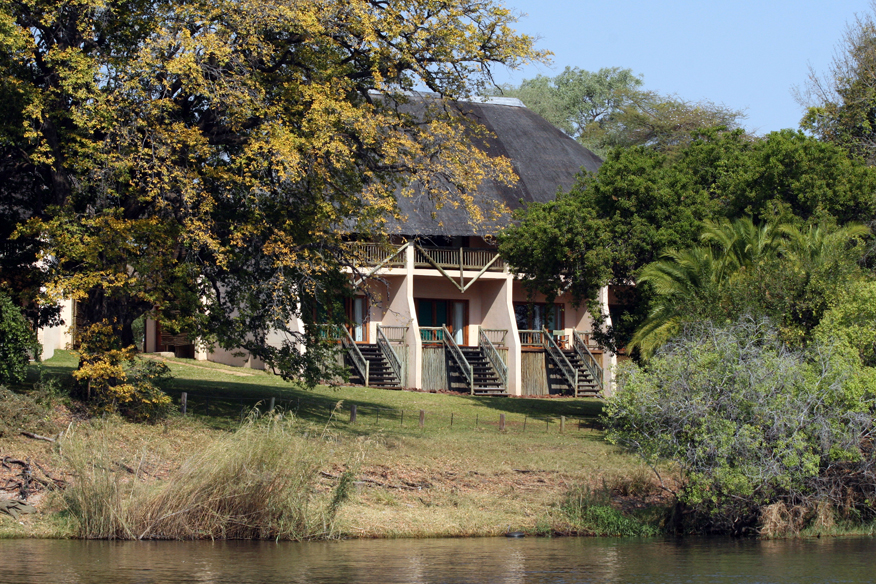
In Kasane, a resort with a pool such as Cresta Mowana, and lodges such as Chobe Safari Lodge or Thebe River Safaris with family rooms, make good bases. Cresta Mowana allows young children to stay free in their parents' room, which helps with the budget. In Maun, Cresta Riley's and Sedia Riverside Hotel offer pools and restaurants, and the cottages at Rivernest give you a kitchenette for simple meals. Inside the parks, Chobe Game Lodge is a splurge, and children's policies vary, so ask when you book.
Health and safety
Northern Botswana is a malaria area, so see a travel clinic well ahead and ask specifically about children's dosing and alternatives. Use repellent at dusk, wear long sleeves in the evening and sleep under nets where provided. Wildlife is wild: children must follow guide instructions, stay seated in vehicles and boats, and never approach animals. Heat and sun are real hazards, so keep fluids up and use hats. Carry a small first-aid kit and any regular medicine.
When to go
The dry winter months, roughly June to October, are generally easier with children because of cooler days, clearer wildlife viewing and fewer mosquitoes. Early mornings can be very cold, so bring fleeces and hats. The green season is hot and humid with storms, which can be tiring, though it offers lower prices and newborn animals. If your children have school holidays that fall in the green season, plan shorter activity days and prioritise pools and air-conditioning. A well-paced family trip to Maun and Kasane for five to seven days can be unforgettable, and for many children the first sight of a herd of elephants at the river is something they will talk about for years.