There is no single best time to visit northern Botswana, only a best time for what you want to do. The country has two main seasons, the dry winter and the wet summer, and the Okavango Delta adds a twist of its own with a flood that arrives out of step with the rain. Understanding the three moving parts, the weather, the flood and the animals, makes it much easier to choose when to go and what to book. This guide walks through the year in broad seasonal terms and finishes with a quick way to decide.
The dry winter, roughly June to October
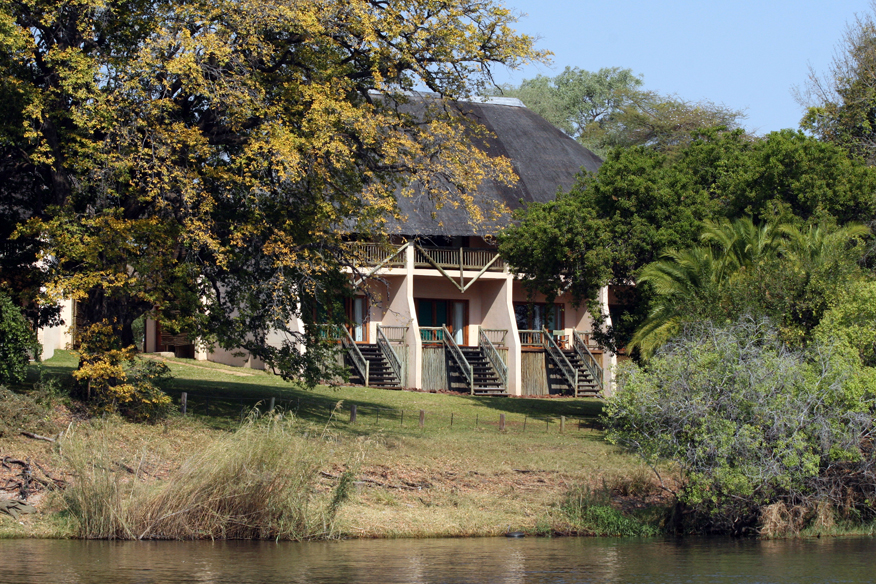
This is the classic safari season and the busiest. Skies are clear, days are warm and dry, and nights and early mornings can be properly cold, so pack a warm layer and gloves for open vehicles and boats. Vegetation thins and water dries up inland, so animals gather along permanent water. On the Chobe River that means elephants in large numbers, with buffalo, hippo and plenty of predators nearby. In the Delta it means islands and channel edges full of life. Mosquitoes are fewer, the roads are firmer and the viewing is at its most dependable. The trade-off is price and availability: lodges and camps charge their highest rates, and the best ones can book out many months ahead.
The Delta flood, roughly June to August
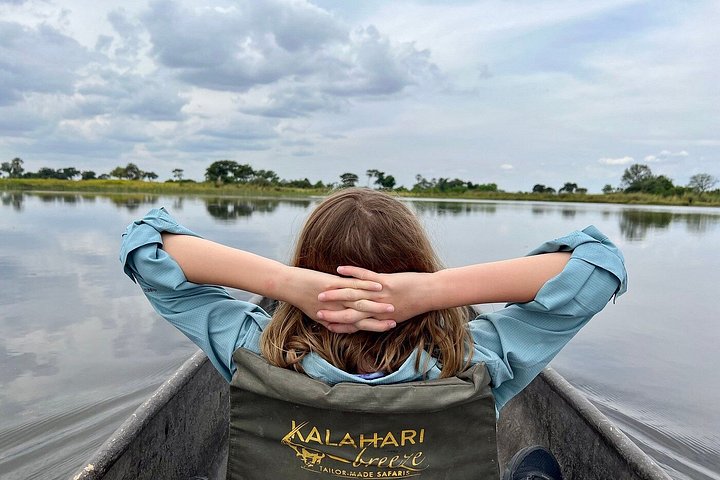
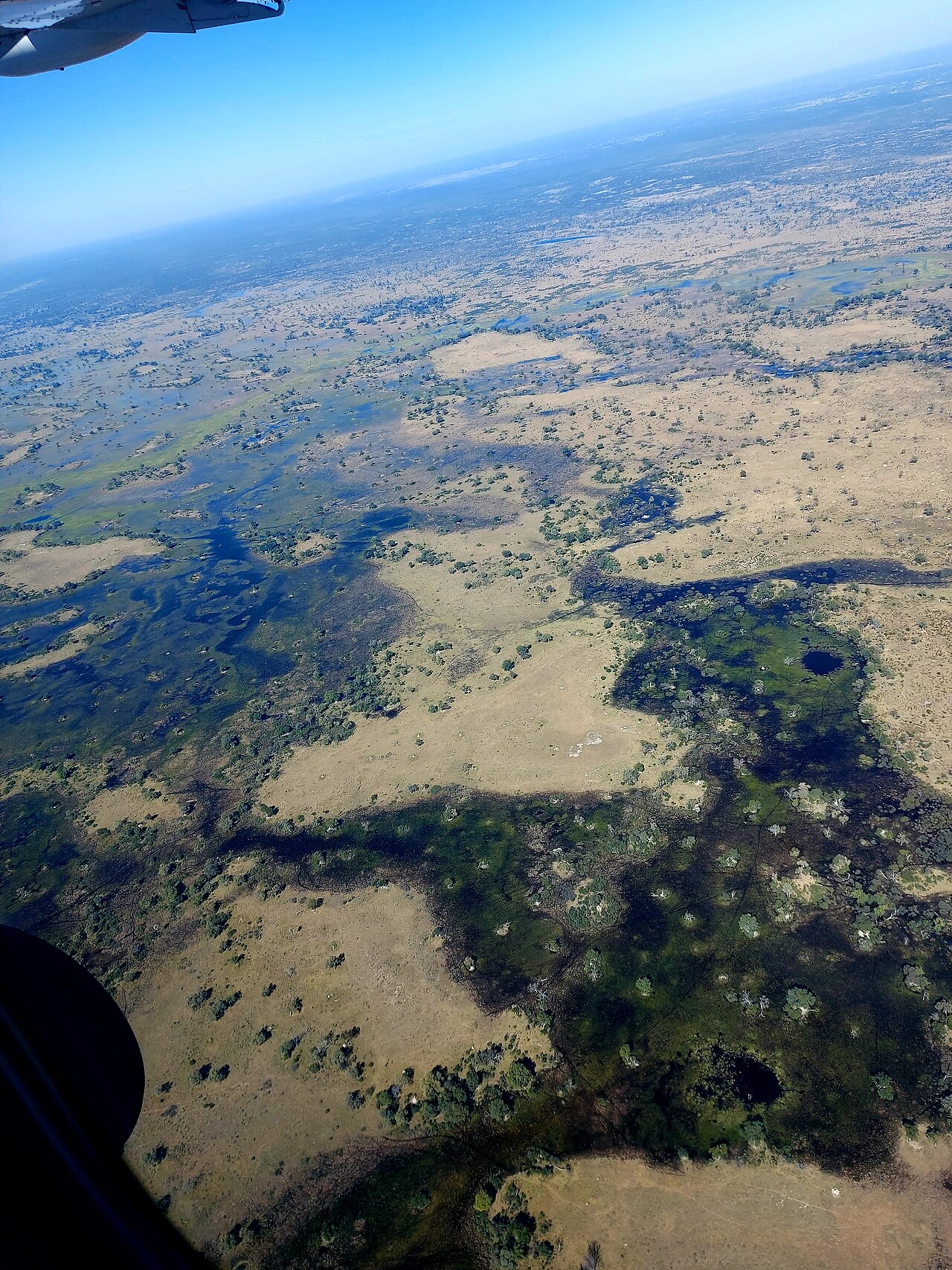
Rain falls in Angola in the wet season, from about November to March, but the water takes months to travel down the river and across the flat Delta. According to UNESCO, the Delta is Africa's largest endorheic delta, with permanent swamp surrounded by seasonally flooded grassland. The flood reaches the Maun area in the dry winter and peaks around June to August, which means the Delta is at its fullest when everything around it is at its driest. Mokoro trips are at their best then, with deep channels and wide views, while the surrounding land is parched and wildlife concentrates on the islands. Later in the dry season, from about September to October, water levels fall, and some mokoro stations may change or channels may run lower, so ask your operator what is possible on your dates.
The hot transition, roughly September to October
Late in the dry season the heat builds, often to the hottest point of the year, before the rains arrive. Animals crowd around the last reliable water, so game viewing can be remarkable, especially on the Chobe riverfront. Afternoons are very hot, so plan activities for early morning and late afternoon and rest during the middle of the day. Dust is a factor on game drives, and lightweight, breathable clothes help. If you can tolerate the heat, this is one of the best times for elephants and predators, and prices can start to ease.
The green wet season, roughly November to March
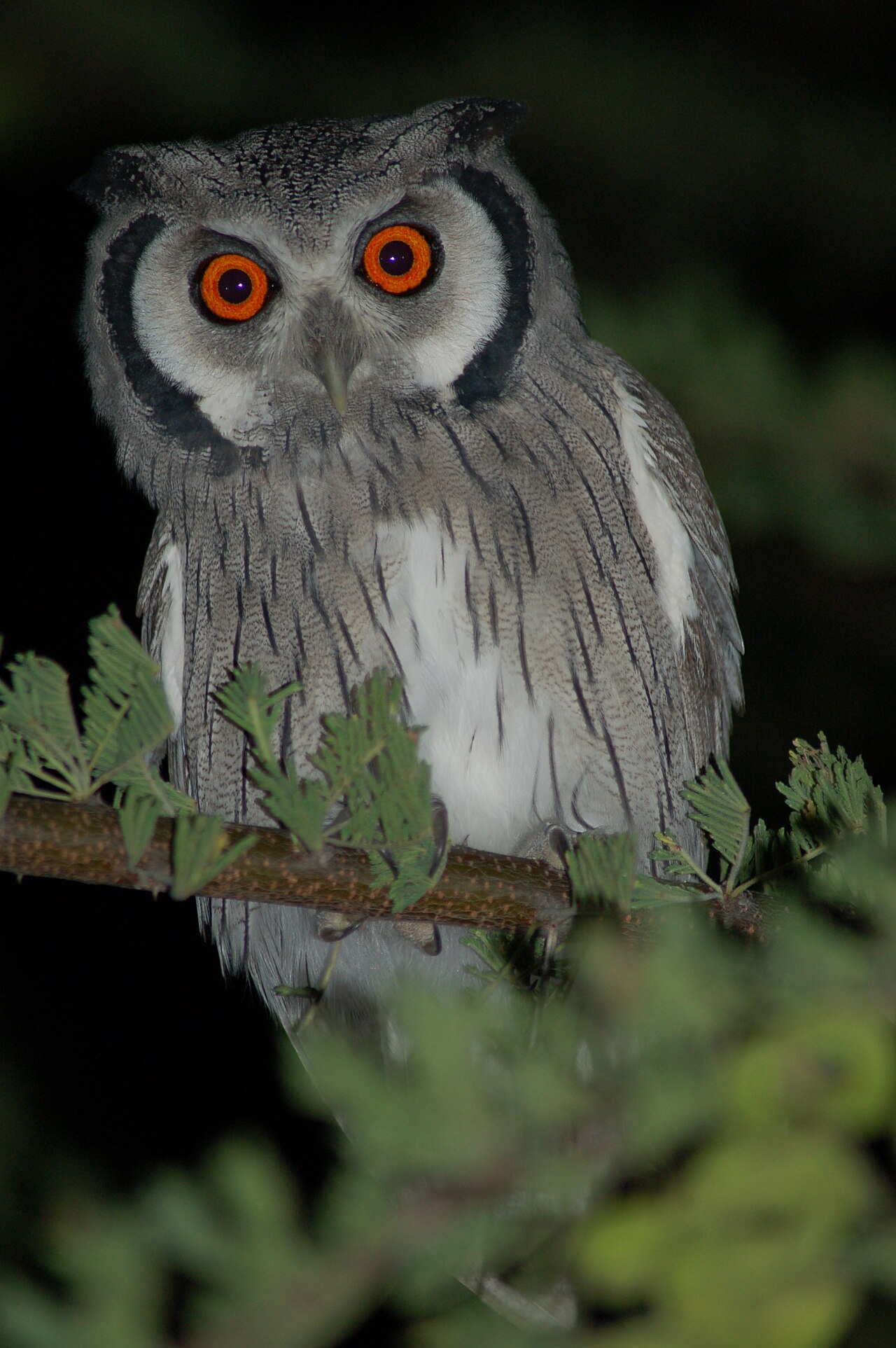
The first storms turn the bush green within days. It is hot and humid, with afternoon thunderstorms, and some tracks become muddy or impassable. Animals disperse because water and food are available everywhere, so you often see less per drive than in the dry months, but there is a trade for it: newborn antelope, dramatic skies, flowering plants, migrant birds and far fewer visitors. Birders often prefer this time. Many camps offer lower rates, and some close for the wettest weeks, so check before you plan. Malaria risk is highest in the wet season, so take medical advice and use repellent. Out in the pans, the Makgadikgadi and Nxai Pan areas can come alive after good rain, with zebra, wildebeest and flamingos, although this depends on the year.
The shoulder months, roughly April to May
As the rain fades, the bush is still lush and dust-free, the air is clearer and the flood is on its way down from Angola. Crowds are light and prices are usually below the peak. It is an underrated time for travellers who want a balance of comfort, greenery and wildlife, though animals have not yet concentrated on the permanent water.
Matching the month to your priorities
If your priority is the greatest chance of big wildlife, aim for the dry months, with Chobe at its best from about July to October. If you want the Delta full of water for mokoro trips, aim for June to August. If you want quiet, lower prices and birds, consider the green season, but accept heat, storms and thicker bush. If you are travelling with children, the cooler dry months are generally easier. And if you want to combine Delta, Chobe and Victoria Falls, remember that the falls are fullest after the rains and lower in the late dry season, so the priorities can pull in different directions. Victoria Falls has its own guide.
Booking and practicalities
For the dry season, book the Delta camps, lodge stays and multi-day trips as early as you can, as the best ones fill many months ahead. For the green season, you can often arrange day trips from Maun and Kasane a few days before you travel, but check cancellation terms because storms can change plans. Whatever the month, bring neutral clothing, a hat, sunscreen, binoculars and insect repellent, and speak to a travel clinic about malaria well before you go. If you are unsure, the first-timer's guide gives a simple four-to-six-day plan, and the other trips in this guide show what each season looks like on the ground.