Bratislava’s food is hearty, honest and shaped by the crossroads it sits on. Austrian, Hungarian and Czech habits all show up on the plate, and the result is comfort cooking built around dumplings, cabbage, smoked meat, sheep cheese and, increasingly, a lively modern scene that treats those ingredients with more care than you might expect. Here is how to eat and drink well, with no need to know a word of Slovak.
Start with the national dish
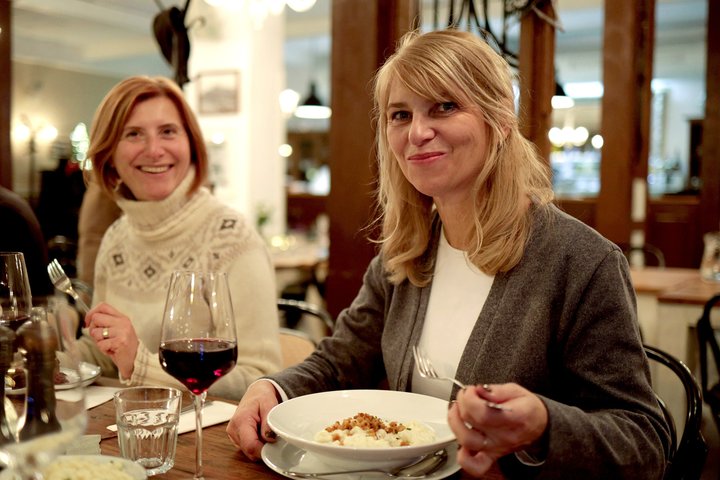
Bryndzové halušky are small potato dumplings tossed in bryndza, a soft, tangy sheep cheese, and finished with crisp bacon. It is the dish Slovaks mention first, and it is worth ordering once on your first full day so you have something to compare everything else with. Portions are large, so share if you plan to eat more than one course. Bryndzové pirohy, filled dumplings in the same style, are a close second.
Soups and stews
Kapustnica, a sauerkraut soup that often contains sausage and dried mushrooms or plums, is the classic cold-weather bowl and is especially associated with Christmas. Goulash soup is filling enough to be a meal, so avoid ordering it as a starter if you want room for a main. Lunch menus in many restaurants pair a soup with a main course, which is the easiest way to eat well without spending much.
Meat, geese and dumplings
Expect roast pork, schnitzel, duck and, in autumn, goose, traditionally served with red cabbage and potato lokše, thin soft potato flatbreads. Goose and new wine are a tradition around St Martin’s Day in November, and several restaurants build a special menu around it. Vegetarians are better served than the stereotype suggests: fried cheese, potato dumplings with cheese, mushroom dishes and pierogi-style pirohy are standard, and modern restaurants in the centre offer more.
Sweet things
Look for the Bratislava rožky, crescent pastries filled with walnut or poppy seed, which are a local speciality and appear in bakeries and cafes across the old town. The spit cake called trdelník has its origins in the Slovak town of Skalica, and the version sold from street stalls is a tourist staple here, best eaten warm. Cafes also serve Austrian-style cakes and strudel, a reminder of how close Vienna is.
Wine is the thing to drink
Bratislava sits at the foot of the Small Carpathian hills, one of Slovakia’s main wine regions, and the white wines in particular are worth ordering by the glass. Look for Welschriesling, Grüner Veltliner (Veltlínske zelené) and aromatic blends, and for Frankovka modrá, the local name for Blaufränkisch, among the reds. In early autumn you may see burčiak, young, partly fermented wine sold during the harvest; it is sweet, cloudy and stronger than it tastes, so go gently. Old-town cellars and wine bars pour local bottles, and a guided tasting is a good way to learn what you like.
Beer, spirits and soft drinks
Slovak and Czech lagers are everywhere, and a growing number of small breweries and pubs pour craft beer. Borovička, a juniper spirit, and plum brandy are the traditional digestifs, and Slovaks will happily recommend a herbal liqueur after a heavy meal. Kofola, a herbal cola, is the national soft drink and an acquired taste worth one try.
How to find the good places
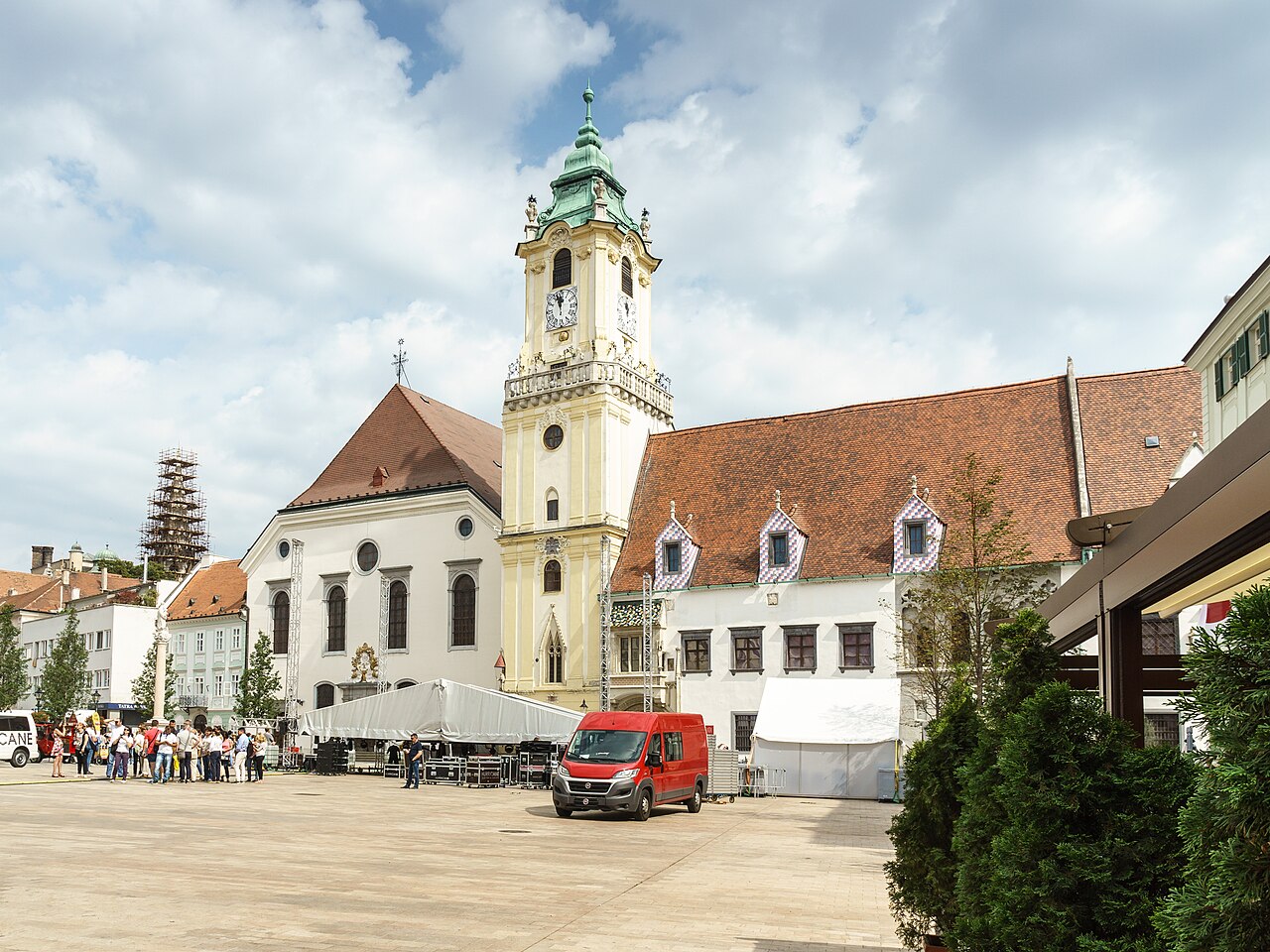
The old town has plenty of restaurants aimed squarely at day-trippers, with multilingual menus and photographs on the board. Walk a few streets away from Main Square and look for shorter menus, a lunch special in Slovak and a room that is busy with locals. Reserve for Friday and Saturday dinner, particularly in the Christmas market season. Service is usually not included on the bill, and rounding up or leaving around ten percent for good service is normal. Slovakia uses the euro and cards are widely accepted, though a few smaller cafes and market stalls prefer cash.
Plan your meals around experiences
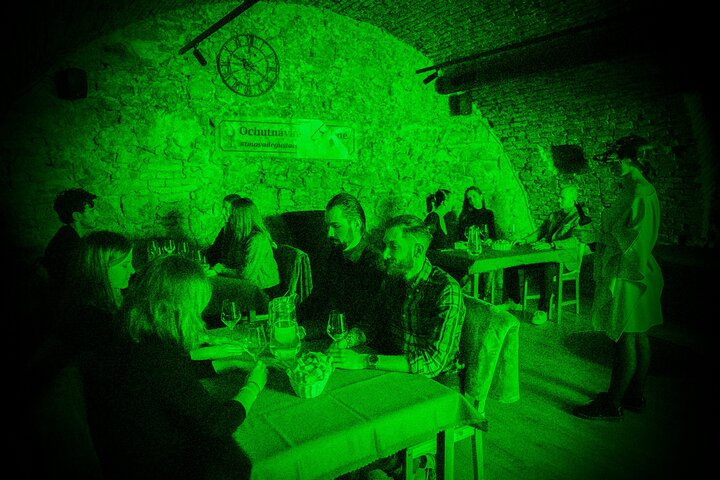
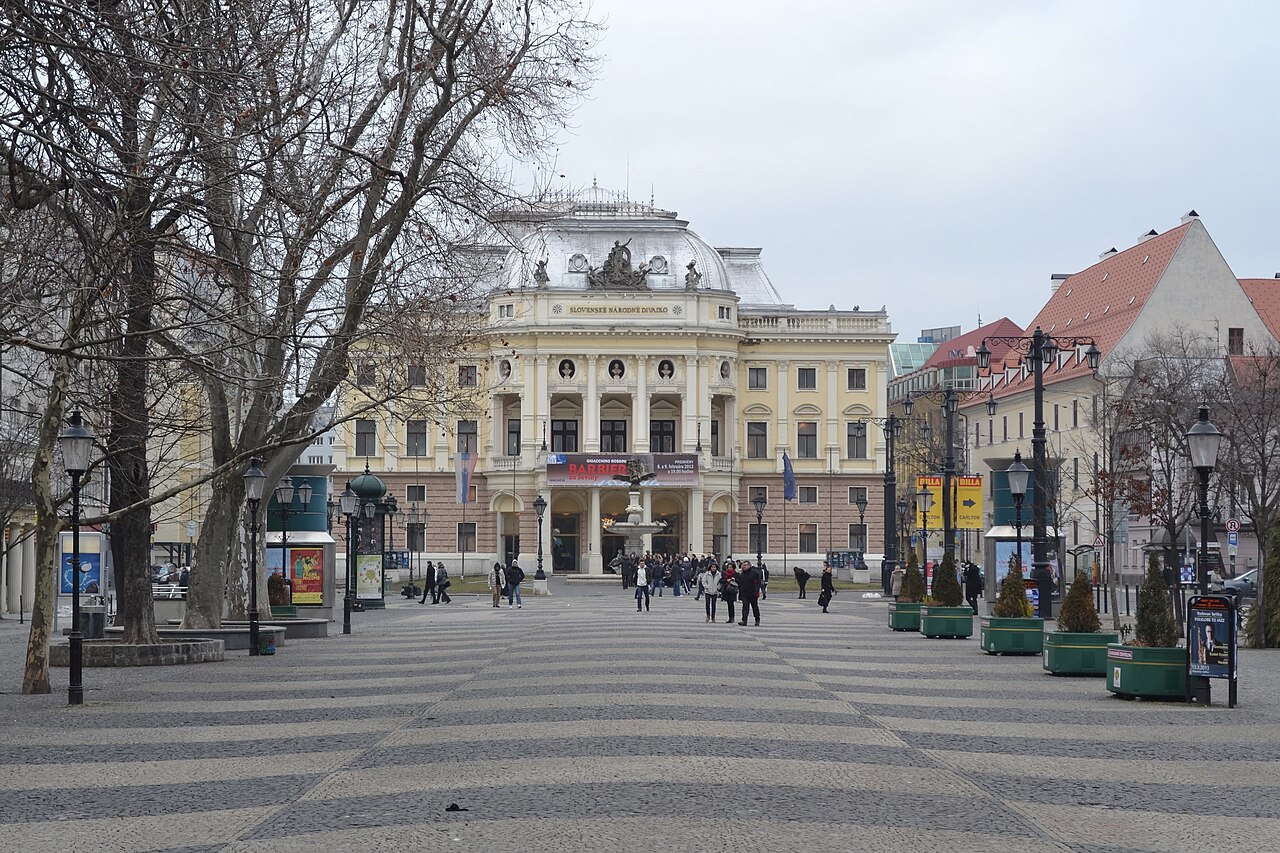
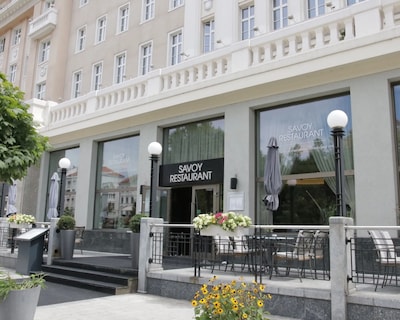
If you only book one thing, a small-group food tour is the quickest education: it walks you through five sit-down courses in the old town with a local guide, so you leave knowing what to order for the rest of your stay. For something shorter and more playful, tasting Slovak wine in complete darkness takes about forty minutes and sits neatly before dinner. Pair either one with an evening at the Slovak National Theatre on Hviezdoslav Square, where the restaurants and cafes nearby make a pre-performance dinner easy.
A simple eating plan
Breakfast at your hotel or a bakery with a rožok and coffee; a soup-and-main lunch menu near the old town; an afternoon pause with cake or a glass of wine; and dinner built around halušky or a local roast, with a bottle from the Small Carpathians. Do that for two days and you will have eaten Bratislava the way residents do.