The British Virgin Islands have a warm, tropical climate all year, with temperatures in the high twenties Celsius and mid-eighties Fahrenheit for most of it, and a steady trade wind that keeps things comfortable. The real differences between seasons come down to rain, wind, swell, prices and how busy the anchorages are. Here is how to choose the time that suits your plans.
High season, December to April
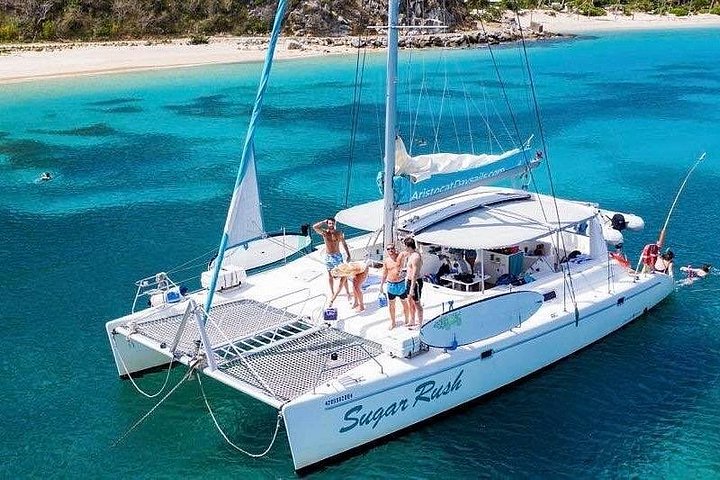
This is the sunny, dry, breezy period, and it is when most visitors come. Skies are clear, humidity is lower and the trade winds are steady, which suits sailing. Boat trips, hotels and charter yachts fill up early, especially around Christmas, New Year and the holidays in February and March, so book water days and rooms well ahead. Prices are highest, beach bars are lively and popular anchorages such as White Bay and The Bight can be crowded. The northern swell, which arrives mainly in winter, can make beaches on the north shore rough and may reduce visibility at snorkeling spots, so ask locally which side is calm. The Bubbly Pool on Jost Van Dyke tends to work best in these swell months.
Shoulder months, May to early June and late autumn
These can be the sweet spot. The crowds thin, rates drop and the sea is often calm, giving good snorkeling and diving conditions. Showers become more frequent but are usually short. Some small restaurants and beach bars take a break or run reduced hours around the edges of high season, so check before you plan a meal-driven day. May and early June are popular with those who want warm water and fewer people. Check which operators are running and ask about weather policies when you book.
Summer and early autumn, and hurricane season
The Atlantic hurricane season officially runs from June to the end of November, with the peak risk from about August to October. The BVI were hit hard by Hurricane Irma in 2017, and a storm can disrupt travel, close businesses and cancel boat trips. If you travel in this period, buy travel insurance that covers weather disruption, choose flexible bookings and watch forecasts. Many visitors enjoy the quieter islands and lower prices, but plan for rain, humidity and the chance of cancellations. Water temperatures are at their warmest, which is good for snorkeling and diving on calm days.
Matching the season to the activity
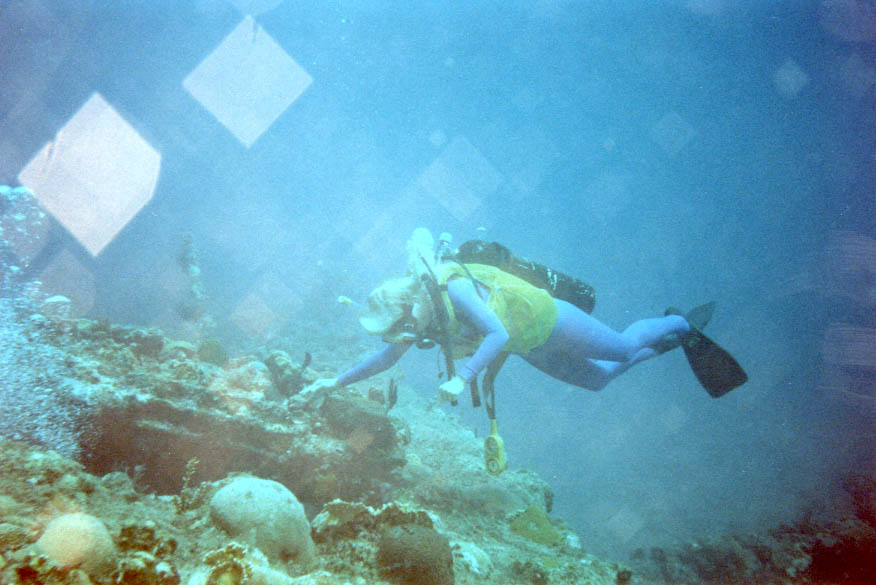
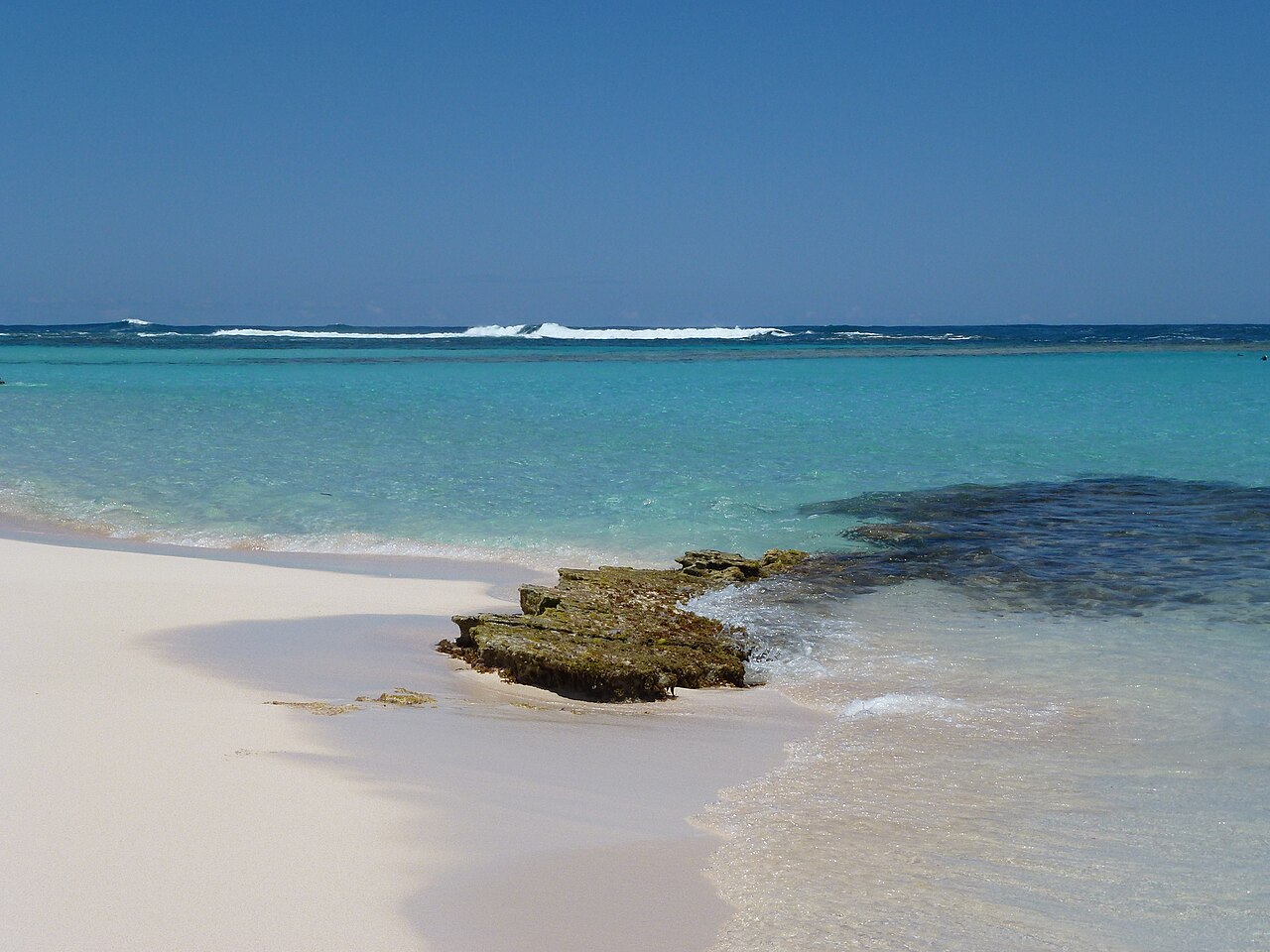
For sailing and island hopping, high season offers the most reliable winds and the full range of tours. For diving the RMS Rhone and other wrecks, calmer months with good visibility often give the best experience, although the wreck can be dived throughout the year. For hiking at Sage Mountain, Gorda Peak and Mount Healthy, the drier months make trails firmer and views clearer, and early mornings are best in any season. For beaches, the calmest water on the north shore comes outside the winter swell months, while the south-facing bays are sheltered in winter. For lobster on Anegada, check the season with your restaurant, since availability varies.
Crowds and cruise days
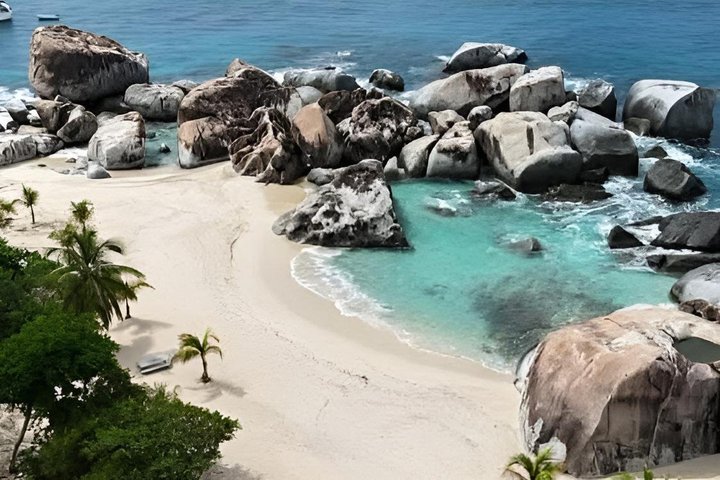
Cruise ships visit Road Town and some tours, such as The Baths, are busiest in the middle of the day. At any time of year, the first hour after opening and the late afternoon are the quieter periods at popular sights. Weekends bring more local boats to the beach bars, so mid-week is calmer. If you want a peaceful trip, choose a smaller island such as Anegada or stay at a quiet resort away from the main anchorages.
A word on weather and flexibility
Tropical weather is changeable at any time of year. A morning squall can pass in twenty minutes, and a wind shift can turn a calm anchorage choppy. Reputable operators adjust routes for comfort and safety, so be ready to swap a stop or reschedule. Keep a back-up plan for each day, such as the botanic gardens, a sheltered beach or a mangrove paddle, and avoid booking non-refundable activities on your first or last day if you can.
Planning tips
Whatever the season, bring reef-safe sunscreen, a hat, a rain jacket for sudden showers and insect repellent. Keep a flexible day in your itinerary in case weather cancels a boat trip, and allow a buffer before onward flights. If you are chasing the best weather, aim for February to April, while if you are chasing value and quiet, consider May, early June or late autumn. Always check the forecast and local advice shortly before you travel, because conditions can change.