Food in the British Virgin Islands is shaped by the sea, the boats and the beach bar. Do not expect a big restaurant scene on every island. Instead, expect fresh fish, island rum, simple grills and a handful of memorable places where the setting does most of the work. This guide covers what to try, where it fits into a sightseeing day and how to keep costs reasonable in a destination where imported food is pricey.
The drinks
The signature cocktail is the painkiller, a blend of rum, pineapple and orange juice, cream of coconut and grated nutmeg, closely associated with the Soggy Dollar Bar at White Bay on Jost Van Dyke. Drink one with your feet in the sand, but remember that it is stronger than it tastes and that you may be swimming or sailing afterwards. Local rum is a good souvenir, and the Callwood Distillery at Cane Garden Bay is a place to see rum made in the traditional way, with tastings of different bottlings. Rum punch is the default at beach bars, and local beer is easy to find. In the heat, ask for water alongside your cocktails.
The beach bars
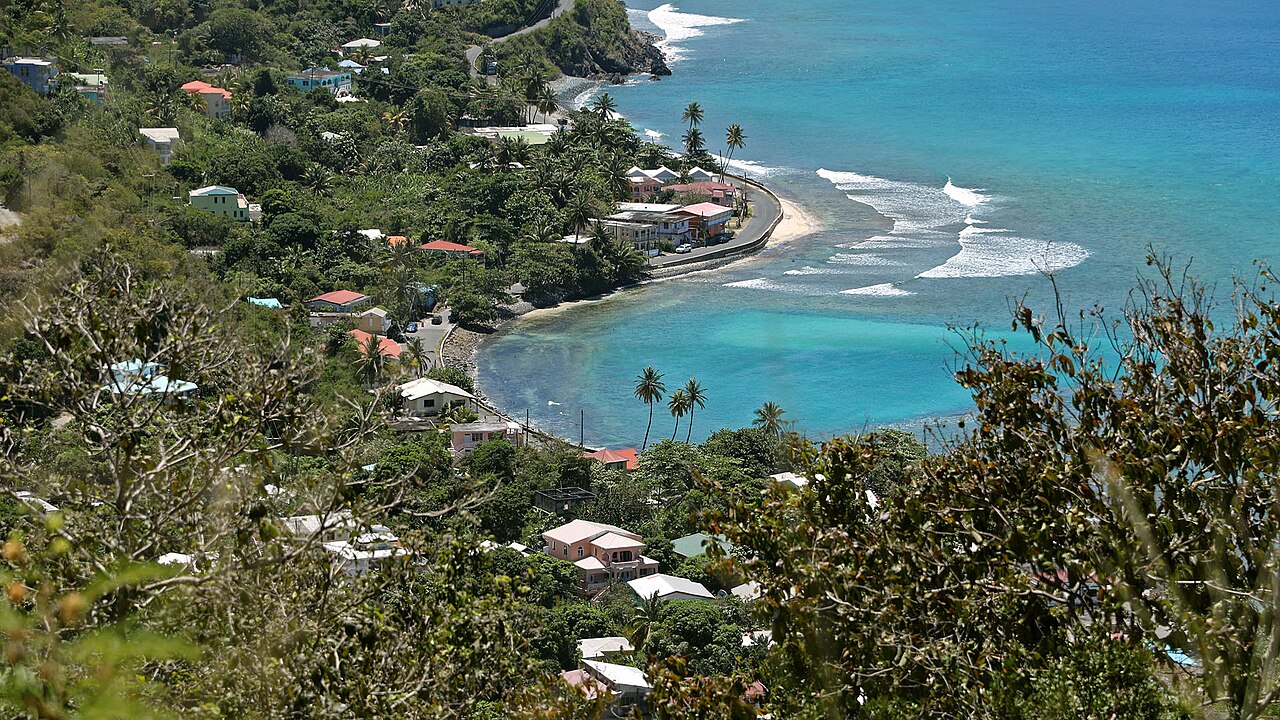
The BVI's best meals are often at the water's edge. Cane Garden Bay has a string of beach restaurants where you can have fish, ribs or a burger with the boats anchored in front. Jost Van Dyke has two scenes: White Bay for the lively wade-in bar and Great Harbour for Foxy's, the bar and restaurant that put the island on the map, with live music and a famous New Year's party. On Norman Island, the beach bar in The Bight and the floating Willy T are a rite of passage for sailors. On Anegada, Cow Wreck Beach and Loblolly Bay have simple grills, and the lobster here is the thing to order in season.
What to eat
Fresh fish is the staple, often mahi-mahi, snapper or wahoo, grilled or pan-seared and served with rice and peas, plantain or a salad. Conch, served as fritters, in a chowder or stewed, is a regional favorite. Lobster, especially on Anegada, is cooked on grills and served with butter, and the season means it may not be available all year. Roti, a curried filling in flatbread, is a good lunch for travelers on a budget. Try johnnycakes, fungi (a cornmeal side) and local fruit such as mango, soursop and guava when they are in season. Vegetarians will find the choices more limited, so ask the kitchen about plant-based options.
Where to eat by area
In Road Town, waterfront restaurants and bakeries around Main Street and Wickhams Cay give you a mix of local dishes and international food, and they are easy to reach from the ferry docks. On the north shore, Apple Bay and Cane Garden Bay mix beach bars with restaurants in hillside settings such as the old sugar mill at the Sugar Mill Hotel. On Virgin Gorda, the Baths and Spanish Town have casual places for a lunch stop, while the resorts around the North Sound and Little Dix Bay offer more polished dining. Nanny Cay's waterfront has several restaurants for sailors and families.
On a budget
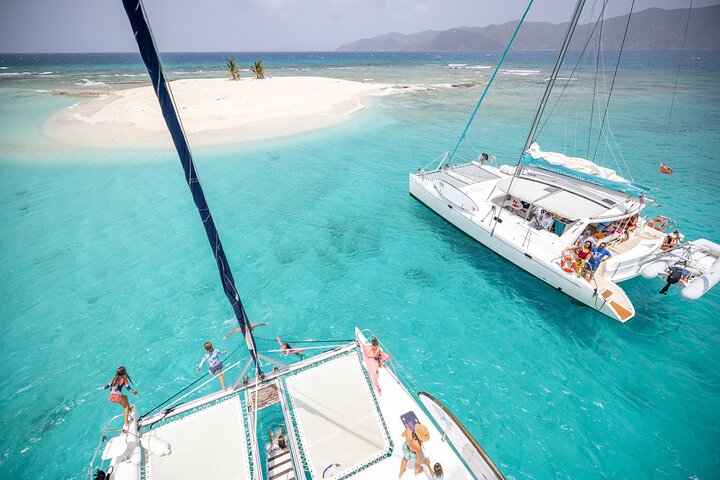
Imported ingredients make eating out expensive, so plan accordingly. Self-catering with a supermarket run in Road Town cuts costs, especially for breakfasts and picnics for boat days. Ask boat operators what is included, since shared sailing trips often provide lunch and an open bar. Share plates, choose lunch over dinner for the larger meals and look out for happy hours at beach bars. Carry cash for small stalls, because card machines can be unreliable in remote places.
A simple day plan
Start with coffee and a bakery breakfast in Road Town, then catch a morning boat or ferry. Plan lunch as the main event at a beach bar, ideally one you can wade or dinghy to, and keep the afternoon for a swim. Return for an early dinner in a harbor restaurant or a grill by the beach, and finish with a quiet rum on the porch. This rhythm suits the heat, the boats and the islands' slow pace, and it keeps the budget in check.
Tips for sailing days
Check which meals are included, bring water and eat a proper breakfast before you board. Alcohol and sun are a strong combination at sea, so alternate drinks with water, and tell the crew about allergies or dietary needs in advance. If you are eating ashore at a remote bar, ask about opening days and times, because small places can close in the quieter season or on bad weather days. A relaxed approach pays off: let lunch be the main event, and keep the rest of the day light.