Bruges is a year-round destination, and every season gives it a different character. The compact old town fills with day-trippers in the middle of the day at any time of year, so the question is less when to avoid the crowds than which version of the city you want. This guide sets out the seasons plainly, along with the patterns that affect your plans: the weekly closing day for museums, the canal-boat season and the Christmas market.
Spring (March to May)
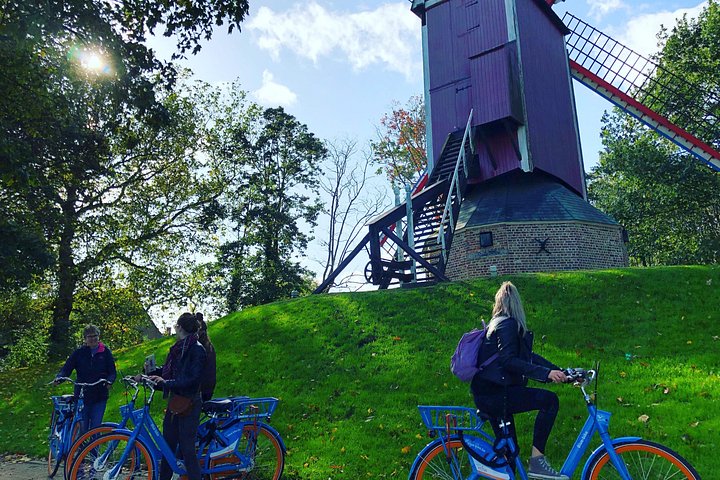
Spring is a lovely time for a first visit. The canal boats start running in early March, the days lengthen quickly and the lawn of the Beguinage is famous for its daffodils. Temperatures are mild but changeable, so pack a waterproof layer. Easter and school holidays bring crowds, but a weekday in April or May feels relaxed. Terraces begin to fill, and the light is excellent for photography. It is a good season for the bike ride to Damme, when the poplars along the canal come into leaf.
Summer (June to August)
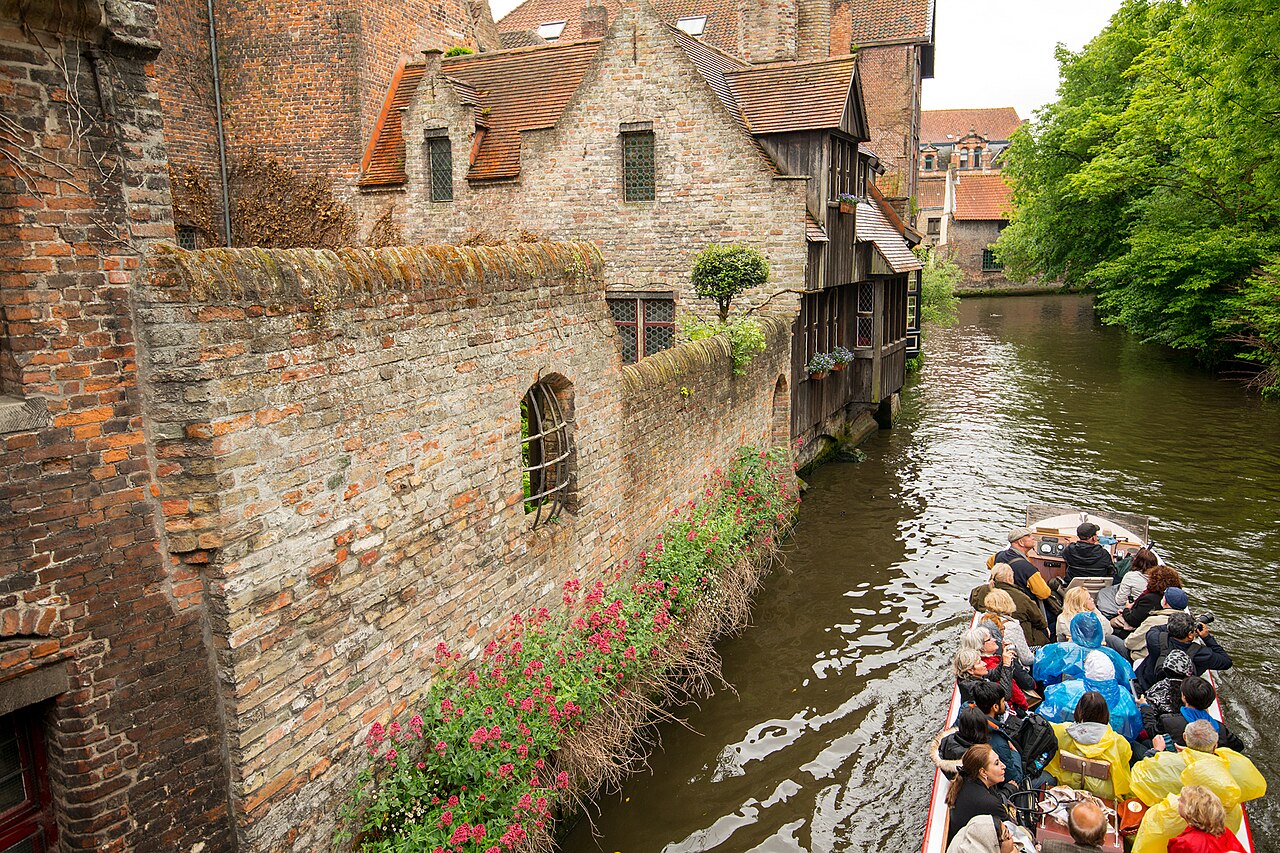
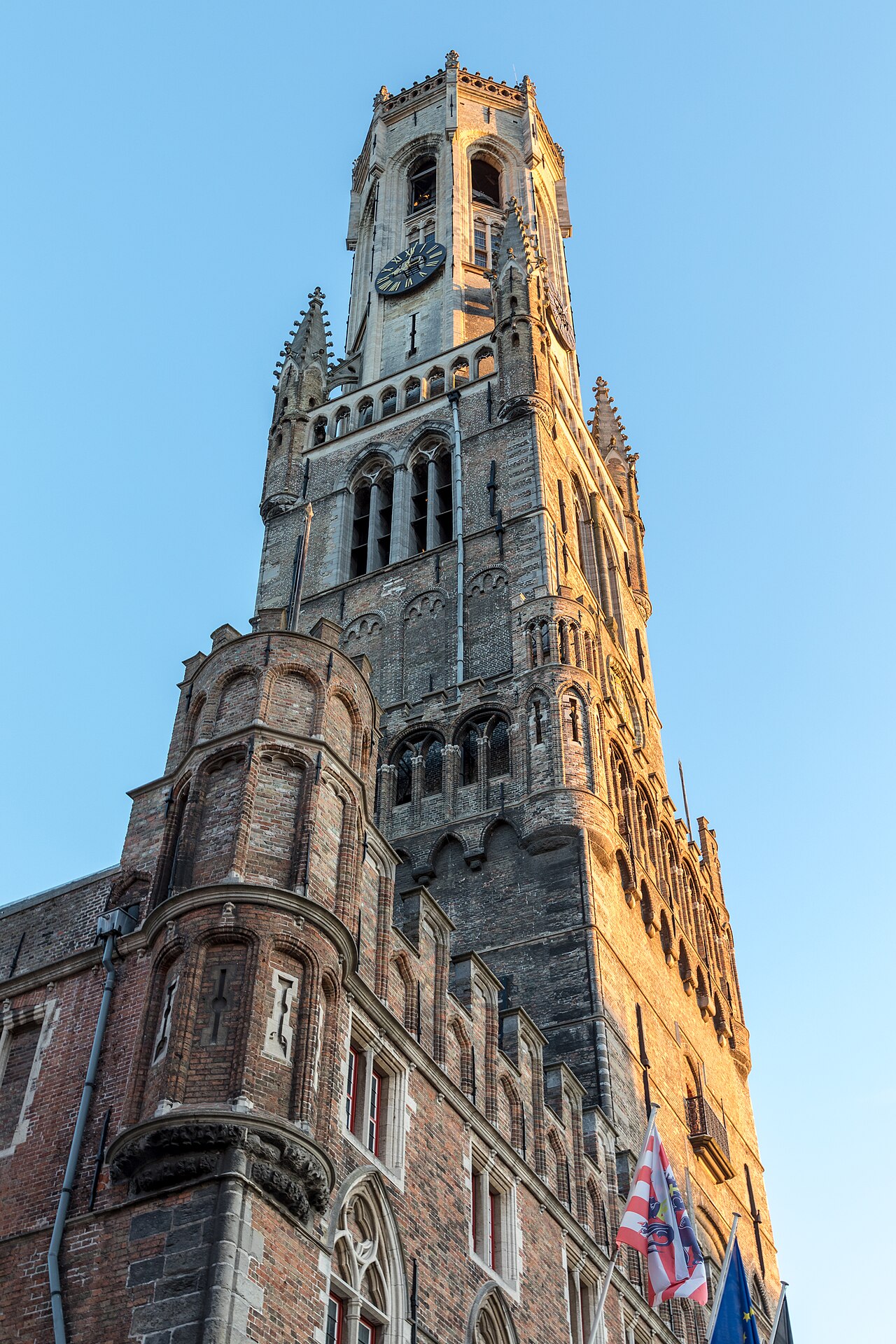
Summer is the busiest and warmest season, with long evenings, open-air cafes and boats running at full strength. Midday on the Markt and the Burg can be crowded, and hotel prices are higher, so book early. The best strategy is to start early, climb the Belfry on the first slots of the day, retreat to a museum or a cool church in the afternoon and come back to the canals in the evening, when the day-trippers have left and the light is soft. Pack sunscreen and a hat, and carry water, because the old town has little shade.
Autumn (September to November)
Early autumn is perhaps the best all-round time to visit: the crowds thin after the summer holidays, the weather is often pleasant and the trees along the canals turn gold. Canal boats keep running until mid-November, so you can still see the city from the water. Later in autumn, the days grow short and wetter, and the mood becomes cosy, which suits museums, breweries and long dinners. Check opening hours as the winter schedule begins.
Winter and the Christmas market (late November to early January). The old town is atmospheric in winter, with lights on the Markt and a Christmas market of wooden chalets running from late November into early January. It is magical but busy, especially at weekends, and hotels fill early. Climb the Belfry first thing in the morning, visit museums in the afternoon and stroll the lit canals in the evening. Canal boats are at the operators’ discretion in winter, so do not count on a ride, and the Belfry gallery can be cold and windy. After the holidays, January and February are the quietest months, with the lowest hotel prices and a hushed, misty atmosphere that many visitors love, though it can be cold and damp.
Weekly and seasonal patterns that matter
Most Musea Brugge locations close on Mondays, while the Belfry stays open, so schedule museums from Tuesday to Sunday. Museums close on 25 December and 1 January and close early on 24 and 31 December. Individual locations occasionally close for works, so check the current status of anything on your must-see list, as the Groeningemuseum, which is entering a long refurbishment with highlights moving to BRUSK, shows. The Belfry can close at short notice in strong winds. Weekends are busier than weekdays in every season.
Rainy-day plan
Belgian weather is changeable, so keep indoor options in your back pocket: the Gruuthusemuseum, the Sint-Janshospitaal, the Church of Our Lady, Choco-Story, the Frietmuseum and the Historium are all indoors and close to each other. A brewery tour is another dry, warm option.
Our recommendation
For the best balance of weather, light and crowds, aim for April to early June or September to October, and visit mid-week. For atmosphere, choose the Christmas market period and book early. For the best prices and the quietest streets, go in January or February. Whenever you travel, stay at least one night inside the canal ring, so you see Bruges in the early morning and evening, when it is at its best.