Brussels is often reduced to chocolate, beer and institutions, but it is also a city with a layered and surprising history. Medieval merchants built it, Habsburg and Spanish rulers shaped it, a young Belgian state remade it in the nineteenth century and two world wars left their marks. This guide lays out a trail through those layers, with the sights and tours that bring each one to life.
The medieval city
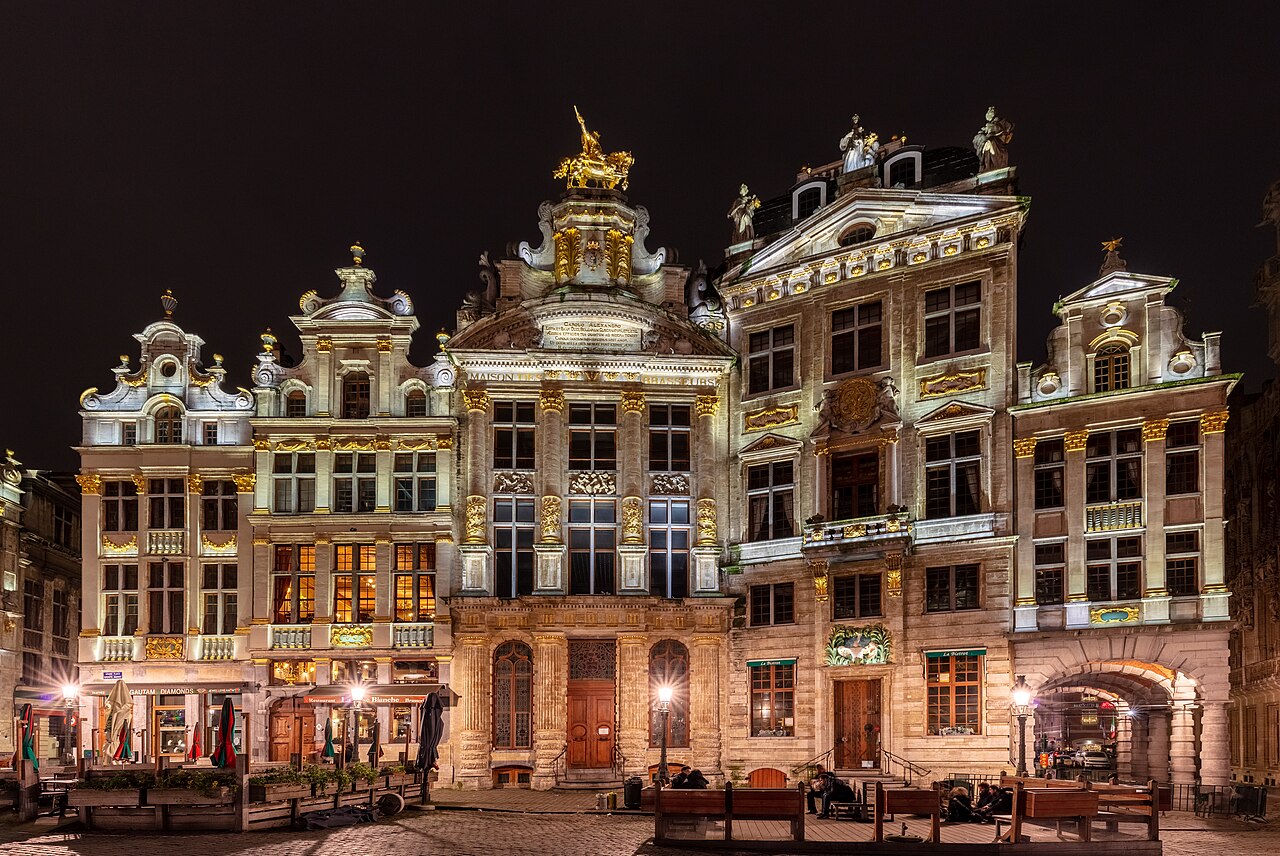
Begin at the Grand-Place, where the guildhalls tell the story of the trades that made Brussels rich. Each house belonged to a corporation, from brewers to butchers, and their gilded gables and emblems are a catalogue of medieval commerce. Stand in the middle and turn slowly, then walk the lanes that lead off it to find the oldest streets of the lower town. Manneken-Pis, a few minutes away, is a small, cheerful symbol of the city's sense of humour. The cathedral on the hill adds a Gothic counterpoint.
The theatre of the people
Brussels also kept alive popular traditions such as marionette theatre, which grew up in the working-class districts. A show at the Toone theatre, hidden near the Grand-Place, preserves that heritage and includes the local dialect and humour. It is a reminder that the city's history is made not only of kings and councils but of everyday entertainments.
The nineteenth-century capital
After 1830 Brussels became the capital of a new country, and it expanded with grand boulevards, glass-roofed arcades and monuments. The Galeries Royales Saint-Hubert show the confidence of that era, as do the upper-town squares and the museum quarter. A guided architecture tour helps you read the styles, from neoclassical to eclectic, and the Horta Museum shows how Art Nouveau transformed the domestic interior. Walk through the Sablon for another view of how the bourgeoisie lived and collected.
The twentieth century
Two world wars touched Brussels deeply. A guided WWII walking tour tells the story of occupation, resistance and liberation through the streets where it happened, and it pairs well with a visit to the city's museums and memorials. The Atomium, built for the 1958 World's Fair, represents the optimism of the postwar years and the idea of a modern, international Brussels. Together, these sights show how the city moved from conflict to a role as a meeting place for Europe.
The European capital
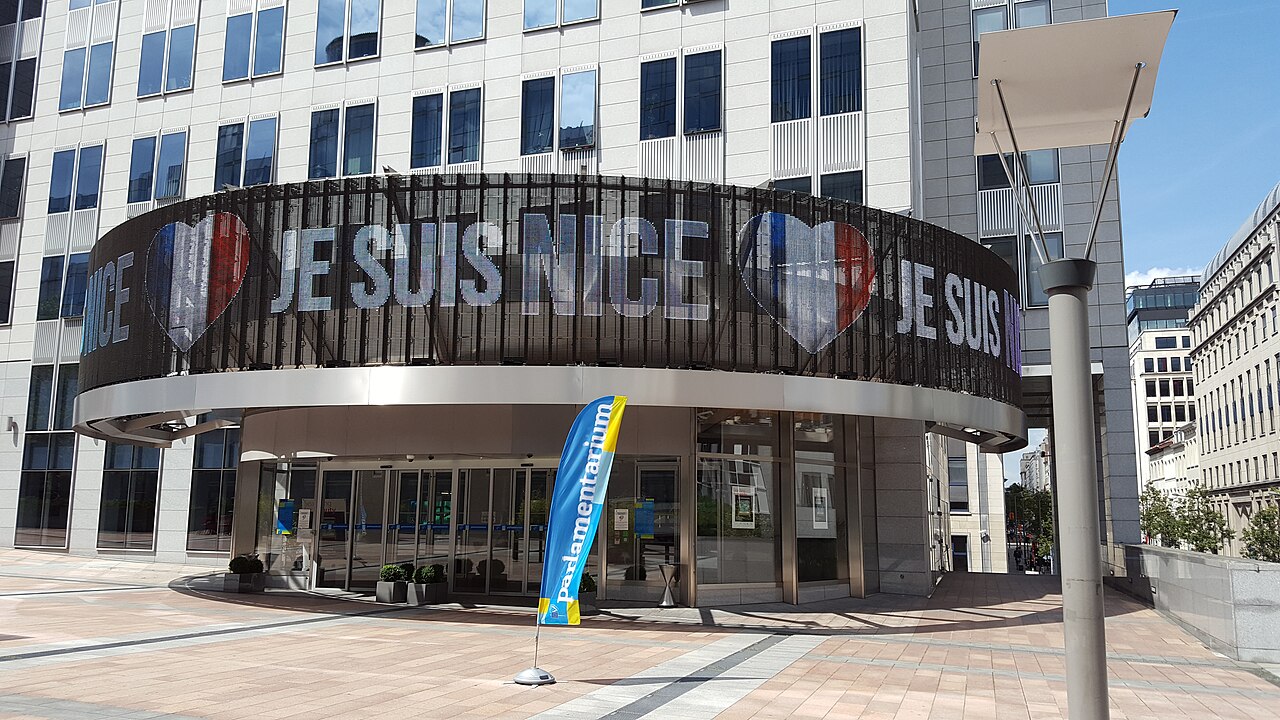
Today Brussels is home to major European institutions. The Parlamentarium, an interactive visitor centre, explains how the European Parliament works and how the union came together. It is a good counterpart to the historic sights, because it shows the present chapter of a very long story and often prompts questions about how a small country became the heart of a continent's politics.
Beyond the city
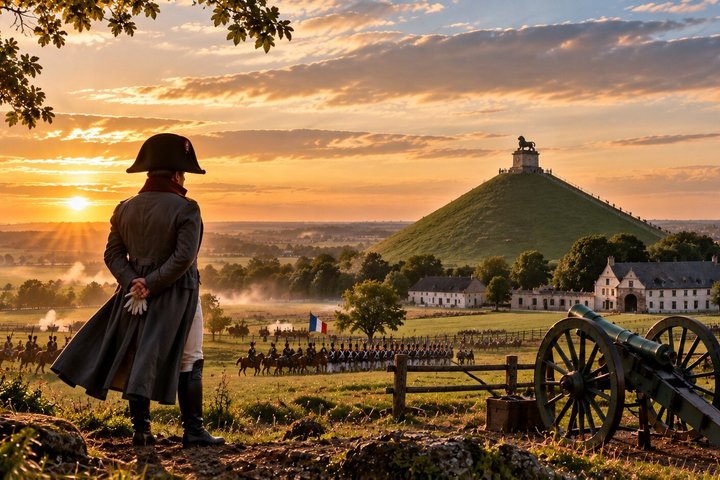
History spills out of Brussels in every direction. The Waterloo battlefield, to the south, is the most famous site, with its mound, panorama and museum telling the story of 1815. A day trip to Mechelen and Leuven shows Habsburg and university heritage, while Dinant and Namur offer fortresses and river valleys. A day in Bruges or Ghent adds the medieval cloth towns. Choose one or two rather than all, and allow a rest day between them.
How to pace it
A good plan is to spend day one in the medieval and nineteenth-century city, day two on the twentieth century and the European story, and day three on a day trip. Mix guided tours with free wandering, because a guide's stories turn a facade into a character. Carry a light bag, wear shoes for cobbles and keep a museum in reserve for rain. Many visitors find that a single well-chosen tour does more than hours of reading.
What to book
Most of this trail is free to walk, but a few items repay booking ahead: a guided architecture or wartime walk, the Waterloo trip and any museum with timed entry. Book the guided pieces a few days in advance in busy months, and leave a free afternoon for wandering.
A note on context
Brussels is bilingual, with French and Dutch both in daily use, and the story of how that came about is itself part of the trail. Street signs, shop names and menus show both languages, and a guide can explain why. The city is also a place of many immigrant communities, whose presence adds recent chapters to the story. Approach the trail with curiosity and the city will surprise you.