Cairns has a tropical climate with two main seasons rather than four, and the best time to visit depends on whether you value dry weather, calm seas, warm water or fewer crowds. There is no bad month for the reef itself, but the experience changes enough through the year that a little planning pays off.
The dry season: June to October
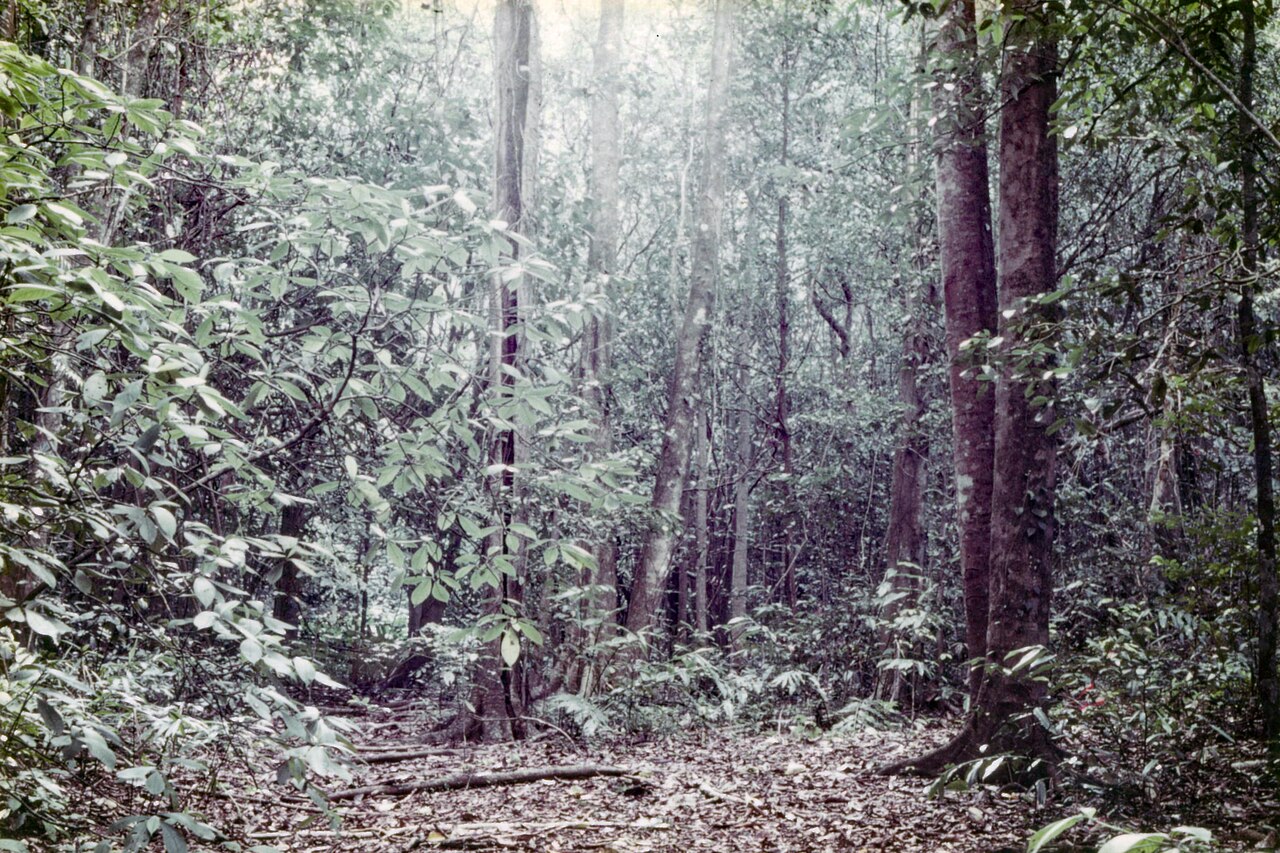
This is the most popular time. Rainfall is lowest from June to October, and August is typically the driest month. Daytime temperatures are in the mid-twenties Celsius, evenings are cool and humid weather eases, which makes walking in the rainforest and along the Esplanade comfortable. The sea is also free of box jellyfish for most of the period, although the south-easterly trade winds strengthen in winter and can make some reef crossings choppy. If you are prone to seasickness, pick a larger vessel and take tablets early. This is also peak season for hotels, so book the best rooms and the popular Daintree and reef tours well ahead, especially during Queensland school holidays in late June and July, late September and early October.
The shoulder months: May and November
May is often the sweet spot, with rainfall falling away, warm water and fewer visitors. November is warm and increasingly humid, with the sea at its warmest, and it is generally quiet before the summer holidays. Water visibility is typically at its best from about August into early December, and September is commonly the calmest month on the water, so late spring is a strong choice for reef lovers who do not mind heat.
The wet season: December to April
Expect heat, humidity and heavy rain, with the wettest period from January to April and February often the peak. Showers can be intense but short, the rainforest is at its most vivid and waterfalls are spectacular, but road closures, flooded creeks and cancelled tours do occur, and a tropical cyclone is a possibility. Prices are often lower and the crowds thinner, so travellers with flexible plans can find good value. Keep your itinerary loose, check conditions the day before each tour and consider travel insurance that covers weather disruption.
Stinger season: roughly November to May
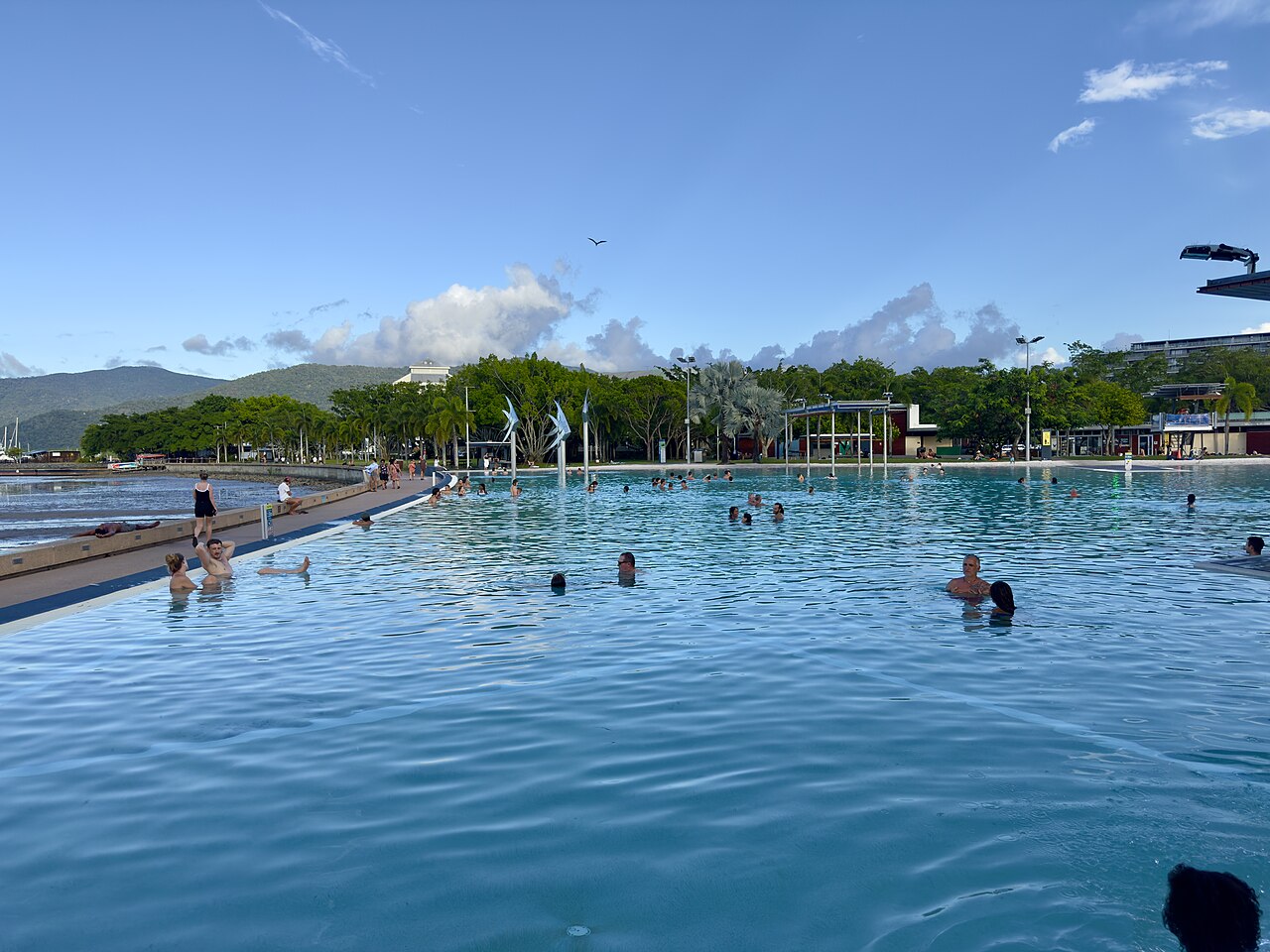
Box jellyfish and Irukandji are present in coastal waters during these months. Reef operators supply full-body stinger suits on every trip, and beaches have stinger nets at some locations. Swim only in netted areas, resort pools or the free Esplanade Lagoon, and obey signs about crocodiles in rivers and creeks at all times of the year. The sea off Cairns itself is not suitable for swimming in any season.
What each season suits
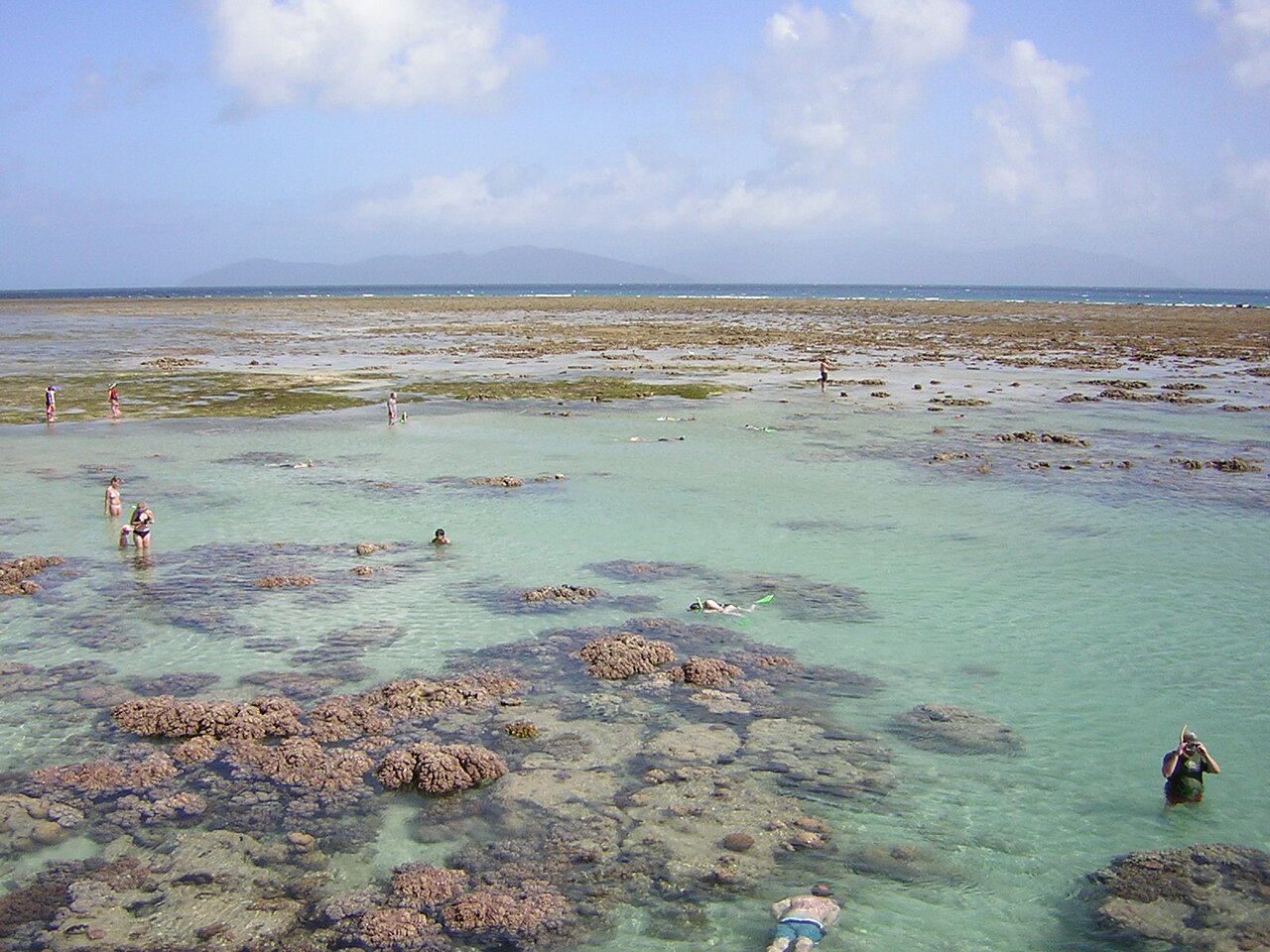
Choose June to October for first visits, families, walking and the easiest planning. Choose May or November for a balance of warm water, good visibility and fewer people. Choose the wet season for bargain accommodation, lush scenery and quiet waterfalls, provided you can accept disruption. For the outer reef, any month works, and the outer reef cruises run year-round, weather permitting. For Green Island and Fitzroy Island, calmer days make the crossing more comfortable.
Events and school holidays
Dates move each year, so check the current school holiday calendar before you fix a date, because accommodation and the best boats fill first in those weeks. Outside them you will often find shorter queues, easier parking and more flexibility on departure times. If your dates are fixed by work or family, do not worry: with a stinger suit, a rain jacket and a flexible attitude, every month offers a very good reef day and a very good rainforest day.
Packing and timing tips
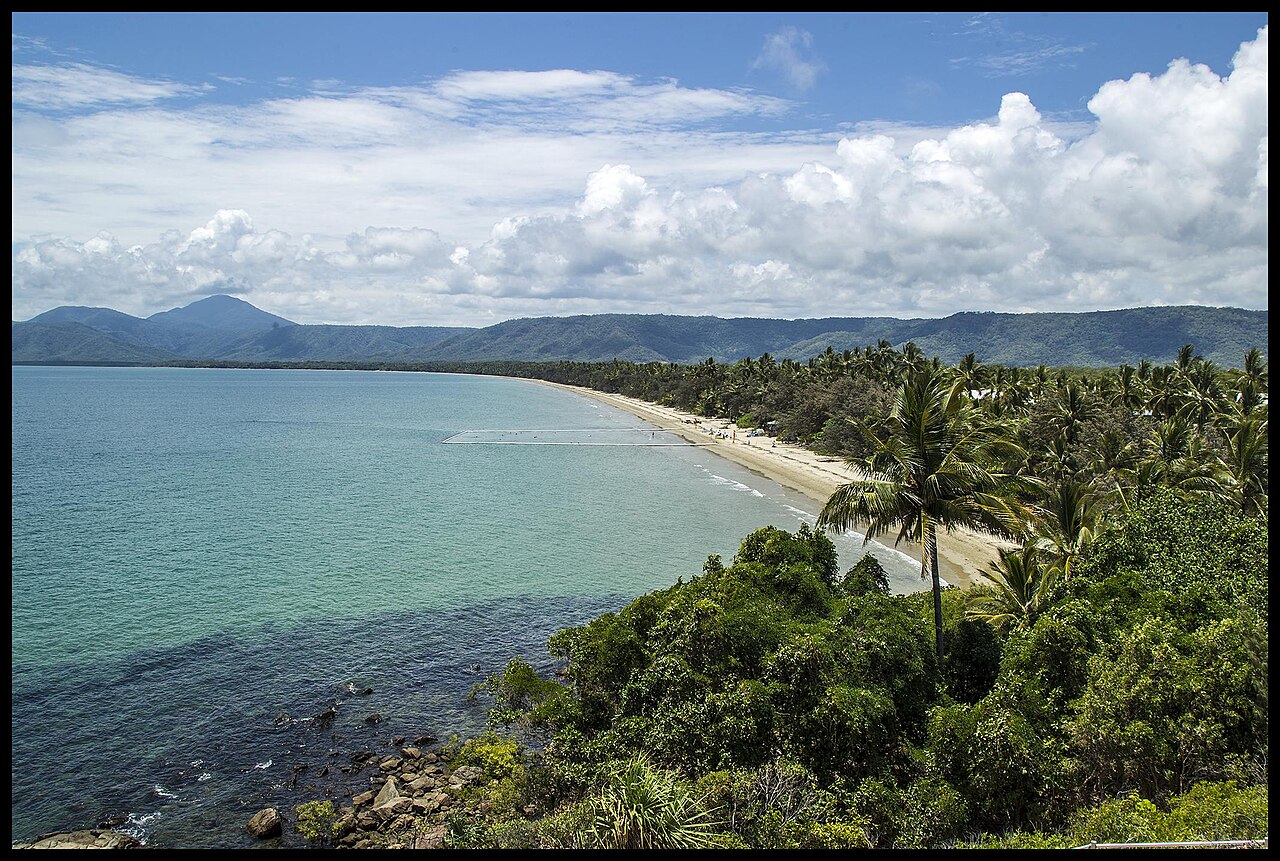
In the dry season, pack layers for cool evenings and for breezy boat decks. In the wet season, bring quick-drying clothing, a light rain jacket and insect repellent. Reef-safe sunscreen, a hat and a rash vest are useful all year. If you plan to visit Port Douglas and the Daintree, allow a buffer day in the wet season in case of flooding, and always check the day-before conditions with your operator.