Cappadocia is a landscape made for walking. The same soft rock that makes fairy chimneys also creates valleys, gorges and ridges, linked by old farm tracks and footpaths that were in use long before tourism arrived. Walking is the cheapest, quietest and most rewarding way to see the region, and it does not require any special skill, only a bit of planning and good shoes.
Easy first walks
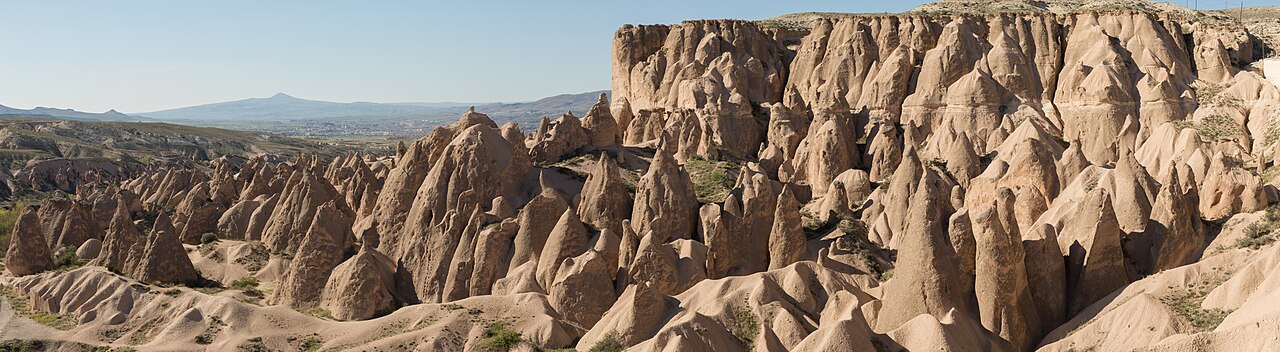
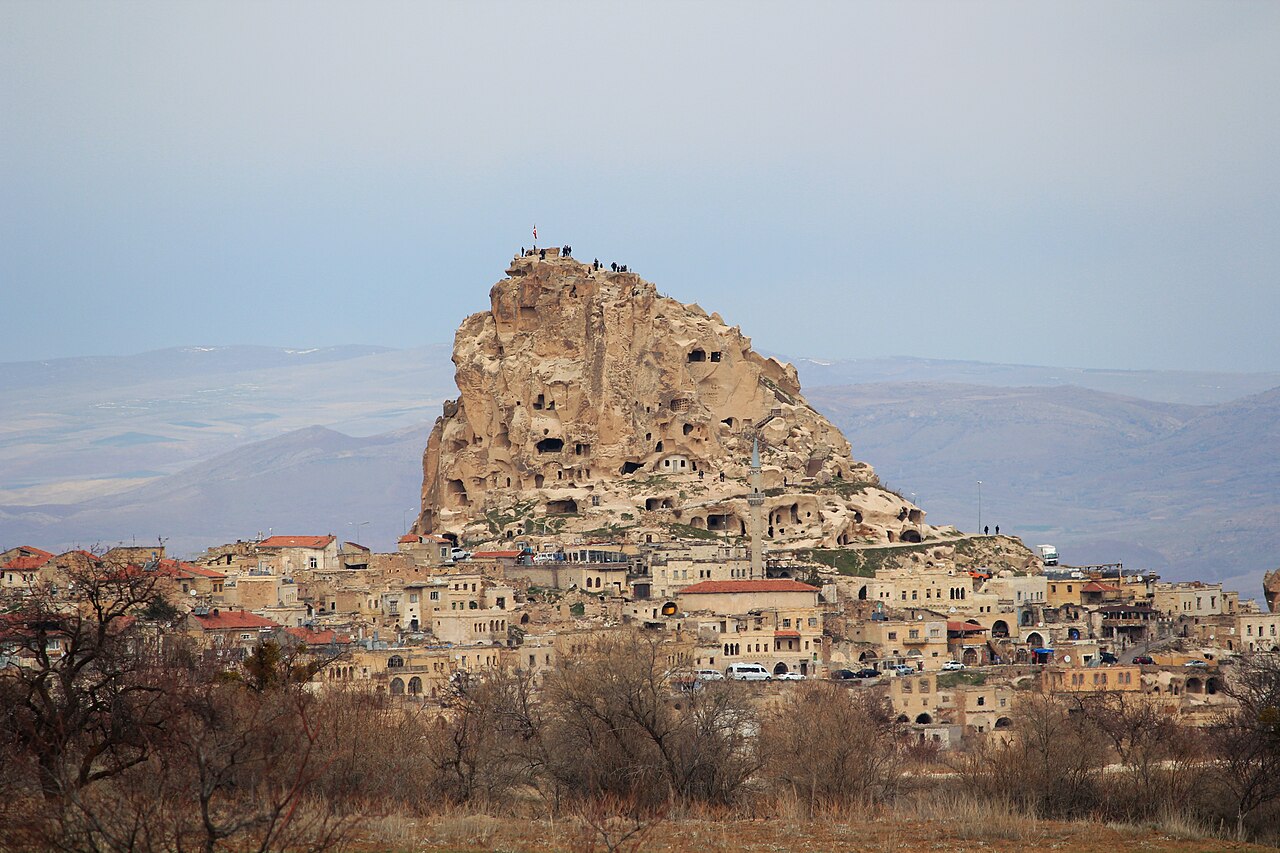
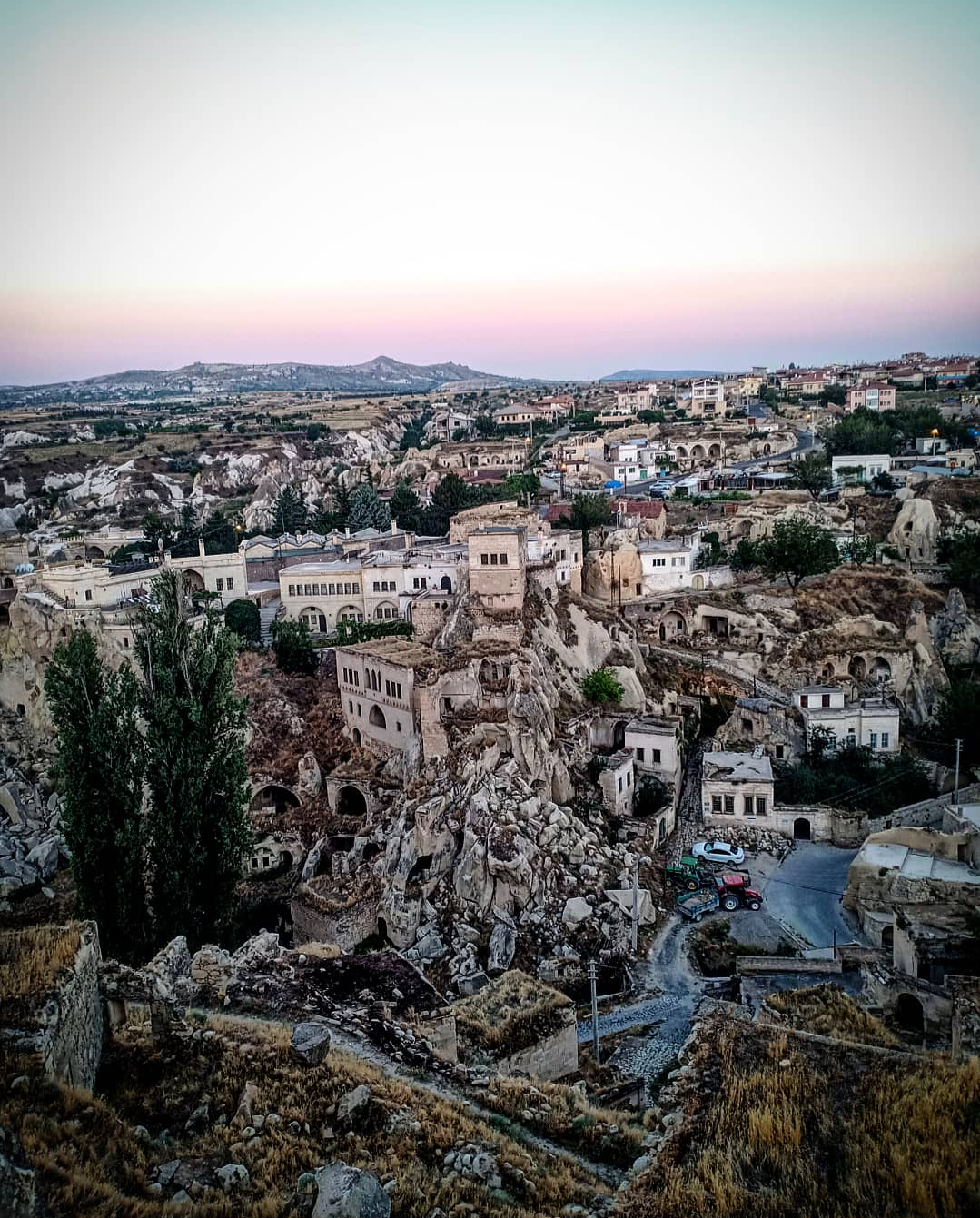
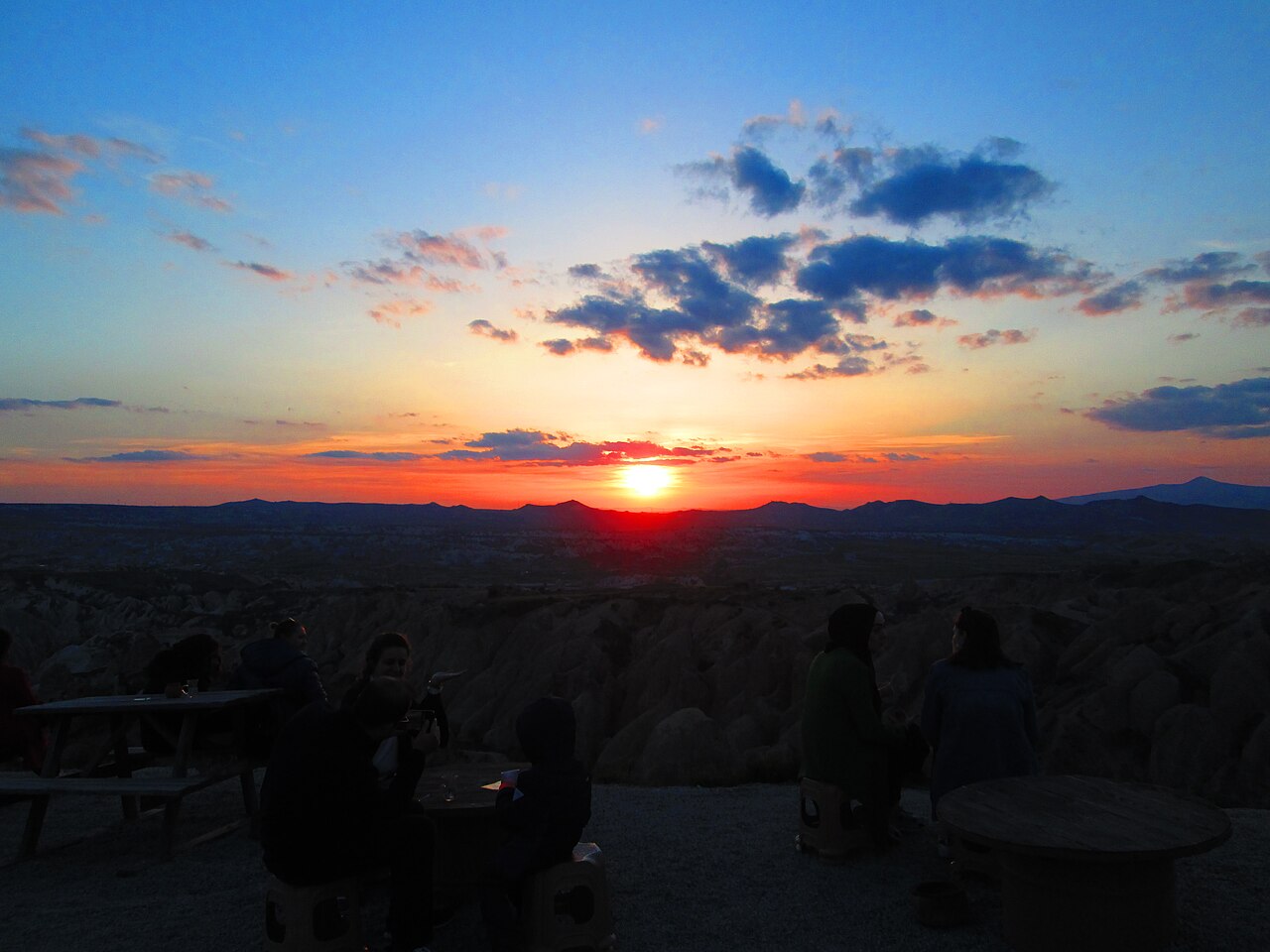
The Rose and Red Valleys, close to Göreme and Çavuşin, are the most popular. Paths are well worn, there are cave churches to explore and the colours at the end of the day are spectacular. Love Valley, with its tall phallic-shaped chimneys, is short and easily reached from Göreme, and the Pigeon Valley between Göreme and Uçhisar is a gentle walk past rows of pigeon houses with views of the castle. These routes take one to three hours and suit most people, including families with older children. You can do them without a guide, though a local can make sense of the details.
Longer routes
For a full day on foot, connect several valleys into a loop or a one-way walk, for example from Göreme through Rose Valley to Çavuşin, or from Uçhisar through Pigeon Valley to Göreme. Longer walks may involve steady climbs, rocky steps and sections with little shade. The Ihlara Valley, to the south-west, is a gorge walk of several kilometres along a river, with cave churches and shaded paths, usually done as part of a Green Tour. The Soğanlı Valley offers a quieter, more rural walk. Always check the distance and the ascent before you set out.
Guide or no guide
A guide is helpful for several reasons. Trails are often unmarked, they branch and cross, and it is easy to take a wrong turn or end up on private land. Guides know the best sequences of valleys, can open locked churches in some cases, explain the geology and local history and can adapt the route to your pace. For short, popular walks you can manage alone with an offline map and a sense of direction, but for longer routes a guide is well worth it. A guided trek also removes the hassle of arranging transport back to your hotel.
Seasons
Spring and autumn are the best seasons: temperatures are mild, the light is clear and the valleys are green or golden. Summer days can be very hot, with little shade, so start early and finish by midday, or walk in the late afternoon. Winter walking is possible on clear days, but paths can be icy or muddy, and snow can hide the route. Check forecasts and daylight hours, as dark falls early in winter.
What to carry
Wear walking shoes or light boots with good grip, since the tuff can be loose and slippery. Carry plenty of water, because there are few places to buy it on the trail. Bring sun protection, a hat, a light waterproof or windproof layer and a snack. A small torch or phone light is useful in tunnels and churches, and a charged phone with an offline map is a sensible backup. Trekking poles help on steep descents but are not essential.
Safety and respect
Stay on established paths, and avoid climbing fragile formations or entering unstable caves. Some rock faces are loose, and rockfall can occur after rain. Do not walk alone at dusk in remote valleys, and tell someone your route. Respect farmland: do not pick fruit, cross fields or disturb animals. Take your rubbish with you. Dogs, often friendly shepherd dogs, may follow you, but keep your distance if they seem protective.
Combining walking with other experiences
A morning walk pairs well with an afternoon at a hammam or a pottery workshop, and a sunset walk can be followed by a dinner of local food. A guided trekking day may include a picnic lunch or a tea stop in a village, giving you a taste of rural life. If you want a rest day between walks, a quiet horse ride or a jeep safari lets you see more of the landscape without effort. Whatever you choose, walking gives you the chance to see Cappadocia at the speed it was made, and to notice details that buses and balloons pass by.