Chefchaouen sits in the Rif mountains of northern Morocco, a small town whose medina is washed in blue and white and backed by steep limestone peaks. It is easy to like and easy to cover on foot, which is exactly why it rewards a little planning. Most first-timers arrive expecting a photo stop and end up wishing they had allowed another day for the hiking, the viewpoints and the unhurried pace.
Book ahead: the short list
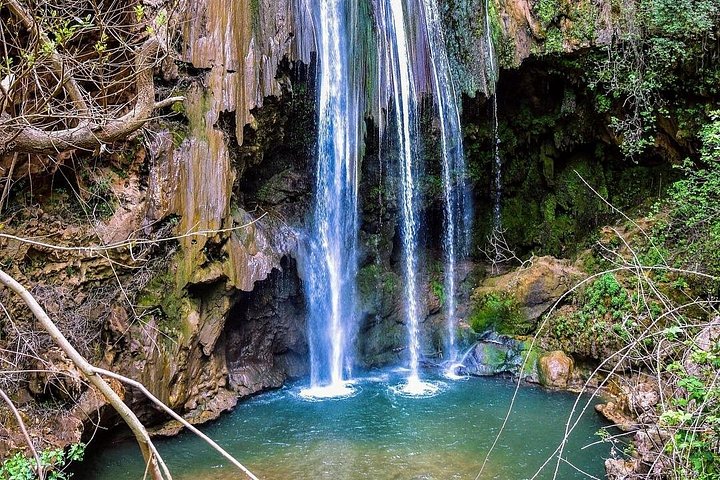
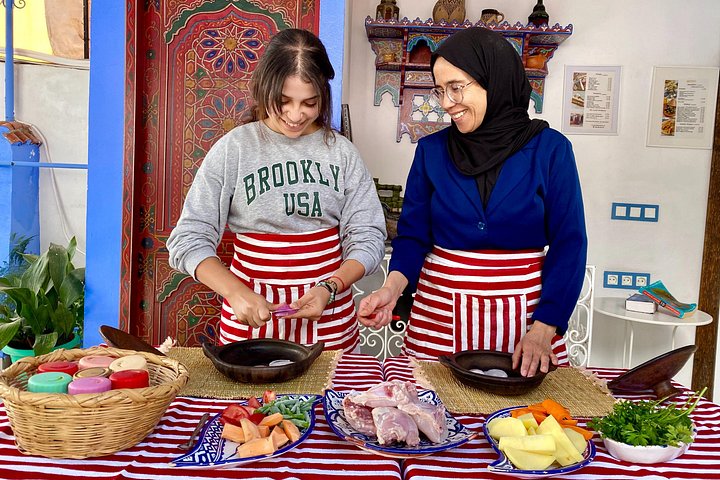
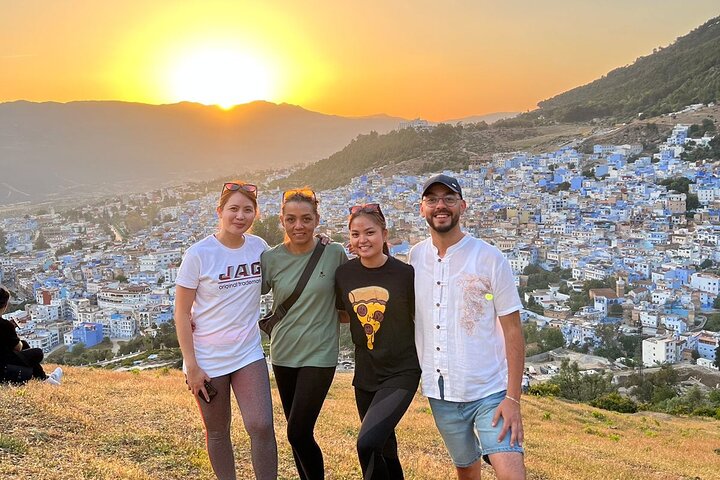
A private guided walk on your first morning is the best use of a small budget, since it explains the layout and the history in two to three hours. If you want to hike, book a guided Akchour waterfalls excursion for a weekday, and book the two-day Talassemtane trek early in spring and autumn, because the guest-house overnight is small. A cooking class with a local family and a photo session are the two other experiences worth reserving ahead, since they are run by small operators.
How long to stay
One full day gives you the medina, the kasbah and a sunset at the Spanish Mosque viewpoint. Two days add the Ras el-Maa spring, a cooking class and time in the souks. Three days let you add the Akchour waterfalls, and four or five suit walkers who want the two-day trek. Many people make the mistake of rushing through on a day trip, and the town is at its best in the early morning and the evening, when the crowds thin.
Getting around
Inside the medina you walk, and that is all there is to it. Lanes are stepped, so pack light and avoid hard-sided wheeled cases. Cars stop at the edge of the old town, so choose a hotel with parking, such as Hotel Parador or Maison D’hôtes Afassi, if you are driving. Shared transfers and taxis connect Chefchaouen with Tangier, Tetouan and Fes, and the journey takes a few hours depending on the route, so check times before you plan an early flight.
Where the sights fit
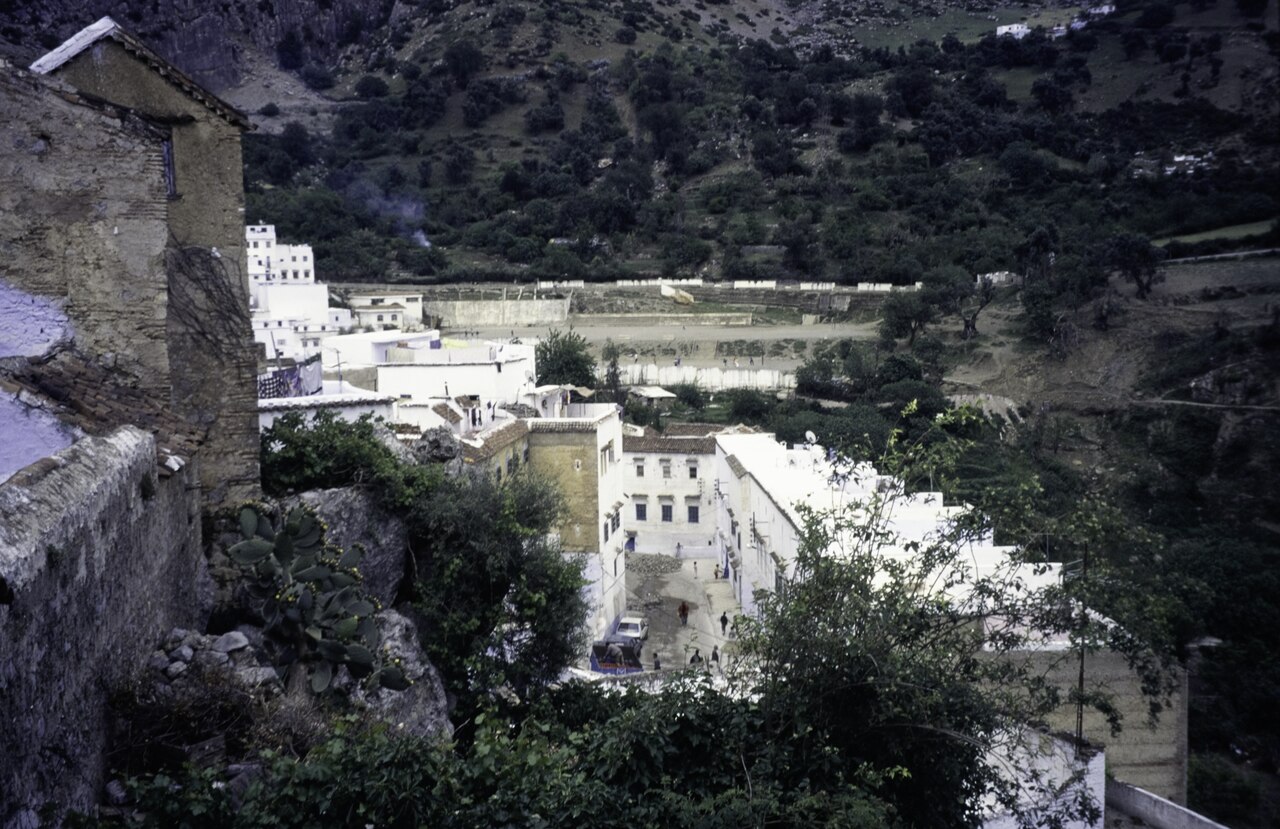
Plaza Uta el-Hammam is the centre, with the kasbah on one side and the Grand Mosque nearby. The kasbah museum is small and takes about an hour. Ras el-Maa spring is a short walk from the medina, and the path to the Spanish Mosque starts nearby, passing the spring on the way up. The souks fill the lanes around the square. Akchour is a separate outing in Talassemtane National Park, about a 45-minute drive from town, so give it a morning start.
What to wear and how to behave
Dress modestly, covering shoulders and knees, which is respectful and helps you blend in. Ask before photographing people, especially at the spring where women wash clothes, and keep your voice low in residential lanes. Wear shoes with grip, since the polished stone is slippery after rain, and carry small notes for tea and tips. The Grand Mosque is closed to non-Muslim visitors inside, but the exterior is worth seeing.
When to go
Spring and autumn are the most comfortable seasons for walking, with mild days and the best light. Summer is warm and good for swimming at Akchour, though the town is busier. Winter is cool and can be wet, with cold nights in the mountains, so bring a warm layer and check the weather before a hike. Ramadan changes opening hours and meal times, so confirm what is open if you travel then.
Where to stay
Staying close to Plaza Uta el-Hammam puts the sights within minutes, while a guest house on the avenue gives easier access by car. Our where to stay guide compares options from a spa hotel to a family guest house.