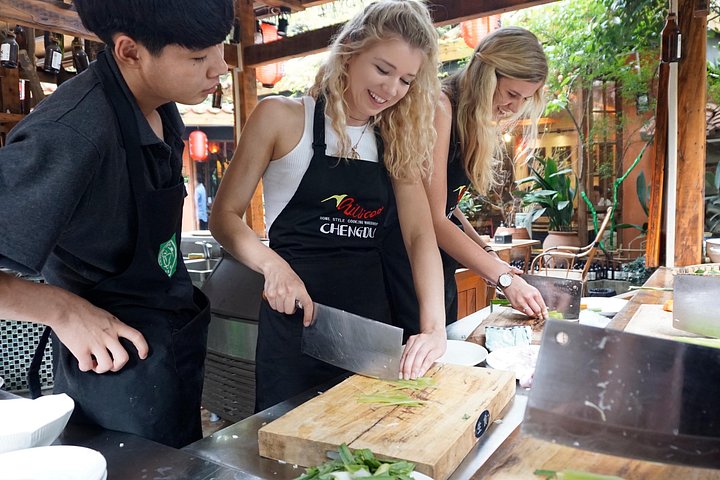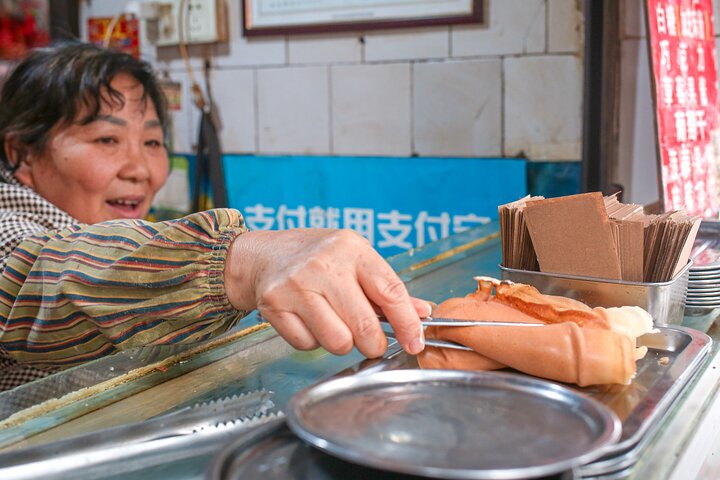
Chengdu’s markets are where the city’s everyday life, cooking and medicine come into sharp focus. This three-hour walk takes you through a wholesale market for traditional Chinese herbal ingredients, where roots, bark, dried fruit, mushrooms, flowers and other natural products are piled in sacks and trays, and then into a local wet market for fresh produce, spices, meat, fish and street snacks. A guide explains what you are looking at, what the herbs are used for and how they relate to the flavours on your plate. It is a sensory, sometimes pungent experience that is far removed from the tourist sights, and it is especially valuable if you plan to take a cooking class or want to understand Sichuan pepper, chillies and fermented bean paste. Travellers who like markets will find it one of the most revealing mornings in the city.
The herbal market
Wholesale herbal markets supply pharmacies, restaurants and households across the region. You will see dried ginseng and goji berries, mushrooms, roots of every shape, aromatic barks and seeds, many of which also appear in soups and tonics. Your guide explains the principles behind traditional herbal use, balancing foods by their warming or cooling qualities, and points out ingredients that you may have seen on menus. It is not medical advice, but it is an absorbing look at a long-standing food and health culture.
The wet market
Next you move to a fresh food market, where stalls display vegetables, tofu, noodles, live fish, poultry, chillies, pickles and spice. This is where Sichuan flavours begin. You can see different kinds of chilli, the red oil and bean paste that define local cooking, and the fresh Sichuan pepper that gives dishes their tingle. Guides often arrange small tastings and help you buy snacks.
Tips for visitors
Markets are busy and a little chaotic, so wear closed shoes you do not mind getting dirty, since floors can be wet. Some sights, such as live animals and raw meat, may be confronting for sensitive visitors. Morning is the best time, when stock is fresh and activity is highest. Ask before photographing vendors or their goods, and carry small change or a payment app for any purchases.
Buying
Do not buy herbal products for medical reasons without proper advice, and check customs rules on bringing plant and food products across borders before you buy. Spices, dried fruit and tea are generally the safest souvenirs.
Pair it with
A cooking class later in the day, or a stroll in People’s Park, which is typically nearby in feel and in time.
Who it suits
Food lovers, photographers, curious travellers and anyone preparing for a cooking class. It is less suited to travellers who dislike strong smells or crowds.
Making the most of it
Carry hand sanitiser and a small bag, taste only what your guide recommends and drink bottled water. If you have food allergies, tell the guide in advance so that tastings can be adjusted. Visitors who plan to take a cooking class often find that this market tour is the key that makes the dishes make sense, because they can now picture the raw ingredients in the pan.
What to expect
The experience
A guided walk through a wholesale herbal market and a fresh food market, with explanations and a few tastings.
Best time
Mornings, when the markets are busiest and stock is freshest.
How long
About three hours.
Tips
Wear closed shoes, ask before photographing vendors, and check customs rules before buying herbs or food.
Quick picks
- Best for
- Food lovers and photographers who want to see the raw materials behind Sichuan cooking.
- Families
- Curious older children will enjoy it, but some sights may be confronting.
- Couples
- A different and memorable morning together.
- Pair with
- A Sichuan cooking class that same day.
- Time needed
- A morning.
Good questions
What will I see at the herbal market?+
Dried roots, mushrooms, barks, flowers, fruit and seeds used in cooking and traditional herbal remedies, displayed in bulk by wholesalers.
Is it suitable for vegetarians?+
The markets include raw meat and fish, which may be unpleasant for some visitors, though the herbal section is plant-based.
Can I buy things?+
Yes, but check customs rules before bringing herbs or food home. Spices, tea and dried fruit are usually the easiest souvenirs.
When is the best time to go?+
Mornings, when stock is fresh and the markets are busiest.
Is it a good lead-in to a cooking class?+
Yes. Seeing the ingredients first makes a class much more meaningful.