Chiang Mai has three distinct seasons, and the right time to visit depends on whether you want comfort, crowds, green scenery or festivals. Because the city sits in a valley with mountains close by, the season affects more than the weather: it also decides which day trips are at their best and how easy it is to book rooms.
Cool season, November to February
This is the most popular and generally the best time to visit. Skies are clear, days are warm but comfortable and evenings are pleasantly cool, which makes walking the old city, the Sunday Walking Street and the night markets a pleasure. The mountains can be properly cold, especially early in the morning, so on a Doi Inthanon tour or a sunrise visit to Doi Suthep, bring a fleece or a jacket. This is also the busiest and most expensive season, so book hotels and popular tours early, especially around the lantern festivals.
Hot season, March to May
Temperatures climb steadily and the afternoons can be very hot. Plan outdoor sights for the morning, keep the middle of the day for indoor attractions, a long lunch or the pool, and save the evenings for markets. Air-conditioned places such as the Fahlanna Art Museum and Art in Paradise become more appealing. Songkran, the Thai New Year water festival in mid-April, is a lively and wet celebration in Chiang Mai, so expect crowds and soaked clothes if you travel then.
The haze season
From roughly February to April, agricultural burning and forest fires across the region can cause smoke and haze, and air quality can be poor. This varies a great deal from year to year, and it can affect views from Doi Suthep and Doi Inthanon as well as comfort, especially for children, older travellers and people with asthma or heart conditions. If you are sensitive to air quality, check a live air-quality app before you book flexible trips, or visit in another season.
Rainy season, June to October
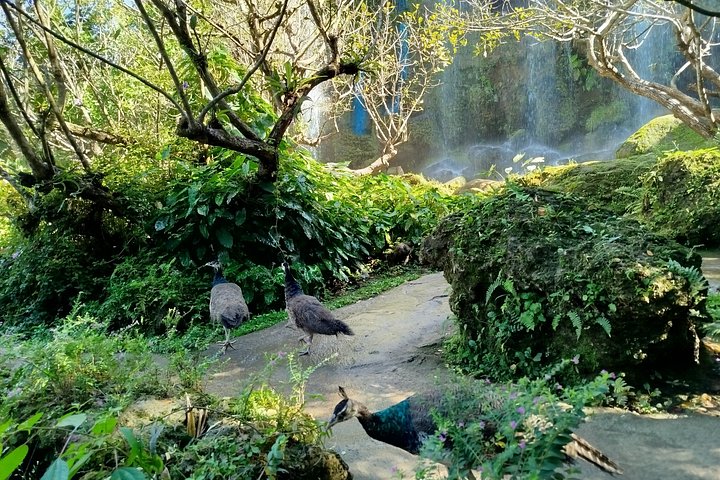
The landscape turns lush and green, the waterfalls are at their most powerful and the tourist crowds are thinner, so prices can be lower. Rain usually arrives in heavy bursts in the afternoon or evening rather than lasting all day, so plan outdoor activities in the morning. Some trails and rivers can be slippery or closed after heavy rain, so check with your tour operator. The ziplines, ATV tours and waterfall visits still run, but the mud and the water level can change the experience. It is a good season for cooking classes, museums, spa days and elephant sanctuaries, and the sanctuary visit is especially lovely when everything is green.
Lantern festivals
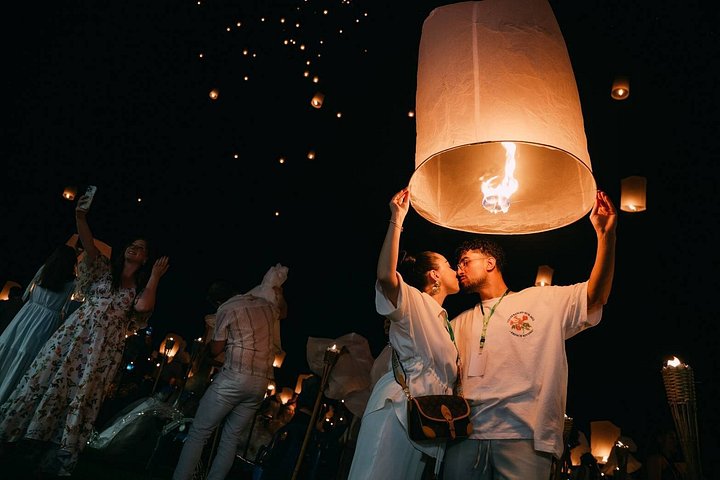
Loy Krathong and Yi Peng fall on the full moon of the twelfth lunar month, usually in November. Loy Krathong is the Thai festival of floating decorated baskets on rivers, and Yi Peng is the northern Thai tradition of releasing lanterns into the night sky. In Chiang Mai the two merge into several days of events, parades and lantern releases, and it is one of the most memorable times to visit, but also the most crowded. Book hotels and any ticketed events well ahead, buy only from the organisers or trusted sellers and check the exact dates locally each year, because the lunar calendar moves them.
Choosing for your trip
For the best balance of comfort and clear skies, choose late November to January. For lower prices and green scenery, choose July to September and bring a rain jacket. For festivals, plan around the November full moon and book early. For the hottest weather and the haze, think twice from late February to April unless you are travelling for Songkran.
Month by month in brief
November and December are the sweet spot, with clear skies, mild days and the festival atmosphere. January is the coolest month and often the best for early starts in the mountains. February brings warmer afternoons and the first hint of haze. March and April are the hottest and smokiest, apart from the Songkran fun. May is hot but the first rains begin to clear the air, and from June the valley turns green again.
Packing and practical notes
Light cotton clothes that cover shoulders and knees are useful for temples in every season. Add a hat, sunscreen and insect repellent, a light rain jacket in the wet months and a warm layer for the mountains in the cool season. Many hotels and tour operators can adjust a day trip if the weather turns, so ask about flexibility when you book.