Three days is enough to see the heart of Chiang Mai without rushing, as long as you give each day one clear theme and leave the hottest hours for a long lunch, a massage or a pool. The plan below follows that rhythm: temples and markets on the first day, a mountain on the second and an animal or adventure day on the third, with a different evening each time.
Day one: the old city on foot
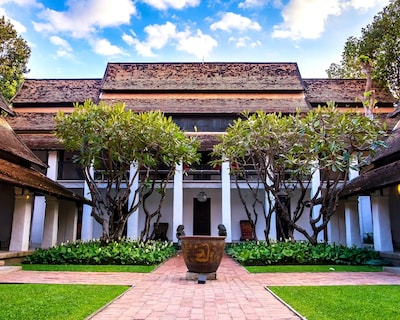
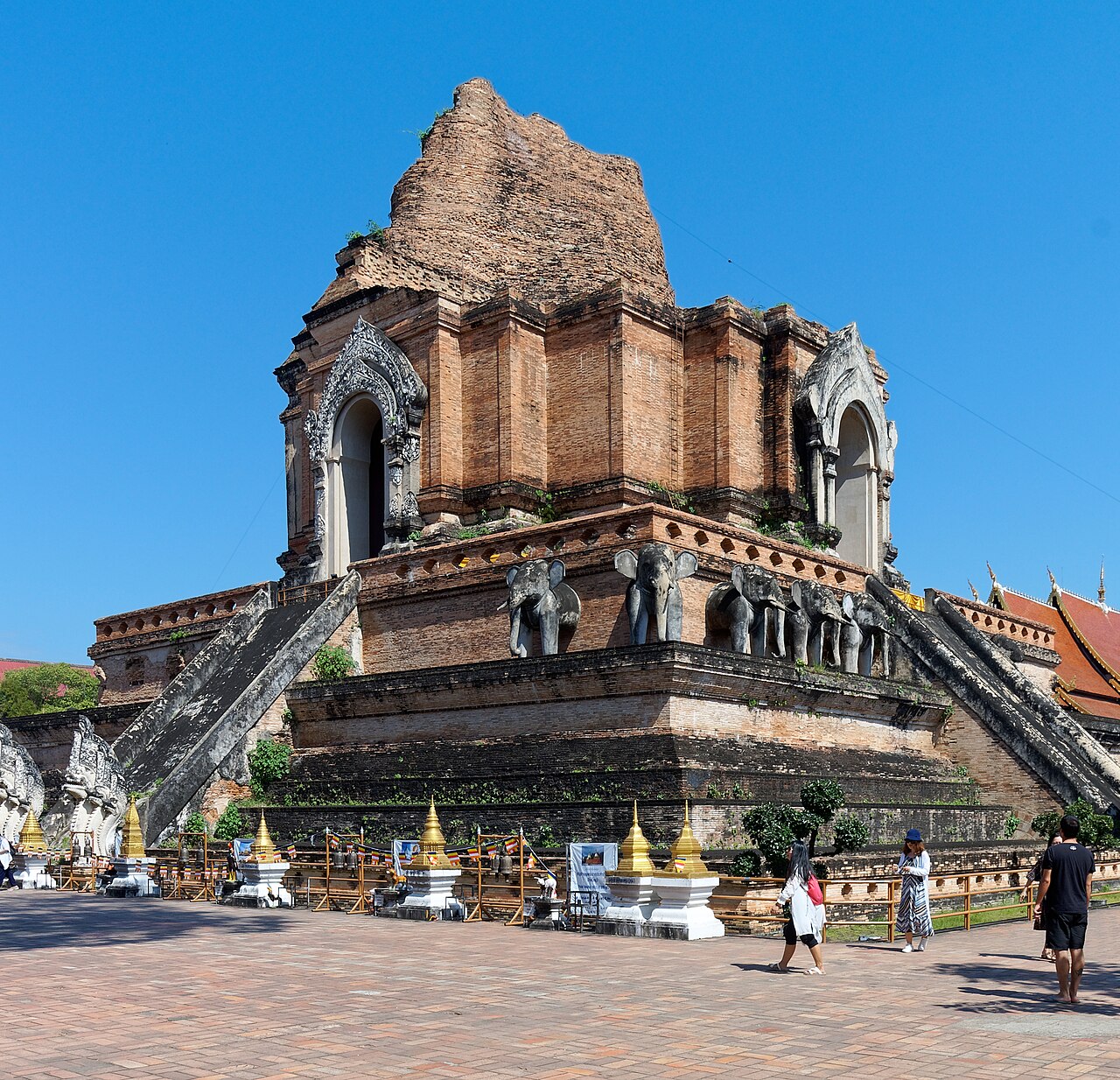
Start early, before the heat and the tour groups. The square old city is small, and the best first morning is a guided walk through its temples, which explains the Lanna kingdom, the monks and the symbols you would otherwise walk past. A two-hour walk takes in the major courtyards, and it pairs naturally with a longer visit to Wat Chedi Luang, whose enormous brick chedi was partly toppled by an earthquake centuries ago and still dominates the old city skyline. Break for a northern Thai lunch, then spend the hot afternoon in the air-conditioned Fahlanna Art Museum or simply resting. On the evening, choose by the calendar: on a Sunday, the Sunday Walking Street fills Ratchadamnoen Road with crafts and food stalls from Tha Phae Gate into the old city. On any other night, the Night Bazaar on Chang Khlan Road is the easy option, and a small-group street food tour is a more adventurous way to eat.
Day two: Doi Suthep or Doi Inthanon
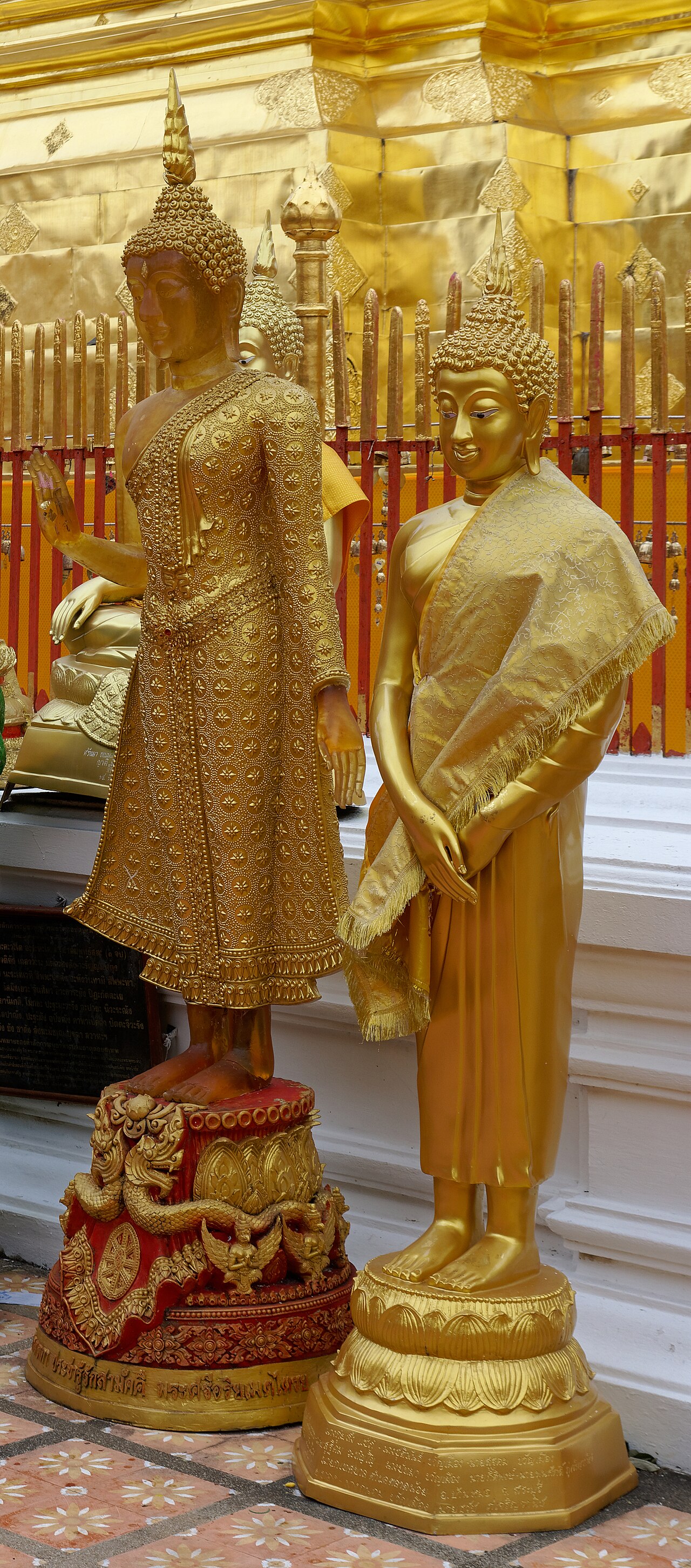
You have two good mountain options, and they suit different travellers. Wat Phra That Doi Suthep is the gilded hilltop shrine above the city, reached by a long staircase guarded by naga serpents or a short lift, with views over the whole valley on a clear day. It takes a half day, which leaves time for a lunch in town and a second activity, such as a cooking class or a market visit. Doi Inthanon, Thailand's highest peak, is a full day of about eight hours with waterfalls, the twin royal pagodas, forest walks and a hill-tribe coffee stop, and it suits travellers who want scenery over temples. Whichever you pick, bring a light layer, because the summit can feel properly cold even when the city is hot. If you choose Doi Suthep and have energy to spare, the hike-and-downhill-bike outing on the same mountain is a fun alternative to a taxi up.
Day three: elephants, adventure or Chiang Rai
This is the flexible day, and the choice depends on what you want most. A no-riding elephant sanctuary visit takes about five hours and focuses on feeding, walking alongside and watching the animals, with no rides and no performances. It is the best-reviewed way to meet elephants in the area and suits families. For thrill seekers, the Kingkong Smile Zipline takes about three hours, and the ATV and bamboo rafting day is a longer, muddier outing of about six and a half hours. If you want one famous long-distance sight instead, the Chiang Rai day trip to the White Temple is about eleven hours in total, so it is only worth doing if the temple is a priority for you.
Evenings that add something different
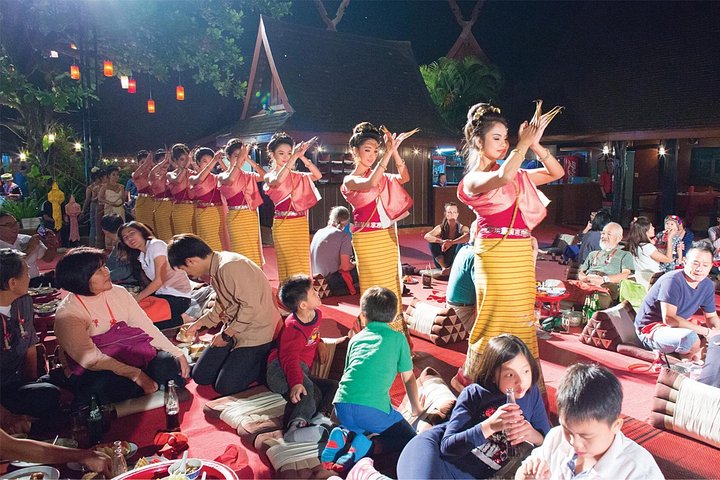
After two evenings of markets and street food, consider a Khantoke dinner, a northern Thai meal served on low tables with drumming and folk dances, which works well as a gentle introduction on the first night. A Muay Thai night at Thapae Stadium is loud and theatrical and suits groups, while Chiang Mai Night Safari is a good family option when the day has been too hot for sightseeing. In the cool season, the lantern festival around the full moon of November is a highlight, but it needs early planning.
How to pace it
Do the active, outdoor things in the morning and keep the middle of the day for shade. Carry small notes for temple donations and market stalls, and cover shoulders and knees for temples. Use ride-hailing cars, red songthaews or tuk-tuks for the longer hops, and agree a price before you set off in a songthaew or tuk-tuk. Most day trips include hotel pick-up, so book them for early starts and tell your hotel the pick-up time the night before.
Where to base yourself
An old-city hotel makes day one effortless and puts the Sunday Walking Street at your door. A riverside hotel is better for the Night Bazaar and for quiet mornings by the water. Our where-to-stay guide compares both areas.