Chiang Mai has one of the best food scenes in Thailand, and it tastes noticeably different from Bangkok. Northern, or Lanna, cooking leans on herbs, fermented flavours, grilled meats and sticky rice rather than the sweetness and heavy coconut of the central plains. The best approach is to eat widely, go where the locals queue and pace yourself, because you will want to try more than you can fit in.
Khao soi first
The signature dish of the city is khao soi, egg noodles in a rich, curried coconut broth, topped with a nest of crispy fried noodles and served with pickled mustard greens, shallots and a wedge of lime on the side. Chicken and beef are the usual choices. Every cook has a slightly different recipe, so it is worth trying it more than once, and a bowl makes an excellent lunch. A cooking class is a good way to understand the paste and the balance of flavours.
Other northern dishes to look for
Sai oua is a grilled northern sausage packed with herbs and chilli, and it is delicious with sticky rice. Nam prik ong and nam prik noom are chilli dips served with raw and steamed vegetables and crispy pork skin. Gaeng hang lay is a rich, mildly sweet pork curry with ginger and tamarind that shows the Burmese influence on the region. Khanom jeen is rice noodles served with a choice of curry sauces and a plate of fresh herbs, and laab, the northern style of minced meat salad, is spicier and darker than its better-known cousin from other regions. If you are not sure what to order, point at what the locals have in front of them, or take a guided tasting.
Markets and street food
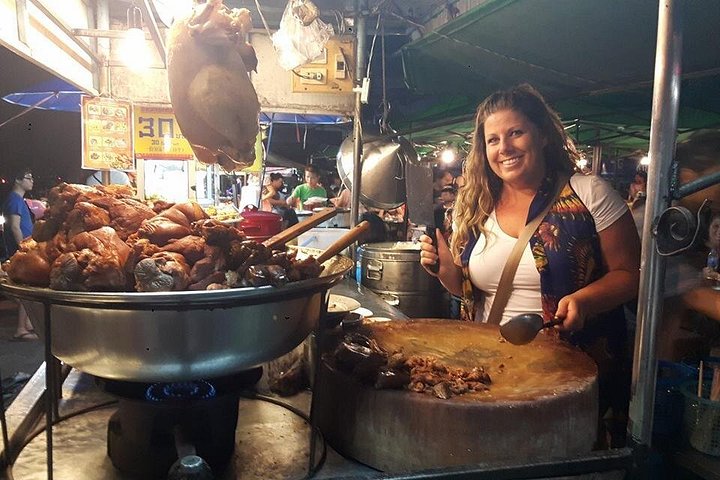
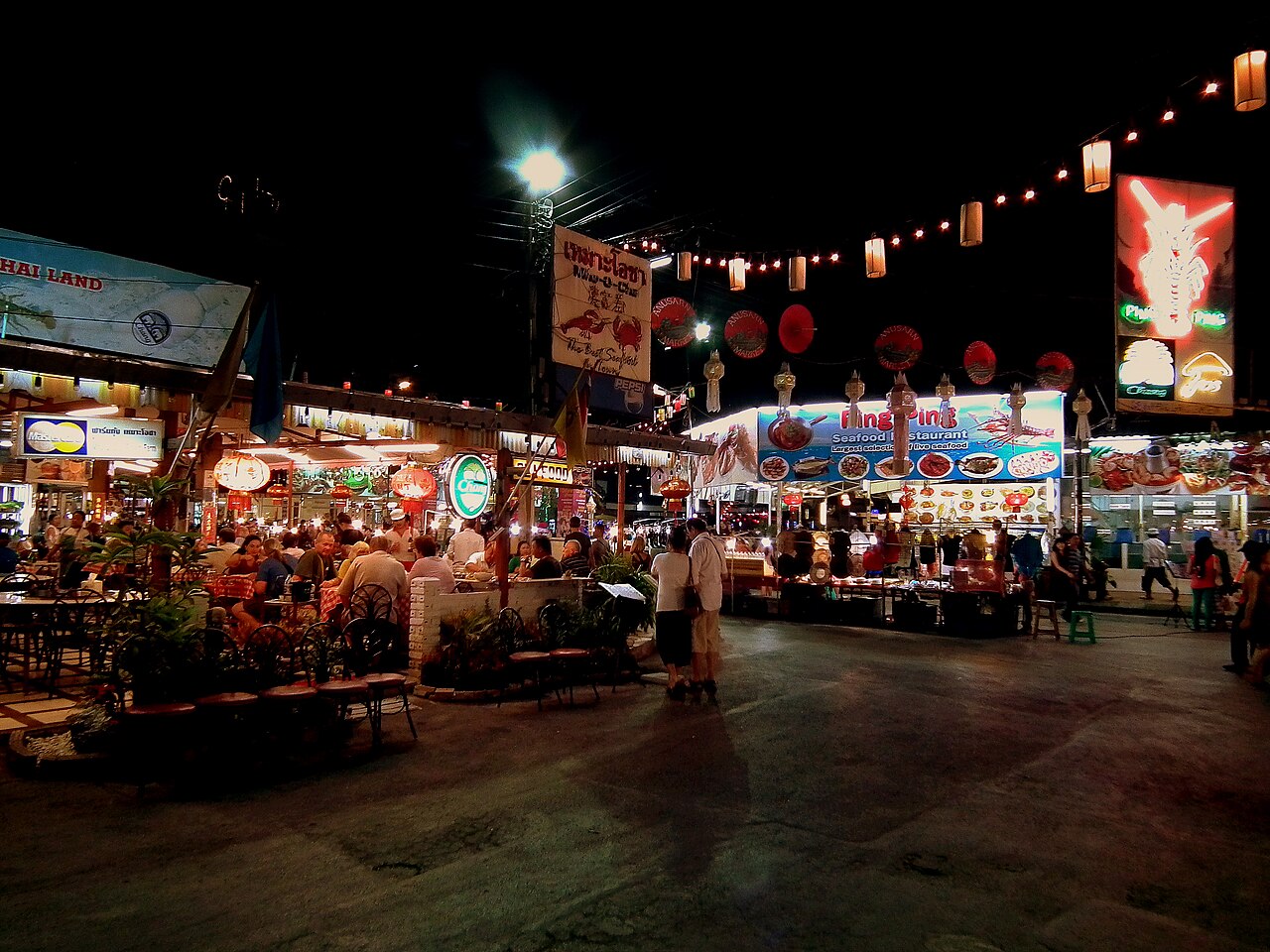
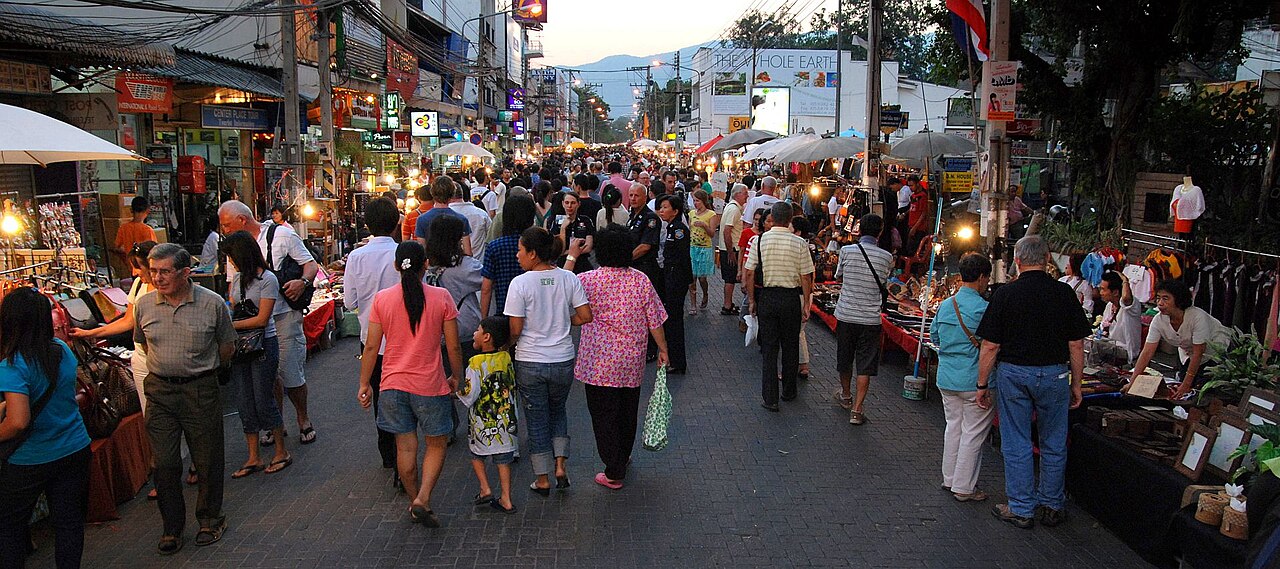
The night markets are the easy place to graze, and the Night Bazaar on Chang Khlan Road has food courts and stalls alongside souvenirs. The Sunday Walking Street is the best place for snacks on the move, with grilled sausages, fruit, sweets and local specialities along Ratchadamnoen Road. For a more guided approach, a small-group evening street food tour takes you to stalls you might not find or dare to order from alone, and explains what you are eating. Early in the day, the old-city morning markets are where locals buy breakfast, from fresh noodles to steamed snacks. Choose busy stalls with high turnover, carry small notes and keep tissues and hand sanitiser in your bag.
Cooking classes
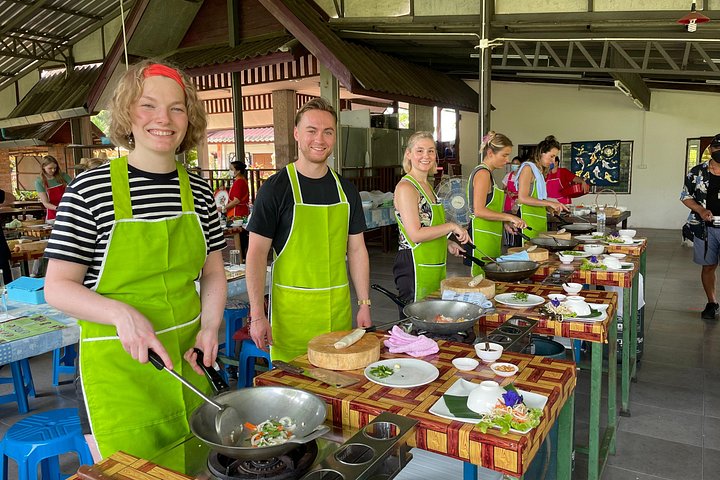
The cooking class is the most popular food activity in Chiang Mai, and for good reason. A half-day class usually starts with a visit to a local market to see the ingredients, then moves to a garden or farm where you cook several dishes of your own choosing, often including a curry paste made from scratch, and you eat what you make. Ours takes place at an organic farm, which makes it easy to taste the herbs and vegetables fresh. It suits beginners, solo travellers and families with older children, and you take a recipe booklet home.
A Lanna dinner
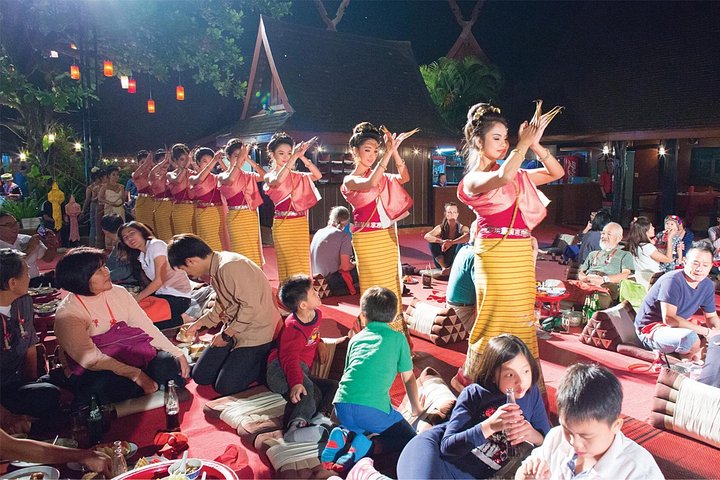
For one evening, consider a Khantoke dinner, in which a selection of northern dishes is served on a low table while dancers perform. It is touristy, but it is a relaxed introduction to the flavours of the region, and a good first-night plan after a long flight.
Coffee, tea and drinks
The northern Thai hills grow arabica coffee, and Chiang Mai has a thriving cafe culture, especially in the Nimman area and around the old city, where converted houses and gardens serve single-origin coffee. The Doi Inthanon day tour usually includes a stop at a hill-tribe coffee farm. Thai iced tea, fresh fruit shakes and coconut water are everywhere, and local Thai beer is cheap. Drink bottled or filtered water, and be cautious with ice if your stomach is sensitive, although ice from shops and restaurants is typically made from purified water.
A simple eating plan
Start the day with a coffee and a light breakfast, make khao soi or another noodle dish your main lunch, snack through the afternoon on fruit and grilled skewers and leave room for a market dinner. That rhythm lets you try far more dishes in a few days than a pair of big restaurant meals would, and it keeps you out of the midday heat.
Eating well and safely
Spice levels can be high, so ask for mai phet, meaning not spicy, if you prefer milder food. Vegetarians can find meat-free dishes more easily in Chiang Mai than in most Thai cities, but fish sauce and shrimp paste are common, so say what you cannot eat. Tipping is not expected at street stalls, and in restaurants a small amount of change is appreciated.