Chiang Mai is one of the easiest places in Thailand to visit with children. It is smaller and calmer than Bangkok, the food is mild enough for most young palates, and there is a good mix of animals, water, crafts and outdoor play. The trick is pacing: temples and markets are lovely, but children get tired in the heat, so the best itineraries alternate one quiet cultural activity with one active or playful one, and leave afternoons free for the pool.
Start gently
On arrival, resist the urge to see everything. A short ride in an open tuk-tuk is a fun way to see the old city without long walks, and it gives children a sense of where things are. Follow it with an easy evening at a night market, where they can try snacks, watch street performers and choose a small souvenir. Keep the first full day light, and let jet lag settle before you attempt a long excursion.
Animals and nature
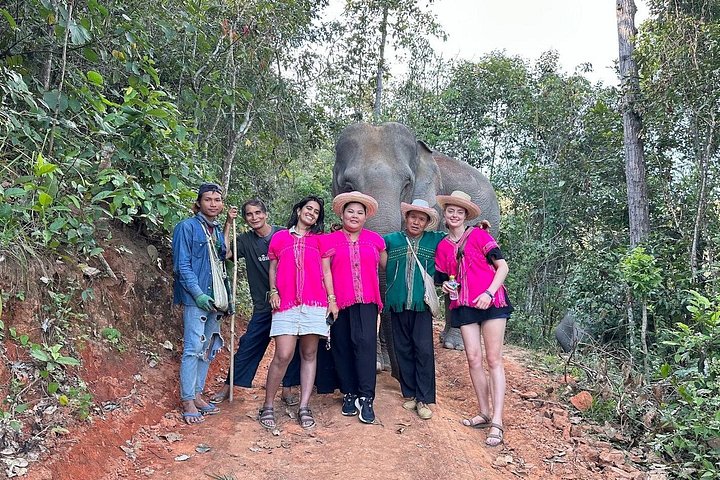
An elephant visit is often the highlight for families. Choose a no-riding sanctuary where children feed, walk beside and learn about the elephants, and prepare them to get muddy. The night safari is another popular choice, with a tram ride after dark and animals that are active in the cooler evening. For gentle nature, a countryside bike ride through rice fields and a visit to a hill village such as Mae Kampong suit children who like walking and water.
Water and adventure
On hot days, a quarry water park gives children a place to swim, slide and jump, and a jungle coaster or zipline park offers thrills with clear safety rules. Check age, height and weight limits before you book, because they vary, and be honest about your children's confidence. Bamboo rafting and the sticky waterfall are fun, but supervise closely near water, and bring quick-drying clothes and a change. Save the white water rafting for teenagers who can swim well.
Culture without the boredom
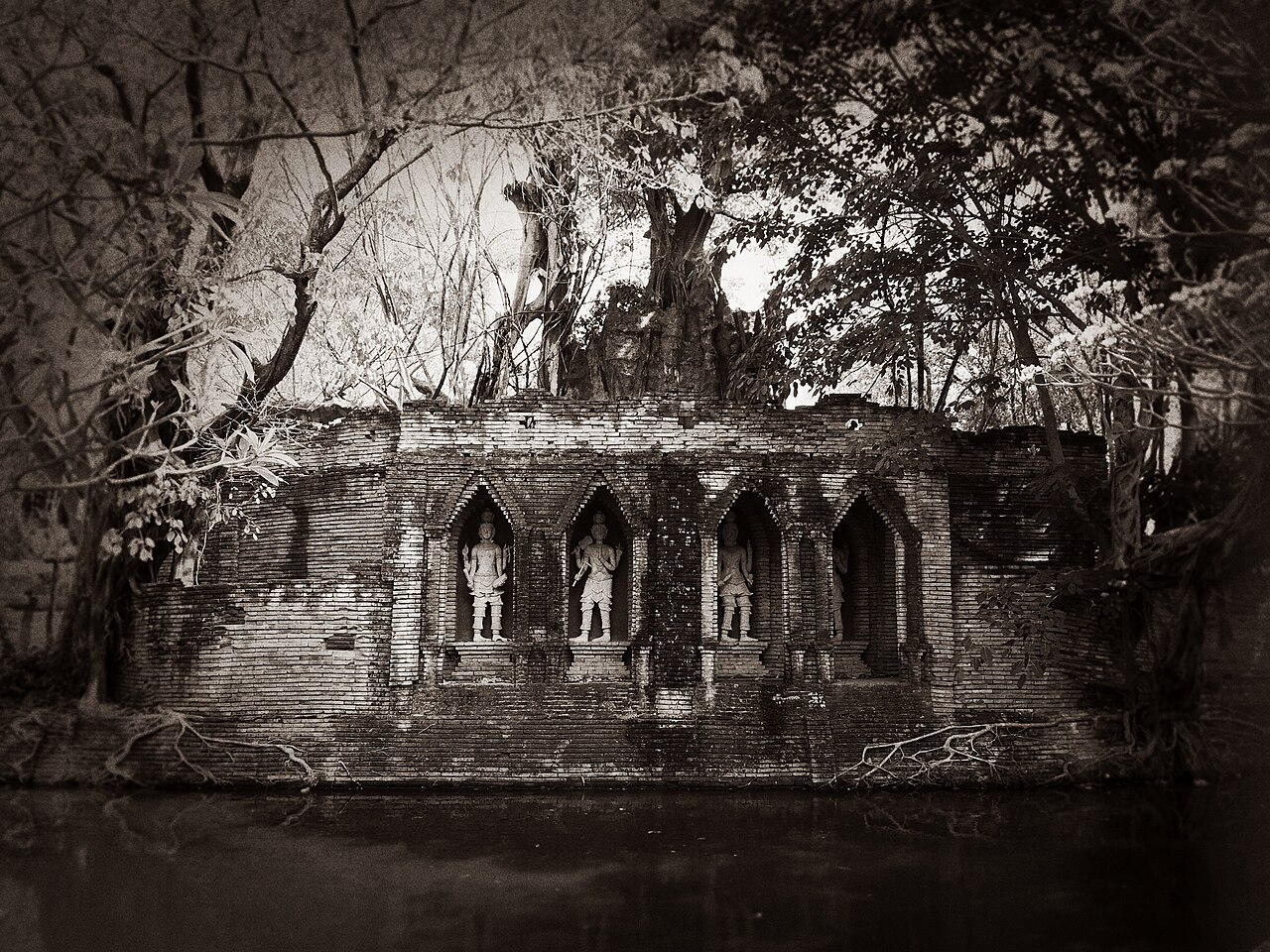
Temples can be magical for children if the visit is short and has a story. A guide who explains the dragons, the naga staircases and the monks' daily routine makes a short walk much more engaging. Try a craft workshop where children can try weaving or painting, or a cooking class where they chop, stir and eat the results. A khantoke dinner with dance and music gives a taste of local culture in a format that suits families. Remind children about temple manners, such as quiet voices, no pointing feet at Buddha images and covering shoulders and knees.
Heat, health and comfort
The cool season from November to February is the easiest time for families, with comfortable days and clear skies. In the hot season, plan outdoor activities for the morning and rest in the afternoon. In the rainy season, mornings are often dry and afternoons showery, so keep indoor options such as an art museum or a 3D art gallery in reserve. Carry water, sun protection, insect repellent and a light layer for the mountains. Use bottled or filtered water, wash hands before eating and keep snacks handy.
Getting around
Ride-hailing cars, shared red trucks and tuk-tuks are all easy, but check for seat belts and child seats, which are not always available. Day trips with hotel pick-up are the simplest option for longer journeys, but the mountain roads have many bends, so bring motion-sickness remedies and sit children near the front. Allow extra time for stops, and do not stack two long days back to back.
Where to stay
Look for a hotel with a pool, shade and a breakfast that children will eat, and consider the location. Riverside and resort-style hotels give more space and calm, while old-city stays put temples and markets within walking distance. Our where-to-stay guide compares the options, and the family-friendly resorts below are good places to start.
A sample family week
Day one: tuk-tuk ride and night market. Day two: elephant sanctuary in the morning and pool in the afternoon. Day three: cooking class and a khantoke dinner. Day four: zipline or water park, then a massage for the adults if you can arrange childcare. Day five: a gentle countryside ride and a visit to a hill village. Day six: temple walk with a guide, followed by a long lunch and a rest. Day seven: free for anything you want to repeat. This rhythm keeps the energy balanced and leaves room for the unexpected moments that children remember best.