Chiang Rai has three seasons rather than four, and each changes the trip. The far north of Thailand is higher and cooler than Bangkok or the islands, so the weather here behaves differently from what many first-time visitors expect. This guide explains each season plainly so that you can pick the months that match what you want to do.
Cool season: November to February
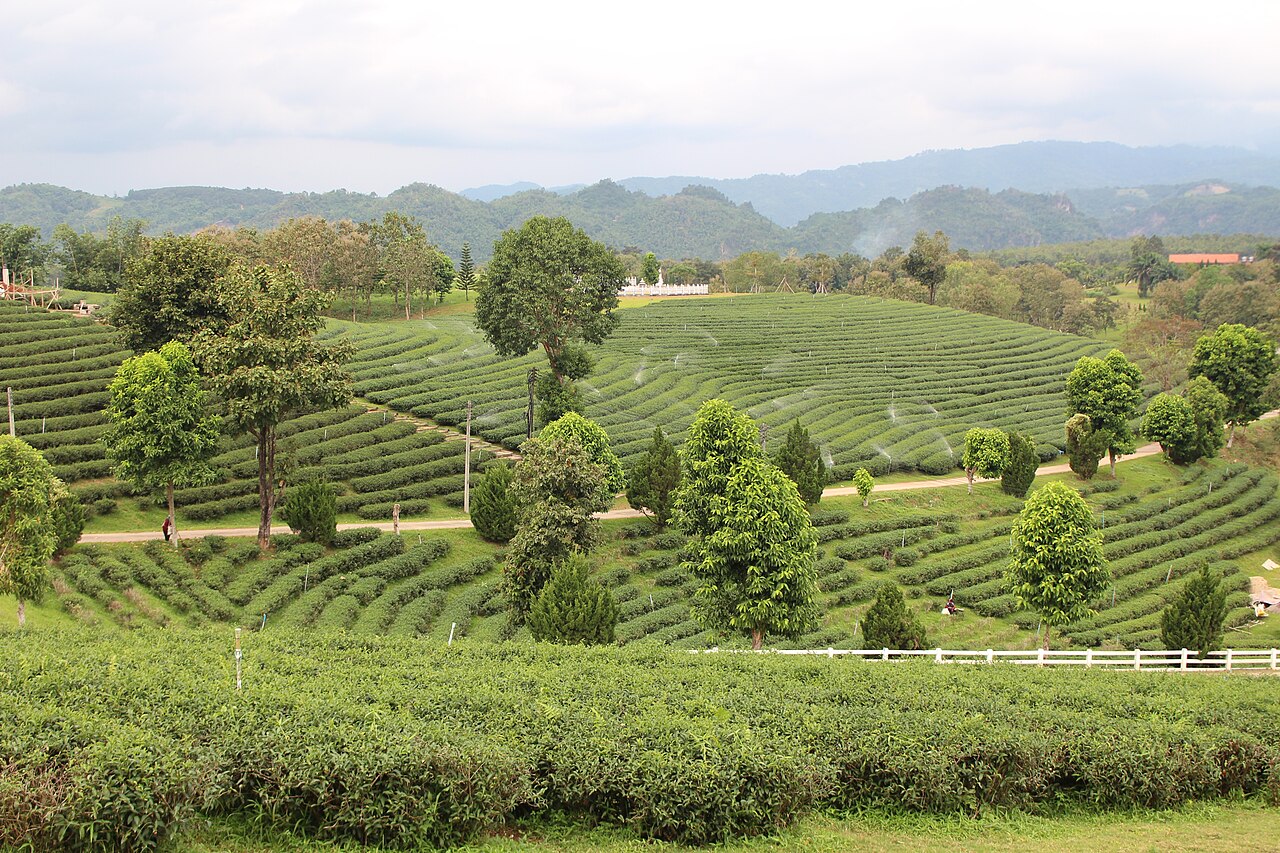
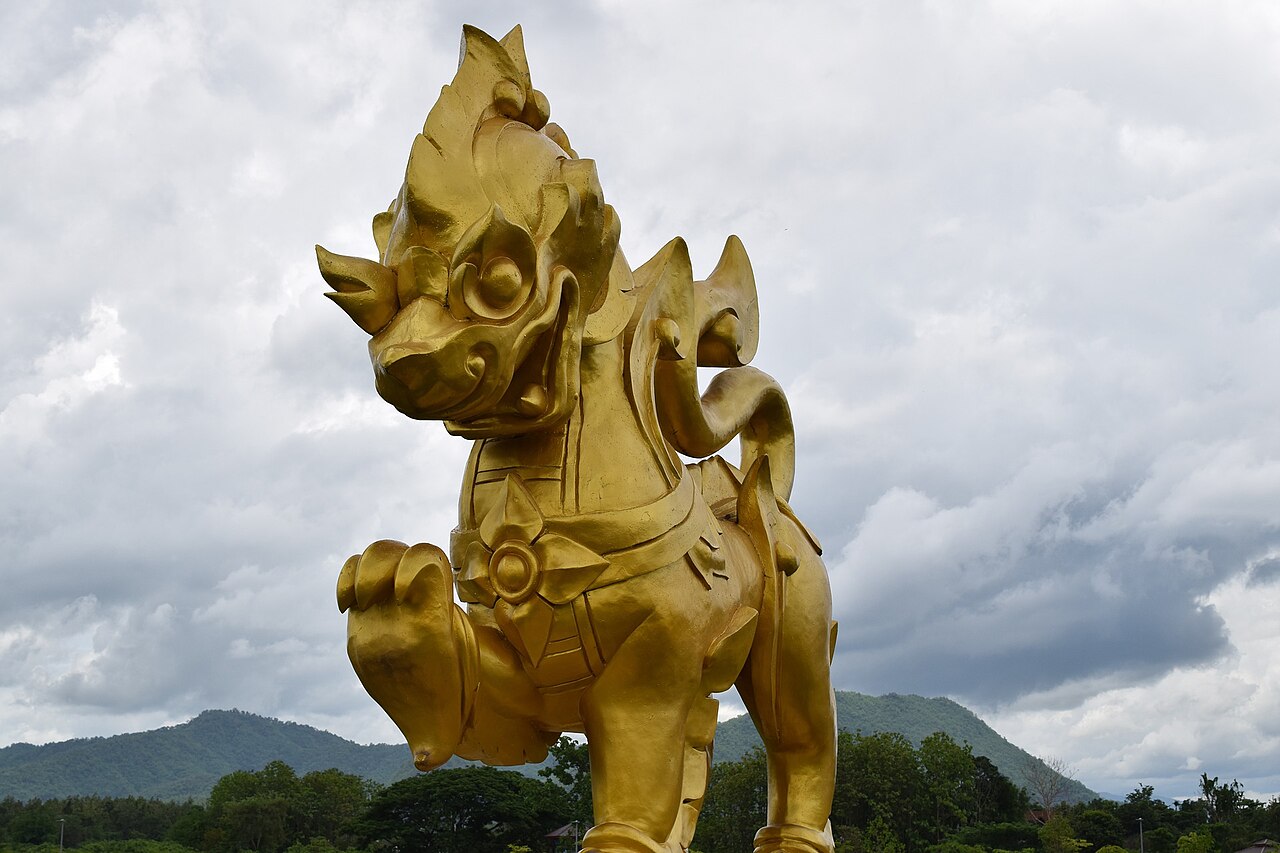
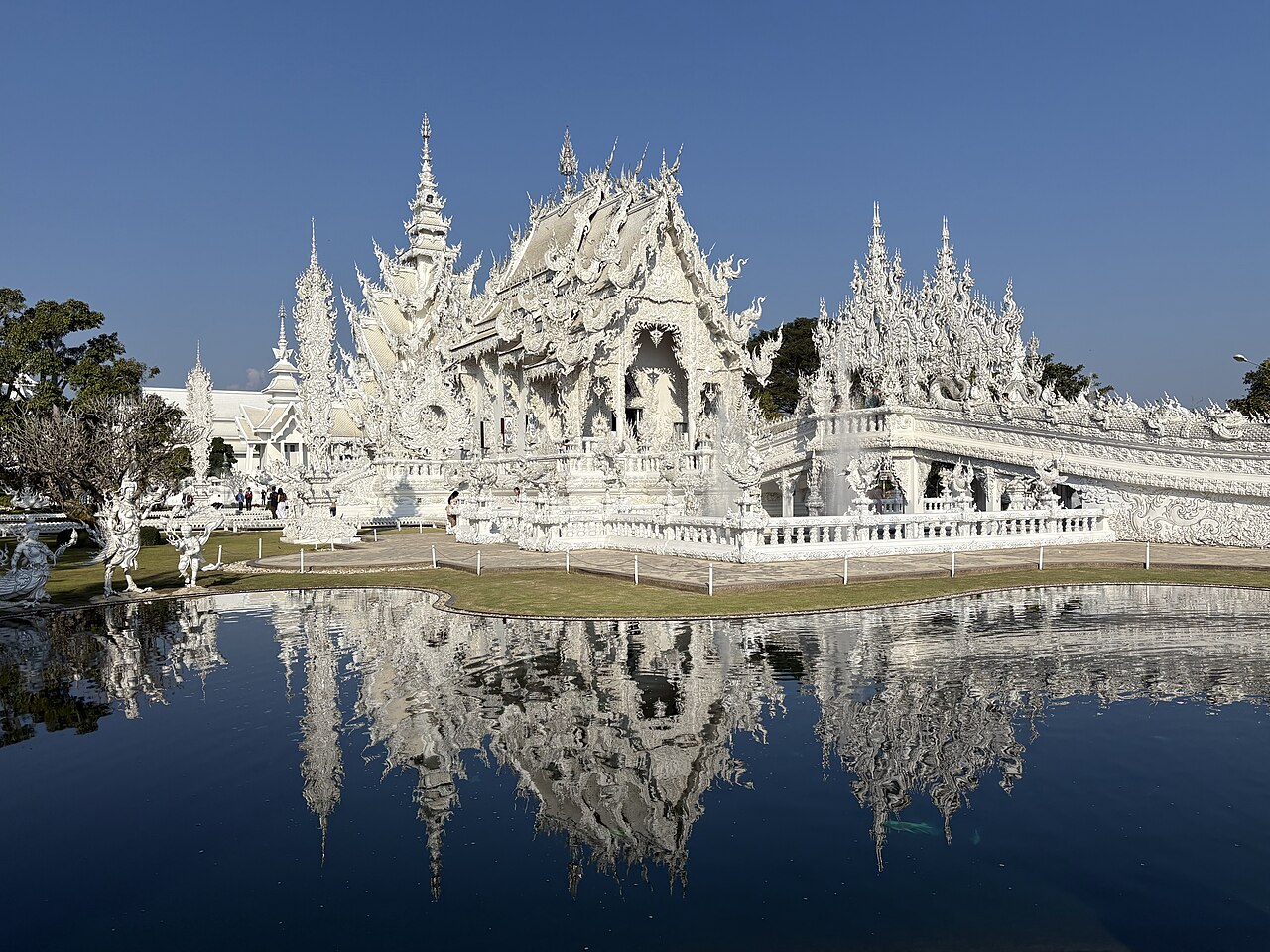
This is the most popular time and the most comfortable. Days are warm but not oppressive, mornings are clear and fresh, and evenings in the hills can feel properly cool, so a light jacket is useful at Doi Mae Salong, Doi Tung and for early starts. The tea hills look their best, with crisp views from the plantations and the Golden Triangle viewpoint, and outdoor sights such as Singha Park, the Mae Fah Luang Garden and the night markets are at their most pleasant. The downside is demand. Hotels fill, prices are at their highest and the White Temple is busy, so book rooms early and visit the big temples at opening time.
Hot season: March to May
Temperatures climb steadily and the afternoons become hard work. In the north, this period also brings seasonal smoke from agricultural burning across the region, and air quality can be poor for part of it, with hazy views and sore eyes for some visitors. If you are sensitive to air quality, check the forecast before you travel and consider choosing another month. The compensation is lower hotel rates and quieter attractions. Plan a morning-only programme: temples and the Black House early, a long lunch indoors or by a hotel pool, and markets after sunset. Mid-April is the Songkran water festival, the Thai new year, when towns across the country turn into good-natured water fights and many businesses close for a few days. It is fun if you want it and a nuisance if you do not, so plan around it deliberately.
Rainy season: June to October
The landscape turns vivid green, rice fields glow, waterfalls run and the tea hills are lush. Rain tends to arrive as heavy showers, often in the afternoon, rather than all-day drizzle, so mornings can still be bright and good for sightseeing. The trade-offs are practical. Mountain roads to Doi Mae Salong and Doi Tung need extra care, some trails and viewpoints are muddy, and views can be hidden in cloud. Prices are lower, crowds are thinner and the White Temple is calmer. Pack a light rain jacket, wear shoes with grip and keep your afternoons flexible. The jungle trek with bamboo cooking is best in the drier months, so check with the operator about conditions if you plan to go in the rains.
Festivals worth planning around
Songkran in mid-April is the largest, with water play and temple ceremonies. Loy Krathong, the festival of lights, falls on the full moon of the twelfth lunar month, usually in November, when small floats with candles are released on rivers and lanterns light the night, and it is a lovely time to be beside the Kok. Dates for lunar festivals shift each year, so confirm them before booking. Saturdays have their own rhythm because the Walking Street fills Thanalai Road from late afternoon, so if you can choose, build a Saturday evening into your stay.
Day-by-day timing
Whatever the season, go early. The White Temple, the Blue Temple and Baan Dam are best in the first hours after opening, and the Hall of Opium Museum is closed on Mondays, so schedule the Golden Triangle day for another day of the week. Late afternoon suits the Golden Triangle viewpoint and Singha Park, when the heat fades and the light softens. Evenings belong to the clock tower and the bazaar.
So when should you go?
For comfort and views, choose late November through February. For fewer people and lower prices, with some weather risk, choose the early rains, June or July. For lush scenery and a calmer city, try August to October, and keep spare time for rain. The hot months suit travellers who can manage heat and want the lowest rates, provided air quality is acceptable. Whichever you choose, pack sun protection, modest clothes for temples, and shoes that are easy to remove.