Chiang Rai sits in the heart of northern Thai cooking, a cuisine that is milder in sweetness than Bangkok, richer in herbs and chilli dips, and shaped by the neighbouring cultures of Myanmar, Laos and southern China. You do not need a restaurant list to eat well here. You need to know what to order, where to look and how to fit meals around the sights. This guide covers the dishes worth seeking out, the markets that make eating easy, and the tea that grows on the hills above the city.
Khao soi
If you eat one dish, make it khao soi, the northern curry noodle soup. Egg noodles sit in a coconut-curry broth, topped with a nest of crisp fried noodles and served with pickled mustard greens, shallots and lime on the side. Squeeze the lime, stir in the pickles and add chilli paste to taste. Versions with chicken or beef are the most common, and it is usually inexpensive and filling enough to be a full lunch. Small family-run shops often do it best, so choose a place with a steady local crowd rather than a menu in six languages.
Northern sausage, dips and curries
Sai oua is the herb-packed grilled pork sausage of the north, fragrant with lemongrass, galangal and kaffir lime leaf, and it is sold at market stalls and roadside grills everywhere. Look also for nam prik ong and nam prik num, two chilli dips served with a plate of raw and steamed vegetables and crisp pork rinds. They are an excellent way to try northern flavours in small portions. For a curry, gaeng hang lay is a rich, slow-cooked pork dish with ginger and tamarind, showing the Burmese influence on the region. Khanom jeen nam ngiao, rice noodles in a tomato and pork-rib broth, makes a good breakfast.
Sticky rice and sweet endings
Northern meals are built around sticky rice rather than steamed jasmine rice, served in a small woven basket and eaten with the hands, rolled into a ball and dipped into curries and dips. For dessert or a snack, look for mango with sticky rice in the hot months, coconut-based sweets and grilled bananas at market stalls. The night bazaar even has a coconut dessert stall that opens for a couple of hours in the evening, so go early if you want it.
The night bazaar and the Saturday Walking Street
For an easy first dinner, walk from the golden clock tower to the Chiang Rai Night Bazaar, where food stalls and a stage make the evening relaxed and social. Order a few small plates to share rather than one big meal, and keep cash in small notes. On Saturdays the Walking Street on Thanalai Road fills from late afternoon with northern snacks, grilled meats, desserts and handmade crafts. Arrive when it opens, eat while the stalls are fresh and then wander as the crowd builds. Both are good choices for families, because the atmosphere is casual and the dishes are visible before you order.
Tea from the hills
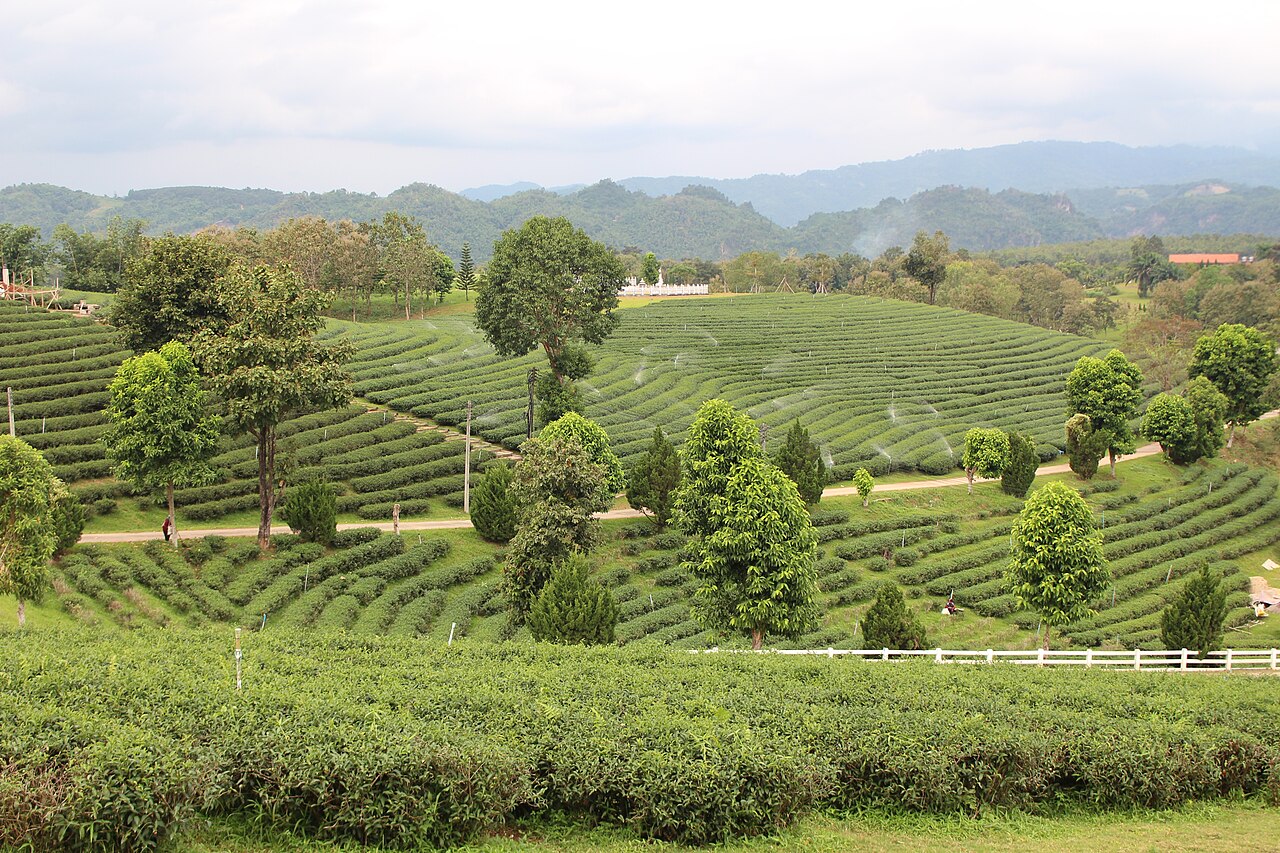
Chiang Rai province is one of Thailand's tea-growing regions, and a visit to Choui Fong tea plantation gives you rows of bushes, a viewing terrace and a cafe where you can taste the produce. Oolong, green tea and tea-based drinks are the usual choices, and packets make light, useful gifts. Doi Mae Salong, higher in the hills, has a Chinese-influenced food culture, with slow-cooked pork leg and noodle dishes, and tea sold in small shops along the main road. Pair a tea stop with a morning in the mountains and have lunch in the village.
Eating around the sights
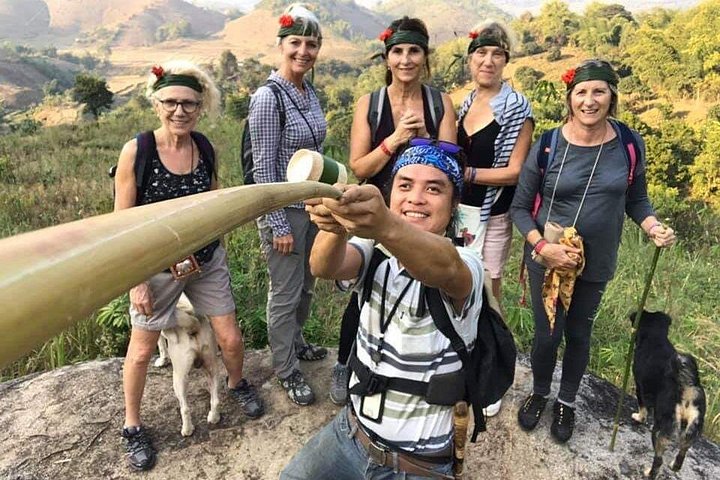
Treat meals as part of the route. After the White Temple and Baan Dam, lunch in town before heading out to Singha Park for a lakeside coffee. On the Golden Triangle day, eat near the Mekong and save the heavier meal for the evening. On a mountain day, take water and a snack, because the road is long and stops are few. A bamboo-cooking jungle trek adds one more tradition: food steamed inside green bamboo over an open fire, a technique of the hill communities.
Practical tips
Spice levels in the north can be fierce, so say mai phet, not spicy, or phet nit noi, a little spicy, if you are unsure. Tap water is not meant for drinking, so use bottled or filtered water, and be a little cautious with ice from unfamiliar sources. Many small shops close early afternoon or one day a week, so ask your hotel for current suggestions. If you have dietary needs, learn a short phrase for them, and carry a translation note. Tipping is small and appreciated but not expected at street stalls, and rounding up a bill is enough at a casual restaurant.