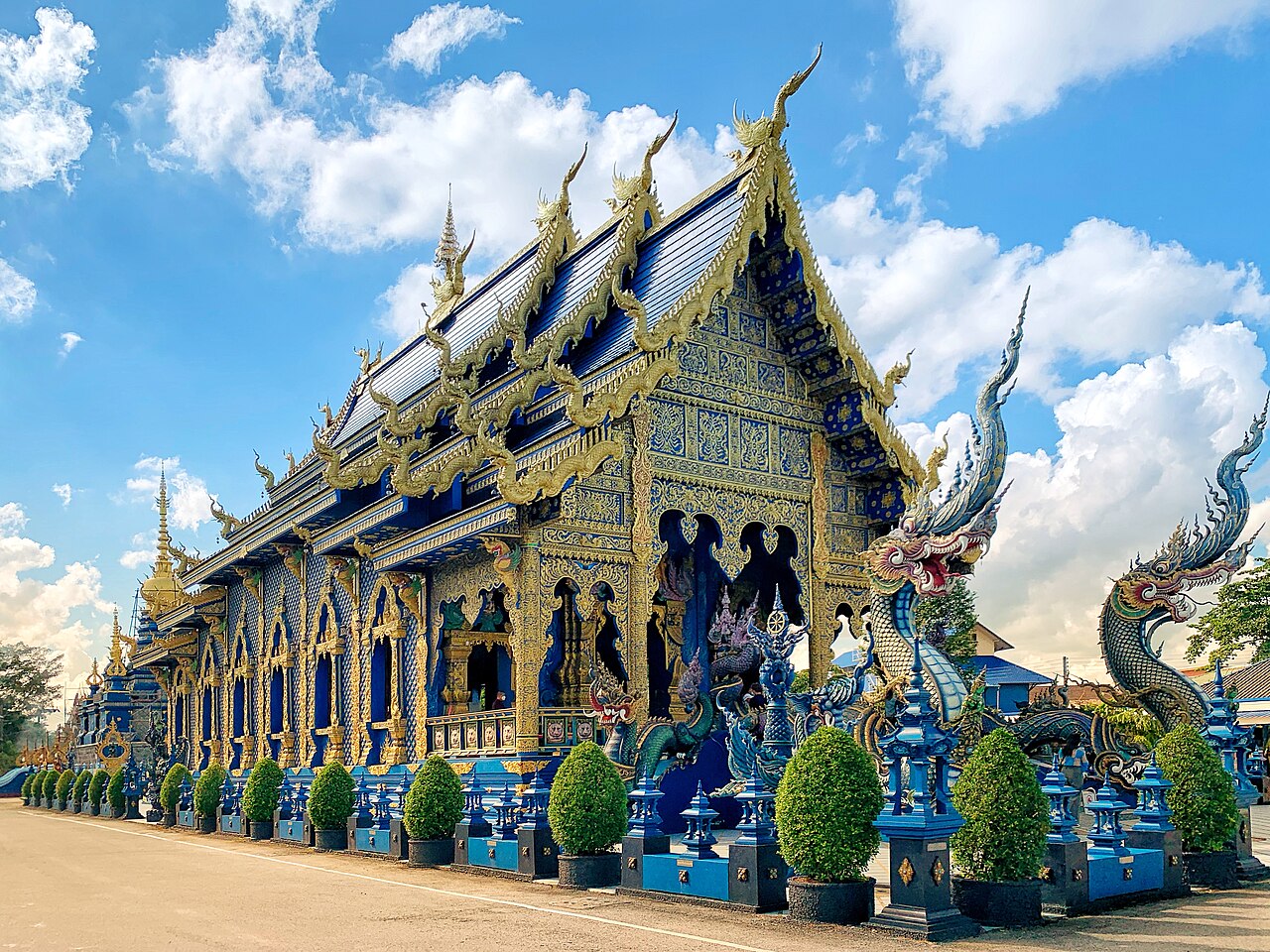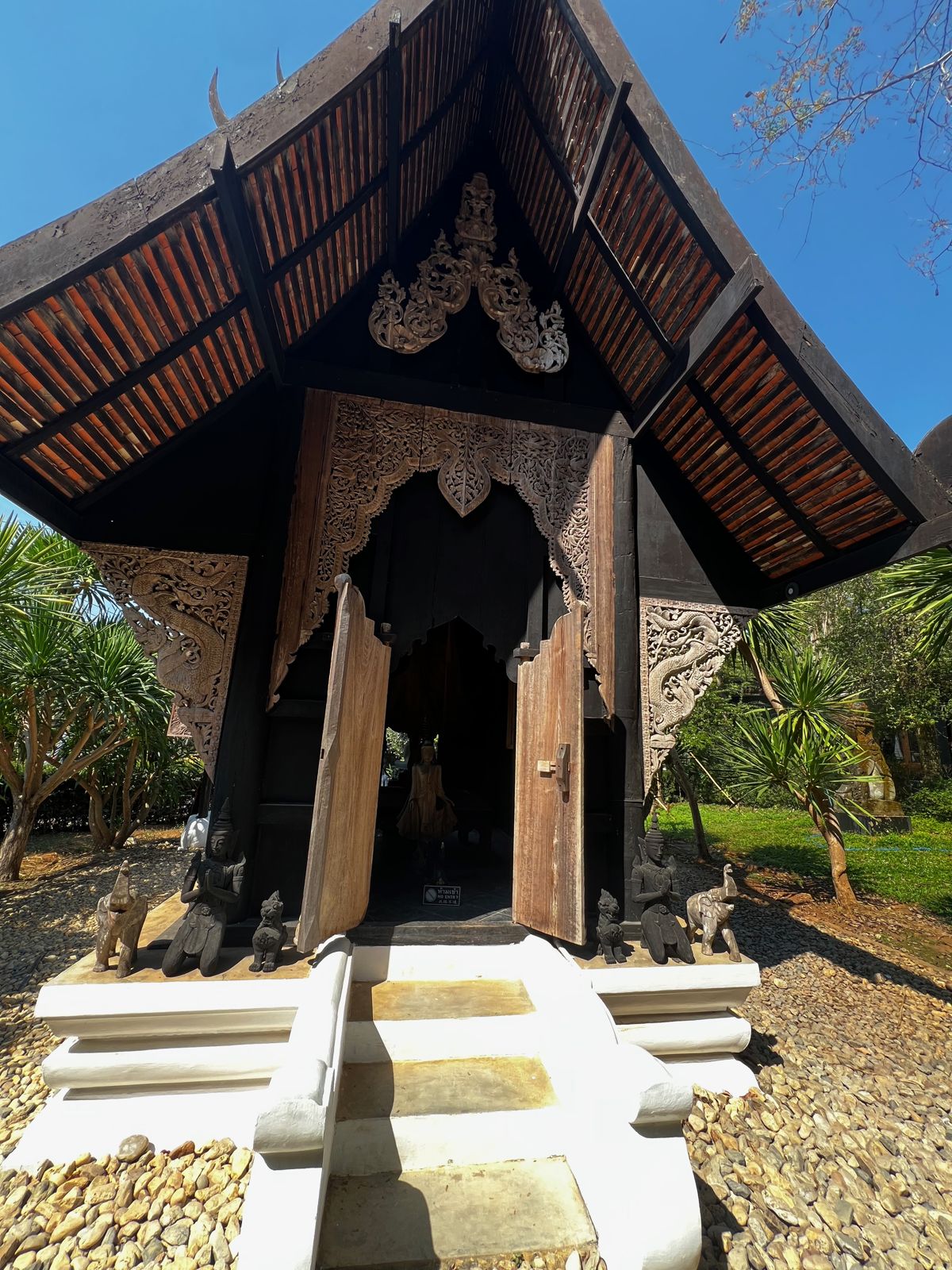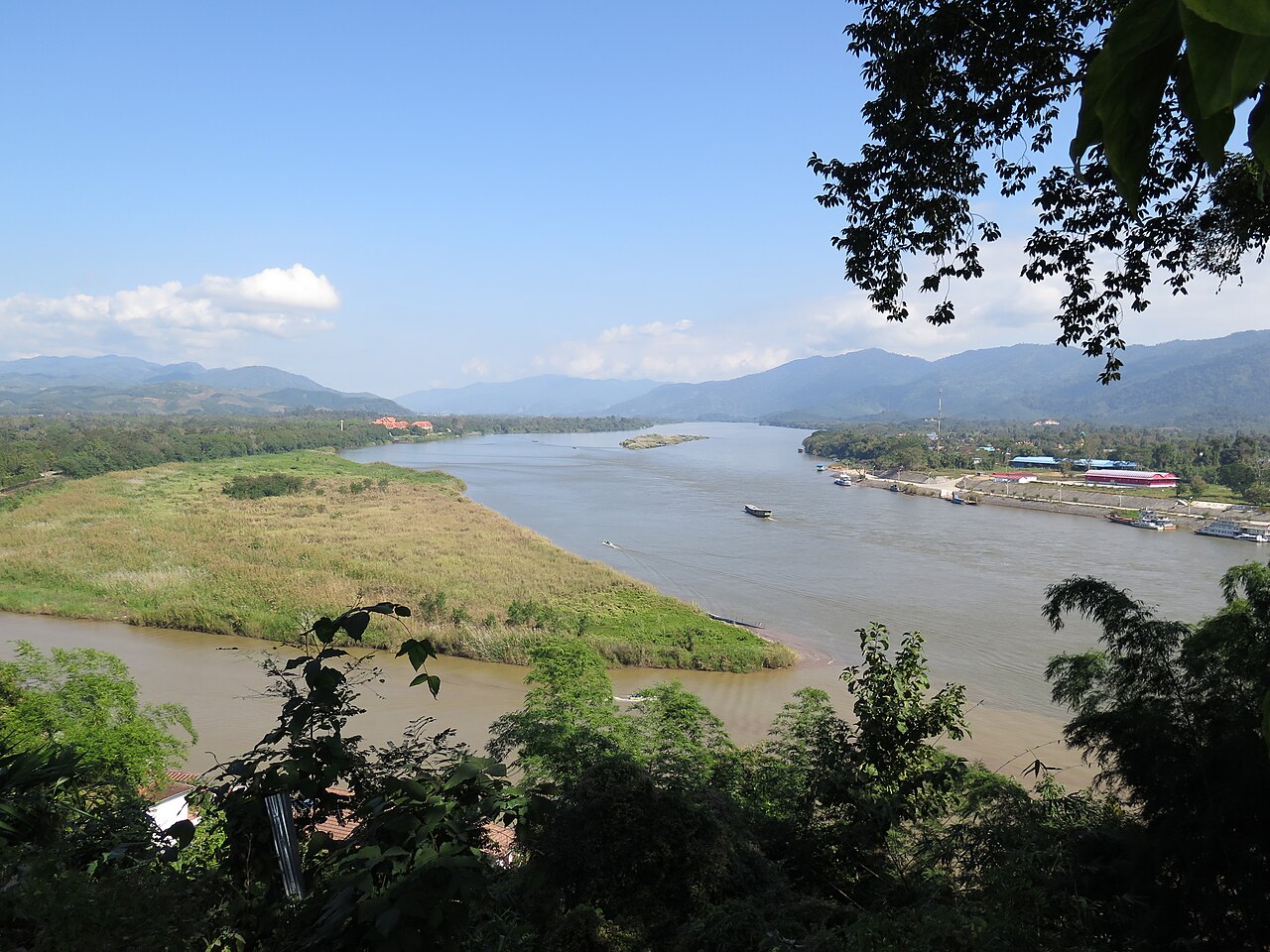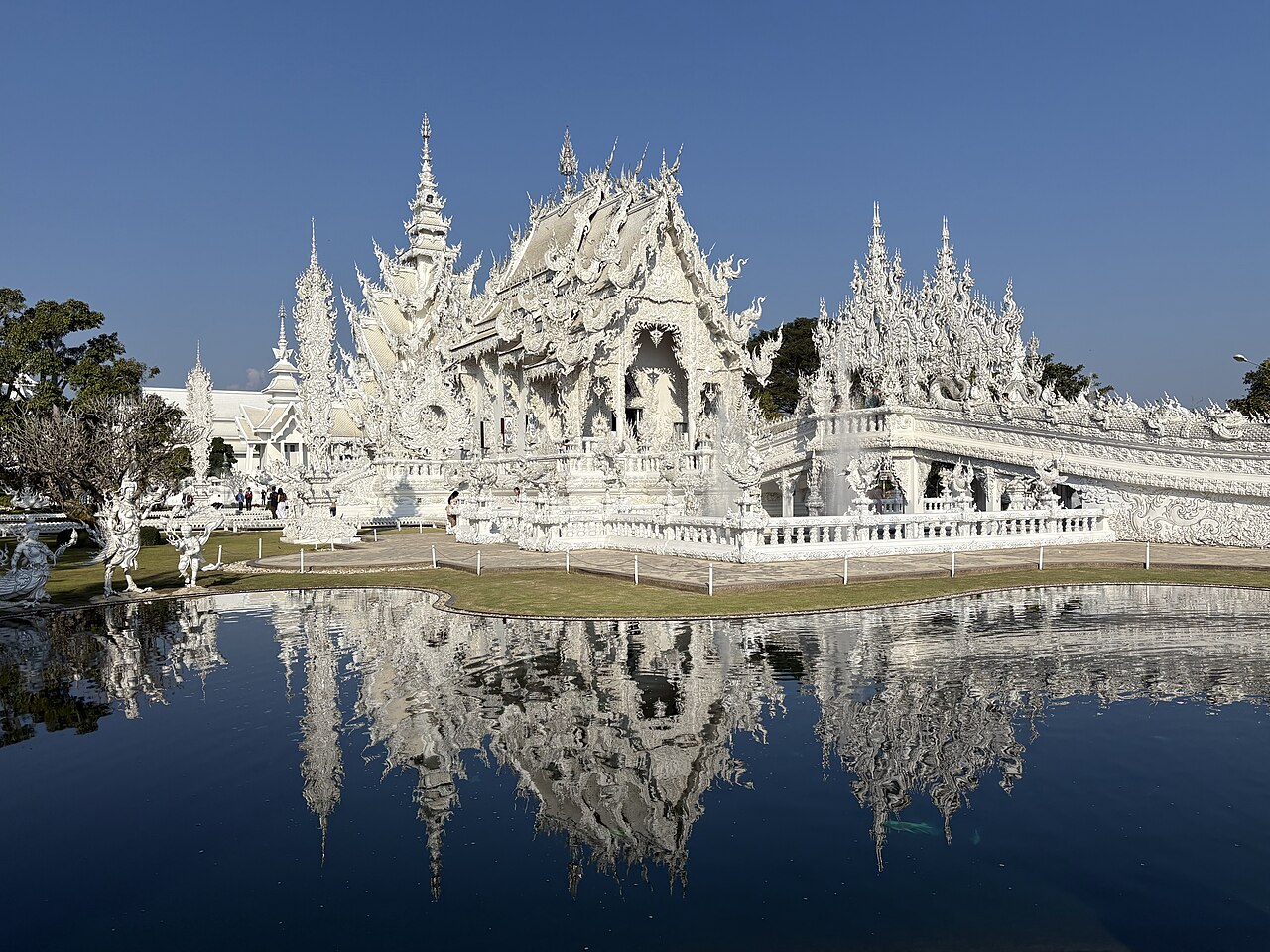
Chiang Rai is smaller, quieter and more relaxed than Chiang Mai, and its attractions are spread across a province rather than packed into one old town. The city is a pleasant base with a river, a night bazaar and a golden clock tower, but the headline sights lie in every direction: three artistic landmarks close to town, tea hills to the north-west, a royal villa on Doi Tung and the Mekong at the Golden Triangle. A little planning makes the difference between a rushed circuit and a rewarding few days.
Book ahead: the short list
There is little to reserve for the temples, which are open daily, but a hired driver for the day is the most useful thing to arrange. Pick up tickets for the White Temple if you want a guided tour, and book your hotel early for the cool season, from November to February, when the city is busiest. If you want a stay at the Golden Triangle, book the resort well ahead.
How many days
Three full days is ideal. Day one covers the city: the Blue Temple in the morning, the clock tower and a stroll, and the night bazaar in the evening. Day two is the temple and gardens loop: the White Temple, Baan Dam and Singha Park. Day three is a long day out to the Golden Triangle and the Hall of Opium, or a mountain day to Choui Fong, Doi Mae Salong and Doi Tung. With only two days, do the first two plus a short half-day of the mountains.
Getting around
Chiang Rai has no metro, and public transport is limited. Most visitors use a hired driver or taxi for the day, ride-hailing apps in the city, or a rented car or scooter. Songthaews and local buses serve the main roads, but they are slow for sightseeing. Chiang Rai International Airport is close to the city, and the road from Chiang Mai takes roughly three to four hours by bus or car, so allow a full travel day if you arrive that way.
Where the sights fit
The Blue Temple is on the edge of town, the White Temple is south of the city and Baan Dam is to the north, so a single day can cover all three with a driver. Singha Park lies in the countryside and works well as an afternoon break. The mountain sights, Choui Fong, Doi Mae Salong and Doi Tung, are each a long drive away, and the Golden Triangle and the Hall of Opium are near Chiang Saen, roughly an hour or more from the city.
What to wear and how to behave
Cover your shoulders and knees at temples, remove your shoes before entering halls and keep your voice low. The White Temple is strict about dress. Carry small notes for market stalls and tips.
When to go
The cool season from November to February is the most comfortable, with clear mornings, cool mountain evenings and good tea-hill views. The hot season brings heat from March, and the rainy season from roughly June to October brings green landscapes but wet roads, so mountain drives need extra care.
Where to stay
Stay in the city for the night bazaar and a walkable evening, on the Kok River for a resort feel or at the Golden Triangle for a Mekong view. Our where to stay guide compares the options.
Money, connectivity and health
Thailand uses the baht, and cash is still the easiest way to pay at markets, temples, small cafes and roadside stalls, so withdraw a modest amount in the city and keep small notes handy. Cards are accepted at hotels and larger restaurants. A local SIM or eSIM is inexpensive and useful for maps and ride-hailing, though signal can weaken in the mountains. Drink bottled or filtered water, use sunscreen and insect repellent, and carry a light layer for cool hill mornings.
Temple etiquette in more detail
Beyond covering your shoulders and knees, avoid pointing your feet at Buddha images, never touch a monk if you are a woman, and do not climb on statues or pose disrespectfully for photographs. Step over, rather than on, door thresholds, and keep donations discreet. These small courtesies are noticed and appreciated, and they matter most at working temples such as Wat Huai Pla Kang.
Final tip
Do not try to see everything. Pick the temples, one mountain day and one good evening at the bazaar, and let the rest unfold slowly. If you are short on time, the best compromise is the three temples and the clock tower in one long day, followed by a single mountain or river day. Start early, carry water and sun protection, and agree your driver's route and finishing time before you set off, so that the day feels relaxed rather than rushed. Pay in small notes where you can, and keep a little extra time in the afternoon for traffic on the mountain roads.